Best Budget Electric Screwdrivers: Affordable Picks for Everyday Repairs
These affordable electric screwdrivers are budget picks for everyday repairs and light assembly, as a compact 4V model provides sufficient torque without the bulk of a drill. If you frequently assemble heavy furniture or drive long screws into hardwood, you should look for a 12V model instead, as these offer significantly more power for demanding projects.
Best budget electric screwdrivers for everyday repairs
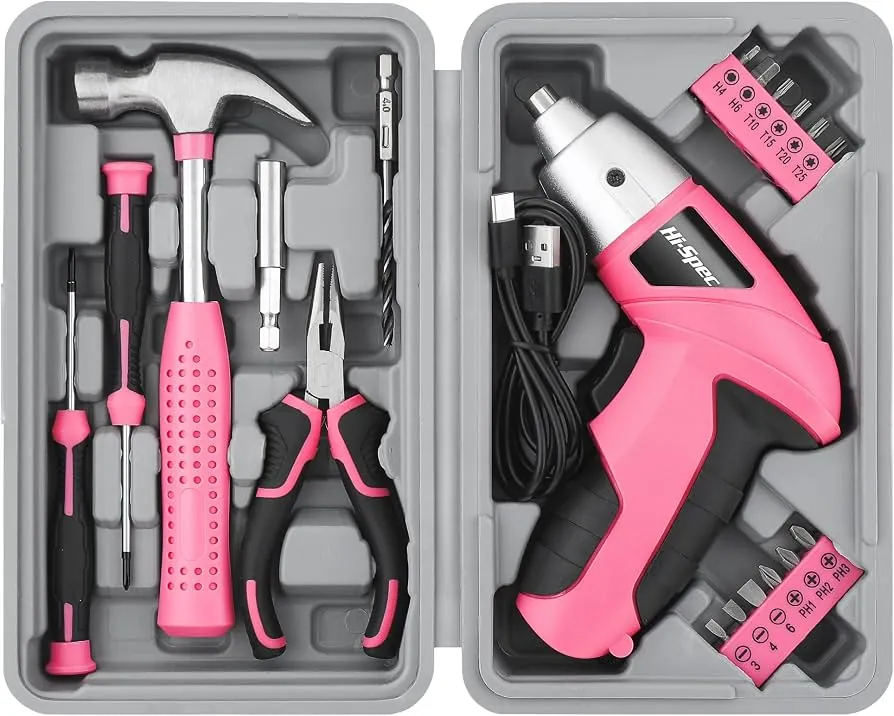
- Black+Decker 4V Cordless Screwdriver: An affordable, lightweight choice for light assembly and tightening loose cabinet handles.
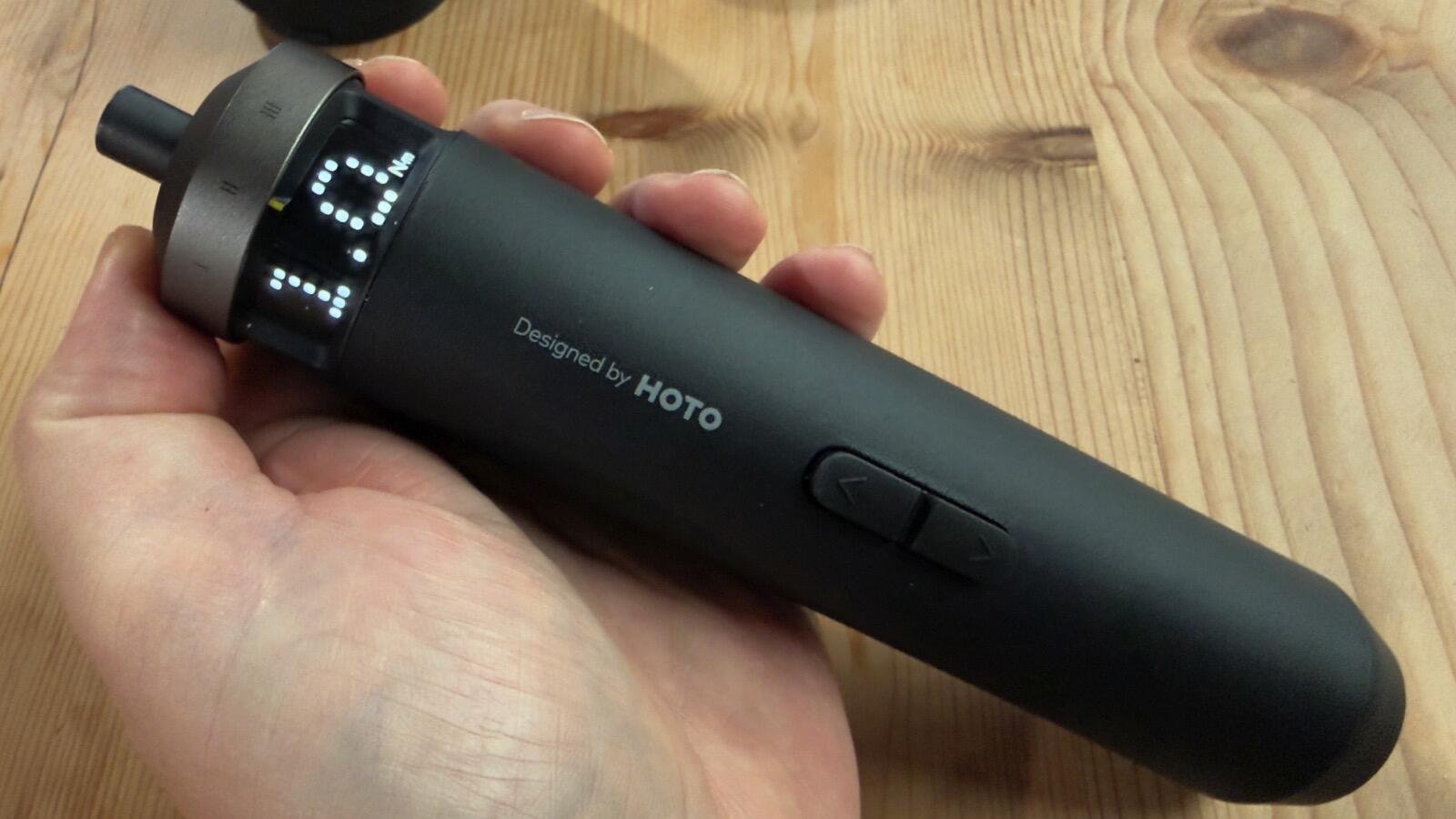
- Bosch Go 4V Smart Screwdriver: A compact, USB-rechargeable tool that offers convenient, low-effort operation for repetitive household tasks.
- Ryobi 12V Cordless Drill: A versatile, mid-range power tool that provides the necessary torque for general home repairs and furniture assembly.
- Milwaukee M12 Impact Driver: A high-torque, durable option designed for heavy-duty tasks and driving long screws into dense hardwood.
Comparing affordable power tool options
Selecting the right tool depends on your specific repair needs and how often you plan to use the device. While all these options are portable, they differ in their power output and intended use cases. The following table breaks down the primary types of electric screwdrivers available for home maintenance.
| Method | Effort | Cost | Best for |
|---|---|---|---|
| 4V USB-rechargeable | Low | Low | Light assembly |
| 12V cordless drill | Medium | Medium | General repairs |
| Impact driver | High | High | Heavy-duty tasks |
The cost categories represent typical market positioning for entry-level tools, but you should check current pricing on manufacturer websites to confirm your budget. If you choose a 12V tool, remember that you’re paying for both the motor and the battery system, which adds to the total investment.
Using a 4V rechargeable screwdriver
These small tools are designed for tasks that don’t require high torque, such as tightening loose cabinet handles or installing light fixtures. They’re lightweight and usually charge via a standard USB cable, making them very convenient for small apartments.
- Charge the tool fully using the provided cable until the indicator light turns green.
- Insert the correct hex bit into the chuck, ensuring it sits firmly in place.
- Select the forward or reverse switch located near the trigger.
- Apply light pressure while holding the tool straight to prevent the bit from slipping.
These tools are excellent for repetitive tasks where a manual screwdriver would cause hand fatigue. However, they lack the power to drive screws into dense materials like oak or maple. If you force these tools into tough wood, you may strip the screw heads or damage the internal gears.
Operating a 12V cordless drill
A 12V drill offers a versatile middle ground for homeowners who need to drill holes and drive screws. Most models feature an adjustable clutch, which lets you limit the torque to prevent over-tightening.
- Set the torque adjustment collar to a low number for delicate work.
- Slide the battery pack into the base until you hear a click.
- Choose the appropriate speed setting using the top-mounted switch.
- Maintain a firm grip and allow the tool’s motor to do the work.
This is the most popular choice for general home repairs because of its multi-purpose nature. The main trade-off is the added weight, which can feel heavy during long sessions. Always follow the safety guidelines for power tools provided by the Consumer Product Safety Commission to avoid injury during operation.
Choosing a high-torque impact driver
Impact drivers use a hammering mechanism to provide extra rotational force, which is necessary for long fasteners. These are rarely needed for simple household repairs but are essential for structural work.
- Pull the chuck collar forward to insert your impact-rated bit.
- Press the trigger gently to start the rotation slowly.
- Increase pressure as the screw begins to bite into the material.
- Release the trigger immediately once the screw head is flush.
These tools are incredibly fast and efficient at driving long screws. The downside is the intense noise and vibration, which can be overwhelming for beginners or indoor use. If you’re working on a fragile surface, the high impact force can easily crack the surrounding material or wood.
How to pick the right tool
When you’re in a hurry, a 4V screwdriver is the best pick because it’s ready to grab and go without complex settings. If you’re doing this for the first time, a 12V drill is the best choice because the adjustable clutch helps you avoid mistakes like stripping screws. When you want the best possible result whatever it takes, an impact driver is the superior option for its ability to drive large fasteners securely.
The main trade-off remains power versus control; the more power a tool has, the more likely you’re to damage soft materials if you aren’t careful. Always match the tool’s capability to the material you’re repairing to ensure the best outcome.
Essential maintenance for all drivers
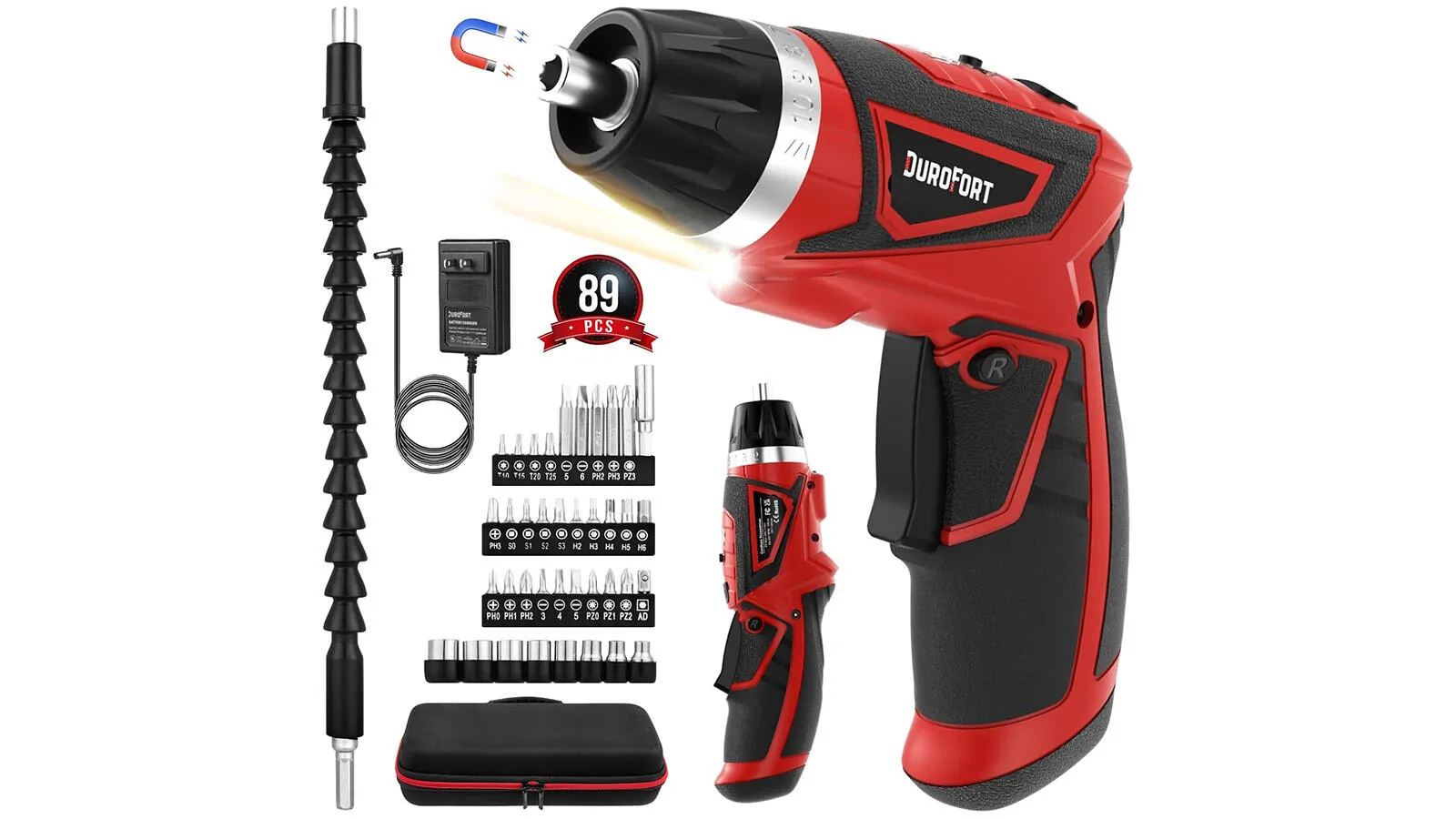
Regardless of which tool you choose, proper care ensures your equipment lasts for many years. You must keep your batteries in a cool, dry place, as extreme heat can permanently reduce their capacity. Regularly clean the exterior with a dry cloth to remove dust and debris that could clog the vents.
Check the bit connection point after every use to ensure it’s free of metal shavings. Never submerge the tool in water or use harsh solvents for cleaning, as this will void your warranty. If your tool begins to make a grinding noise or fails to hold a charge, contact the manufacturer’s support line directly rather than attempting to open the housing yourself.
Frequently asked questions
How long do the batteries last?
Most cordless tools provide about 30 to 60 minutes of continuous use, but this depends entirely on the material density and screw size. If you’re working with soft pine, you’ll get more runtime than when driving fasteners into dense hardwood or metal.
Is it safe to use these indoors?
Yes, these tools are safe for indoor use provided you wear eye protection and keep your fingers away from the rotating bit. Always clear the area of loose items that could be pulled into the drill’s air vents during operation.
How do I know if the screw is tight enough?
You should stop driving the screw the moment the head sits flush with the surface of the material. If your tool has a clutch setting, use it to prevent the tool from over-driving the screw and damaging the wood.
Why does my screwdriver keep slipping?
Slippage usually happens because you’re using the wrong bit size for the screw head or applying too little pressure. Ensure the bit fits snugly into the screw slot before you pull the trigger to maintain a solid connection.
Can I use these for drilling holes?
Only 12V drills and impact drivers are designed for drilling, though impact drivers require specialized hex-shank bits. A 4V screwdriver is meant only for turning screws and lacks the speed and chuck capacity for drilling holes in walls or wood.
What happens if the battery gets hot?
If the battery pack becomes hot to the touch, stop working immediately and allow it to cool down for at least 15 minutes. Continued use while the battery is overheating can lead to permanent cell damage and significantly reduced performance over time.
Conclusion
Choosing the right electric screwdriver comes down to matching the tool’s power to your specific task. Start with a 4V model for simple repairs, but keep a 12V drill on hand for larger projects. With these tools and proper care, you’ll be prepared for almost any everyday repair in your home.