Electric Screwdriver vs Drill: Key Differences and When to Use Each
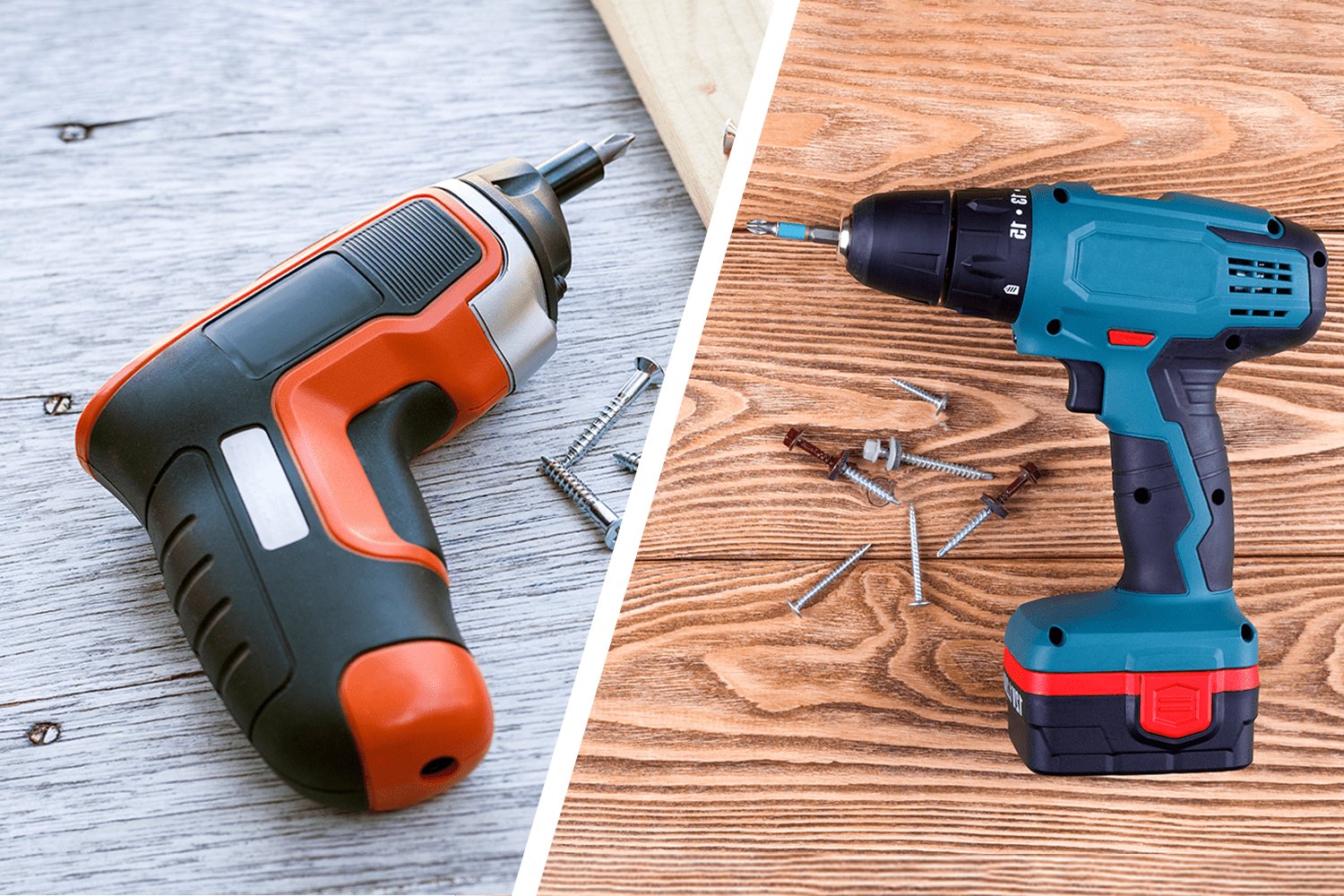
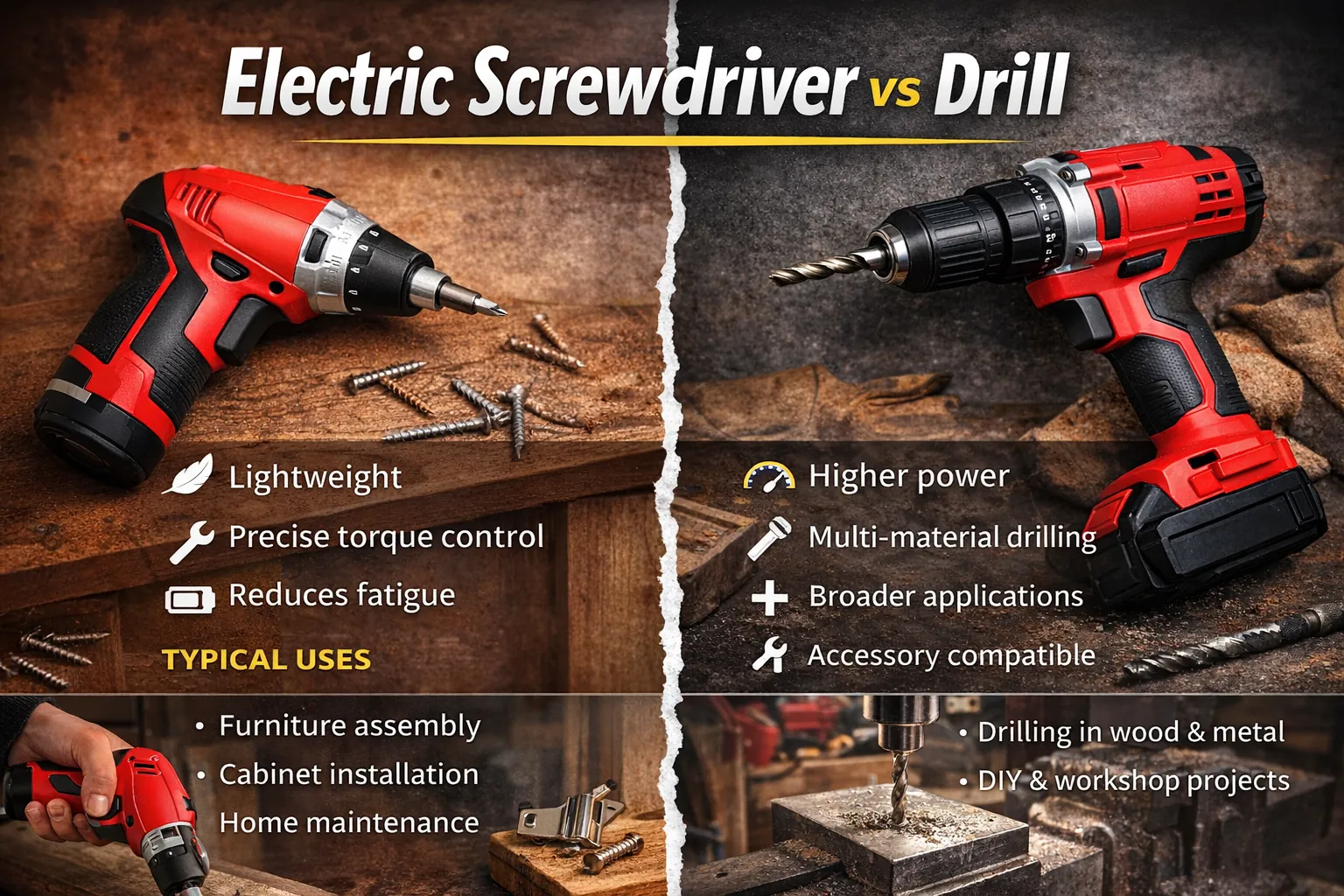
An electric screwdriver is best for light assembly tasks like furniture because it offers better control with small fasteners, while a drill is the right choice for heavy-duty work like driving long screws or boring holes into wood. You choose between an electric screwdriver vs drill: key differences and when to use each based primarily on the torque required for your specific project.
Comparing power and versatility
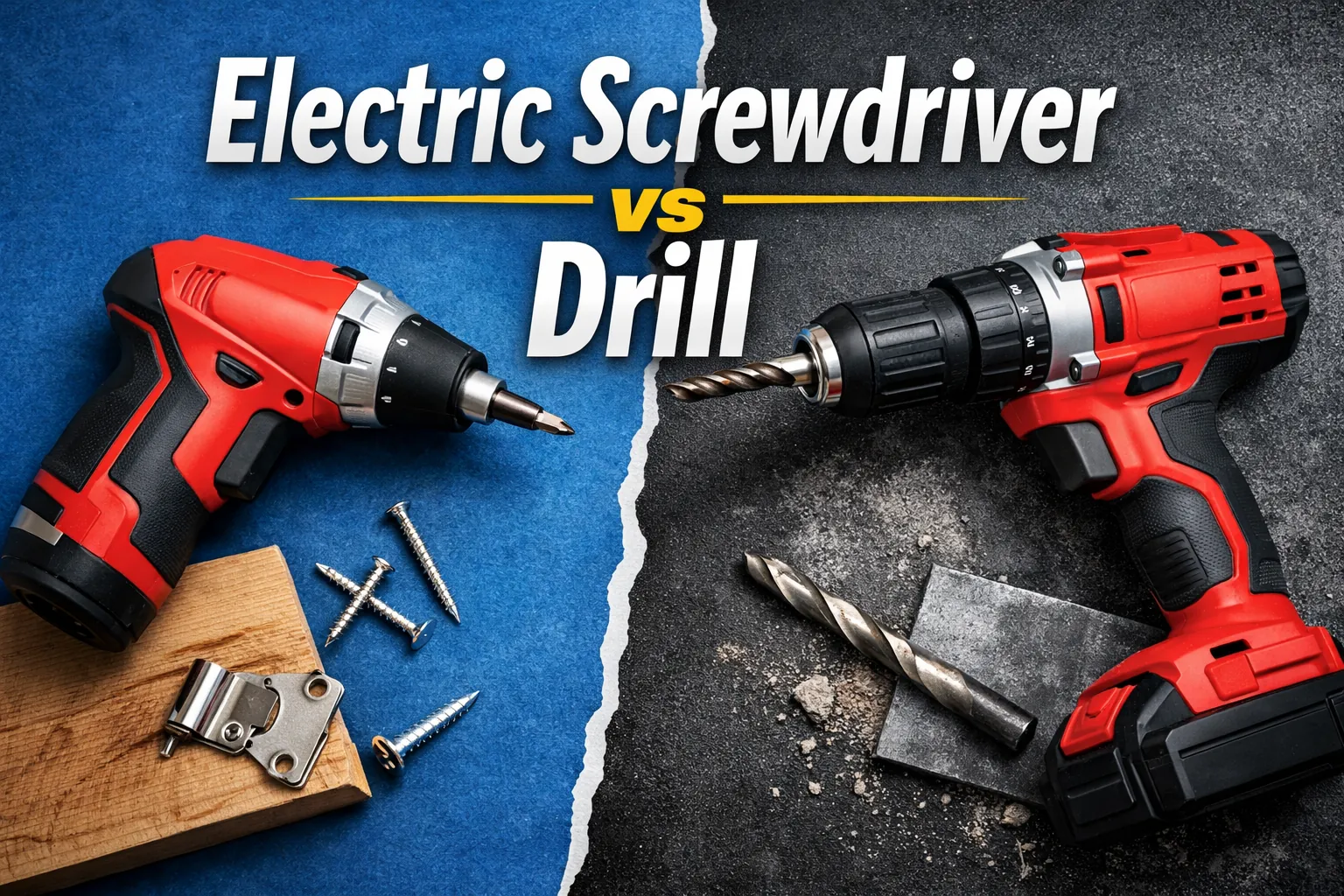
When you decide which tool to use, you must look at the motor power and the clutch settings. A drill is a multi-purpose tool designed for high-speed drilling and high-torque driving, whereas a screwdriver is a specialized, low-speed tool for delicate materials.
| Method | How long | Effort | Cost | Best for |
|---|---|---|---|---|
| Electric Screwdriver | Short | Low | Low | Furniture assembly |
| Cordless Drill | Medium | Medium | Medium | General home repairs |
| Impact Driver | Long | High | High | Heavy construction |
The cost is relative to the internal components; a drill uses a more complex gear system than a basic screwdriver. If your task involves driving into hardwood, use a drill; if you’re working with plastic or thin particle board, a screwdriver prevents damage.
Using an electric screwdriver
This tool is ideal for repetitive tasks that require precision rather than raw power. It’s compact and fits into tight corners where a large drill can’t reach.
- Select the correct bit for your screw head, such as Phillips or Torx.
- Adjust the clutch setting to the lowest number to prevent stripping the screw.
- Align the driver perfectly straight with the screw head.
- Press the trigger gently and let the tool do the work at its fixed, slow speed.
It excels at assembling flat-pack furniture or installing light switch plates. Its main weakness is that it lacks the power to drive screws into thick, dense lumber or deep into wall studs. If you try to force it into tough material, you may burn out the small motor.
Using a cordless drill
A drill offers the versatility needed for home improvement projects that require both drilling pilot holes and driving fasteners. It’s the standard tool for most DIY homeowners.
- Insert the appropriate drill bit or driver bit into the chuck.
- Set the tool to the drill icon for boring holes or the number setting for driving screws.
- Apply steady, firm pressure against the back of the tool.
- Start the motor slowly to create a pilot hole or seat the screw.
Its strength is its high torque, which allows it to drive long screws into framing lumber easily. The trade-off is the weight and size, which makes it tiring to use for long periods on small, delicate projects. If you don’t hold it firmly, the high torque can cause the bit to slip and damage your work surface.
Using an impact driver
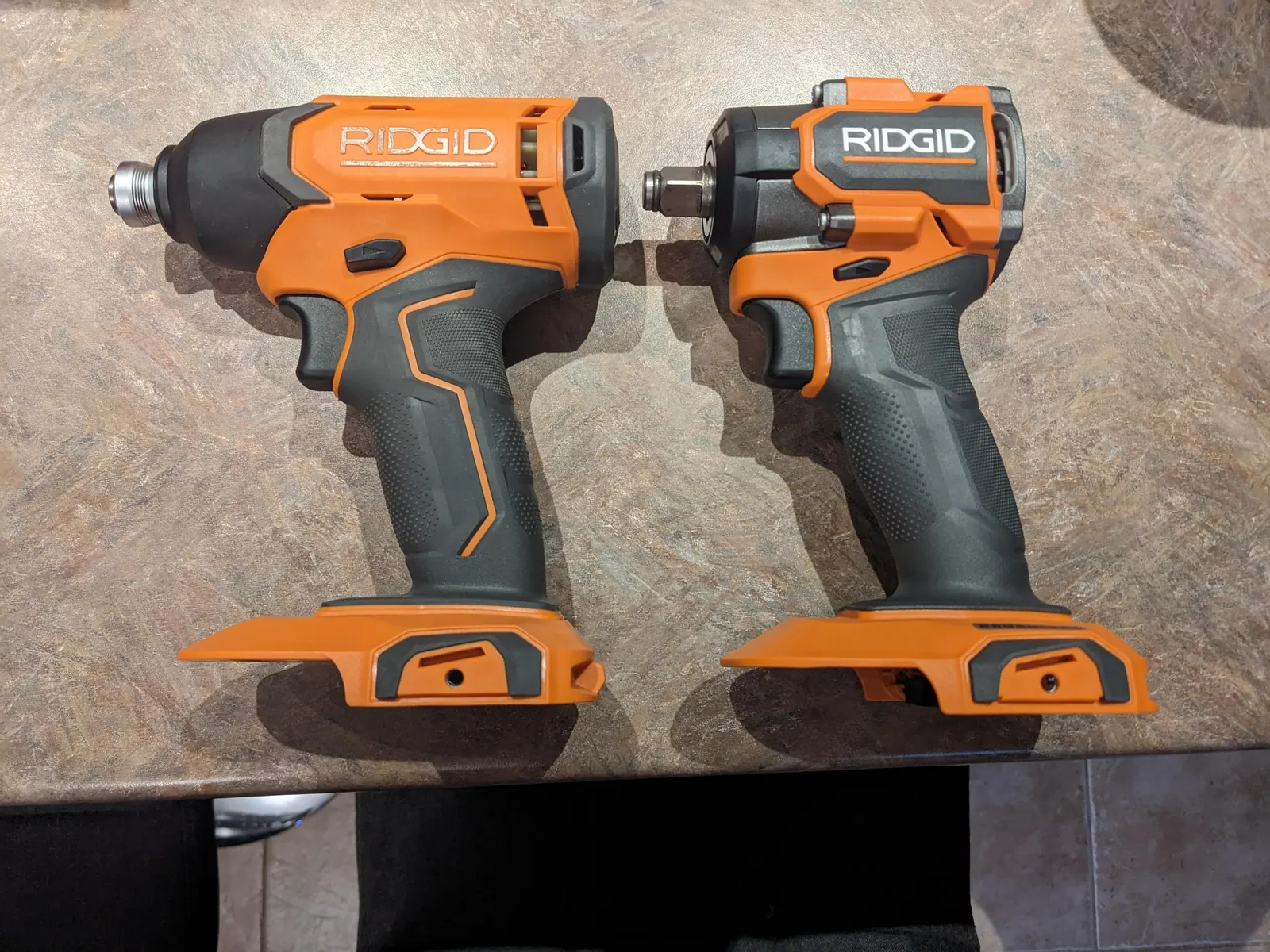
An impact driver is a specialized power tool that uses rotational force to drive fasteners into dense materials. It’s far more powerful than a standard screwdriver or a typical drill.
- Attach a hex-shank driver bit to the quick-release chuck.
- Position the screw and apply heavy forward pressure.
- Engage the trigger fully to allow the internal hammer mechanism to strike the anvil.
- Stop once the screw head is flush with the surface to avoid over-driving.
This tool is perfect for building decks or driving large lag bolts into thick posts. It isn’t for beginners, as the high-impact force can easily snap small screws or crack fragile wood. Always wear proper eye protection, as recommended by the Occupational Safety and Health Administration when operating high-torque power tools.
Choosing the right tool for your task
When you’re in a hurry, use a cordless drill because its speed settings allow you to quickly switch between drilling and driving. If you’re doing this for the first time, a small electric screwdriver is safer because it’s less likely to strip screws or cause injury. If you want the best possible result regardless of time or effort, use an impact driver for long fasteners to ensure they’re fully seated without damaging the bit.
The primary trade-off is between speed and control. A drill gives you speed, but a screwdriver gives you the fine control needed to protect soft materials. If your task involves thick wood, always pick a tool with a variable speed trigger to maintain control during the final turn.
Important safety and maintenance rules
Regardless of the tool you pick, always ensure the battery is fully charged before starting to avoid stalling mid-task. Check that the bit is fully seated in the chuck, as a loose bit can fly out during high-speed rotation. You should also inspect the cord or battery casing for cracks; damaged housing on power tools is a major safety risk.
If you’re working near electrical wiring, use a stud finder to avoid hitting hidden cables inside walls. A common mistake people make is using a drill at full speed for small screws, which ruins the screw head; always start slow.
Frequently asked questions
Can I use a drill as a screwdriver?
Yes, you can use a drill as a screwdriver, but you must use the clutch setting to limit torque. If you leave it on the drill setting, you’ll likely strip the screw head or break the fastener. Always start on the lowest torque setting and increase it until the screw is seated.
How long does a battery charge last?
A battery charge typically lasts for 30 to 60 minutes of continuous heavy use, depending on the battery’s amp-hour rating. For light assembly, a single charge can last for several days of intermittent work. Always check your specific battery manual, as higher-capacity batteries provide longer runtimes under the same load.
Is it safe to use these tools on drywall?
No, you should avoid using standard drills or drivers on drywall unless you have a specialized drywall dimpler attachment. These tools have too much power and will easily crush the paper surface and gypsum core. Use a manual screwdriver for drywall to ensure the screw head doesn’t break the surface.
What happens if I use the wrong bit?
Using the wrong bit will strip the screw head, making it impossible to remove or tighten further. This happens because the bit doesn’t fit the geometry of the screw recess, causing it to cam out. Always match the bit profile exactly to the screw type, such as using a PH2 bit for standard Phillips screws.
How much torque do I need?
You need low torque for soft wood and small fasteners, but high torque for dense materials like oak or metal. Most modern drills have a numbered clutch ring that lets you adjust this; start at the lowest number and increase it until the screw stops turning when it’s flush.
Can I drill through metal?
Yes, you can drill through metal, but you must use high-speed steel or cobalt drill bits and a low-speed setting. High speeds will overheat the bit and dull it instantly. Use a drop of cutting oil to keep the bit cool and improve the finish of the hole.
Conclusion
Proper tool selection saves time and prevents damage to your materials. Always prioritize safety by wearing eye protection and keeping your fingers clear of the rotating chuck. When in doubt, start with a lower speed and torque setting, as you can always increase the power if the screw doesn’t move.