
How Many Amps Do You Need in a Corded Drill for Home Jobs
Determining how many amps your corded drill needs ensures it has sufficient power for most home drilling and driving jobs. A proper motor rating handles wood, drywall, and light metal without straining.
What amps mean in a corded drill
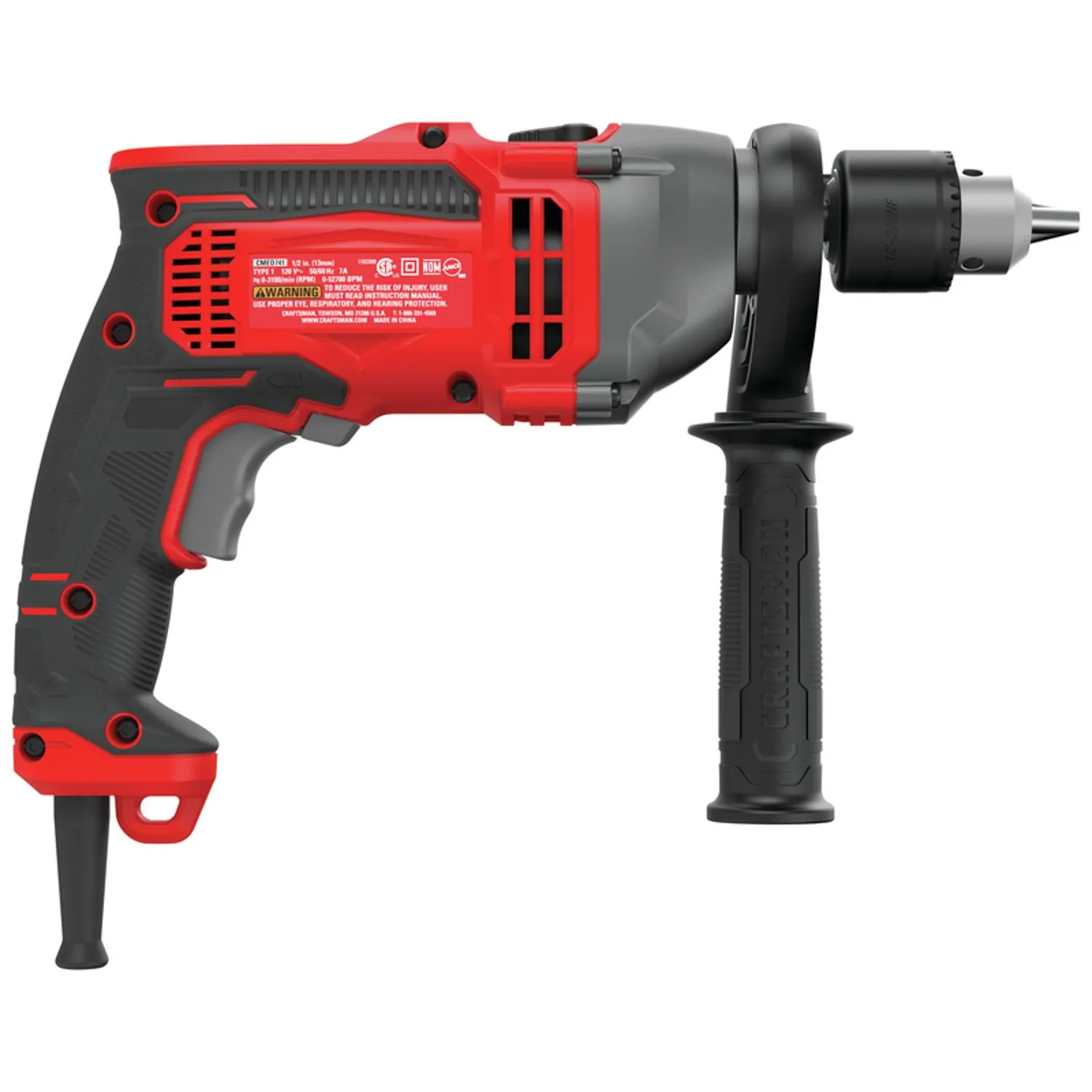
Amps measure how much electrical current the drill pulls from the wall. A higher rating indicates a motor capable of sustaining torque under load without burning out its internal windings.
For everyday home use, choose a drill with a power rating suitable for your tasks. Drills with lower ratings often stall when driving fasteners into hardwood or boring through thick material.
If you feel the drill slow down or hear the motor whine under pressure, you have exceeded the tool’s capacity and should reduce the feed rate or use a more appropriate bit. Pushing an undersized motor through dense oak or metal will eventually strip the gears or fry the armature.
Eight-amp models provide the muscle for masonry or spade bits, but they add bulk that tires your wrist during simple tasks like hanging shelves. If you only drill into drywall or soft pine, the extra weight is a liability that hampers your precision.
Apply this rule: if you work primarily with softwoods or light fasteners, stick to a standard power range to keep the tool maneuverable. If your projects involve drilling into masonry, steel, or pressure-treated lumber, ensure your drill’s power rating is sufficient for the task.
The most common mistake is buying for the hardest task you might do once a year rather than the work you do every weekend. You pay for that excess weight every time you lift the drill, regardless of whether you actually need the power.
How many amps for common jobs
| Job | Amps needed | Why |
|---|---|---|
| Hanging pictures and shelves | 4-6 amps | Softwood and drywall need little torque |
| Drilling into studs and joists | 6-7 amps | Hardwood demands more sustained power |
| Light metal and plastic | 6 amps | Steady current prevents motor strain |
| Masonry and concrete | 7-10 amps | Hard material needs high torque |
| Steel and thick stock | 8-10 amps | Low amps cause overheating and slow progress |
For standard drywall or soft pine, a 4-amp drill is sufficient. If you use a tool with higher amperage, you risk stripping the screw head or blowing through the material entirely. Keep your speed low to maintain control.
When drilling into structural studs or hardwood, move to a 6-amp motor. If the bit binds, don’t force it. Back the drill out, clear the wood chips, and re-engage. Forcing a low-amp drill through thick oak will burn out the motor windings within minutes.
Drilling into concrete requires a hammer drill with professional-grade power. If you use a standard drill, you’ll overheat the bit and glaze the masonry. You’ll know you’re pushing too hard if the drill housing feels hot to the touch; if this occurs, have a technician inspect the tool.
Steel demands the full 10-amp capacity. Use a slow, consistent feed rate to prevent work hardening, where the metal becomes too hard to drill. If you see smoke, you’re moving too fast or your bit is dull.
If you’re unsure of the material density, start with a standard drill. If the drill struggles to maintain a constant rotation speed under load, use a drill with a higher amperage rating. Using an undersized drill for heavy steel will cost you the price of the tool in ruined bits and wasted time.
How to pick the right drill
List the materials you’ll drill most often. Wood and drywall need less power than masonry or steel.
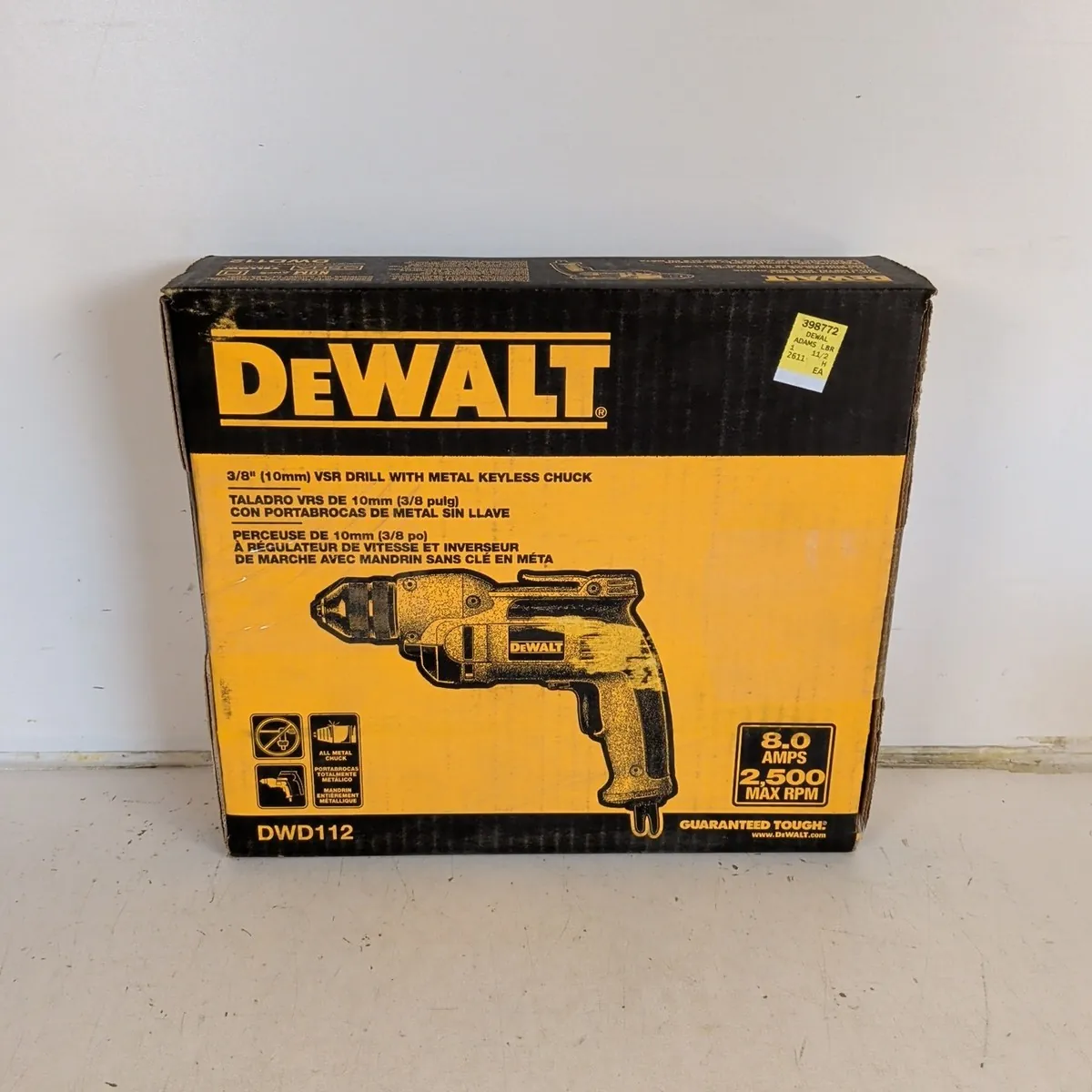
Check the power rating on the drill’s nameplate or in its specifications before buying. If you stick to a moderate rating, you gain a lightweight tool perfect for general home repair and furniture assembly;
Choose a higher-rated drill if you regularly drill concrete, brick, or thick metal. This extra power prevents the motor from stalling under heavy torque. Beginners often make the mistake of buying the highest-rated drill available, which adds unnecessary wrist fatigue and bulk for basic tasks; consult a technician for the right balance.
Hold the drill in the store to check the weight; higher amps usually mean a heavier tool. If you feel the weight straining your forearm within ten seconds, choose a lower-amp model.
Test the trigger speed control so you can start holes without the bit walking. If the trigger feels stiff or jumps immediately to high speed, you’ll struggle to sink screws cleanly. Look for a model that offers a smooth, gradual ramp-up in speed.
Mistakes that ruin the job
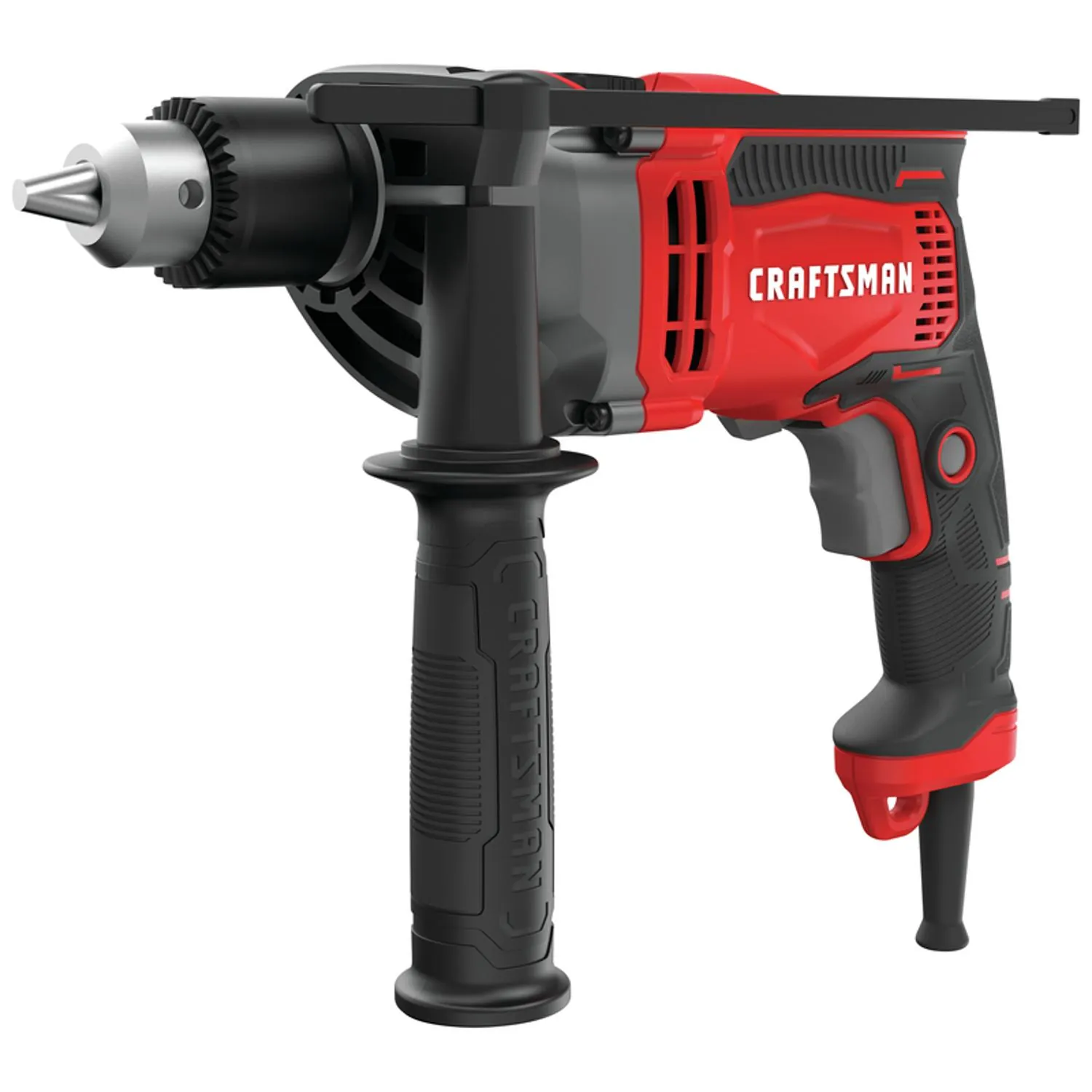
Buying an eight-amp drill for occasional picture hanging means carrying extra weight for no benefit. You’re paying for torque you’ll never engage, effectively turning a simple task into a workout.
Choosing a three-amp drill for dense hardwood causes the motor to stall and burn out. If you feel the drill body vibrating or hear a high-pitched whine, stop immediately; you’re pushing the internal components beyond their thermal capacity.
Using the wrong bit for the material wastes battery life and overheats the motor. A dull bit requires twice the pressure to penetrate, which forces the motor to draw excess current. If you can’t make a clean hole in three seconds, swap the bit before the drill casing gets hot to the touch.
Drilling at full speed into masonry without a hammer action cracks the bit and strains the drill. If you’re working with concrete or brick, toggle the hammer setting and keep the speed low to prevent the bit from walking or shattering.
Ignoring the power rating and buying by price alone often leaves you underpowered for the task. For home renovation, look for a minimum rating to handle both drywall and framing lumber. If you’re building decks or drilling into steel, you need a higher rating to maintain consistent speed without stalling; consult a technician for specific requirements.
Frequently asked questions
Can I use a lower-amp drill for occasional heavy drilling?
You can, but only for short bursts. A low-rated drill drilling masonry risks overheating because the motor lacks sustained torque. Let the tool cool every few minutes, or ask a technician to upgrade you to a more powerful tool if the job happens regularly.
How long can a corded drill run before it needs a break?
There’s no universal time limit; it depends on the motor rating and the load. Check the drill’s manual for its duty cycle, which tells you how many minutes of use require a rest period.
Is it safe to run a high-amp drill on a standard outlet?
Yes, most corded drills draw within the capacity of a normal fifteen-amp household circuit. Don’t share the outlet with another high-draw appliance, or the breaker may trip.
What happens if I use an extension cord that’s too thin?
The drill receives less voltage, so the motor runs hotter and loses power. Use a cord rated for the drill’s amps, and keep it as short as the job allows.
Does a higher amp rating mean more speed?
No. Amps measure current draw and motor strength, not revolutions per minute. Speed comes from the trigger and the drill’s gearing, so check the rpm rating separately if speed matters.
Why does my drill smell hot after a few minutes?
You’re likely asking more torque than the amp rating can deliver, or the vents are blocked by dust. Stop drilling, let the motor cool, and clear the vents before continuing.
Is a corded drill better than cordless for high-amp work?
Corded drills deliver steady power without battery drain, making them better for long sessions in masonry or steel. Cordless models offer mobility but lose torque as the battery drains.
Conclusion
A standard rating handles most home tasks, while a higher rating suits masonry and steel. Match the drill to the material, check the nameplate before buying, and if you’re unsure about power requirements, have a technician perform the work.
One Comment