Electric Screwdriver Battery Life: Runtime, Charging, and Care
Most electric screwdrivers provide enough power for 30 to 60 minutes of continuous driving, though the actual electric screwdriver battery life: runtime, charging, and care depends on the battery capacity and the resistance of the material.
Battery performance by usage type
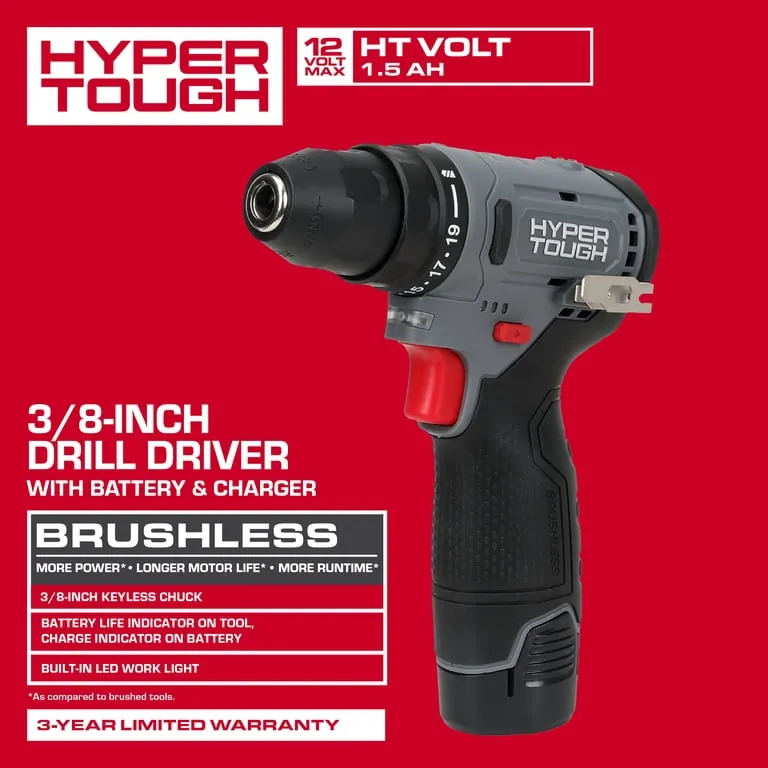
The duration you get from a single charge varies based on how hard the motor works. High-torque tasks, like driving large screws into hardwood, drain the energy much faster than light assembly work.
Consequences of skipping maintenance
Ignoring the health of your power tool battery leads to a predictable decline in performance. Initially, you’ll notice that the tool feels less powerful when you pull the trigger. You might think the battery is just low, but the internal cells are actually struggling to hold a charge.
If you continue to use the tool until it’s completely dead before charging it, you risk deep-discharging the cells. This is a common mistake that permanently reduces the total energy the battery can store over its lifetime.
After several months of neglect, the battery may refuse to hold a charge for more than a few minutes. At this stage, the chemical process inside the cells has become unstable. The Department of Energy notes that lithium-ion batteries shouldn’t be left in a fully depleted state for long periods, as this can lead to internal short circuits.
If you wait until the tool is completely unresponsive, you’ll eventually face a total failure where no amount of time on the charger will bring it back to life. Replacing the battery pack often costs nearly as much as buying a brand-new driver, making proper care essential for long-term savings.
Signs your battery is failing
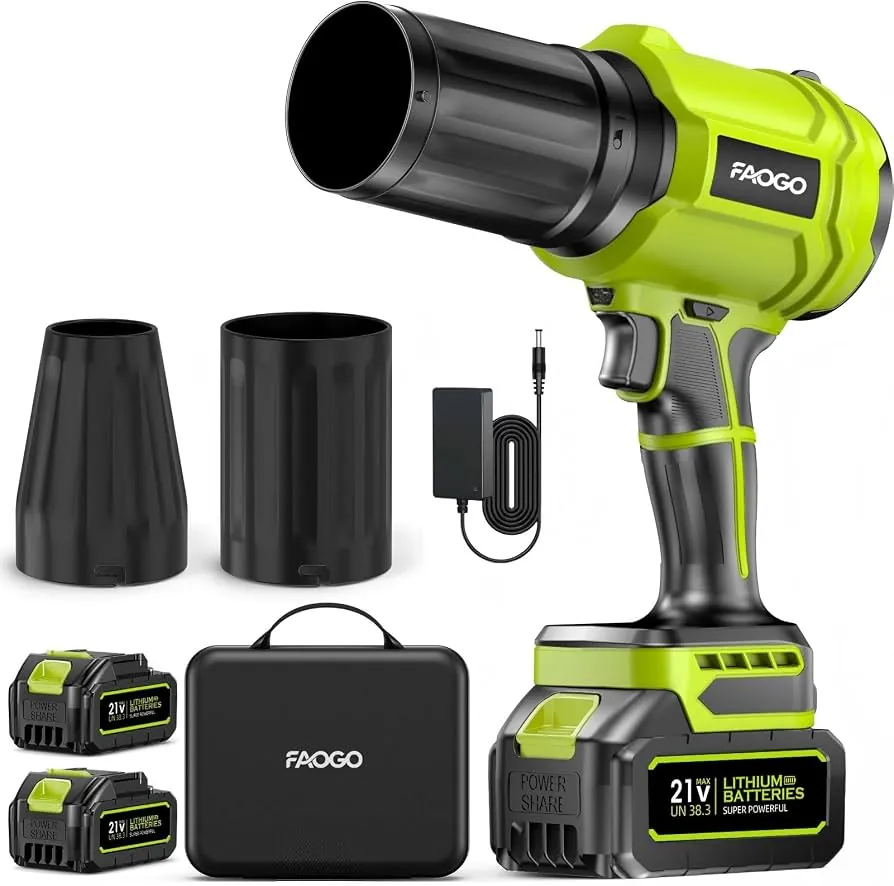
- Short runtime: The tool stops working after only a few minutes of light use, meaning the cells can no longer hold a full charge.
- Slow charging: The charger light turns green quickly, but the tool dies almost immediately, indicating the capacity has shrunk significantly.
- Excessive heat: The battery pack feels hot to the touch during use, which suggests internal resistance is building up.
- Physical swelling: The plastic casing of the battery pack looks slightly bowed or warped, a sign of dangerous chemical degradation.
- Voltage drop: The motor speed fluctuates noticeably while driving a single screw, showing the battery can’t provide steady power.
- Failure to start: The tool doesn’t turn on even after being on the charger overnight, confirming the cells have expired.
Effort required for battery care
Maintaining your battery requires very little time but consistent habits. You should plan to spend about 30 seconds after each project to check the charge level and store the tool in a cool, dry place. If you aren’t using the driver for a long time, take one minute to charge it to about 50% before putting it away in your toolbox.
The cost of this care is zero, yet it saves you from the frustration of a dead tool during a project. If you’re unsure about the specific charge state of your model, check the indicator lights on the tool or the charger base.
Most modern chargers have a status light that changes color once the cycle is complete. Avoid leaving the tool on the charger for days at a time, as this can stress the battery chemistry. Simple, proactive steps ensure your tool is always ready to perform.
Habits to extend electric screwdriver battery life and runtime
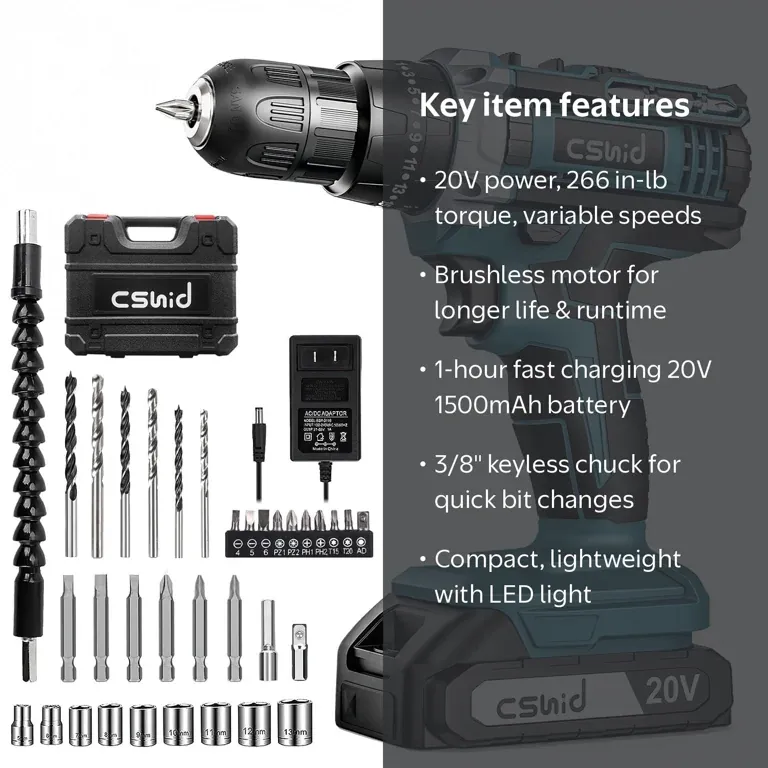
Stop using the tool the moment the motor speed dips. Running a battery until it’s completely dead causes internal cell damage that drastically lowers its total capacity over time.
Keep your batteries in a climate-controlled space between 50 and 70 degrees Fahrenheit. If you store them in a hot garage or a freezing shed, the internal chemistry degrades, leading to permanent power loss.
Always use the manufacturer-provided charger. Third-party chargers often lack the sophisticated sensors required to cut off power once the battery reaches capacity, which leads to overheating and potential fire hazards.
Rotate your tool inventory so no battery sits idle for more than three months. If you have a pack that remains unused for a full season, charge it to about 50 percent before storage. This prevents the deep discharge that occurs when a battery sits empty, which is the leading cause of premature failure.
Related guides
- Electric Screwdriver vs Drill: Key Differences and When to Use Each
- Why Does My Cordless Drill Battery Die So Fast: Causes and Fixes
- The Best Electric Brad Nailer for Woodworking: An Expert’s Complete 2025 Guide
Frequently asked questions
How long does a charge last on average?
Most cordless drivers last 30 to 60 minutes of continuous use, assuming you’re driving medium-sized screws into soft wood. If you’re working with dense materials or very long fasteners, expect that time to drop significantly because the motor draws more current to complete the task.
Is it safe to leave the tool on the charger?
Check your manual for manufacturer guidance, as most modern smart-chargers automatically terminate the charging cycle once the battery is full. Check your specific manual for the manufacturer’s recommendations, as some modern smart-chargers have an auto-shutoff feature that makes long-term storage safer.
Why does my battery die faster in winter?
Cold temperatures slow down the chemical reactions inside the battery, which reduces the total available power. If you’re working in a garage or outside during winter, bring your batteries inside to warm up to room temperature before you start your work for the day.
Can I use a faster third-party charger?
Using a non-certified charger can damage the battery cells or create a fire risk due to incompatible voltage regulation. Always use the charger provided in the box by the manufacturer, or a replacement that’s officially listed as compatible for your specific model number.
What happens if I store it fully dead?
Storing a battery at zero charge for more than a few weeks can trigger a “sleep mode” or total failure of the internal protection circuit. If the battery voltage drops below a certain threshold, the charger may refuse to recognize the pack, rendering it useless for standard operations.
How do I know if the battery is fully charged?
Most chargers indicate a full charge when the status light changes from blinking red to a solid green or blue light. If your charger doesn’t have a light, check the user manual for the recommended charging time, which is typically between two and five hours for most standard consumer models.
Conclusion
Check the label on your battery pack to identify whether it’s a lithium-ion or nickel-cadmium type, as this determines the correct charging method. If you notice the battery getting unusually hot during use, stop immediately and let it cool down to prevent permanent damage. If the battery shows physical swelling or leaks fluid, stop using it and take it to a local recycling center.