1/4-Inch vs. 1/2-Inch Router Bits: What Plunge Router Owners Should Know
When you’re setting up your shop for fine furniture making or basic cabinetry, choosing between 1/4-inch vs. 1/2-inch router bits: what plunge router owners should know is a decision that dictates both your safety and your finish quality. While plunge routers are versatile tools, the shank size of your bit determines how much vibration you experience, the depth of cut you can safely take, and the overall longevity of your equipment. A 1/4-inch bit typically costs between $8.00 and $25.00, while a 1/2-inch bit ranges from $15.00 to $65.00 depending on the carbide grade and profile complexity. Understanding these mechanical differences will help you avoid chatter, prevent bit breakage, and achieve the clean, professional results you expect from your investment.
Key Takeaways
- Use 1/2-inch shank bits for heavy stock removal or deep profiles to maximize structural rigidity and reduce chatter.
- Reserve 1/4-inch shank bits for light-duty tasks like edge rounding, decorative beading, or small sign-making projects.
- Always ensure your plunge router collet is clean and debris-free before inserting any bit to maintain a secure grip.
- Verify that your router’s collet matches the shank size of the bit; never use homemade adapters or makeshift spacers.
- Prioritize 1/2-inch bits when working with hardwoods like hard maple or oak to prevent the bit from snapping under lateral pressure.
Understanding The Shank Size Difference
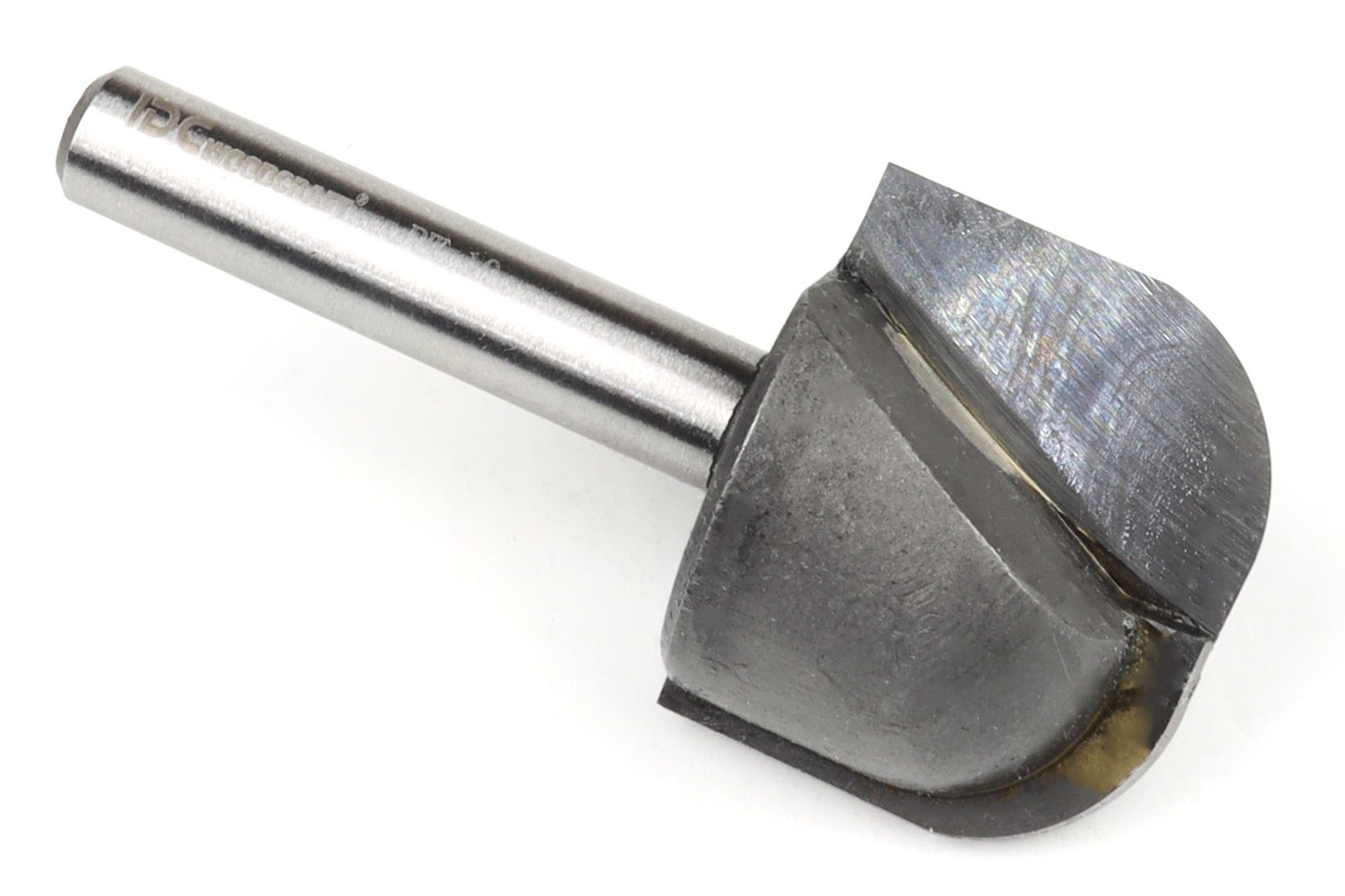
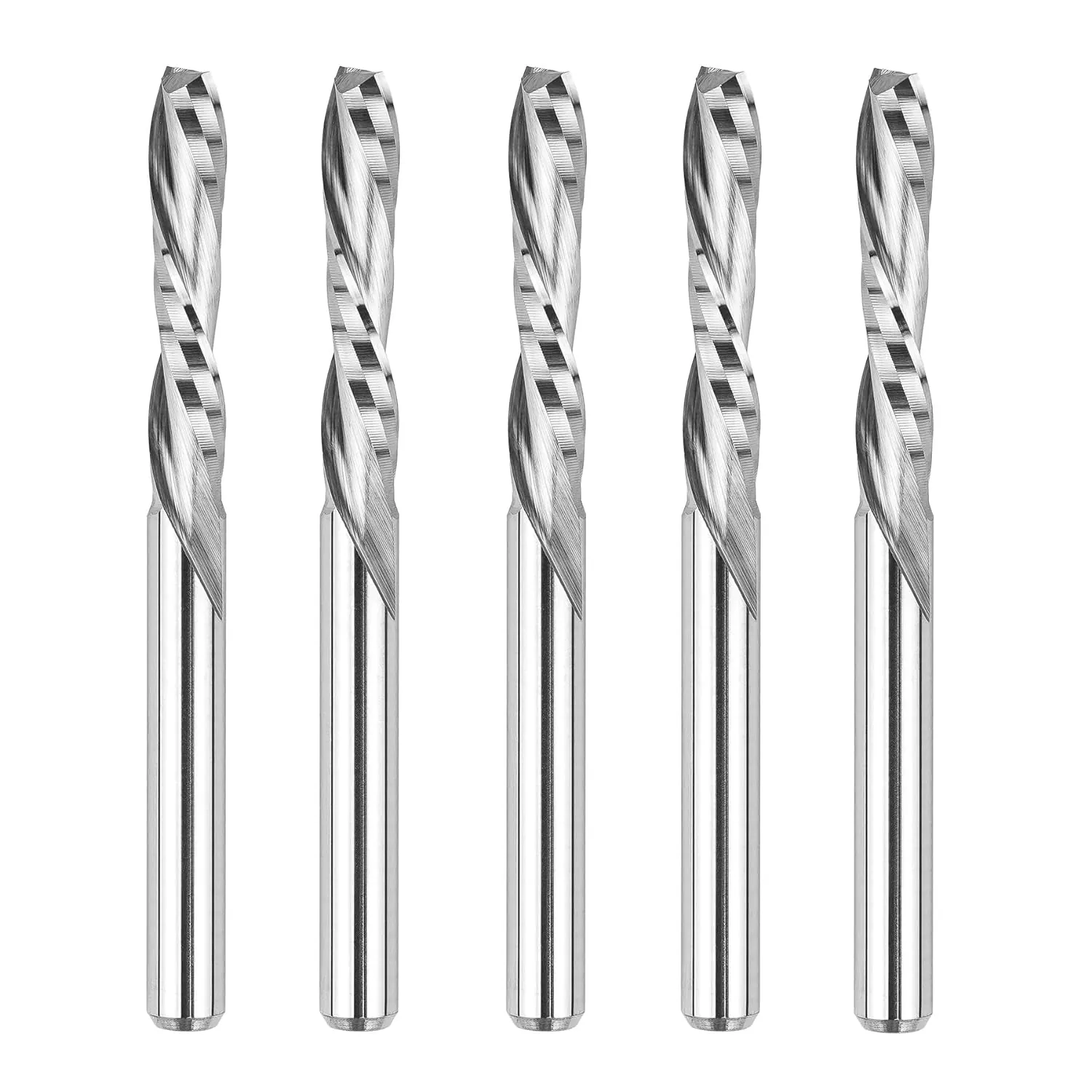
The primary distinction between these two sizes is the diameter of the steel shaft that fits into the router collet. A 1/2-inch shank has significantly more surface area in contact with the collet, which translates to better energy transfer and less movement during high-speed rotation. Because a 1/2-inch shank is much stiffer, it resists the bending forces that occur when a cutter engages dense grain.
A 1/4-inch shank, while perfectly adequate for small tasks, is more prone to deflection. This deflection manifests as chatter marks on your wood surface, which require extra sanding and cleanup time. By choosing the larger shank whenever possible, you’re essentially increasing the mechanical advantage of your machine.
When To Choose 1/4-Inch Bits
You should reach for a 1/4-inch bit when the profile of the cut is small or the material removal is minimal. These bits are ideal for tasks where the router is light and you need to maintain high visibility and maneuverability. Because they’re smaller, they can accommodate intricate patterns that would be physically impossible with a larger, bulkier 1/2-inch bit.
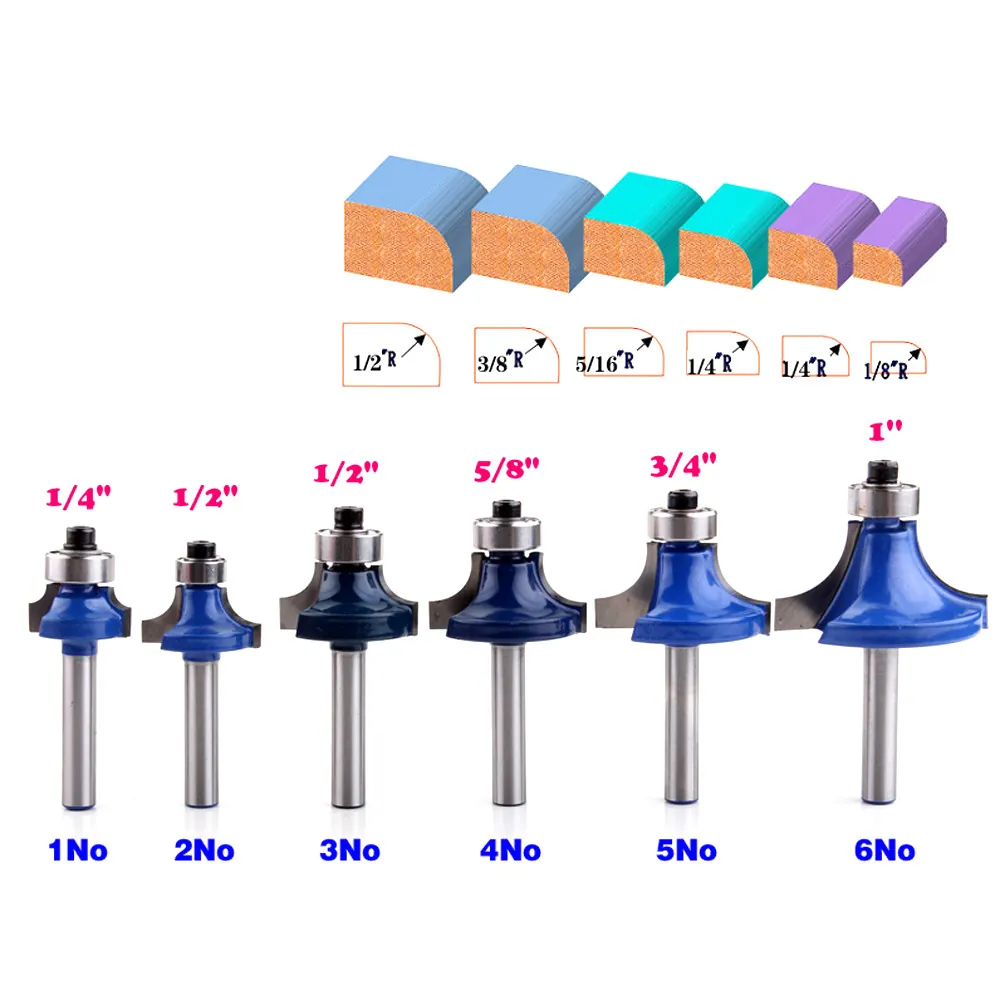
- Small edge profiles: Round-overs, chamfers, and ogee bits under 1/2 inch.
- Sign lettering: Delicate font work where small radii are required.
- Inlay work: Using small diameter bits to clean out thin channels.
- Light trim work: Trimming laminate or veneer edges.
Pro Tip: If you’re unsure which bit size to select for a specific task, always default to the 1/2-inch shank if your router collet accepts it, as this configuration offers superior stability and lower risk of vibration-induced fatigue.
Why 1/2-Inch Bits Are Superior
The 1/2-inch bit is the industry standard for professional cabinet shops and serious hobbyists. The added mass of the shank acts as a heat sink, drawing heat away from the cutting edges and allowing the carbide tips to stay sharper for longer periods.
Furthermore, the Occupational Safety and Health Administration guidelines emphasize the importance of using tools within their intended design parameters, and 1/2-inch bits are engineered to handle the torque generated by modern, high-horsepower plunge routers without failing. When you use a 1/2-inch shank, you’re effectively reducing the risk of a “snap,” which can occur when a thinner bit is subjected to the high-torque environment of a professional-grade motor.
| Feature | 1/4-Inch Shank | 1/2-Inch Shank |
|---|---|---|
| Vibration | Higher | Lower |
| Durability | Moderate | High |
| Cost Range | $8 – $25 | $15 – $65 |
| Best Use | Light detail | Heavy stock removal |
| Flexibility | High (small bits) | Low (large bits) |
Managing Router Collet Compatibility
Your plunge router is only as good as the collet that holds the bit. Most modern routers, such as those from Bosch, DeWalt, or Makita, come with interchangeable collets or collet reducers. A collet reducer is a sleeve that slides inside a 1/2-inch collet to allow for the use of 1/4-inch bits. While convenient, these sleeves can sometimes introduce slight alignment errors.
If you notice your bit is wobbling, the first thing to check is the collet itself. Over time, collets accumulate resin and dust, which prevents them from closing evenly around the shank. Clean your collet regularly with a brass brush and mineral spirits to ensure it provides a uniform clamping force across the entire circumference of the bit shank.
Addressing Vibration And Chatter
Vibration is the enemy of a smooth finish. If your router is vibrating excessively, it’s likely due to a bit that’s too small for the depth of cut you’re attempting. When a 1/4-inch bit is pushed too hard, it flexes, which causes it to enter and exit the wood grain inconsistently. This results in the “waves” or “chatter” that you see on the finished edge.
Switching to a 1/2-inch bit of the same profile often solves this problem instantly because the increased rigidity of the shank prevents that lateral oscillation. If you must use a 1/4-inch bit, take multiple shallow passes rather than trying to achieve the full profile depth in one go.
Safety Protocols For Router Use
Safety isn’t just about wearing eye protection; it’s about managing the mechanical forces of the machine. A 1/2-inch bit has more mass, which means it carries more kinetic energy. If a bit breaks, it can be a serious projectile. Always inspect your bits for hairline fractures in the carbide or the shank before every use.
Never extend the bit further than necessary from the collet; the “stick-out” should be kept to the minimum length required to reach your desired depth. Excessive stick-out increases the leverage on the shank, which can lead to vibration or, in extreme cases, the bit snapping off at the collet line.
Comparing Bit Shank Costs
The price disparity between these two options is driven by the amount of high-grade steel and the volume of carbide required for production. A 1/2-inch bit is essentially a more robust tool, often featuring larger carbide teeth that can be resharpened several times.
| Bit Type | Typical Low Price | Typical High Price |
|---|---|---|
| 1/4″ Straight Bit | $8.00 | $18.00 |
| 1/4″ Profile Bit | $12.00 | $25.00 |
| 1/2″ Straight Bit | $15.00 | $35.00 |
| 1/2″ Profile Bit | $25.00 | $65.00 |
Preventing Common Routing Mistakes
One of the most common errors is using a 1/4-inch bit for deep mortising or heavy stock removal. Because the shank is thin, it can snap under the immense lateral pressure of a heavy feed rate. Another common mistake is failing to tighten the collet nut properly.
Most users worry about over-tightening, but under-tightening is a more frequent cause of bit slipping or vibration. Use the wrenches provided by the manufacturer and apply firm, steady pressure. Warning: Never use pliers or improvised tools to tighten a collet nut, as this can damage the nut and lead to a failure of the clamping mechanism during operation.
Choosing The Right Shank For Material
Different woods require different approaches. When working with softwoods like pine, you might get away with a 1/4-inch bit for a wider variety of tasks because the material offers less resistance. However, when you transition to hardwoods like white oak, walnut, or hickory, the resistance increases exponentially.
In these cases, the 1/2-inch shank is mandatory to maintain control. If you try to use a 1/4-inch bit on a dense hardwood, you’ll likely experience burning as the bit struggles to clear the chips, leading to a scorched surface that requires significant sanding to repair.
Troubleshooting Your Router Setup
If you find that your router is consistently producing poor results, follow this checklist to isolate the issue. First, check if the bit shank is clean of any pitch or resin buildup, which can cause it to seat incorrectly in the collet. Second, verify that the bit isn’t bottomed out in the collet; you should pull it out about 1/8 inch before tightening to ensure the collet grips the shank rather than the bottom of the bit.
Third, consider your feed rate. If you’re moving the router too slowly, you’re causing friction and heat, which ruins the bit’s edge. If you’re moving too fast, you’re forcing the bit to take a bite that’s too large, leading to tear-out and potential bit deflection.
Maintenance Of Router Bits
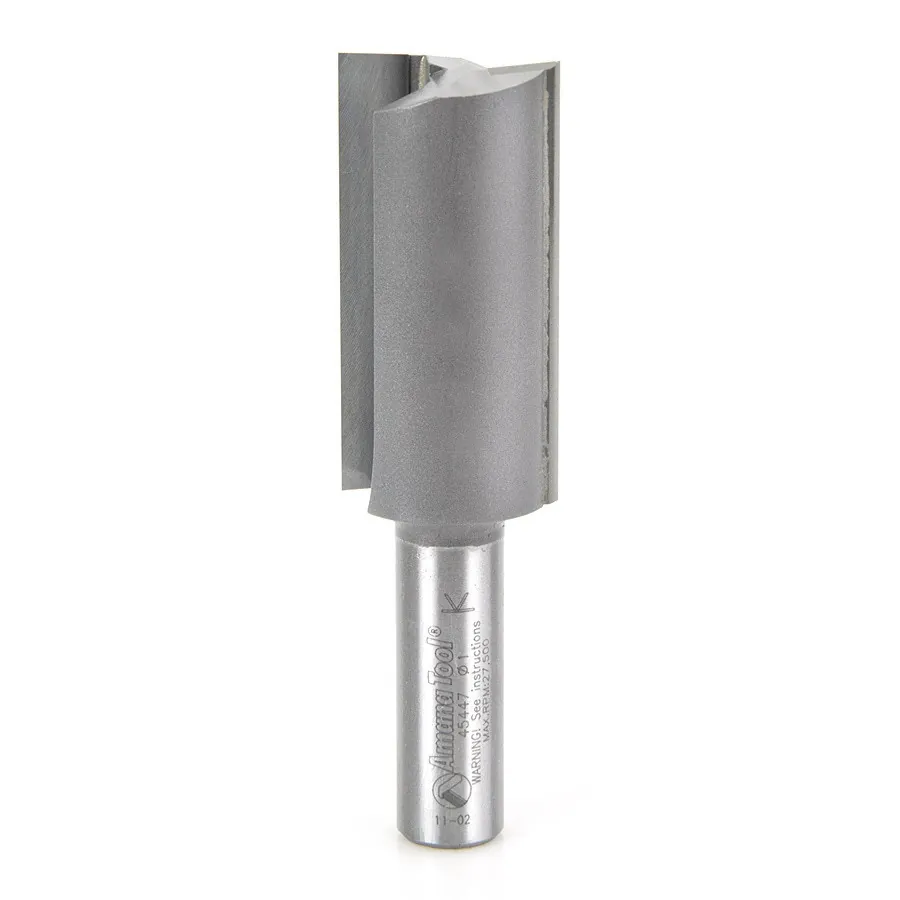
To extend the life of your investment, keep your bits clean. Resin from woods like pine or cherry can bake onto the cutting edge, effectively dulling the sharpness. Use a dedicated router bit cleaner or a mixture of laundry detergent and water to remove these deposits. Once the bit is clean and dry, inspect the carbide for chips.
If you see a small chip in the carbide, the bit is compromised and should be replaced or sent to a professional sharpening service. Never attempt to sharpen a bit with a handheld file, as this will destroy the precise geometry of the cutting edge and create a safety hazard.
Frequently Asked Questions
Can I use a 1/4-inch bit in a 1/2-inch collet?
No, you can’t safely use a 1/4-inch bit directly in a 1/2-inch collet. Doing so will result in a loose fit, causing the bit to vibrate, slip, or fly out of the router during operation. You must use a manufacturer-approved collet reducer sleeve designed specifically for your router model to bridge the gap between these two sizes safely.
Why do my 1/4-inch bits snap?
Bits often snap because of excessive lateral pressure or “stick-out.” If the bit is extended too far from the collet, the leverage increases, putting stress on the thin 1/4-inch shank. Furthermore, trying to remove too much material in a single pass forces the bit to bend, which leads to metal fatigue and eventual breakage. Always take smaller, incremental passes when using smaller shanks.
Is a 1/2-inch bit always better?
A 1/2-inch bit is generally superior for stability and durability, but it isn’t always the best choice. Some intricate profiles or small-scale decorative work are only available in 1/4-inch shank sizes. Additionally, 1/4-inch bits are lighter and easier to handle for handheld routing tasks where precision and maneuverability are more important than heavy stock removal.
How do I clean my router collet?
To clean your collet, remove it from the router and wipe it down with a soft cloth soaked in mineral spirits or a dedicated citrus-based cleaner. Use a small brass brush to remove any hardened resin or dust from the internal slots. Ensure the collet is completely dry before reassembling it. A clean collet ensures a tight, even grip on your bit shank.
Does a 1/2-inch bit cut faster?
A 1/2-inch bit doesn’t necessarily cut faster in terms of speed, but it allows for faster feed rates because it’s more rigid. Because it resists vibration and deflection, you can move the router across the wood more confidently without worrying about chatter marks. This efficiency makes it the preferred choice for long, straight cuts or deep profiles where high-quality results are expected.
Conclusion
Start by checking your current router’s manual to confirm the collet sizes it supports, then organize your existing bit collection by shank diameter. If you find yourself frequently using 1/4-inch bits for heavy tasks, plan to replace your most-used profiles with 1/2-inch versions. Upgrading your core set will immediately improve the surface finish of your projects and increase your overall confidence during operation.