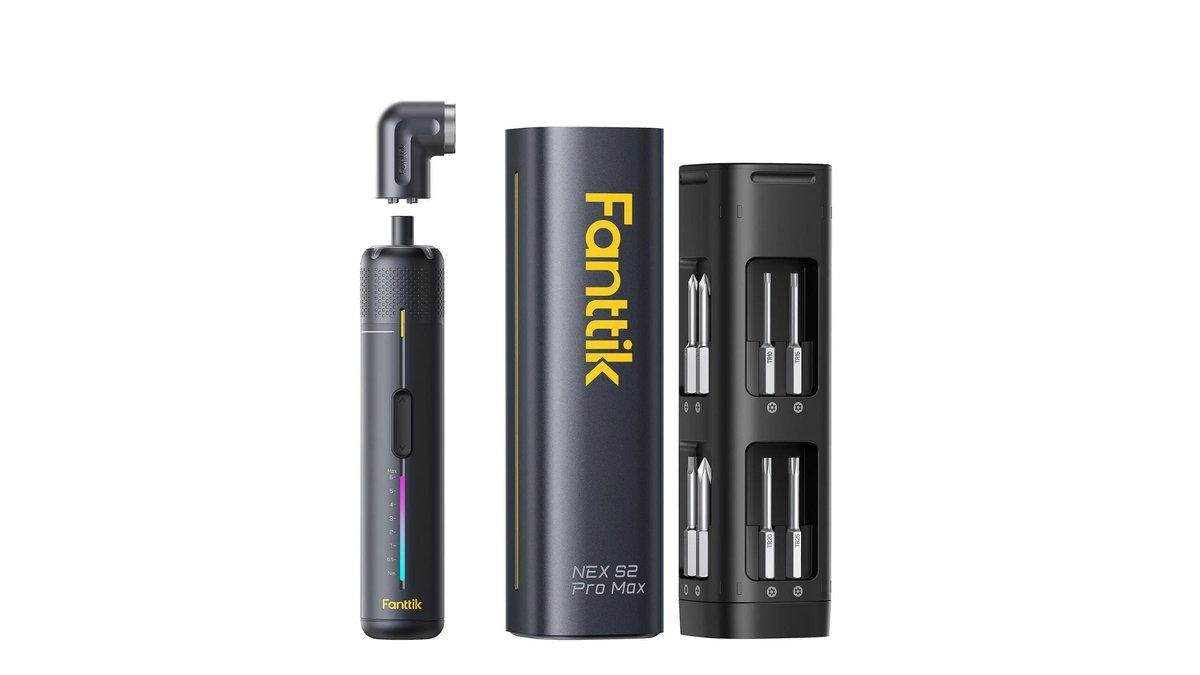
How to Choose an Electric Screwdriver: Features That Actually Matter
Prioritizing torque settings and battery voltage is the best way to choose an electric screwdriver, as these features actually matter for your home projects.
Essential features to look for when choosing an electric screwdriver
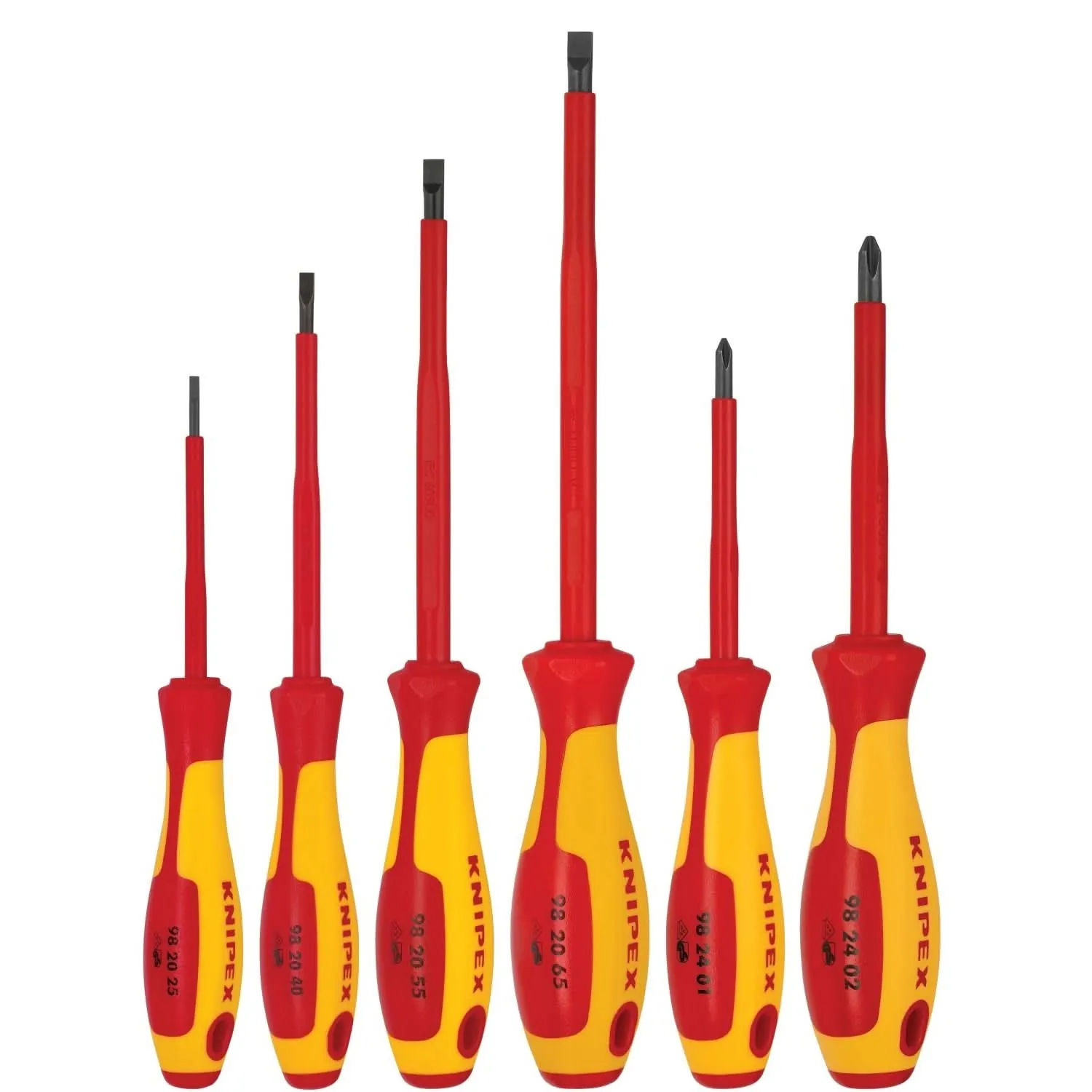
An electric screwdriver is a compact, low-torque tool designed for driving screws into pre-drilled holes or soft materials. It differs from a drill-driver because it lacks a chuck for drill bits and usually has a lower speed range. People often assume that higher voltage always means a better tool, but this is a mistake.
High voltage adds weight and size, which can make the tool harder to control for delicate tasks like electronics or small hinges. If you’re working on small parts, a 4V tool is sufficient; if you need to drive long screws into construction lumber, you should look for a 12V model.
Steps to select your tool
- Check the torque settings. Look for a model with an adjustable clutch, which allows you to set the torque to prevent stripping screw heads.
- Choose your battery type. Lithium-ion batteries are standard because they hold a charge for months, unlike older nickel-cadmium versions which lose power quickly.
- Assess the grip. You should hold the tool to ensure it feels balanced and comfortable in your hand without straining your wrist.
- Verify the speed controls. A variable speed trigger allows you to start slowly so the bit doesn’t slip off the screw head.
- Look for integrated lighting. An LED light positioned near the bit is vital for seeing into dark corners or cabinets.
- Test the forward and reverse switch. It must be easy to reach with your thumb or index finger while maintaining your grip.
The key difference between a successful project and a ruined one is the clutch setting. If you set the torque too high, you’ll snap the screw or damage the material; if it’s too low, the tool will click and stop before the screw is flush. Always start on the lowest setting and increase the torque until the screw sits perfectly.
Key numbers and settings at a glance
| Situation | What to use | How long | What to watch for |
|---|---|---|---|
| Electronics repair | 4V micro driver | Low torque limit | |
| Furniture assembly | 8V–12V driver | Clutch sensitivity | |
| General home use | 12V compact | Battery charge level | |
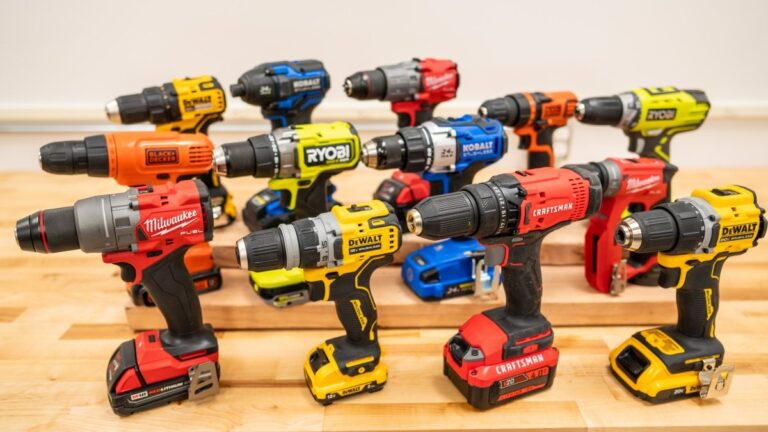
| Heavy wood work | 18V drill-driver | Overheating motor |
Getting the best results
Experienced users know that the bit quality is just as important as the tool itself. Using a cheap, soft metal bit will lead to stripped screws regardless of how expensive your screwdriver is. Always match the bit shape exactly to the screw head, such as Phillips or Torx, to ensure a tight fit.
Before you start, check that your battery is fully charged. Beginners often try to finish the job while the battery is dying, which causes the tool to lose torque and slip. If you feel the tool struggling or the motor sound changes, stop immediately to avoid burning out the internal components.
Common problems and quick fixes
| What you notice | What it usually means | What to do first |
|---|---|---|
| Bit slips constantly | Wrong bit size | Switch to the correct bit |
| Screw won’t go in | Material is too hard | Drill a pilot hole |
| Motor clicks early | Torque set too low | Increase the clutch setting |
| Battery dies fast | Old or cold battery | Warm the battery to room temp |
Legal and safety rules
Safety standards for power tools are developed by organizations like the Underwriters Laboratories (UL), which tests tools for compliance with safety requirements. These standards ensure that tools include thermal protection and proper insulation to prevent short circuits. If you’re working in a damp area, only use tools rated for such environments, as standard electric screwdrivers aren’t waterproof.
If the tool housing cracks or the cord on a charger frays, stop using it immediately. Have a qualified service technician inspect the tool, as internal repairs involve capacitors that can hold a lethal charge even when the device is unplugged.
Keeping your tool ready
After you finish your work, store the tool in a dry, room-temperature location. Lithium-ion batteries last longer if you keep them away from extreme heat, which can permanently reduce their capacity. If you plan to store the tool for more than three months, charge the battery to about 50% capacity.
This prevents the battery from falling into a deep discharge state, which can make it impossible to charge again. When you notice the tool takes significantly longer to reach full charge, it’s usually a sign that the battery cells are reaching their end of life.
When to use a different approach
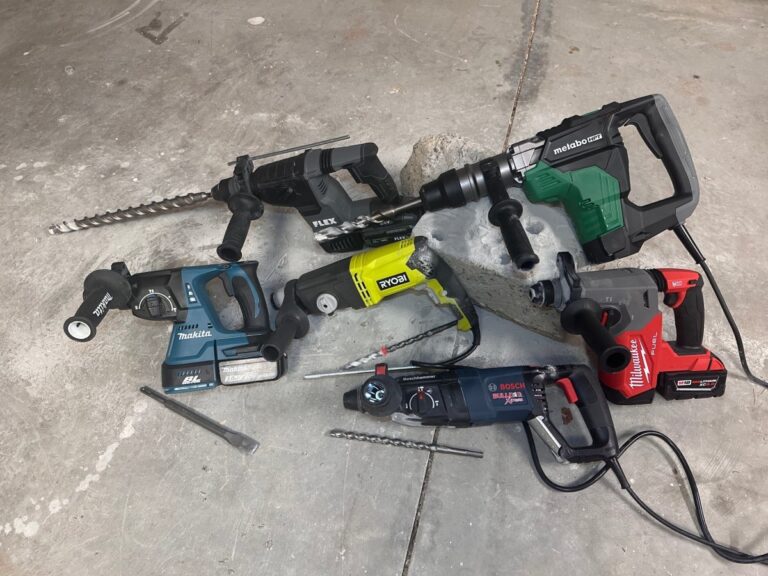
If you need to drill large holes or work with thick masonry, an electric screwdriver is the wrong choice. You should use a dedicated hammer drill instead, as it provides the necessary impact force. If you’re driving hundreds of long deck screws, use an impact driver. It uses a hammering action to drive fasteners faster without stripping them, which saves significant time compared to a standard screwdriver.
Frequently Asked Questions
Can I use a drill instead of an electric screwdriver?
Yes, you can, but you must use the lowest speed and the clutch setting. Drills are often too powerful and lack the fine control needed for small screws, which can easily lead to stripped heads.
How do I know if my screwdriver is charged?
Most modern models have a small LED indicator on the side or near the battery port. If the light turns from red to green, the battery is ready for use.
Why does my screwdriver make a clicking sound?
That sound is the torque clutch engaging. It’s a safety feature that stops the motor when the screw reaches the set resistance to prevent you from damaging the wood or the screw.
Is it safe to charge the battery overnight?
No, you should avoid leaving lithium-ion batteries on the charger for long periods. Once the light indicates a full charge, remove the battery to prevent potential overheating or cell degradation over time.
How long should a battery last?
A typical lithium-ion battery lasts 300 to 500 full charge cycles. You can check your specific model’s manual for the manufacturer’s expected lifespan, as the exact number depends on your usage and charging habits.
What happens if I use the wrong bit?
You’ll likely strip the head of the screw or damage the bit itself. Always ensure the bit fits snugly into the screw head without any side-to-side movement before you pull the trigger.
Conclusion
Finding the right tool doesn’t have to be complicated once you focus on what you really need. Take a look at your current tool kit and identify which manual tasks tire your hands the most. You’ll be surprised at how much easier your next weekend project feels when you’ve finally made the switch.