10 Best Nail Gun for Roofing Picks for Pros and DIYers
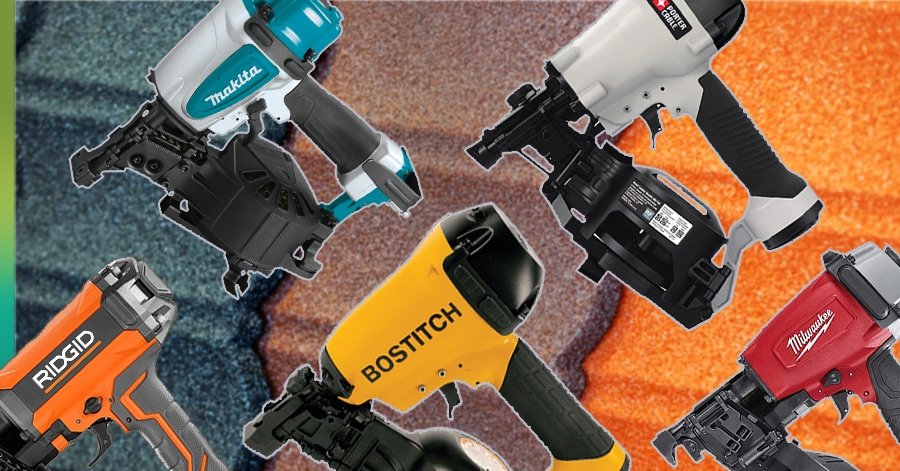
Finding the best roofing nail gun depends on your workflow and existing tool ecosystem. Pros often prefer pneumatic power for all-day shingling, while others choose cordless units for quick repairs. Your choice hinges on your comfort with air hoses, tool weight, and features like depth control. The Metabo HPT NV45AB2 remains the standard for traditionalists, while the Milwaukee M18 Fuel appeals to those ditching the compressor.
As an Amazon Associate, we earn from qualifying purchases. This post contains affiliate links – if you buy through them, we may earn a commission at no extra cost to you.
1. Metabo HPT NV45AB2

Best for: Professionals who need a reliable, heavy-duty tool for daily use.
This nailer is designed for high-volume work where efficiency is the primary concern. It drives up to 10 nails per second, which allows for fast installation of asphalt shingles and insulation boards. Because it uses a pneumatic power feed, it keeps up with a fast pace without needing frequent breaks for reloading.
It’s built to be well-balanced at 5.7 lbs, which reduces fatigue during long shifts on a roof. However, this is a pneumatic tool, so it isn’t for the person who lacks an air compressor or wants to move freely without hoses.
Good if:
- You work in harsh conditions and need high durability.
- You prefer the consistent power of a pneumatic system.
- You want a brand with a long track record for pros.
Skip it if:
- You want to work without the hassle of an air hose.
- You’re a casual user who only has a small, portable setup.
2. DeWALT DCN45RND1 20V 15 Degrees Lithium-Ion Cordless Coil Roofing Nailer

Best for: Someone who already uses a 20V battery platform for other tools.
This cordless nailer removes the need for compressors and hoses entirely. It relies on the 20V lithium-ion battery system, making it highly portable for roof repairs where dragging a hose is difficult.
Because the listing provides limited technical specs, this tool is best suited for those who already trust the brand and its battery ecosystem. It isn’t for the user who needs the specific, high-speed firing rates found in some pneumatic models.
If you already own DeWALT batteries and chargers, this tool integrates seamlessly into your existing workflow, allowing you to utilize your current power ecosystem.
If you’re a professional roofer who needs to drive thousands of nails in a single day, stick with your pneumatic equipment. Battery-powered tools often struggle to maintain the consistent, rapid-fire pace required for large-scale shingling projects.
If you prioritize convenience and setup speed over raw pneumatic power, this unit is a strong choice. It eliminates trip hazards on steep pitches, allowing you to move quickly across a roof without managing air lines. If you don’t own compatible batteries, however, you will need to acquire the necessary power system to operate the tool.
3. BOSTITCH Coil Roofing Nailer

Best for: Users who prioritize tool longevity and protection on rough surfaces.
The aluminum housing and carbide nosepiece inserts are built to survive the abrasive nature of roof work. The tool includes wear guards and skid pads to prevent damage when you set it down on shingles. Its design focuses on keeping the tool functional through heavy abuse.
The zero-nail lockout feature is a key addition, as it prevents dry firing and alerts you when the magazine is empty. This prevents unnecessary wear on the driver blade. It isn’t the lightest option, so it may not be for those who find heavier tools tiring during all-day use.
Good if:
- You work on abrasive surfaces that wear down tools fast.
- You value clear indicators for when to reload.
- You want a tool that resists damage from drops.
Skip it if:
- You want the absolute lightest tool available.
- You prefer a tool with fewer metal components.
4. Makita AN454 1-3/4″ Coil Roofing Nailer

Best for: Workers who want a lightweight, ergonomic design for less strain.
At 5.2 lbs, this model is lighter than many others, making it a good choice for those who move around a lot on the roof. The aluminum housing keeps the weight down without sacrificing the durability needed for professional work.
The tool-less depth adjustment dial allows for precise control, ensuring you don’t over-drive or under-drive nails into shingles. It isn’t for someone who needs a multi-function tool that can handle heavy-duty siding in addition to roofing, as its design is very specific to coil roofing nails.
Good if:
- You want to reduce arm strain during long days.
- You need precise, flush driving for a clean finish.
- You want a simple, one-step loading system.
Skip it if:
- You’re looking for extra features like a swivel hose fitting.
- You prefer a heavier, more substantial feel in your hand.
5. MAX USA CORP SuperRoofer CN445R3 Roofing Coil Nailer up

Best for: Roofers dealing with sticky tar and complex maintenance needs.
This nailer features a tar-resistant nose that keeps the tool moving even in sticky conditions. The self-cleaning filter is a standout, as it catches debris before it harms the internal components. This reduces the time you spend on maintenance.
The tangle-free swivel fitting is another safety feature, as it helps prevent hose-related trip hazards. It isn’t for the user who wants a basic tool, as it’s built with specialized features that add complexity to the internal design.
Good if:
- You work in hot weather where tar buildup is common.
- You want a tool that cleans itself of debris.
- You prioritize safety and reduced trip hazards on the roof.
Skip it if:
- You want a simple, no-frills tool for occasional use.
- You aren’t comfortable with more complex, specialized maintenance.
6. Milwaukee M18 Fuel

Best for: Users who want the speed of a pneumatic tool without the hose.
This cordless nailer provides the force needed for proper fastening without needing a compressor. It uses a sequential firing mode to ensure accurate placement of each shingle. It’s a good choice for those who want to modernize their setup without losing performance.
It holds 120 nails, which is plenty for most repair jobs or smaller roofing projects. It isn’t for the user who has a limited budget, as the battery-powered technology is more complex than a standard pneumatic gun.
Good if:
- You want to eliminate the setup time of hoses.
- You need a fast, cordless firing rate for shingles.
- You want a tool that’s easy to adjust without extra tools.
Skip it if:
- You have a strict budget and don’t need cordless convenience.
- You prefer the lighter weight of a pneumatic air tool.
7. Freeman Pneumatic 15° 1-3/4″ Rapid Fire Coil Roofing Nailer

Best for users who want the option of both rapid-fire and single-shot modes.
This tool offers both bump firing and sequential firing, giving you versatility depending on the task. The transparent bucket is a helpful feature, as it lets you see how many nails are left without checking the magazine manually. It uses a hardened steel drive blade and an anodized aluminum cylinder for durability.
If you’re working on large-scale projects like roof sheathing or wood fencing, use the bump firing mode for maximum speed. Switch to single sequential firing when you need precision for delicate siding installation or flooring underlayment. Always engage the fire lock when the tool isn’t in use to prevent accidental discharge.
The magnetic nail holder is vital for jam-free operation; ensure your 15-degree, 11-gauge wire collated nails are properly aligned before closing the canister. If the nails are driving too deep or sitting proud, use the tool-free depth adjustment wheel to calibrate the tool for the specific material density.
It isn’t for the user who is inexperienced with bump firing, as the speed can lead to accidental double fires if you aren’t careful with your technique. Skip this model if you only need a single-shot tool for small repairs.
8. WEN 61783 3/4-Inch to 1-3/4-Inch Pneumatic Coil Roofing Nailer

Best for: First-time buyers or homeowners doing DIY repairs.
This nailer is designed for straightforward use, with a quick-release system for clearing jams and a simple depth control dial. It comes with a carrying case and basic maintenance tools, which is helpful if you don’t already have oil or hex wrenches.
It operates in the standard 70 to 120 PSI range, making it compatible with most small home compressors. If your compressor can’t maintain at least 70 PSI, the nailer will fail to drive the 11-gauge fasteners flush, leading to unsightly nail heads that require manual hammering.
This tool isn’t for the high-volume contractor who needs a device that can survive years of daily, heavy-duty abuse. While the magazine holds 120 nails, the construction is optimized for intermittent residential projects rather than constant site production.
Good if:
- You’re a first-time buyer needing a complete kit.
- You need a reliable tool for occasional home roofing repairs.
- You want a simple, easy-to-use depth adjustment system.
Skip it if:
- You’re a professional working every day on the roof.
- You need a tool with advanced features like swivel fittings.
- You require specialized support for nails outside the 3/4 to 1-3/4 inch range.
9. 3PLUS HCN45SP 11 Gauge 15 Degree 3/4″ to 1-3/4″ Coil

Best for: Users who want a flexible trigger system for different firing styles.
This tool includes two triggers, allowing you to switch between single-shot and bump-fire modes. It also features side skid pads, which stop the tool from sliding off the roof when you lay it down. The 360-degree exhaust is a nice touch for keeping air away from your face.
The listing warns specifically about the risk of double fire due to recoil, so it’s best suited for those who understand how to control the tool. It isn’t for the novice who lacks the skill to manage the recoil safely.
Good if:
- You want to choose between single-shot and bump-fire modes.
- You need a tool that stays put on the roof.
- You want adjustable air exhaust to stay comfortable.
Skip it if:
- You aren’t a skilled operator who can manage recoil.
- You prefer a single, fixed trigger system.
10. CRAFTSMAN V20 BRUSHLESS RP Cordless Roofing Nail Gun 15 Degrees

Best for: Small repairs and siding work where cordless power is needed.
This brushless cordless nailer is designed for efficiency, with enough power to install over 400 square feet of shingles on one charge. That output equates to just over 110 roofing shingles. It features LED indicators that warn you if there’s a jam or if the battery is getting low.
Use the tool-free depth adjustment to dial in your precision, and toggle between bump or sequential modes based on your current task. If you encounter a stall, use the tool-free release lever to clear it immediately.
It’s a versatile tool that can also be used for vinyl siding, thanks to the included adapter. With a full charge, you can drive just over 450 nails. It isn’t for the pro who needs a tool that can run all day long without needing a battery swap.
Good if:
- You want a cordless tool that handles both roofing and siding.
- You value LED warnings for jams and battery life.
- You need a brushless motor for better runtime.
Skip it if:
- You need to shingle an entire roof in one go.
- You don’t have V20 series batteries.
Where These Overlap
Many of these nailers, like the Metabo HPT NV45AB2, Makita AN454, and Freeman PCN450, share core designs. They use pneumatic power, accept 15-to-16-degree coil nails, and include tool-free depth adjustment. For a professional, the choice often comes down to weight, grip feel, or the brand of compressor already owned. The Freeman and 3PLUS models are close in feature sets, both offering dual firing modes, while the Makita and Metabo focus on a balanced feel for all-day use.
The cordless options, such as the Milwaukee M18 Fuel and CRAFTSMAN V20, occupy a different space. They remove the hose, which changes your entire workflow by eliminating compressor setup. If you’re already invested in a specific battery system, that choice is usually made for you.
When using bump fire mode, avoid double firing by not pushing the nailer against the workpiece with excessive force. If you aren’t a professional, use the sequential fire trigger to ensure one nail per pull. If you need to cover large surfaces, prioritize tools with high-capacity magazines or quick-load canisters to minimize downtime.
Still Not Sure?
How often will I really use it?
If you’re a contractor doing roofs every week, you need the durability of a professional pneumatic model like the Metabo HPT NV45AB2. These tools are built to handle high volume and constant use. If you only fix your own roof once every few years, a simpler pneumatic option like the WEN 61783 will likely serve your needs just fine without the heavy-duty specifications of a high-end pro model.
What do I already own that this has to work with?
This is the most important question for cordless users. If you have a garage full of batteries from a specific brand, like the CRAFTSMAN V20 series, you should stick to that ecosystem. Buying a cordless nailer from a new brand means buying new batteries and chargers, which adds up quickly. If you have a good air compressor, you’re free to pick any pneumatic tool without worrying about battery compatibility.
What am I most likely to regret choosing?
The most common regret is choosing a tool that’s too heavy for your strength or too complicated for your skill level. If you aren’t comfortable with the speed of bump-fire triggers, you might regret choosing the 3PLUS HCN45SP unless you plan to swap to the safer single-shot trigger. Always check the weight—like the Makita AN454—if you know you get tired easily, as a tool that feels fine for five minutes can feel like a brick after five hours.
Frequently Asked Questions
How do I ensure my roofing nailer stays compliant with industry standards?
To stay compliant, you should always follow the operating pressure limits stated in the manual, which cover the standard range required for most pneumatic tools. Proper maintenance of the safety trigger and the depth adjustment dial is also vital for consistent results.
Do I need a specific type of nail for my coil roofing nailer?
Yes, most of these tools are designed for 15-degree or 16-degree wire-collated coil nails. It’s critical to use the gauge and length specified in your tool’s manual, typically ranging from 3/4 inch to 1-3/4 inch. Using the wrong nail size or angle can lead to frequent jams, poor fastening, or damage to the tool’s magazine and driver blade, regardless of which model you choose.
What is the advantage of a brushless motor in a cordless roofing nailer?
A brushless motor, found in models like the CRAFTSMAN V20, is more efficient than a brushed motor. This means you get more power, longer battery runtime, and less heat buildup during heavy use. For a cordless tool, this efficiency is key, as it allows you to finish more of the roof on a single battery charge, which is a major advantage for repairs.
Can I use a roofing nailer for siding or other projects?
While some tools, like the CRAFTSMAN V20, include adapters for vinyl siding, most roofing nailers are specifically optimized for asphalt shingles. Using them for other tasks like framing or flooring can result in improper fastening or damage to the materials. If you need a tool for multiple jobs, look for one that specifically mentions compatibility with other materials in its features, or stick to a dedicated tool for each task.
Conclusion
If you’re a professional, the Metabo HPT NV45AB2 offers the reliable, high-speed performance needed for daily roofing work. For the homeowner or the pro who needs to move quickly without being tethered to a hose, the Milwaukee M18 Fuel is the top choice. Your next step is to check your current tool collection—if you have air hoses, stick with pneumatic; if you have batteries, go cordless.