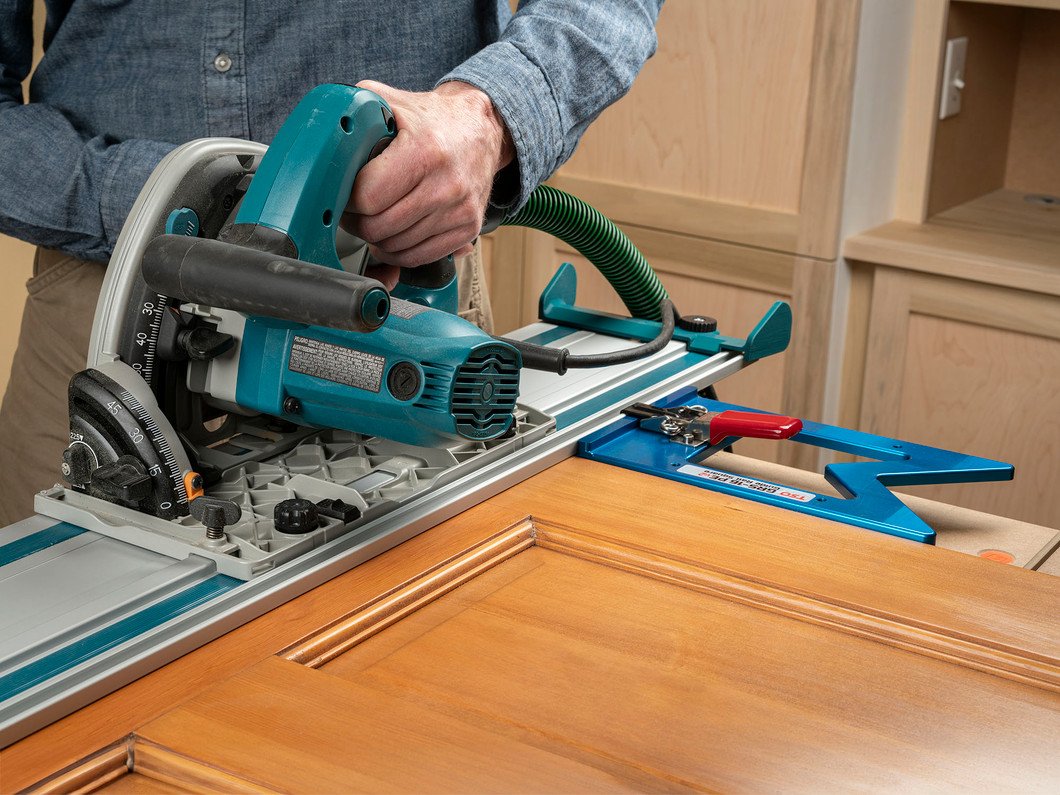
Corded vs. Cordless Track Saws: Which One Is Worth Buying
Deciding between corded vs. cordless track saws: which is worth buying? Depends primarily on your workspace and the type of projects you tackle. While a corded track saw typically costs between $450 and $750, a cordless version usually ranges from $600 to $1,100 when factoring in the required batteries and chargers. Both types serve as precision tools for breaking down sheet goods, but they offer distinct advantages regarding power delivery and operational mobility.
Key Takeaways
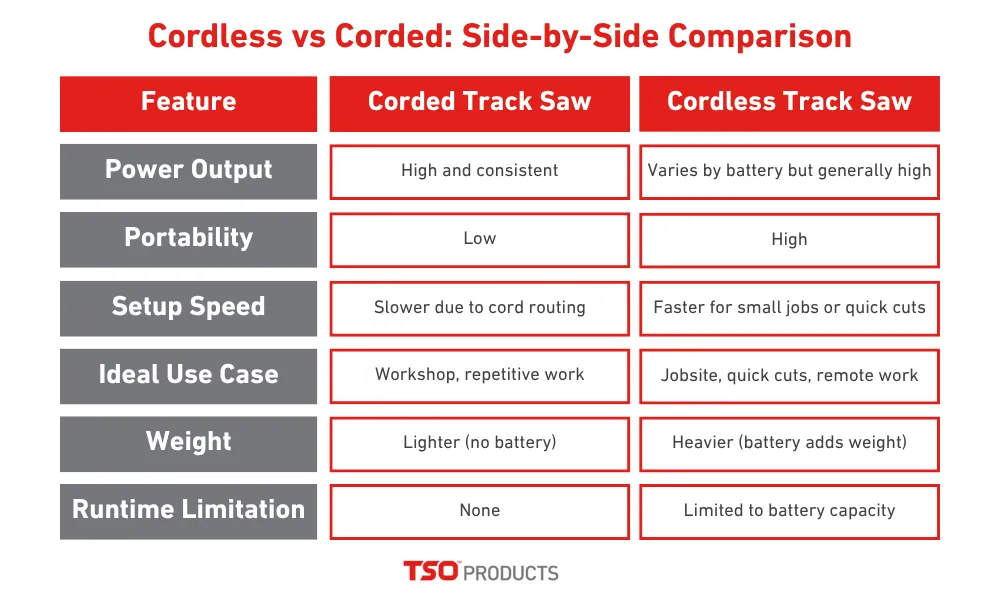
- Choose a corded model if you primarily work in a stationary shop with consistent power access.
- Select a cordless saw if you perform frequent job-site installations or handle large materials away from outlets.
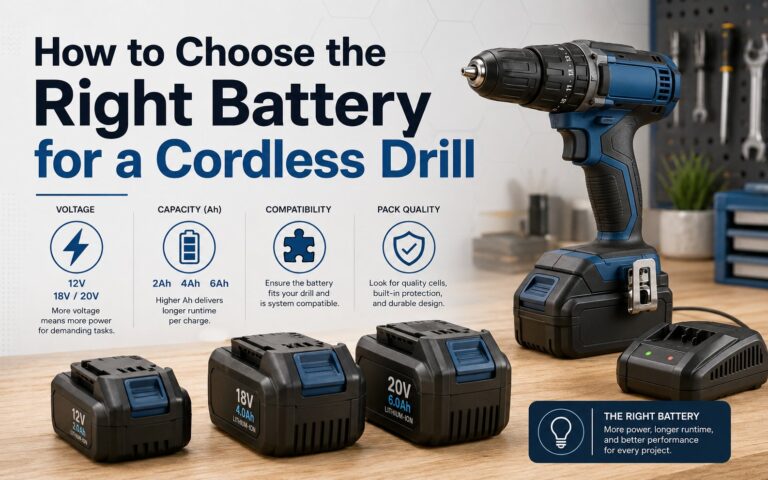
- Ensure your battery platform matches your existing power tool ecosystem to save on future costs.
- Verify the track compatibility between your chosen saw and existing guide rail systems.
- Prioritize dust collection efficiency, as track saws generate significant fine particulates during operation.
Understanding the Power Source Differences
The fundamental difference lies in continuous power supply. A corded track saw draws electricity directly from the grid, ensuring you never experience a drop in performance during long, deep cuts through dense hardwoods like oak or maple. In contrast, cordless models utilize lithium-ion battery technology to provide freedom of movement. Modern brushless motors in cordless units have narrowed the performance gap significantly, but they remain sensitive to battery charge levels during demanding, repeated tasks.
| Feature | Corded Track Saw | Cordless Track Saw |
|---|---|---|
| Power Delivery | Constant, unlimited | Battery-dependent |
| Mobility | Tethered by cord | High portability |
| Initial Investment | Lower | Higher (plus batteries) |
| Maintenance | Simple (cord/brushes) | Complex (battery health) |
Why Choose a Corded Saw?
Corded models are the workhorses of professional cabinet shops. Because they don’t rely on rechargeable power cells, they’re generally lighter and more balanced for extended use. You avoid the weight of a heavy battery pack, which reduces wrist fatigue during long days of layout and cutting. Furthermore, corded tools are often more affordable, as the internal components are less complex than those required to regulate high-draw cordless motors.
The Versatility of Cordless Models
Cordless track saws excel in dynamic environments. If you’re working on a job site where power outlets are sparse or located in inconvenient areas, a cordless tool is indispensable. Modern saws from manufacturers like Festool, Makita, and DeWalt use high-capacity batteries that can easily handle a full day of typical trim carpentry or cabinet installation.
Pro Tip: Always carry an extra set of fully charged batteries when working remotely to avoid downtime while waiting for a recharge cycle to complete.
Comparing Equipment Maintenance Needs
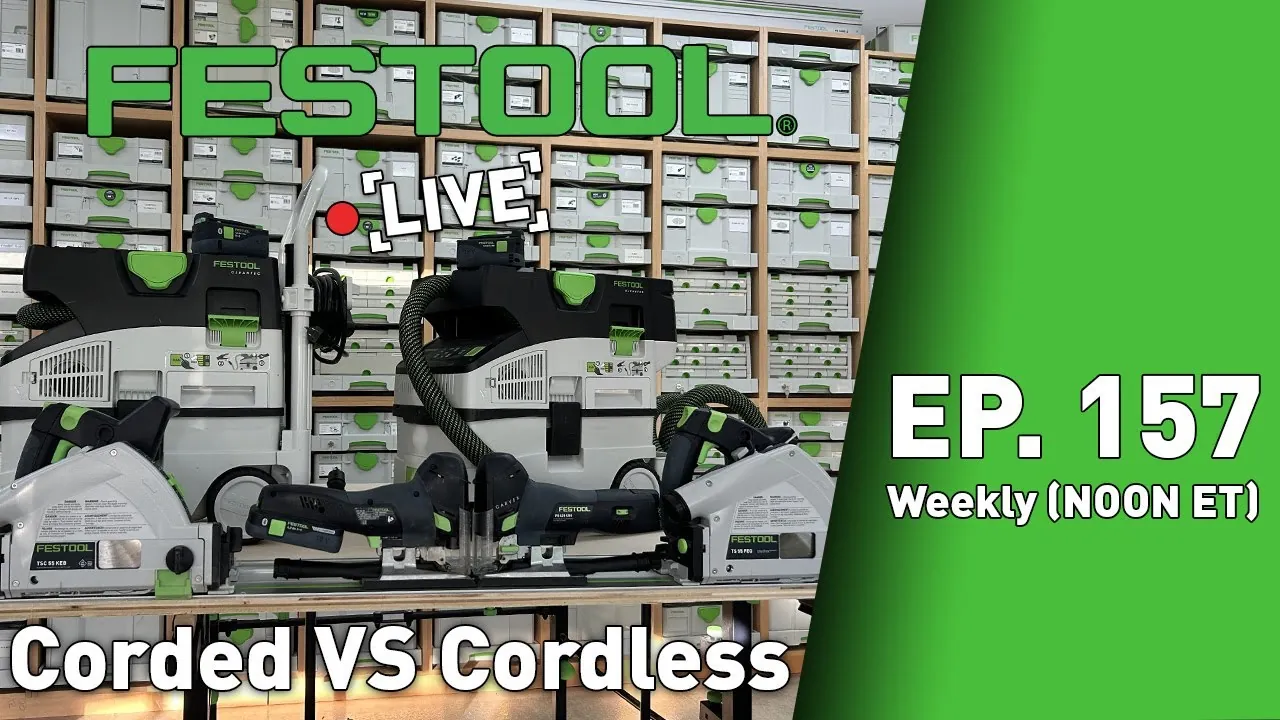
Maintaining a corded saw is straightforward. You primarily need to inspect the power cord for fraying and occasionally replace the carbon brushes if your specific model uses them. Cordless tools require more vigilance regarding battery storage. You must also keep the battery terminals clean of debris to ensure consistent electrical contact.
Which Brands Should You Consider?
When shopping, stick to established manufacturers that offer robust integrated guide rail systems. These brands have perfected the interface between the saw base and the aluminum track, which is critical for achieving splinter-free, perfectly square cuts.
- Festool: Renowned for the TS 55 and TS 75 series, which set the industry standard for precision.
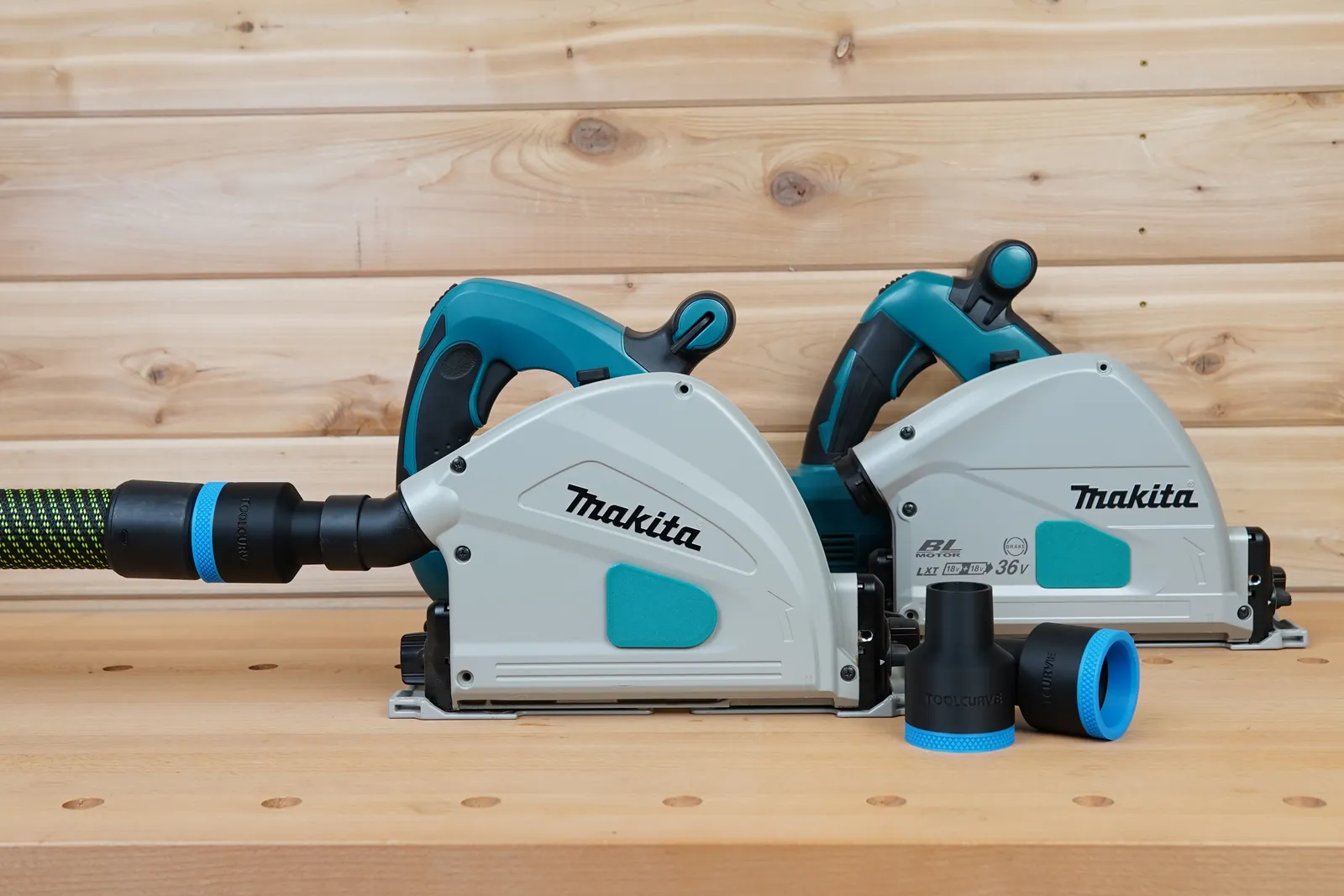
- Makita: Offers excellent cordless options, particularly their 36V (18V x 2) systems that provide corded-like torque.
- DeWalt: Known for durable, high-performance cordless saws that integrate well with their FlexVolt battery platform.
- Bosch: Provides reliable corded and cordless solutions with high-quality track accessories.
- Mafell: A premium option favored by high-end woodworkers for extreme accuracy and build quality.
Choosing Between Corded and Cordless Track Saws
To determine the best fit, look at your typical material thickness. If you’re cutting thick, dense slabs of hardwood, a corded saw’s constant torque is an asset. If you’re primarily working with plywood or medium-density fiberboard for cabinetry, the cordless power output is more than sufficient. Consider your shop footprint as well; if your workspace is cramped, the lack of a power cord on a cordless tool removes a significant trip hazard and clutter point.
| Use Case | Recommended Type | Reason |
|---|---|---|
| Permanent Woodshop | Corded | Constant power, no battery cost |
| Mobile Installation | Cordless | Unlimited reach, no setup time |
| Thick Hardwood | Corded | No risk of stalling under load |
| Frequent Travel | Cordless | Compact, no cord management |
Safety and Dust Collection Essentials
Warning: Never attempt to bypass the spring-loaded plunge mechanism or modify the blade guard, as these are critical safety features designed to prevent kickback.
Dust collection is non-negotiable with track saws. Because the blade is enclosed within a housing, the suction efficiency is naturally high, provided you connect a dedicated shop vacuum. Both corded and cordless models feature ports that accept standard vacuum hoses. For cordless setups, consider using a vacuum with a wireless remote or auto-start feature, which triggers the vacuum when the saw starts, preserving battery life on both devices.
Related guides
Frequently Asked Questions
Can I use a cordless saw with a corded track?
Yes, most manufacturers design their tracks to be compatible across their own product lines. However, you should always check the manufacturer’s documentation to ensure the base of your specific saw model fits the rail profile of the track you intend to use. Using mismatched brands often leads to excessive play or binding, which compromises the accuracy of your cuts.
Do cordless saws have enough power for long cuts?
Modern cordless saws, particularly those utilizing dual-battery systems or high-output cells, provide equivalent power to corded models for most standard applications. They can easily handle 8-foot rips through plywood or hardwood. The primary limitation is the total runtime per charge, which is why having multiple batteries available is essential for high-volume production work or heavy-duty cutting.
Is the guide rail system interchangeable?
While some third-party tracks claim to be universal, proprietary systems from brands like Festool or Makita are engineered with specific tolerances. Using a saw on a non-native track may result in “slop” or inconsistent tracking. It’s generally best practice to stick to the same brand for both the saw and the guide rail to ensure a perfect, factory-calibrated fit.
How often do I need to replace the splinter guard?
The splinter guard, which is the rubber strip on the edge of your track, should be replaced whenever you change the blade or if you notice significant fraying. A worn guard will no longer provide the zero-clearance support necessary for clean, chip-free cuts. Keeping a supply of replacement strips on hand ensures your finish quality remains high throughout the life of your track.
Do I need a specialized vacuum for cordless saws?
You don’t need a specialized vacuum, but a vacuum with an automatic tool-start feature is highly recommended. These vacuums detect the electrical current or vibration of the saw and turn on automatically. This feature is particularly useful for cordless users as it prevents the vacuum from running constantly, thereby saving your shop vacuum’s energy and reducing noise levels during your workflow.
Conclusion
Choosing the right track saw depends on balancing your need for consistent power against the convenience of a cordless workflow. Assess the frequency of your off-site work and your existing battery inventory before committing to a platform. Once you have selected your tool, purchase a high-quality, fine-tooth blade and practice your plunge technique on scrap material to master the precision this equipment offers.