Can a Cordless Drill Drill Into Concrete: Tips and Methods
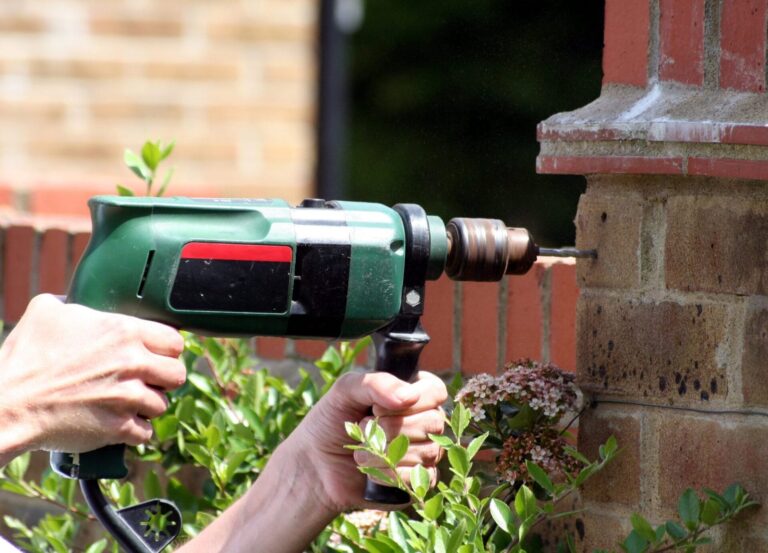
Yes—a cordless drill can drill into concrete, but only if you use masonry bits, hammer action or steady pressure, and realistic expectations about hole size and depth. A standard cordless drill/driver without a hammer function will bore small holes in soft concrete, yet it will struggle with aggregate, rebar, and older, harder slabs.
Key Takeaways
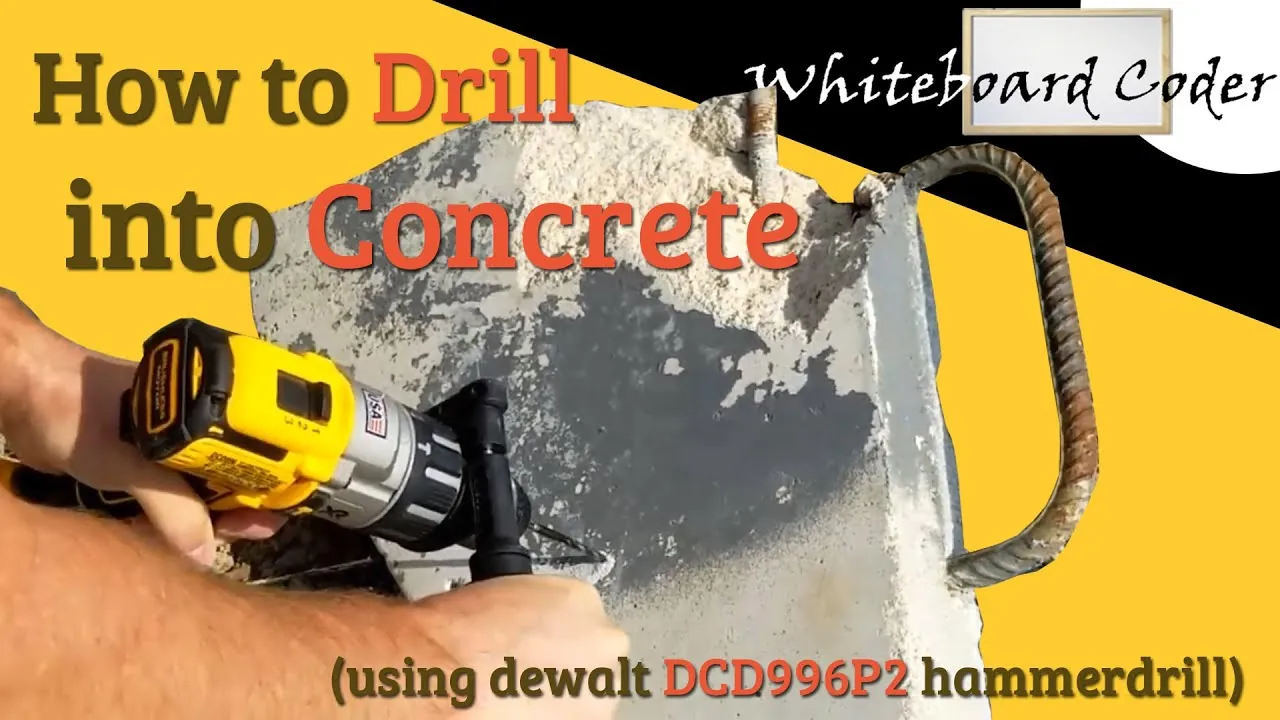
- Use carbide-tipped masonry bits sized for the anchor or fastener you plan to install.
- Hammer action helps a lot; a drill/driver without it works only for small, shallow holes in soft concrete.
- Start with a pilot hole, keep the drill perpendicular, and clear dust every few seconds.
- Expect to go slower and drill fewer holes than you would with a corded hammer drill or rotary hammer.
- Wear eye protection and a dust mask; concrete dust contains silica and can damage your lungs.
Can a Cordless Drill Drill Into Concrete?
The short answer is yes, with limits. Cordless drills spin a bit, and concrete is hard but brittle, so a sharp masonry bit can cut a hole if you apply steady pressure and let the tool do the work. The real question is how large and how deep a hole you need, and how hard the concrete is.
A 12-volt drill/driver without hammer action might manage a 1/4-inch hole in a soft patio block, but it will likely stall in a 4,000-psi foundation wall. Voltage matters less than bit quality, concrete hardness, and whether the drill has an impact or hammer mechanism. For occasional small holes, a decent 18-volt cordless drill with masonry bits is enough. For frequent work, larger diameters, or deep holes, a corded hammer drill or rotary hammer is the better tool.
Cordless Drill vs. Hammer Drill vs. Rotary Hammer
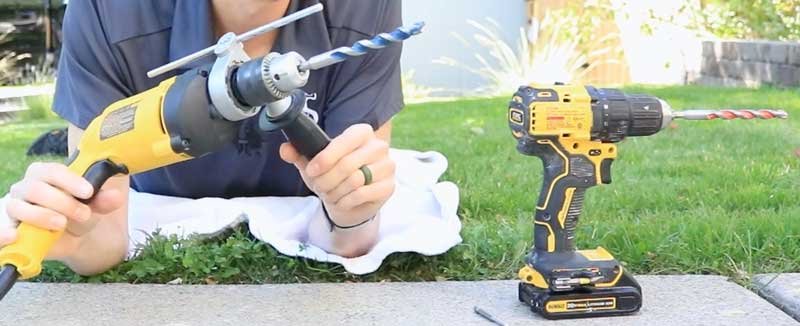
These three tools look similar, but they attack concrete differently.
| Tool | Best For | Typical Max Hole in Concrete | Key Limitation |
|---|---|---|---|
| Cordless drill/driver | Small holes in soft concrete, block, or mortar | 1/4 to 3/8 inch | No hammering action; slow and hard on the motor |
| Cordless hammer drill | Medium holes in concrete and masonry | 1/2 to 5/8 inch | Heavier, drains battery faster, still limited in hard aggregate |
| Corded rotary hammer | Large, deep holes and reinforced concrete | 1 inch and up | Needs a power outlet; overkill for small jobs |
A hammer drill adds a forward-and-back striking motion to the rotation, which pulverizes concrete as the bit turns. A rotary hammer uses a piston mechanism for much harder impacts and is built for masonry work all day. If your cordless drill has a hammer-drill setting, use it. If it’s a plain drill/driver, you’re relying on rotation and pressure alone, which works best in shallow, shallow holes in softer masonry.
Choosing the Right Drill Bits
Never use standard twist bits meant for wood or metal on concrete. They will dull almost instantly and can overheat or snap.
- Masonry bits: Carbide-tipped bits designed for concrete, brick, and block. Look for a spiral flute that carries dust out of the hole.
- Carbide tip: The cutting edge that actually grinds the concrete. Cheap bits have soft tips that wear out after a few holes.
- Bit size: Match the bit to your anchor or screw. A 3/16-inch masonry bit is common for light-duty plastic anchors; 1/4-inch and larger are for heavier fasteners.
Buy a small set rather than one loose bit so you have sizes for pilot holes and final holes. Replace the bit when it starts to smoke, squeal, or refuse to cut.
Step-by-Step: Drilling Concrete With a Cordless Drill
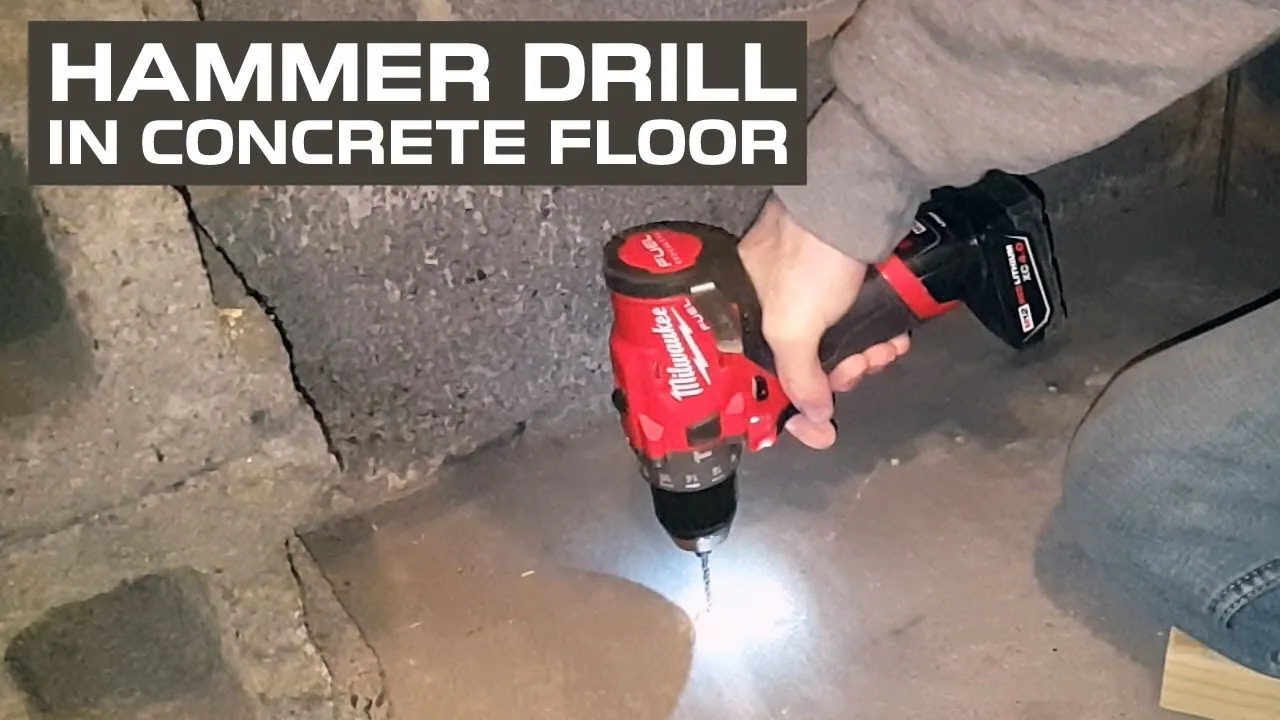
- Mark the spot. Use a pencil or marker. For tile or finished concrete, place a small piece of masking tape over the mark to help the bit from wandering.
- Insert the masonry bit. Tighten the chuck fully. A slipping bit won’t cut and can injure your hand.
- Set the drill. If your model has a hammer mode, switch it on. Use a low or medium speed; high speed creates heat and dulls the carbide.
- Start the pilot hole. Drill a small starter hole about 1/8 inch deep to keep the bit from skating across the surface.
- Apply steady pressure. Lean in with your body weight, but don’t force the drill. Let the bit grind; forcing it can burn out the motor or snap the bit.
- Clear the dust. Pull the bit out every 10 to 15 seconds to let concrete dust fall away. A packed hole stops cutting and overheats the bit.
- Drill to depth. Stop at the depth required by your anchor. Many drills have a depth stop, or you can wrap tape around the bit as a guide.
- Clean the hole. Blow out dust or use a vacuum so the anchor seats fully.
Pro Tip: If the drill begins to bog down, back off slightly and let the bit cool. Pushing harder usually just overheats the motor and dulls the carbide.
Battery and Runtime Reality
Concrete is one of the hardest materials a cordless drill can face. Hammering and high torque drain lithium-ion batteries quickly. A fully charged 18-volt or 20-volt pack might give you a dozen or more small holes, but large holes in hard slab can cut that in half.
Keep a second battery on the charger, and expect runtime to drop in cold weather. If you have a brushless motor, you’ll generally get more power and longer life than a brushed model, but neither turns a standard drill/driver into a rotary hammer.
Safety First
Concrete drilling creates fine silica dust, which is hazardous to breathe over time. Wear safety glasses to protect against flying chips, and use a dust mask or respirator for anything beyond a quick hole. Hearing protection is wise if you’re using hammer mode for extended periods.
Hold the drill with both hands; a binding bit can kick the tool sideways. Check for electrical wires or plumbing behind walls before you drill, and never drill through a floor slab without knowing what lies below.
Troubleshooting Common Problems
| Problem | Likely Cause | Fix |
|---|---|---|
| Bit won’t start the hole | Bit skating on smooth surface | Use a pilot hole or tap the bit with a hammer to make a small indent |
| Drill slows to a stop | Dull bit, hard aggregate, or low battery | Swap to a sharp bit, clear dust, or change the battery |
| Smoke or burning smell | Too much pressure or speed too high | Ease off, use lower speed, and let the bit cool |
| Bit slips in chuck | Chuck not tightened | Tighten the chuck firmly; replace if worn |
| Hole is crooked | Drill not held perpendicular | Use both hands, keep the drill square to the surface |
When to Rent or Buy Something Else
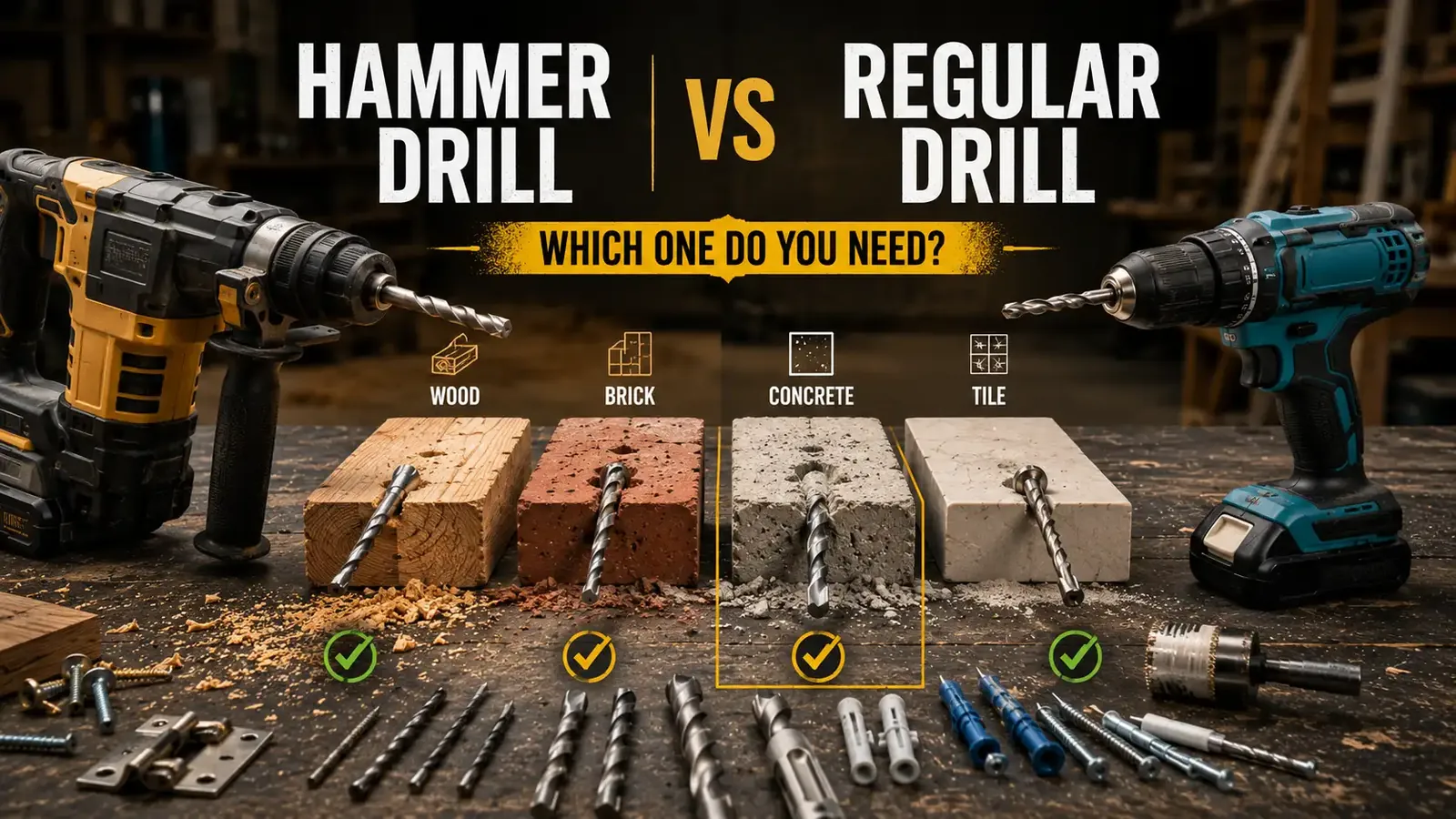
If your project calls for holes larger than 3/8 inch, multiple deep holes, or drilling into reinforced concrete with rebar, stop and switch tools. A corded hammer drill handles most residential masonry jobs, while a rotary hammer is the right choice for demolition-scale work or large anchor installations. Home improvement stores rent both by the hour or day, which is usually cheaper than buying a tool you’ll use once.
Warning: Never use a standard cordless drill/driver to break up concrete or chase out mortar. That isn’t what the motor or gearbox is built for, and you can ruin the tool in minutes.
Related guides
- 10 Best Cordless Drill for Assembling Furniture Picks
- 10 Best Cordless Drill Drivers for Beginners: Our Top Picks
- 10 Best Cordless Drill for Hanging Shelves Picks and Reviews
Frequently Asked Questions
Can I drill into concrete with a regular drill bit?
No. Standard twist bits for wood or metal will dull almost immediately on concrete. Use carbide-tipped masonry bits instead.
Do I need a hammer drill for concrete?
Not always for one or two small holes in soft concrete, but hammer action makes the job much faster and easier. For hard or older concrete, a hammer drill or rotary hammer is strongly recommended.
What size cordless drill is best for concrete?
An 18-volt or 20-volt model with a hammer function is the practical minimum for regular masonry work. A 12-volt drill can handle very small, shallow holes in soft block or mortar.
How deep can a cordless drill go in concrete?
Depth depends on bit length, battery power, and concrete hardness. Most cordless setups are practical for holes up to a few inches deep; deeper work calls for a corded hammer drill or rotary hammer.
Conclusion
If you’re planning a big project, it’s worth checking your drill’s manual to see if it’s truly up to the task. Don’t push too hard if you feel the motor straining; you’ll save your tools and your sanity by renting a dedicated rotary hammer instead. You’ll get the job done much faster.