
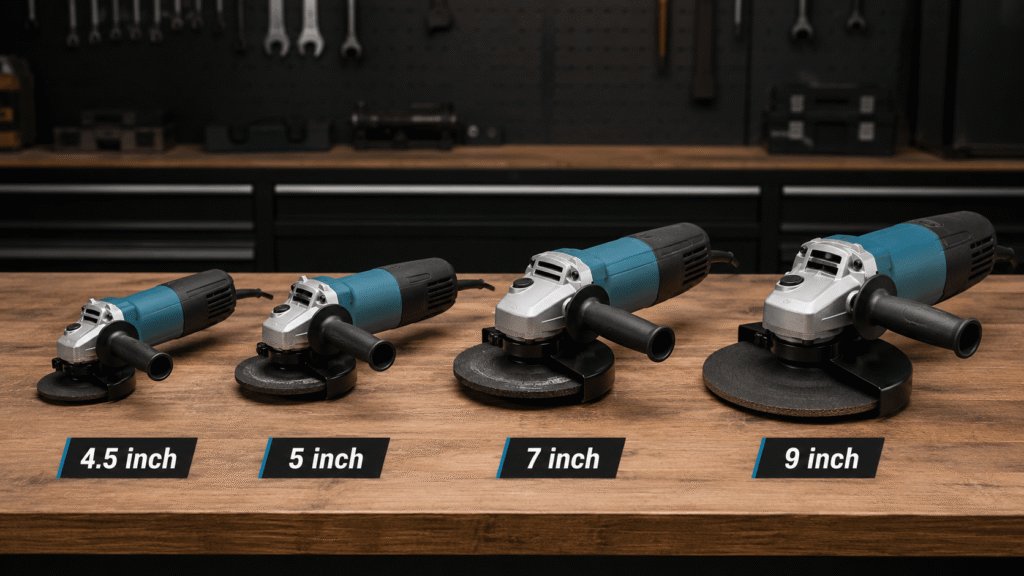
4.5-Inch vs. 5-Inch Angle Grinder: What’s the Difference?
Choosing between a 4.5-inch and a 5-inch angle grinder is mostly about balancing the depth of your cuts with the weight of the tool in your hands. You’ll find that a 4.5-inch vs. 5-inch angle grinder difference is primarily in the wheel size, which dictates how deep you can cut and which accessories you can mount on your machine.
Comparing Grinder Specifications
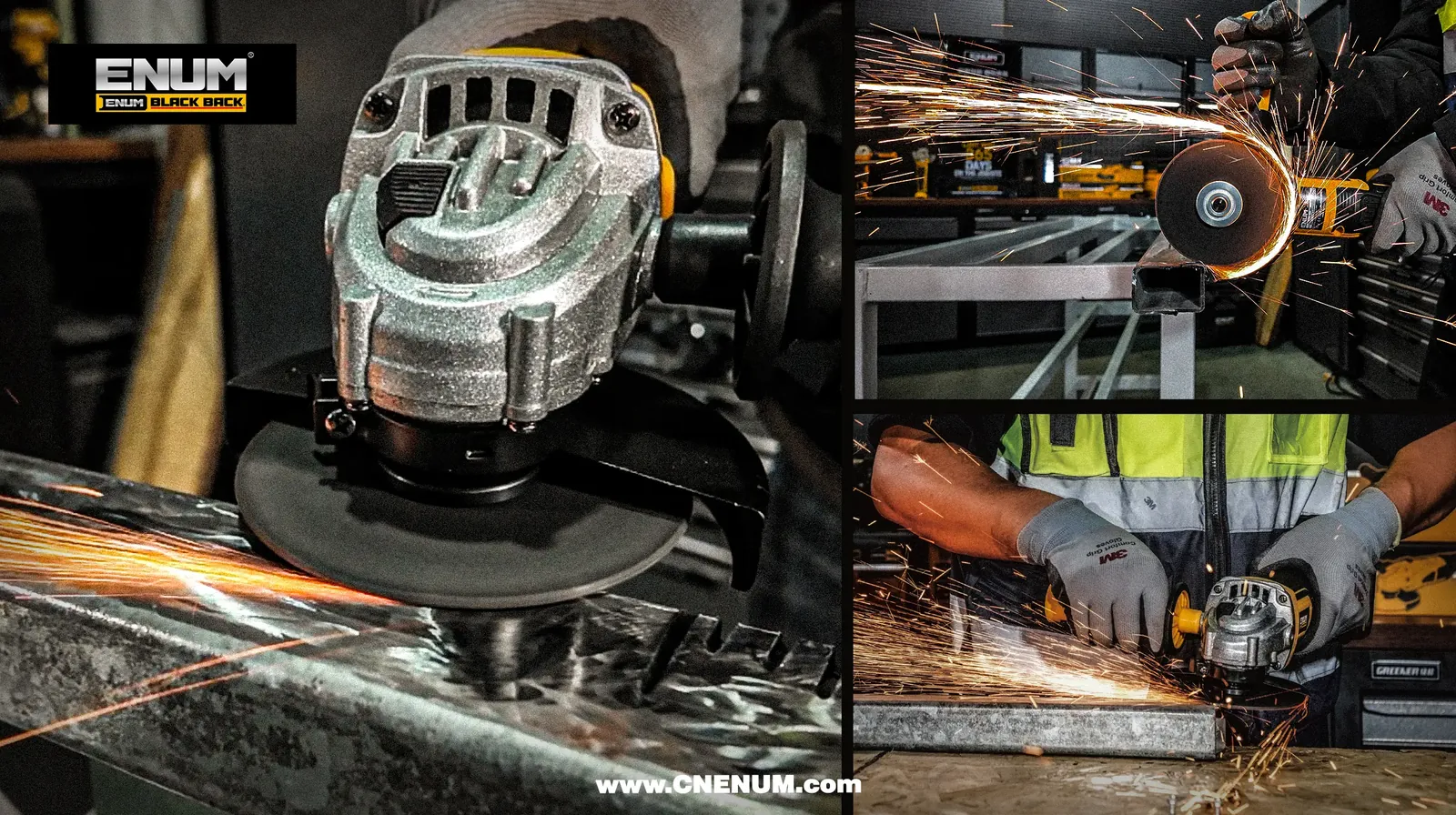
Choosing the right tool depends on whether you value portability or extra cutting capacity. A 4.5-inch model is often lighter and easier to control for long periods, while a 5-inch model provides a slightly deeper reach for thicker metal.
| Method | How long | Effort | Cost | Best for |
|---|---|---|---|---|
| 4.5-inch grinder | Short | Low | Low | Light grinding |
| 5-inch grinder | Medium | Medium | Medium | Thicker stock |
| 6-inch grinder | Long | High | High | Heavy welding |
If you’re working on thin sheet metal, the smaller 4.5-inch unit is usually sufficient. If you’re regularly cutting through heavy steel plate, the 5-inch unit will save you time by requiring fewer passes to complete the cut.
Using a 4.5-inch Angle Grinder
This tool is the standard for most home workshops because it’s compact and easy to handle. To use one safely, follow these steps:
- Inspect the grinding wheel for cracks or chips before every use.
- Ensure the safety guard is positioned between you and the wheel.
- Plug the tool into a grounded outlet or insert a fully charged battery.
- Keep a firm two-handed grip while applying light pressure to the surface.
- Let the tool reach full speed before touching the material.
These grinders are excellent for tasks like removing rust or smoothing out welds. The main weakness is that they have a shallow cutting depth, which makes them less effective for thick bar stock. You must always wear eye protection that meets the ANSI Z87.1 standard for safety to prevent injury from flying metal shards.
Using a 5-inch Angle Grinder
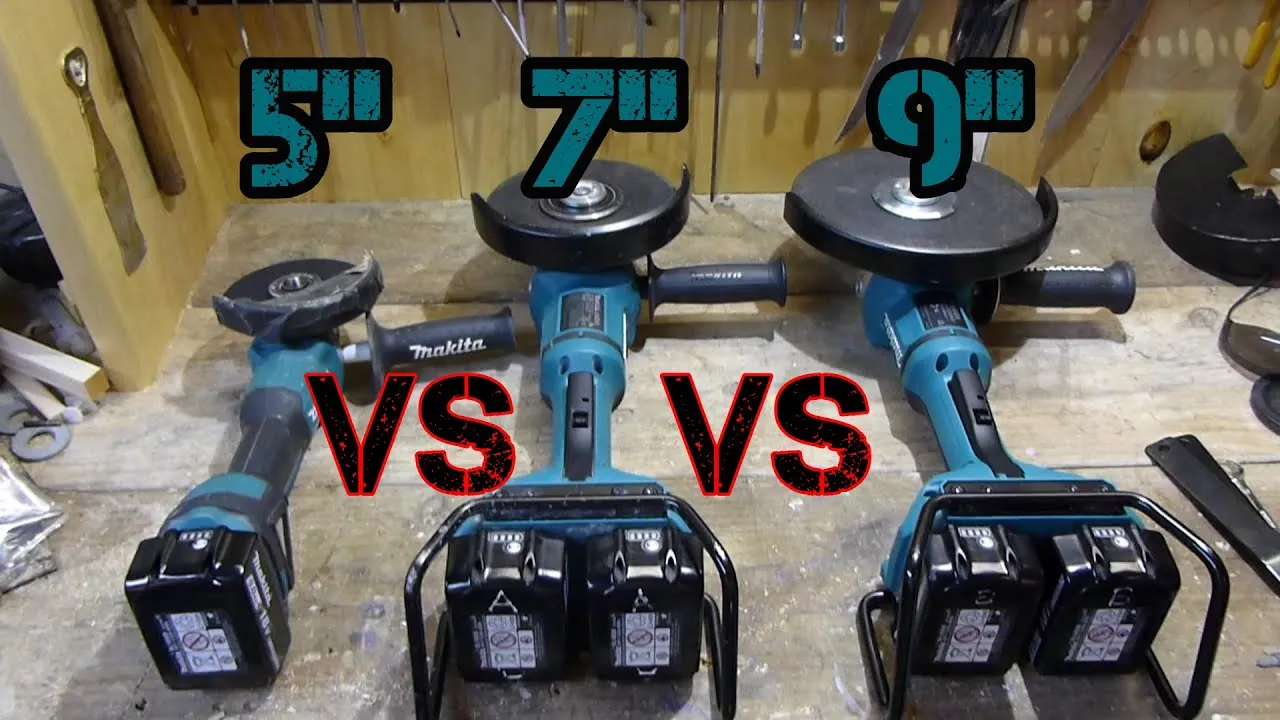
A 5-inch grinder offers a bit more power and a larger wheel diameter, which helps when you need to remove more material. Follow these steps to operate it:
- Choose a disc rated for an RPM equal to or higher than the maximum speed of your grinder.
- Tighten the side handle securely to maintain control during heavy tasks.
- Adjust the guard so it covers the side of the wheel facing your body.
- Start the motor and wait two seconds for it to stabilize.
- Work the disc back and forth across the metal in steady, even strokes.
These tools are great for medium-duty fabrication work. However, they’re heavier, which can lead to faster fatigue if you’re working overhead. If the tool starts to vibrate excessively, you should stop immediately and check if the wheel is seated properly on the spindle.
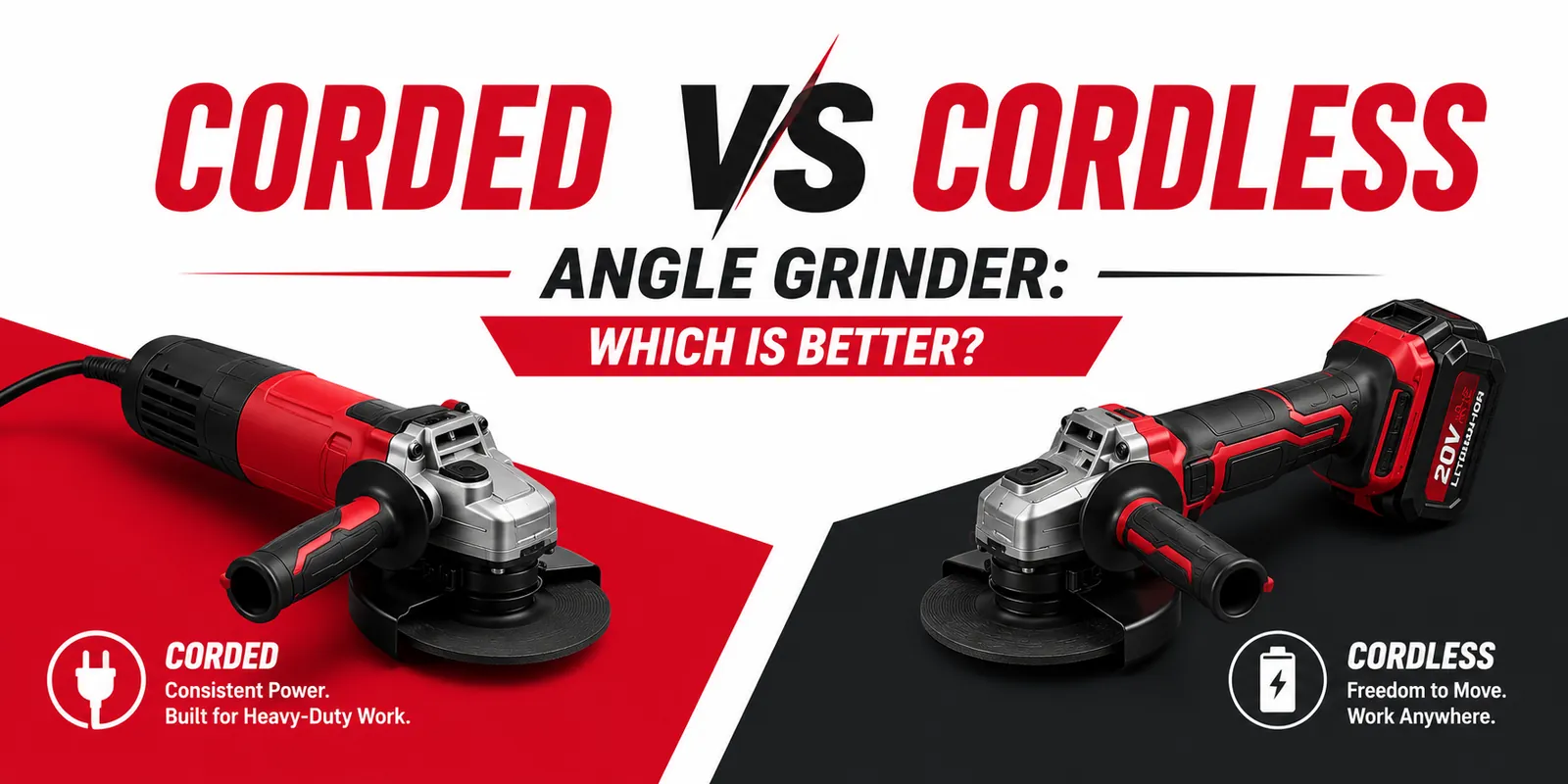
Using a Cordless Grinder
Cordless models provide the most freedom of movement because you aren’t tied to a wall outlet. Follow these steps to prepare your cordless unit:
- Slide the battery pack into the base until it clicks into place.
- Check that the power switch is in the “off” position before inserting the battery.
- Use a high-amp-hour battery if you plan to grind for more than 10 minutes.
- Keep the ventilation slots clear of dust to prevent the motor from overheating.
- Store the battery in a cool, dry place when the job is finished.
These grinders are perfect for remote job sites or work on large structures. The main downside is that they run out of power quickly when performing heavy grinding tasks. If you’re doing continuous grinding, you’ll need a second battery ready to swap in.
Choosing the Best Grinder for Your Needs
When you’re in a hurry, use a 5-inch grinder because the larger wheel removes more material in every pass. If you’re doing this for the first time, start with a 4.5-inch model because its lighter weight makes it much easier to control. If you want the best possible result regardless of the effort required, use a 5-inch grinder paired with high-quality abrasive discs for a cleaner, faster finish.
You must decide whether you prioritize the agility of a smaller tool or the raw capacity of a larger one. A common mistake is buying a 5-inch grinder when you only need to clean small parts, which just makes the work harder than it needs to be. The weight of the tool is the main thing that varies; check the manufacturer’s technical manual for the exact weight of your specific model.
Rules for Safe Grinding
Regardless of the model you pick, safety is the most important factor in your shop. You must always wear a face shield along with your safety glasses to protect against larger debris. Before starting, check that your work piece is clamped securely to a table so it doesn’t move while you’re grinding. If you’re working in a dusty environment, wear a respirator to avoid breathing in metal particles.
Always keep your clothing snug and remove loose jewelry before you turn the tool on. If you aren’t sure how to safely change a wheel, ask a professional or visit the manufacturer’s website for a video tutorial on your exact model. Improperly mounted wheels can shatter at high speeds, which creates a serious risk of injury.
Before mounting a new wheel, perform a ring test by tapping the disc gently with a non-metallic tool. A clear, bell-like tone indicates a sound wheel, while a dull thud suggests hidden cracks that could cause a catastrophic failure. If the wheel doesn’t ring true, discard it immediately. Never force a wheel onto a spindle that’s too small, as this creates dangerous internal stress.
Related guides
- Angle Grinder Safety: Guards, Kickback, Discs, and PPE Guide
- 10 Best Angle Grinders for DIY, Metalworking, and Workshop Use
- How to Use an Angle Grinder: A Beginner’s Guide
Frequently asked questions
Can I use a 5-inch wheel on a 4.5-inch grinder?
No, you should never put a 5-inch wheel on a 4.5-inch grinder because the guard is designed for a smaller diameter. Using a larger wheel can cause the disc to hit the guard, which puts the tool at risk of breaking or causing you to lose control during operation.
How long does a grinding wheel last?
A grinding wheel lasts until it wears down to the size of the inner mounting nut, which varies based on the hardness of the material you’re cutting. You should check the wheel before every use to ensure it hasn’t worn down to a point where it’s no longer safe.
Is it safe to grind without a guard?
No, it’s never safe to grind without a guard because the guard acts as a barrier between your body and the high-speed disc. If a wheel shatters during use, the guard is the only thing that will stop the pieces from hitting your hands or face.
What happens if I use the wrong speed for my wheel?
If you use a wheel that isn’t rated for your grinder’s speed, the wheel can disintegrate instantly and cause severe injury. Always check the RPM rating printed on the wheel and ensure it’s higher than the maximum speed of your grinder.
How often should I check my brushes?
If the brushes are shorter than the manufacturer’s minimum length, the motor will lose power and may eventually stop working entirely.
Can I use an angle grinder for wood?
No, you shouldn’t use a standard angle grinder for wood unless you have a specific blade designed for that material. Standard metal grinding wheels aren’t designed for wood and will quickly clog or bind, which can cause the tool to kick back toward you.
Conclusion
The choice between these two tools comes down to the size of the metal you’re working on and how much weight you can comfortably hold. A 4.5-inch grinder is the standard choice for most home projects, while a 5-inch model is the better pick for those who frequently cut thicker steel. Always prioritize safety gear and follow the manufacturer’s instructions for your specific model to keep your workspace secure and productive.
One Comment