Trim Router vs Full-Size Router: Differences, Uses and Which to Buy
The differences between a trim router and a full-size router determine which tool you should buy for your projects. A trim router is best for small-scale edge work and detail projects, while a full-size router is essential for heavy-duty tasks like deep mortising or cutting large profiles. You should pick a trim router for its easy one-handed operation, but choose a full-size router if you need to swing large bits or work with dense hardwoods for long periods.
Comparing Router Capabilities

When you decide between these tools, the primary factors are the power of the motor and the physical size of the machine. A smaller tool offers better control for delicate work, whereas a larger one provides the torque needed for demanding cuts.
| Method | How long | Effort | Cost | Best for |
|---|---|---|---|---|
| Trim Router | Short | Low | Low | Edging |
| Fixed-Base Router | Medium | Medium | Medium | Grooving |
| Plunge Router | Long | High | High | Mortising |
If you’re working on a simple edge profile, use a trim router to save time; if you’re cutting deep dados, use a full-size router to avoid motor strain. The trade-off is between the agility of a lightweight tool and the stability of a heavier unit.
Using a Trim Router
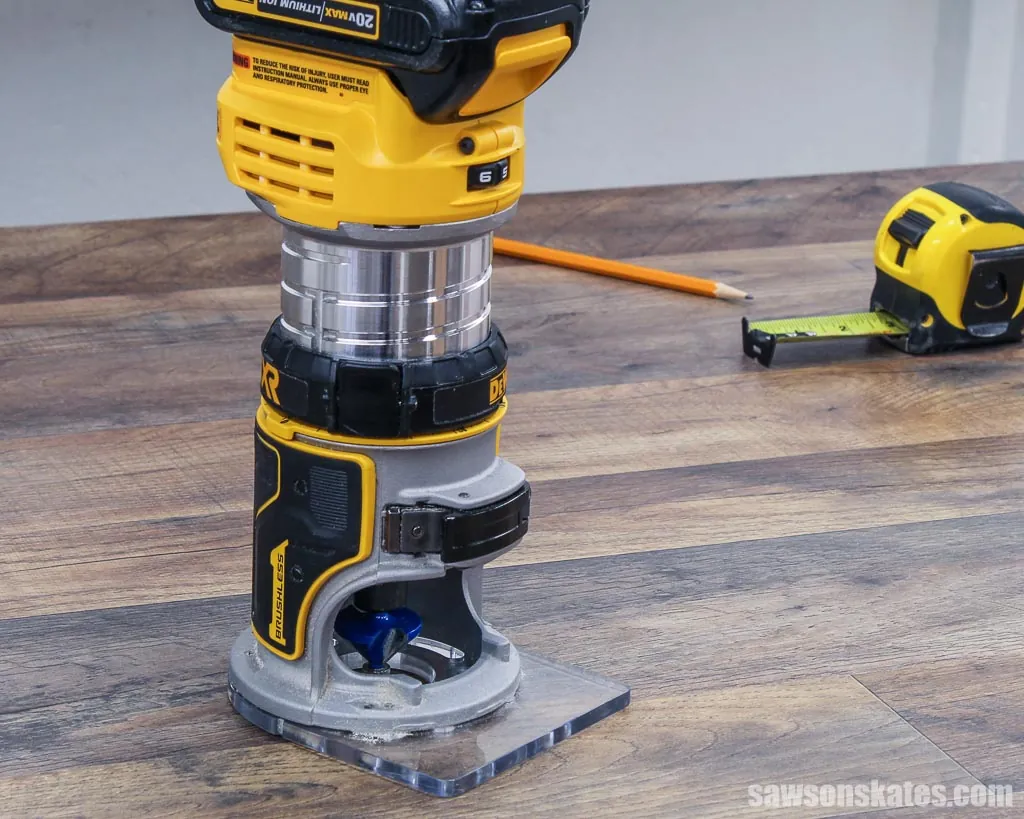
A trim router is designed for light tasks that require high precision and easy handling. It’s often used for rounding over edges or cleaning up laminate edges.
- Install the desired bit and adjust the depth of cut using the fine-adjustment ring.
- Hold the router firmly with both hands on the tool’s handles or housing to maintain full control.
- Move the router in the opposite direction of the bit’s rotation to ensure a clean cut.
- Keep the base flat against the wood surface at all times to prevent tilting.
This tool is excellent for inlay work and small carvings because it fits into tight spaces. However, its main weakness is its low horsepower, which means it can’t handle large-diameter bits or heavy material removal. If you’re using power tools, you must follow the safety guidelines from the Consumer Product Safety Commission to reduce the risk of injury during operation.
Using a Fixed-Base Router

A fixed-base router remains at a set height, making it ideal for repetitive tasks where the depth doesn’t need to change. It offers a wider base for better balance on large panels.
Set the depth by rotating the motor housing within the base until it reaches your mark. If your router features a micro-adjustment dial, use it to calibrate the bit height to within 1/64 of an inch.
Lock the motor in place using the tension lever to ensure it doesn’t move during the cut. Failure to fully engage this lever often causes the motor to “creep” downward, resulting in a cut that deepens as you move across the board.
Use two hands to guide the router along a fence or template for straight, accurate lines. Keep your palms flat against the base plate to maintain downward pressure. If the router feels tippy, you’re likely applying too much pressure to the leading edge rather than the center.
Feed the router at a steady pace to prevent burning the wood with friction. If you smell smoke, stop the router immediately and inspect the bit and the wood for signs of burning or dullness.
This tool is perfect for cutting grooves and rabbets across wide boards. However, it lacks the plunge mechanism needed for internal cutouts. If you must start a cut in the middle of a board, use a plunge router instead to safely lower the bit into the material.
Using a Plunge Router
A plunge router allows you to lower the bit into the wood while the base stays flat on the surface. This is the only safe way to start a cut in the middle of a board without risking a dangerous kickback.
Unlock the plunge mechanism and set the depth stop to your desired final cut. If you need to remove more than 1/8 inch of material, make two or three passes rather than one deep plunge. Pushing too hard to save time often causes the bit to burn the wood or the motor to stall.
Position the router on the workpiece and turn it on before touching the wood. Slowly push the handles down to lower the bit until the stop hits the base. Lock the plunge depth if you need to make a long, consistent cut.
This tool is essential for mortising hinges or cutting decorative patterns. The disadvantage is its size and weight, which can make it feel bulky for fine-detail work. If your project requires intricate inlay, switch to a fixed-base router instead. It provides better visibility and balance for delicate, hand-guided cuts.
Choosing the Right Router
When you’re in a hurry, a trim router is the best choice because it’s fast to set up and easy to move around. If you’re doing this for the first time, start with a trim router as it’s more forgiving and easier to manage safely. If you want the best possible result regardless of the effort, a plunge router is the superior tool for complex joinery.
You must choose based on the weight of the wood and the size of the bit. If the bit diameter exceeds one inch, use a full-size unit to ensure safety and power. If you’re using a standard 1/4-inch round-over bit, a trim router is perfectly sufficient. The limit that determines your choice is the total depth of the cut; check your router’s manual for the maximum plunge capacity.
Safety and Operational Standards
Regardless of the tool you choose, always disconnect the power before changing bits to prevent accidental activation. Wear safety glasses at all times to protect against flying debris, as high-speed rotating bits can throw wood chips with force. Always check that your bit is sharp; dull bits require more force, which increases the risk of the router slipping.
Before starting, clear your workspace of any loose items that could catch on the cord or base. If you’re cutting hardwoods, take smaller passes to avoid overloading the motor. If you notice the motor slowing down or smelling like smoke, stop immediately, as this indicates you’re pushing the tool beyond its intended limits. Proper maintenance, such as cleaning the collet, ensures your router performs safely for many years.
Related guides
Frequently Asked Questions
Can a trim router use all bit sizes?
No, a trim router is generally limited to 1/4-inch shank bits, while full-size routers can accept 1/2-inch shanks. Using a bit that’s too large for your router can cause dangerous vibrations. Always check the manufacturer’s specification for the maximum bit diameter allowed for your specific model.
How long does a router bit last?
A router bit typically lasts for several thousand feet of cutting before it needs sharpening, depending on the wood type. Hardwoods like oak will dull a bit faster than pine. You can tell it’s time for a new one if the wood shows burn marks or the cut feels rough.
Is it safe to use a router on metal?
No, standard wood routers aren’t designed for metal and should never be used for that purpose. The high speeds of a router can cause metal to overheat and shatter the bit. Only use equipment specifically rated for metalwork if you need to cut those types of materials.
What happens if I move too slow?
Moving too slowly will cause the bit to dwell in one spot, which leads to heat buildup and burnt wood. If you see brown or black marks on your workpiece, increase your feed rate slightly. Always keep the tool moving steadily to maintain a clean and consistent finish.
How much power do I need?
You need at least 1.25 horsepower for light edging, but you should look for 2.25 horsepower or more for heavy tasks like mortising. The power required varies by the density of the material you’re cutting. Check the tool’s label to ensure the motor rating matches the depth of your planned cuts.
Can I use a router without a table?
Yes, you can use a router freehand by guiding it along a fence or template. This is common for edge work and patterns. However, using a router table is safer and more accurate for small pieces that are difficult to hold down by hand.
Conclusion
The decision between a trim router and a full-size model rests on your specific project needs. For quick, light edge work, the trim router’s agility is unmatched. For heavy-duty joinery or deep cuts, the power and stability of a full-size router are necessary to get the job done right.