Paddle Switch vs. Slide Switch Angle Grinder: Which Is Better?
A paddle switch is the safer choice for most users because it shuts off the power instantly when you release your grip, while a slide switch is better for long, continuous tasks where you need to lock the tool on. If you prioritize safety, choose a paddle; if you prioritize comfort during long sessions, choose a slide.
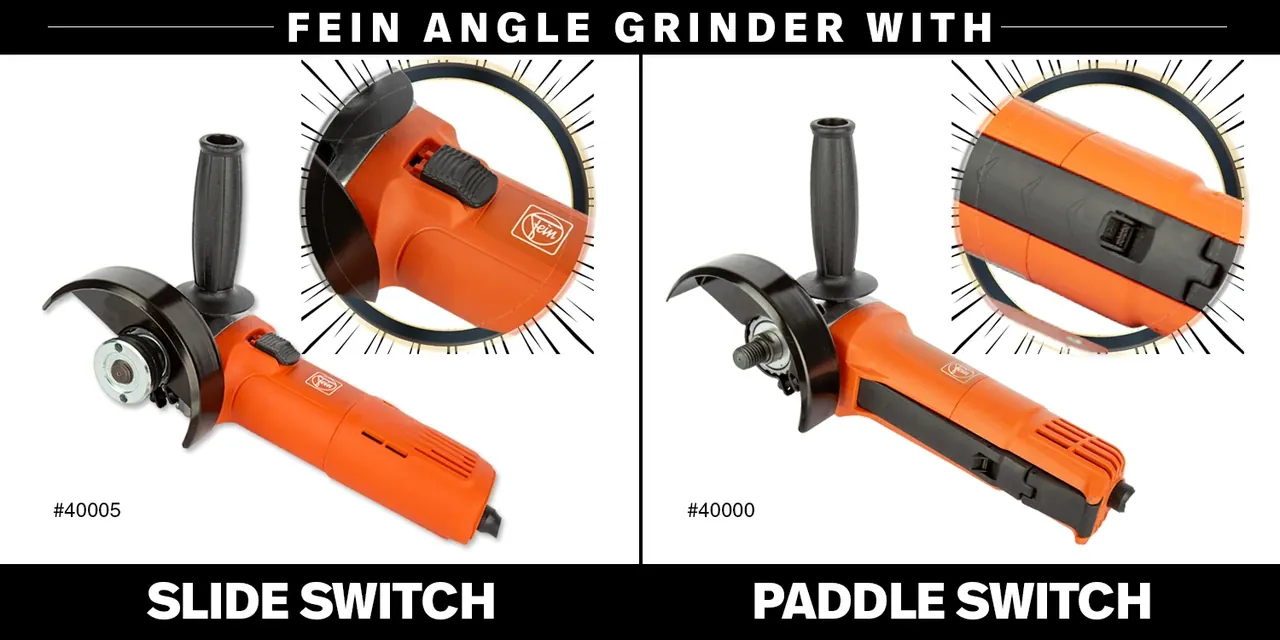
Comparing paddle vs slide angle grinder switches
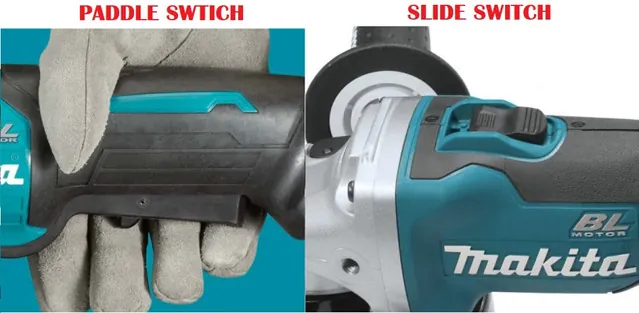
Choosing between these two designs depends on your specific work habits and the type of materials you cut. A slide switch stays in the “on” position until you manually move it back, which saves your hand muscles during long grinds. A paddle switch requires constant pressure to keep the tool running, which acts as a dead-man’s switch if you lose control.
If you’re working in a tight space or overhead, prioritize the paddle switch. It ensures the motor cuts out the moment your grip slips, preventing the tool from jumping if it binds. Never use a slide switch for one-handed overhead tasks, as the tool will continue to spin if dropped, creating a severe safety hazard.
For extended surface prep or heavy grinding, the slide switch is superior. It prevents the hand fatigue that occurs when maintaining constant pressure on a paddle. If you find yourself locking a paddle switch with tape or a zip tie, you have chosen the wrong tool for the job. Switch to a slide model to maintain safety compliance.
| Method | How long | Effort | Cost | Best for |
|---|---|---|---|---|
| Paddle switch | Instant stop | High | Medium | Short, frequent cuts |
| Slide switch | Manual stop | Low | Low | Long, steady grinding |
Using a paddle switch grinder
This design uses a long lever that runs along the length of the tool body. You must squeeze the lever against the handle to keep the motor running.
- Hold the tool body firmly with your primary hand so your fingers wrap around the paddle.
- Squeeze the paddle until you hear the motor reach full speed.
- Apply the grinding wheel to your material while maintaining constant pressure on the lever.
- Release your grip completely when you want to stop the tool.
This method is excellent for precision work where you might need to stop and check your progress often. The main weakness is hand fatigue, as your grip muscles must stay engaged for the entire time the tool is spinning. If you have limited hand strength, you may find this switch difficult to operate for more than a few minutes at a time.
Using a slide switch grinder
The slide switch is a small toggle button, usually located on the side or top of the tool, that clicks into an “on” position.
- Grip the tool firmly with both hands before you start.
- Use your thumb to push the switch forward until it clicks into the locked position.
- Keep your hands clear of the spinning disc while the tool runs on its own.
- Push the back of the switch to snap it into the “off” position when finished.
This design is perfect for heavy-duty grinding or wire brushing where you need to move the tool across a large surface area. The primary trade-off is safety; if the tool kicks back or jumps out of your hands, it will continue to run until you manually reach for the switch. Always ensure you’re familiar with Occupational Safety and Health Administration guidelines for keeping your workspace clear of debris and maintaining control of power tools.
Manual lock-on triggers
Some professional models include a secondary locking mechanism that allows a paddle switch to stay on without constant pressure. This is different from a standard slide switch because the lock is designed to release automatically if the handle is bumped or dropped.
- Squeeze the paddle fully against the handle.
- Engage the small locking tab with your thumb while keeping the paddle pressed.
- Release the paddle slowly to see if the lock holds the switch in place.
- Tap the paddle again to release the lock and stop the tool.
This approach offers the convenience of a slide switch with the added safety of a paddle design. However, it adds a layer of complexity that beginners sometimes find confusing during an emergency. If you struggle to disengage the lock, you should stick to a standard paddle switch without any locking features.
Which tool switch is right for you?
When you’re in a hurry, a slide switch is often faster because you can set it down and pick it up without resetting your grip. If you’re doing this for the first time, a paddle switch is the safer choice because it stops automatically if you accidentally drop the tool. If you want the best possible result regardless of the effort, a paddle switch allows for better control during delicate finishing cuts.
The trade-off is always between convenience and safety. A slide switch makes the job easier on your hands, but a paddle switch provides a mechanical safeguard that prevents the tool from running away from you. If you choose a slide model, you must be extra vigilant about keeping your hands away from the disc at all times.
Rules for safe tool operation
Regardless of the switch type, you must follow basic safety protocols to avoid injury. Always inspect your grinding discs for cracks before mounting them to the spindle. If the disc sounds dull when tapped lightly with a non-metallic object like a screwdriver handle, it may have internal damage and must be discarded immediately.
Check the maximum rated speed of your grinding disc against the speed rating listed on your tool’s nameplate. The disc speed must always be equal to or higher than the grinder’s top speed to prevent the wheel from shattering during use. If you’re unsure about the electrical requirements, check the manual or the tool’s rating label to ensure you’re using the correct voltage for your region.
Related guides
- 10 Best Angle Grinders for DIY, Metalworking, and Workshop Use
- Angle Grinder Safety: Guards, Kickback, Discs, and PPE Guide
- How to Use an Angle Grinder: A Beginner’s Guide
Frequently Asked Questions
Can I change a slide switch to a paddle switch?
No, you can’t change the switch type on an existing angle grinder. The internal housing and wiring are designed specifically for the switch that came with the tool. Attempting to modify the electrical system will void your warranty and could create a dangerous fire or shock hazard if wired incorrectly.
Is a paddle switch harder to use?
Yes, it’s often more tiring because your hand must apply constant pressure to the lever. If you have arthritis or low hand strength, you might find the paddle switch uncomfortable during long projects. You should test the grip tension in a store before buying to see if it fits your comfort level.
What happens if I drop an angle grinder?
If you drop a slide switch model while it’s locked on, the tool will continue to run and can move violently across your workspace. A paddle switch will stop as soon as your hand leaves the lever. This is why many industrial sites mandate the use of paddle switches for all handheld grinders.
How do I know if my grinder is locked on?
You can verify the state of your switch by looking for a small tab or a secondary button near the switch itself, which likely indicates a lock-on feature if it moves independently.
Does the switch type affect the motor power?
No, the switch design has no impact on the motor’s power or torque. Both paddle and slide switch models are available in the same power ranges. The choice is purely about ergonomics, safety preferences, and the specific tasks you intend to perform with the tool.
Is it safe to use a locking switch?
Yes, it’s safe as long as you understand how to release the lock quickly in an emergency. You should practice disengaging the lock with the tool unplugged until the motion becomes muscle memory. If you can’t disengage it in under one second, you should avoid using the lock-on feature entirely.
Conclusion
Always wear proper eye and hearing protection when operating any power tool. The debris generated by grinding can reach high speeds, and the noise levels from angle grinders often exceed safe limits for prolonged exposure. If you notice the tool vibrating more than usual, stop immediately and check that the grinding disc is tightened correctly and not cracked.