Using a Hole Saw with a Corded Drill: Size, Power and Safety
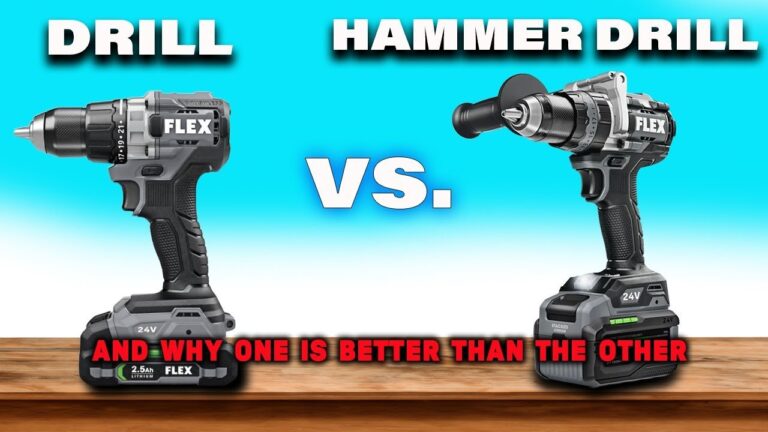
Using a hole saw with a corded drill means matching the bit size to the drill’s power and keeping the cut steady so the saw doesn’t bind or kick. Corded drills deliver steady torque, which suits larger hole saws better than most cordless models. You’ll need the right drill speed, a sharp pilot bit, and a firm two-handed grip. This method suits anyone cutting clean, round holes in wood, plastic, or thin metal with a standard corded drill.
What you need for using a hole saw with a corded drill

Gather these items before you start:
- A corded drill with sufficient power for the hole saw size
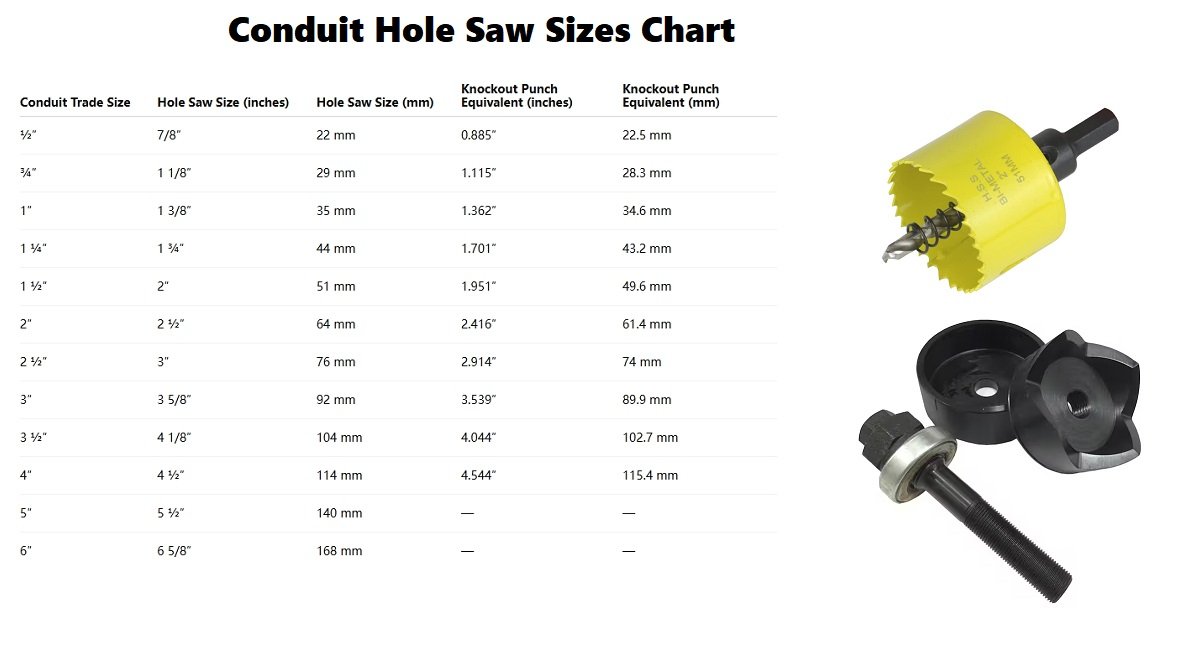
- A hole saw sized for your material and the hole you need
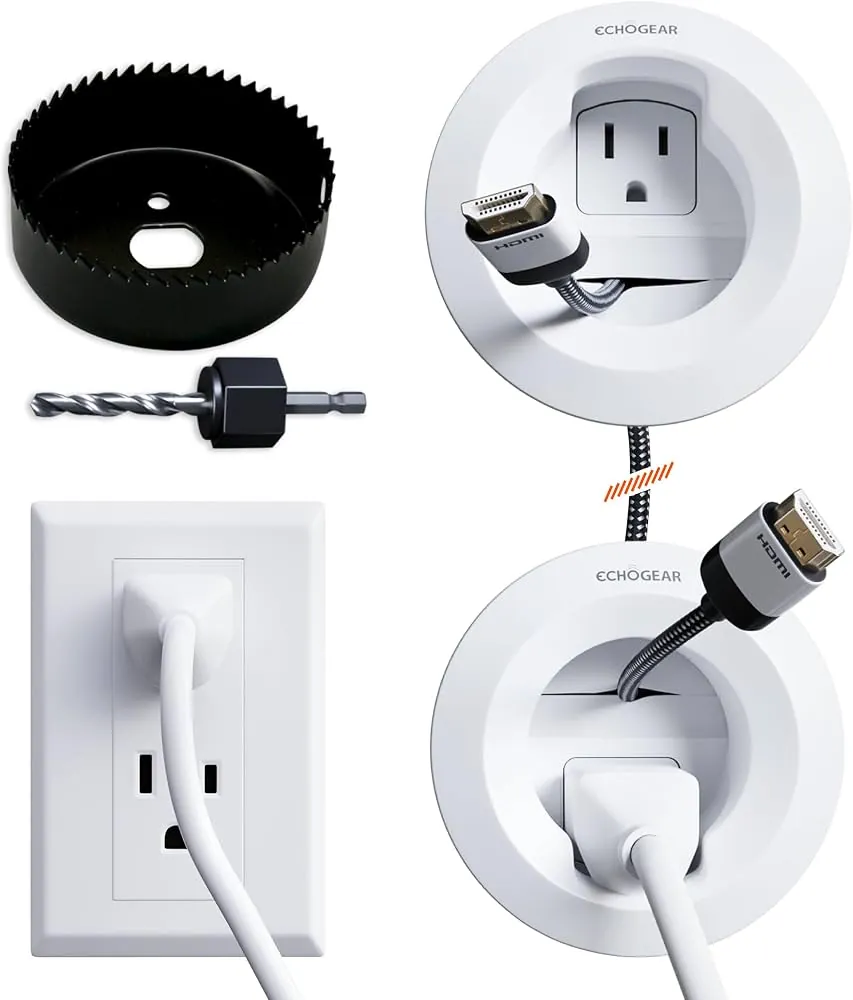
- A matching mandrel (arbor) with a sharp pilot drill bit
- A power outlet and an undamaged extension cord
- Safety glasses and hearing protection
- Clamps to hold the workpiece steady
- Cutting oil if you’re drilling metal
Use only a hole saw that matches your drill’s chuck size, usually 3/8 inch or 1/2 inch. A dull pilot bit won’t center the cut and can make the saw wander. If any step requires removing a guard or working on live electrical parts, stop and call a qualified electrician or tool repair technician.
Check the drill’s chuck capacity before buying your mandrel. If your drill is limited to 3/8 inch, you can’t use heavy-duty hole saws that require a 1/2 inch shank. Forcing an adapter can ruin the chuck’s grip.
Always clamp your material to a workbench. If you hold the wood by hand, the saw will bind and kick back with enough torque to break your wrist. If you’re drilling metal, apply cutting oil continuously or frequently to keep the teeth cool and lubricated.
How to cut with a hole saw and a corded drill
- Mark the center of the hole and clamp the workpiece to a stable surface.
- Fit the hole saw onto the mandrel and tighten the set screw firmly.
- Insert the mandrel into the drill chuck and tighten it with the chuck key.
- Set the drill speed low for large hole saws and metal; use higher speed for small saws in wood.
- Position the pilot bit on your mark, hold the drill with both hands, and start slowly.
- Apply steady, light pressure and let the teeth do the work; don’t force the cut.
- Withdraw the saw every few seconds to clear dust and metal chips.
- Finish the cut from the other side if the pilot bit breaks through first.
Careful: Never lean your body in line with the drill — if the saw binds, the drill can kick back toward you. Tip: Start the cut at a slight angle to bite the edge, then level the drill once the rim is seated. If the job involves cutting into a wall or ceiling where wires or pipes may run, stop and call an electrician or plumber before you drill.
How the job changes with the material
Softwood cuts quickly under light pressure, but it’s deceptive. If you hesitate or slow your feed rate, the friction generates enough heat to leave dark burn marks on the wood fibers. Keep a steady, brisk pace to ensure the blade clears the kerf efficiently.
Hardwood demands patience. You must maintain a slow, constant force to let the teeth do the work. If you see smoke or scorching, stop immediately; your blade is likely dull, and forcing it will only ruin your stock.
Plastic requires a delicate touch. It melts instantly if the saw overheats, which causes the material to gum up the teeth and seize the blade. Use a moderate speed and keep the tool moving to prevent buildup.
Thin metal is the most unforgiving. Use a low speed and firm, consistent pressure to prevent the teeth from chattering or binding. Always apply cutting oil to keep the temperature down.
Start with a small hole saw and work up in size rather than forcing a large one on the first try. Overshooting on the first attempt can jam the saw, damage the drill motor, or injure your hands.
How to tell the cut came out right
A good cut leaves a clean, round edge with little tearing and the core comes out in one piece. A poor cut leaves a ragged hole, burned edges, or a bent pilot bit.
Wandering happens when the pilot bit is dull or the drill isn’t held square to the surface. If the bit skips upon contact, you’re likely applying too much pressure before the teeth have seated. Maintain a firm, perpendicular grip, letting the tool’s weight do the work rather than forcing it through the material.
Keep the drill level, let the saw reach full speed before contact, and clear chips often so the teeth stay sharp. If the hole is rough, the saw is likely dull or the speed was too high for the material. When cutting hardwoods, use a slower speed to prevent heat buildup. If you see smoke, stop immediately; that friction will ruin the temper of the steel.
Safety rules and finishing up
Follow the power tool safety guidance published by the Occupational Safety and Health Administration (OSHA), which requires eye protection and secure workholding when operating drills. Unplug the drill before changing the hole saw or clearing a jam. Wipe metal shavings off the saw, store it in a dry place, and check the pilot bit for wear before the next job.
A hole saw lasts until its teeth are dull or bent; replace it when cutting slows noticeably. If you notice the saw skating across the surface or producing excessive smoke, stop immediately. These signs indicate the teeth have lost their set or the metal has softened from overheating.
If you must cut into walls, floors, or ceilings that may hide wiring, have an electrician check first. Use a stud finder with AC detection to identify hidden lines. If you hit resistance that feels like plastic or rubber, stop instantly. Forcing the drill through these materials often causes short circuits that destroy expensive tools and pose fire risks.
Other ways to cut the hole
Spade bit for wood
A spade bit cuts faster in softwood but leaves a rougher hole and works only in wood, not metal.
Step drill bit for sheet metal
A step bit makes several sizes in thin metal without changing tools, but it can’t cut large diameters like a hole saw.
Reciprocating saw for rough openings
A reciprocating saw handles large, rough cuts in walls but leaves an uneven edge and isn’t for finish work.
Frequently asked questions
What size hole saw can my corded drill handle?
Match the saw to your drill’s chuck: a 3/8-inch chuck takes smaller saws, while a 1/2-inch chuck handles larger ones. Check your drill’s manual for the maximum.
How fast should the drill spin?
Use low speed for large saws and metal, and higher speed for small saws in wood; the exact RPM depends on the saw diameter and material, so check the saw manufacturer’s chart.
Is it safe to cut metal with a corded drill?
Yes, if you use cutting oil, low speed, and a hole saw rated for metal; dry cutting overheats the teeth and can bind the saw.
What happens if the hole saw binds?
The drill can kick back, so release the trigger immediately, unplug the drill, and free the saw before continuing.
How long does a hole saw last?
It lasts until the teeth dull or bend, which depends on how often you use it and what you cut; inspect the teeth before each job.
Can I use this method on a wall or ceiling?
No — hidden wires or pipes make it unsafe; have an electrician or plumber check the area before you drill.
Conclusion
Keep your grip firm, your speed matched to the material, and your eyes on the cut, and a hole saw with a corded drill will give you clean holes without the kickback that sends most people to the emergency room.