Cordless vs. Corded Trim Routers: Which Makes More Sense?
Deciding whether a cordless or corded trim router makes more sense depends on your need for mobility versus consistent, high-power performance. For most hobbyists, a battery-powered tool provides the best balance of convenience and versatility. However, if you are planning to run long, deep profiles for hours at a time, a corded router is the better choice because it never runs out of power.
Comparing trim router features
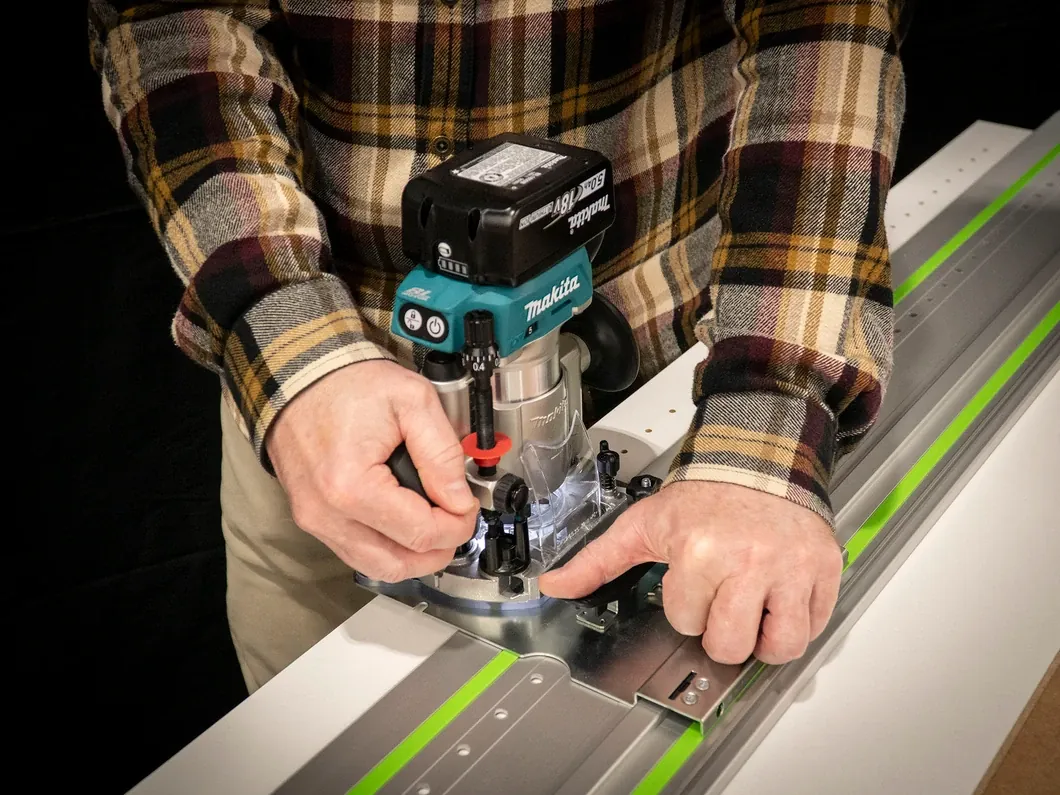
While cordless models offer freedom, they often come with a weight penalty due to the battery. Use this table to decide which setup fits your workshop habits.
| Method | How long | Effort | Cost | Best for |
|---|---|---|---|---|
| Cordless | 30-60 mins | Low | High | Site work |
| Corded | Unlimited | Medium | Low | Long shop runs |
| Pneumatic | Unlimited | High | Medium | Production lines |
If you own many tools from one brand, a cordless router is usually the cheaper path because you can share batteries. If you’re starting from scratch, a corded model offers more power for every dollar you spend.
Using a cordless trim router
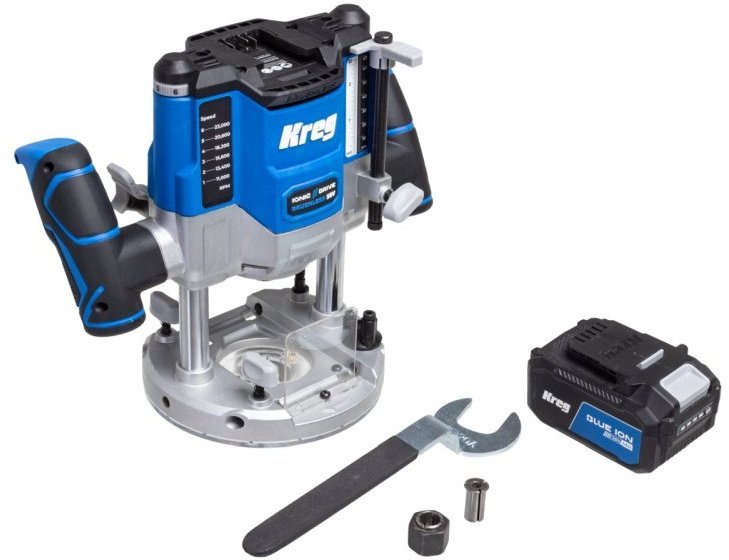
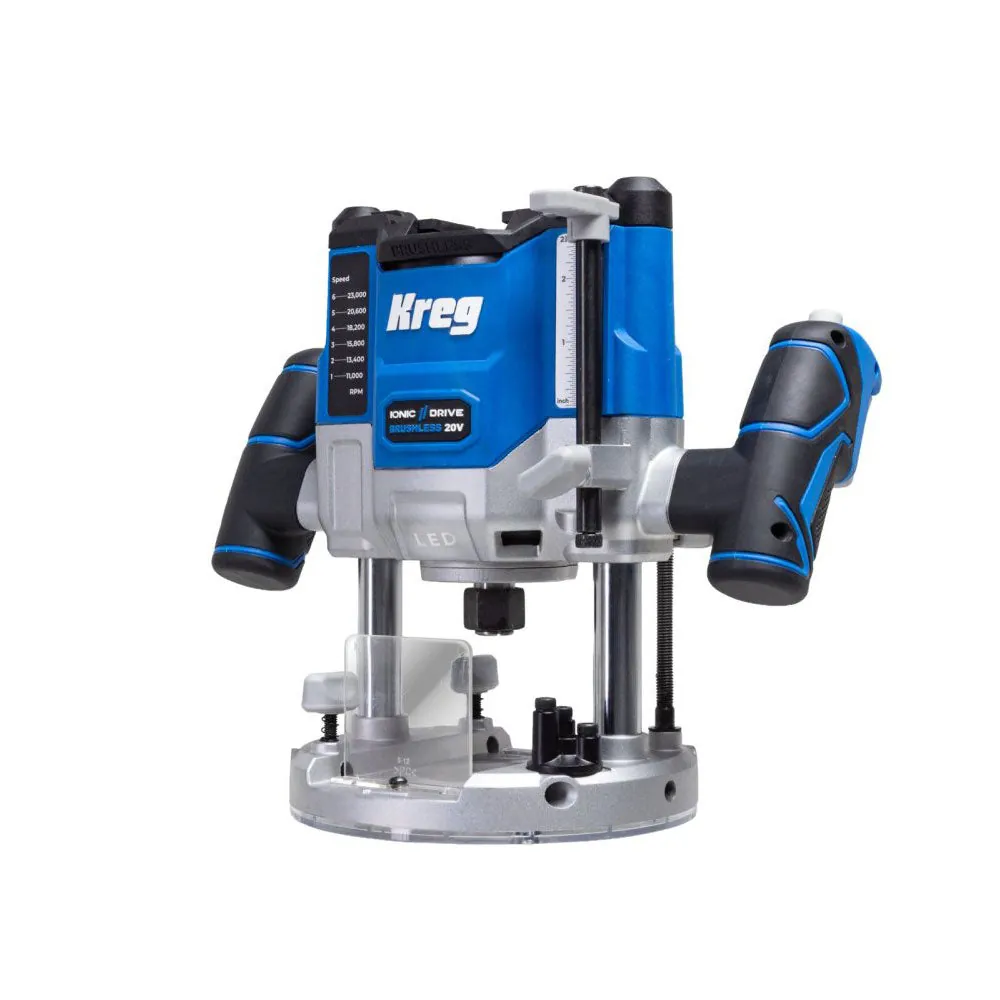
A cordless router works by drawing energy from a lithium-ion battery pack. This allows you to move around large workpieces without managing a dangling power cable.
- Insert a 18V or 20V battery into the base of the tool until it clicks.
- Adjust the depth of cut using the micro-adjust dial on the side of the housing.
- Tighten the collet nut with the provided wrenches to ensure the bit is secure.
- Press the safety lock, then pull the trigger to start the motor.
These tools are excellent for edge profiling and small hinge mortises. Their main weakness is the runtime; you’ll need at least two batteries if you’re working away from a charger for a full day. Always ensure your workspace is well-lit, as the Occupational Safety and Health Administration guidelines emphasize that clear visibility is vital when using handheld power tools to prevent accidental contact with the bit.
Using a corded trim router
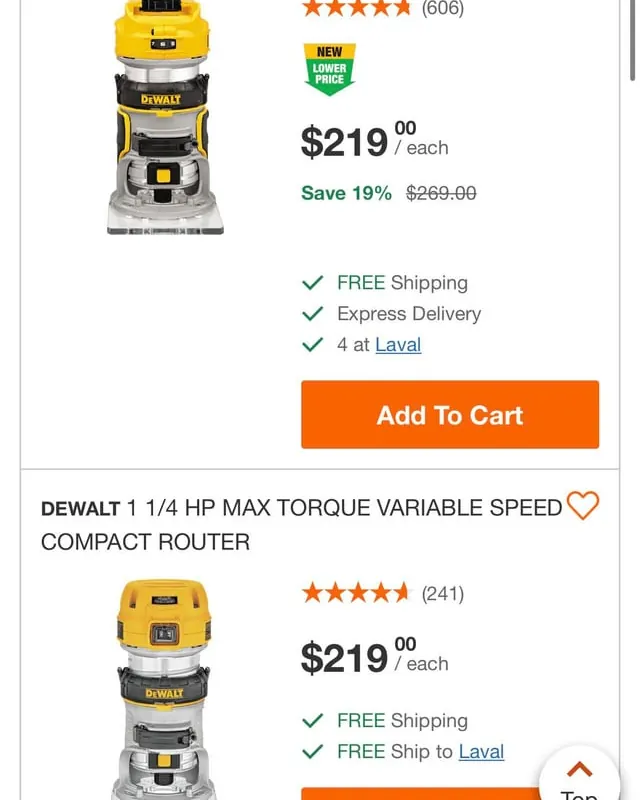
A corded router connects directly to a standard 120V outlet. Because it doesn’t rely on a battery, the tool remains lighter and maintains a constant motor speed even under heavy load.
- Plug the power cord into a grounded outlet or an extension cord rated for the tool, or contact a technician if you have concerns about your electrical setup.
- Set your desired bit depth by releasing the locking lever and sliding the motor housing.
- Secure the bit into the collet, ensuring the shank is inserted at least to the depth mark indicated on the bit, but not so far that the flutes enter the collet.
- Flip the toggle switch to the “on” position to engage the motor.
The biggest strength here is the lack of downtime; you can work as long as you have wood to cut. The obvious trade-off is the cable, which can get snagged on the corner of your workbench or the edge of your project.
Using a pneumatic trim router
Pneumatic routers use compressed air to spin the motor. These are specialized tools used primarily in cabinet shops where air lines are already installed at every station.
Connect the air hose to the intake valve located at the base of the handle. Check your compressor settings to ensure you’re providing the 90 PSI required for full torque. If your gauge drops significantly below the tool’s rated operating pressure, stop; low pressure reduces cutting efficiency and can lead to poor finish quality.
Adjust the speed regulator to match the size of your router bit. Larger bits require slower speeds to prevent vibration, while small bits need high RPMs for a clean finish. Press the paddle trigger to begin your cut.
These tools are extremely lightweight and durable because they have no complex electronics to overheat. However, they’re useless without a large, high-capacity air compressor. A standard pancake compressor will cycle constantly and fail to maintain the necessary flow. If you don’t already have a shop-grade air system, buying one just for a router is rarely worth the investment.
Which trim router should you use?
The right choice depends on where and how you spend your time in the shop. If you’re in a hurry, a cordless model is faster to set up because you avoid unrolling and managing power cords.
For those doing this for the first time, a corded router is often better because you don’t have to worry about battery health or buying extra power packs. If you want the best possible result regardless of the effort, a corded router provides the most consistent speed for cleaner cuts on hardwood.
The primary trade-off is mobility versus endurance. A cordless tool gives you freedom, but a corded tool ensures you never have to stop mid-cut to swap a battery. If you’re working on a large project, remember that battery-powered tools lose performance as the charge drops, while corded tools maintain power until you switch them off.
Important safety and maintenance rules
Regardless of the power source, you must follow basic shop safety to avoid injury. Always wear eye protection, as routing creates fine dust and wood chips that can fly at high speeds. Before changing any bit, disconnect the power source or remove the battery entirely. This prevents the motor from starting accidentally while your fingers are near the sharp cutting edges.
Check your collet for debris every time you switch bits, as even a small piece of sawdust can cause the bit to slip during operation. A bit that isn’t fully seated will chatter, leading to ruined workpieces or dangerous kickback. If you feel the tool vibrating more than usual, stop immediately and inspect the bit for damage.
If you’re unsure about the electrical safety of your corded tool, take it to a qualified repair shop. Never attempt to open the motor housing yourself if you lack formal electrical training. If the cord shows exposed copper or fraying, replace the entire cord rather than applying electrical tape. A compromised cord under heavy load can cause a short circuit, creating a fire hazard that tape can’t contain.
Frequently asked questions
Can I use a trim router for large projects?
Yes, you can use a trim router for large projects, but it’s meant for light detail work like edge rounding or trimming veneer. If you need to remove large amounts of wood, use a full-sized plunge router instead. A trim router isn’t designed for heavy material removal or deep cuts.
How long does a cordless router battery last?
A standard 5.0Ah battery typically lasts between 30 and 45 minutes of continuous use, depending on the hardness of the wood and the size of the bit. If you’re only doing short, intermittent edge work, a single battery can easily last through several hours of shop time.
Is it safe to use a router without a dust port?
It’s safe to use a router without a dust port, but it isn’t recommended for your health. Fine wood dust can irritate your lungs and block your view of the cut line. Always wear a N95-rated mask if you don’t have a vacuum system attached to the tool.
How often should I sharpen my router bits?
You should sharpen your bits as soon as you notice burning marks on the wood or if you have to push the tool harder than usual. Dull bits cause the motor to work harder, which drains batteries faster on cordless models and can cause the wood to tear or splinter.
What happens if the router bit slips?
If the bit slips, it will likely pull out of the collet and ruin your workpiece or potentially cause the tool to kick back. Always ensure the bit is fully seated and the collet nut is tightened firmly with the provided wrenches before every single use to prevent this dangerous outcome.
Do I need a variable speed router?
Yes, a variable speed router is important if you plan to use different bit sizes. Large bits require a slower speed to prevent burning the wood, while small bits need high speeds to cut cleanly. Check the bit manufacturer’s packaging for the recommended speed range for your specific project.
Conclusion
Ultimately, the right tool comes down to how you prefer to work in your shop. If you’re still unsure, head to a local hardware store to hold both types in your hands. You’ll quickly feel which weight and balance suits your grip, making it much easier to pick the perfect partner.