Hammer Drill vs Impact Driver: Which Tool Do You Need
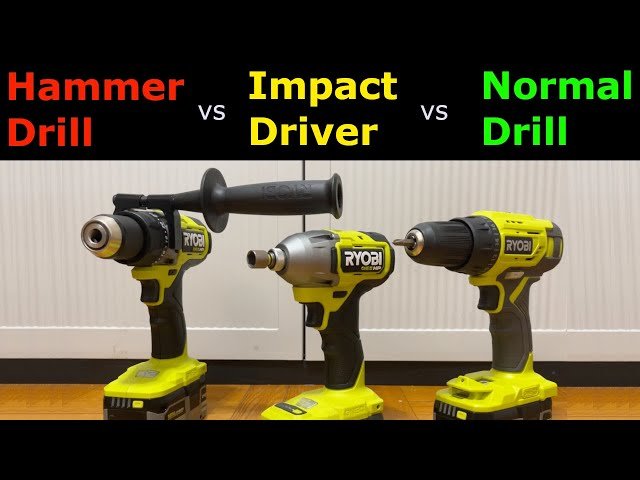
You should choose a hammer drill if you need to bore holes into masonry or concrete, whereas an impact driver is the right tool for driving long screws and heavy fasteners into wood or metal. The primary difference is that a hammer drill uses a percussive forward motion to chip away at hard materials, while an impact driver uses rotational force to deliver rapid, high-torque pulses in the direction of rotation for difficult fastening tasks.
When to Use Each Tool
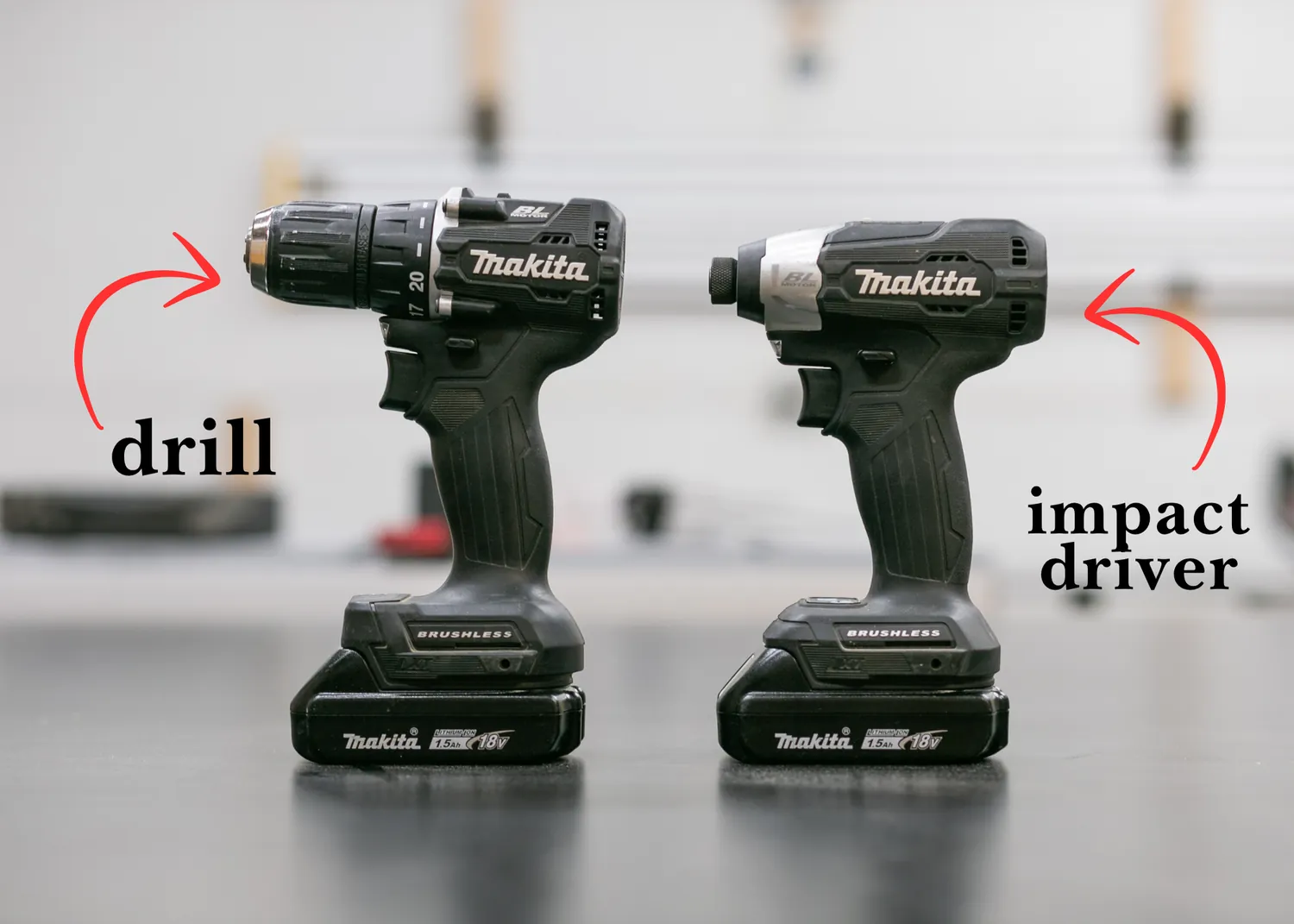
Choosing the right tool depends entirely on the material you’re working with and the specific task at hand. A hammer drill is built for heavy-duty drilling, featuring a clutch and a mechanism that moves the chuck back and forth to create a punching effect. This is essential for penetrating brick, stone, or poured concrete. In contrast, an impact driver is designed to provide immense turning power without the need for high-speed drilling capability.
If you’re building a deck or framing a wall, you’ll reach for the impact driver to sink screws quickly without stripping the heads. If you’re mounting shelves into a basement wall or installing an anchor into a stone patio, the hammer drill provides the necessary force to get through the substrate without burning out the motor. You shouldn’t try to use an impact driver for masonry, as it lacks the forward-striking mechanism required to break the material effectively.
| Feature | Hammer Drill | Impact Driver |
|---|---|---|
| Primary Action | Forward hammering | Rotational hammering |
| Best Material | Concrete, brick, stone | Wood, metal, steel |
| Main Usage | Boring holes | Driving large fasteners |
| Chuck Type | Keyed or keyless (up to 1/2 inch) | Hex collet (1/4 inch only) |
Hammer Drill vs Impact Driver Performance Differences
The mechanical design of these tools dictates how they interact with the materials you’re drilling or fastening. An impact driver’s internal anvil strikes the output shaft to generate high torque, which is measured in inch-pounds.
This is why they’re so effective at driving long screws into dense lumber, as the rapid rotational pulses prevent the bit from slipping out of the screw head. You’ll notice that impact drivers are generally smaller and lighter, making them easier to handle in tight spaces or overhead positions.
Hammer drills prioritize raw power for drilling. When you engage the hammer mode, the internal gears create a rapid forward impact that clears debris from the hole as you drill. This is a crucial function for masonry work, as it prevents the bit from overheating and failing prematurely. While some hammer drills have a secondary setting for standard drilling, they’re often heavier and bulkier than a dedicated drill or driver, which can lead to fatigue during long periods of use.
Tip: Always use high-quality carbide-tipped masonry bits with a hammer drill, as standard steel bits will dull instantly when they hit concrete or stone surfaces.
Mistakes That Ruin Your Tools
The most common mistake owners make is using the wrong bit for the job. You can’t use a standard hex-shank driver bit in a hammer drill chuck effectively, and you certainly shouldn’t try to use a masonry drill bit in an impact driver.
The high-torque pulses of an impact driver can snap the shank of a standard drill bit or damage the collet, while using a regular drill bit in a hammer drill will lead to slow progress and potential bit breakage.
Another common error is applying excessive pressure. With an impact driver, let the tool do the work; if you push too hard, you risk stripping the screw head or snapping the fastener. With a hammer drill, keep the tool level and apply steady, firm pressure to keep the bit biting into the concrete. If the tool starts to vibrate violently or the bit starts smoking, stop immediately, remove the bit, and check for buildup or debris in the hole.
Is It Safe to Do This Yourself?
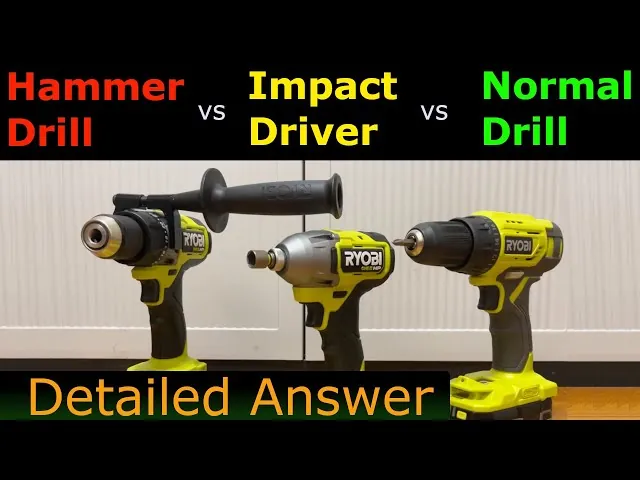
Using these power tools is safe for most home improvement projects provided you follow basic safety protocols. Always wear impact-resistant eye protection to shield your eyes from flying masonry chips or metal shards.
If you’re drilling into walls, be extremely careful about hidden electrical wiring or plumbing pipes. If you feel sudden resistance or hear a grinding noise that doesn’t sound like masonry, stop drilling immediately and investigate the area.
If you’re unsure about what is behind the surface, use a stud finder or a wall scanner to verify the area is clear. If you find signs of electrical damage or plumbing leaks, stop your work and call a licensed professional immediately to prevent fire or water damage.
Frequently Asked Questions
Can I use an impact driver to drill holes in concrete?
No, you shouldn’t use an impact driver for concrete. It lacks the forward-striking mechanism needed to break through hard masonry, and the high-torque rotational force can easily snap your drill bits or damage the internal collet of the tool.
Do I need both tools for home repairs?
Many homeowners start with a standard cordless drill-driver, but adding an impact driver makes fastening tasks significantly faster and easier. You only need a hammer drill if you specifically plan on anchoring items into concrete, brick, or stone surfaces.
Can a hammer drill replace a standard drill?
Yes, most hammer drills have a “drill only” mode that allows them to function like a standard drill. However, they’re often heavier and less comfortable for general household tasks like hanging pictures or assembling furniture compared to a lighter, more compact drill-driver.
Conclusion
Assess the primary materials you work with before deciding which tool to buy. If your projects involve mostly wood and drywall, prioritize a high-quality impact driver to save time and effort. If you frequently anchor items into masonry, ensure you have a hammer drill ready for those specific tasks.