Rotary Tool Accessories Explained: Bits, Wheels, and Drums
Rotary tools can handle almost any material when you select the correct bits, wheels, drums, and attachments. These high-speed power tools rely on a variety of accessories to cut, grind, sand, or polish. This guide explains how to choose and safely operate these components for your projects.
Rotary Tool Parts and Functions
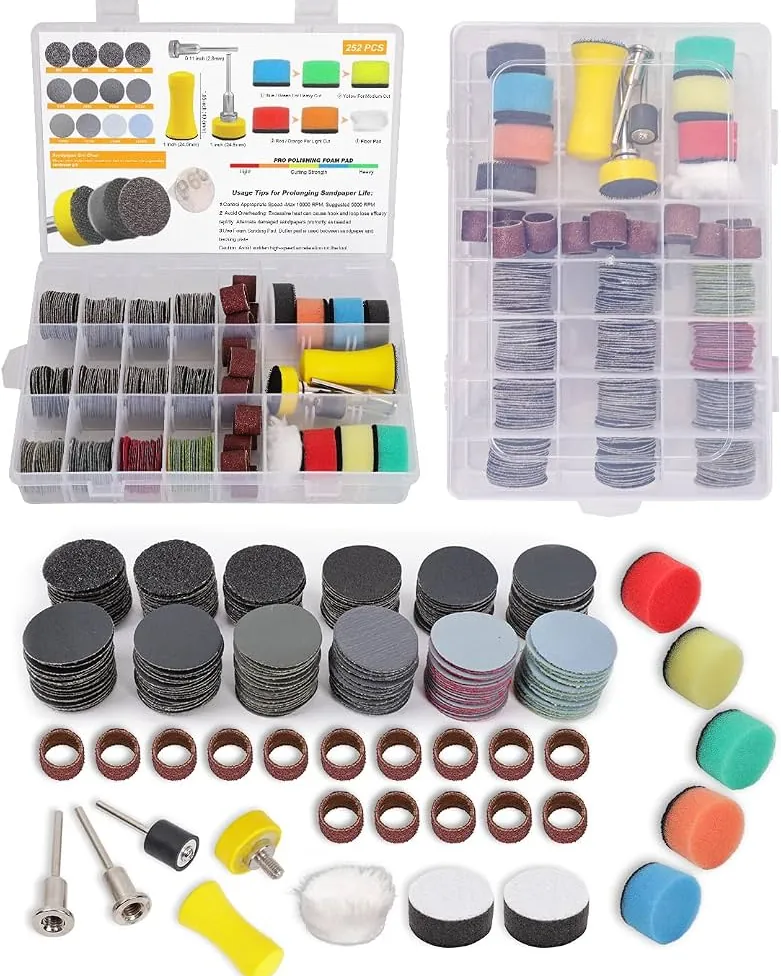
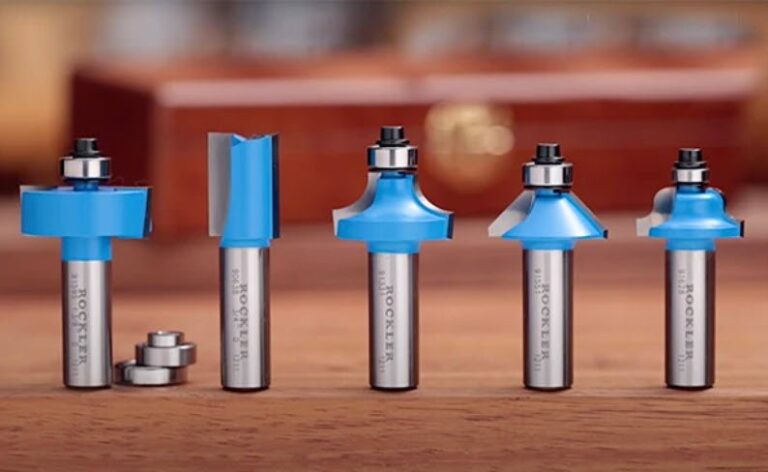
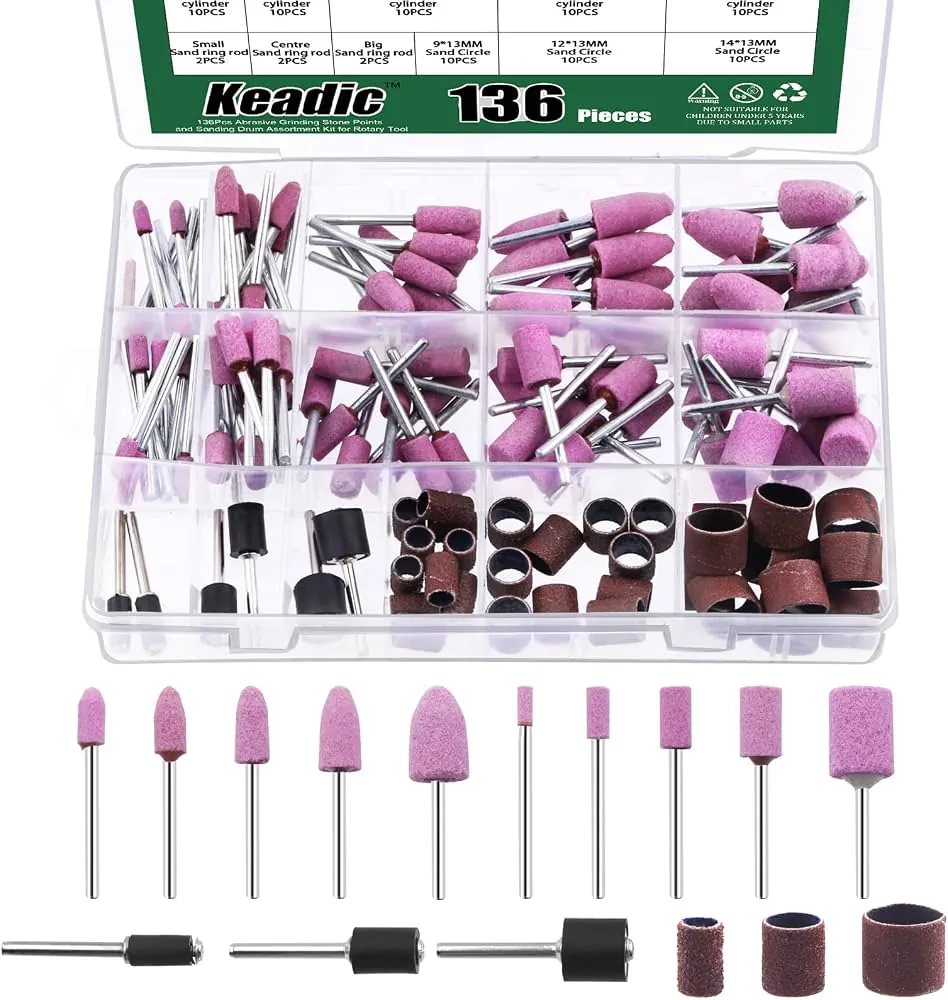
A rotary tool is a handheld power unit that spins a collet at very high speeds, usually between 5,000 and 35,000 RPM. You insert various accessories into this collet to perform specific tasks. Bits are generally for drilling or carving, wheels are for cutting or grinding, and drums are for sanding.
Many people think that a higher speed is always better, but this is a common mistake. If you use too much speed on soft materials like plastic, the friction will melt the surface instead of cutting it. Always match the tool speed to the material density and the specific accessory you’re using.
How to Safely Use Attachments
Follow these steps to ensure you use your tool safely and effectively:
- Unplug the tool or remove the battery before you change any accessory to prevent accidental starts.
- Loosen the collet nut using the wrench provided with your tool.
- Insert the shank of your chosen bit or mandrel fully into the collet, then pull it back out about 1/8 inch to allow for heat expansion.
- Tighten the collet nut firmly by hand, then give it a final quarter-turn with the wrench.
- Check that the accessory is centered and doesn’t wobble when you start the tool at a low speed.
- Wear safety glasses that meet ANSI Z87.1 eye protection standards to protect against flying debris.
- Start the tool at a low speed and gradually increase it until you find the right pace for your material.
If you’re a beginner, always practice on scrap material first. This helps you get a feel for how the tool pulls or vibrates during use. If the tool starts to chatter or vibrate heavily, stop immediately and check that the accessory is still tight.
Essential Settings and Accessories
| Situation | What to use | How long | What to watch for |
|---|---|---|---|
| Cutting metal | Reinforced cutoff wheel | Until spark slows | Wheel wear |
| Sanding wood | Sanding drum | Until grit smooths | Heat buildup |
| Engraving glass | Diamond bit | Steady pressure | Cracking |
| Polishing brass | Felt wheel | Short intervals | Surface heat |
| Drilling plastic | HSS drill bit | Light pressure | Melting |
The most important rule is to let the tool do the work. If you find yourself pushing hard to make progress, you’re likely using the wrong accessory or your bit is dull. Forcing the tool puts extra stress on the motor and leads to poor results.
Achieving Quality Results
Experienced users prioritize preparation over speed. They secure their workpiece with clamps so it can’t move, which keeps both hands free to control the tool. If you’re working on a long project, they break the work into short sessions to avoid fatigue. A tired hand leads to slips, which can ruin your work or cause injury.
They also check the condition of their accessories often. A worn-out sanding band or a chipped grinding stone won’t provide a smooth finish. If you see signs of wear, replace the part immediately. Trying to get “one more minute” out of a dull accessory usually results in a damaged surface that takes much longer to fix later.
Troubleshooting Common Issues
| What you notice | What it usually means | What to do first |
|---|---|---|
| Tool vibrates heavily | Accessory is off-center | Re-seat the shank |
| Material is melting | Speed is too high | Decrease RPM |
| Motor slows down | Too much pressure | Lighten your touch |
| Bit burns the wood | Bit is dull | Swap for new bit |
If the tool makes a high-pitched whining sound or smoke appears, stop immediately. Check that the collet isn’t loose and that you haven’t overloaded the motor. If the problem continues after you change the accessory, the tool itself may need professional service.
Adhering to Safety Rules
Safety is the most important part of operating power tools. Always read the manual for your specific model to understand its maximum RPM rating, as some small accessories can’t handle the highest speed settings.
According to the Consumer Product Safety Commission, you should always keep long hair and loose clothing away from the spinning parts to avoid entanglement. If you’re using a flex-shaft attachment, ensure the cable has a smooth, wide curve and no sharp kinks, as tight bends can break the internal wire.
Maintaining Your Tool Collection
To keep your accessories in good condition, store them in a dry, organized case. Moisture causes metal bits to rust, which makes them brittle and dangerous to use at high speeds. After you finish a project, clean the collet area with a soft brush to remove dust and debris.
If you notice the collet nut becoming hard to turn, apply a tiny drop of light machine oil to the threads. If the collet no longer grips bits tightly, replace the collet set to ensure a secure fit.
Choosing Alternative Methods
Sometimes a rotary tool isn’t the best choice for the job. For large-scale sanding, a belt sander or orbital sander will give you a better result in less time. If you need to drill large holes in thick wood, a standard power drill provides more torque and stability. Using the wrong tool for the task usually results in uneven cuts or a broken accessory. Always choose the tool that fits the scale of your project.
Related guides
- 10 Best Rotary Tools for DIY, Crafts, and Home Projects
- Die Grinder Bits and Attachments: A Guide to Every Accessory
Frequently asked questions
Can I use my rotary tool bits in a standard drill?
No, most rotary tool bits have a 1/8-inch shank that’s too small for standard drill chucks. You would need a specific adapter or a multi-chuck attachment to make them fit securely.
How do I know which speed to use?
Start at the lowest speed setting and increase it slowly until you see the desired result. Hard materials like steel generally require higher speeds, while soft materials like plastic require lower speeds to prevent melting.
How long do cutoff wheels last?
They last based on the thickness and hardness of the material you’re cutting. You should replace the wheel as soon as it becomes noticeably smaller or if you see cracks appearing on the surface.
Is it safe to use these tools on stone?
Yes, but you must use diamond-coated bits and keep the area wet. Water acts as a coolant and prevents the dust from becoming airborne, which is a major health risk to your lungs.
What happens if I use a bit that isn’t tight?
The bit will wobble, which makes your work look messy and can cause the tool to jump out of your hands. Always ensure the collet nut is tightened firmly before you power on.
How often should I clean my rotary tool?
You should clean it after every use by wiping away dust with a dry cloth. Use compressed air to blow debris out of the vents, but ensure the tool is unplugged first to prevent damage.
Conclusion
Using the right accessories transforms your rotary tool into a versatile workshop essential. Take the time to match your bit to the task, keep your speed controlled, and always prioritize your personal safety. With these habits, you’ll find that even the most detailed projects become much easier to manage.