Impact Driver Bit Keeps Slipping or Falling Out: Quick Fixes
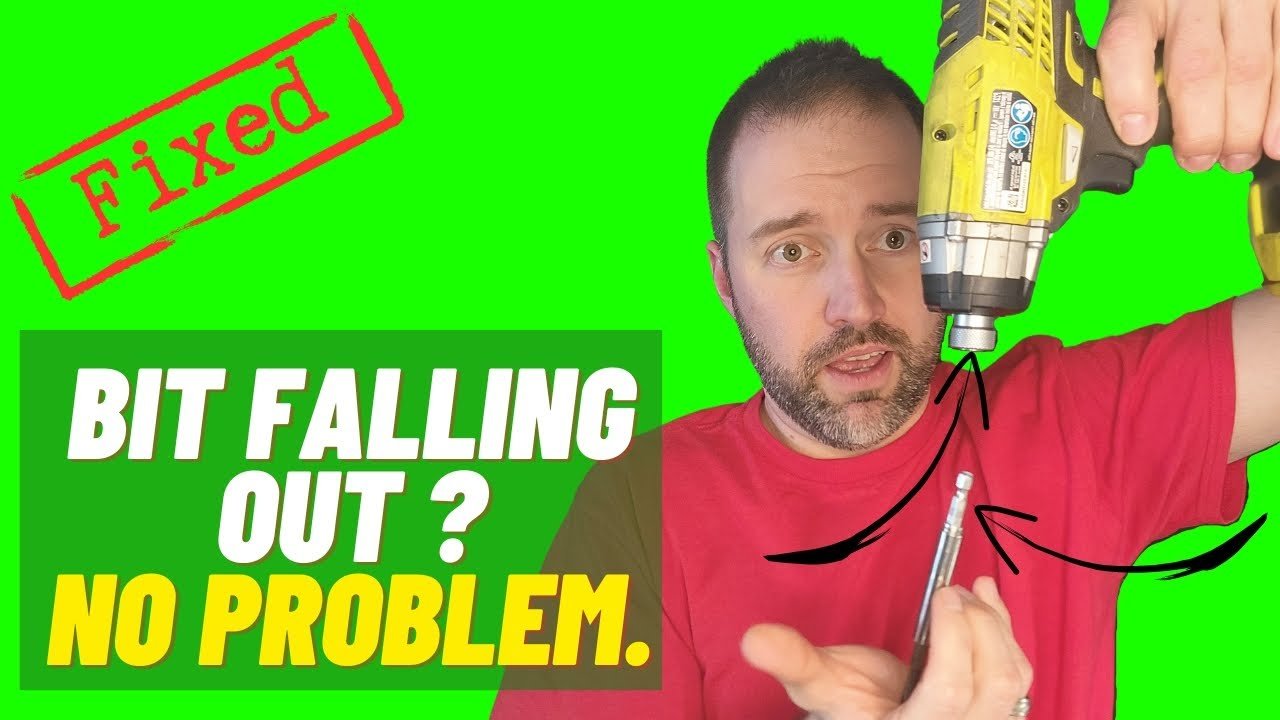
An impact driver bit keeps slipping or falling out when the hex shank isn’t seated fully in the chuck, or when the chuck’s retaining clip is worn. Push the bit straight in until you feel it click, then give it a gentle tug. If it doesn’t lock, the most common cause is a dirty or damaged chuck that can’t grip the shank.
Why impact driver bits slip
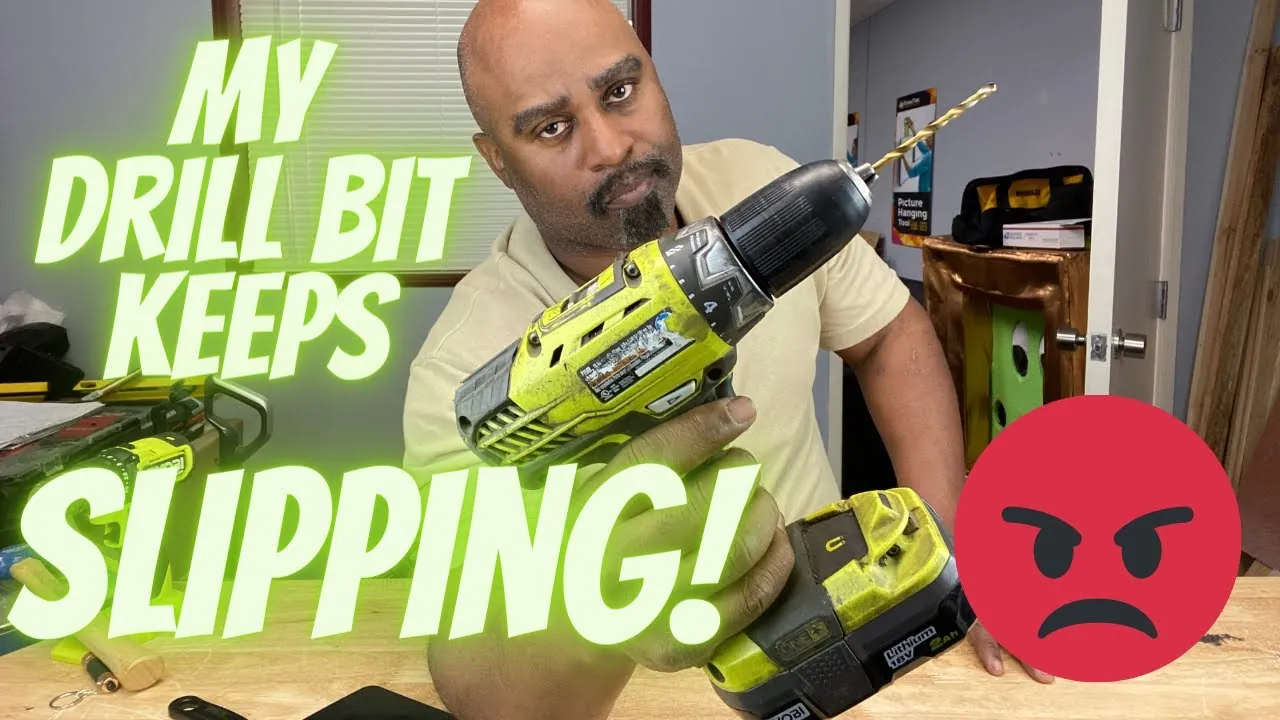
Bits slip because the hex shank doesn’t sit deep enough in the chuck. Dust, metal shavings, or rust inside the chuck stop the shank from reaching the bottom. The retaining clip that holds the shank can also wear out or lose its spring, especially after heavy use. A rounded hex shank won’t grip either, even if the chuck is clean. You can check this yourself by looking inside the chuck with a flashlight and feeling for grit or play.
Clean the chuck and seat the bit
This fix is for bits that slip because of dirt or shallow seating. Wipe the inside of the chuck with a dry cloth, then push the bit straight in until you hear it click. Give it a gentle tug to confirm it’s locked. If you feel any grit or the bit wobbles, stop and clean it again before driving. This takes under a minute and needs no tools.
Replace a worn bit or chuck
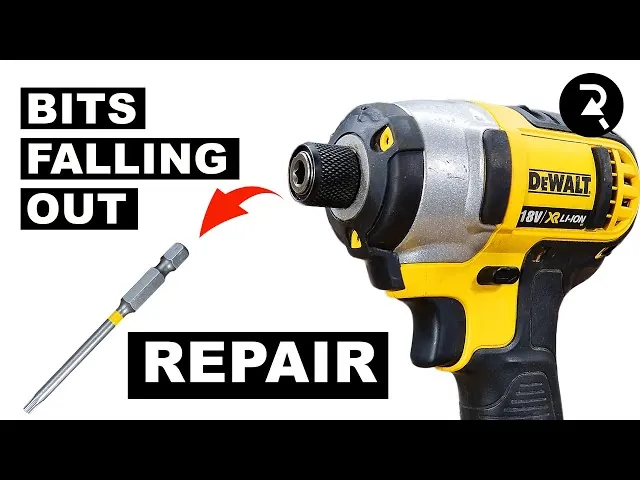
Use this when cleaning doesn’t help. Inspect the hex shank for rounded corners, and check the chuck’s clip for weak tension. A rounded shank will never hold, so swap in a new bit first. If a new bit still slips, the chuck’s retaining clip is likely worn and the driver needs service. Contact the manufacturer or a tool repair shop for this, since opening the driver yourself can void the warranty.
Use a magnetic bit holder
This is for harder cases where bits keep falling out between tasks. Slide a magnetic holder into the chuck, then insert your bit into the holder. The magnet keeps the bit seated even when you tip the driver. It adds a little length, so it won’t work in tight spaces, and it isn’t a substitute for a damaged chuck. Buy one from a hardware store or tool supplier if your driver accepts standard hex accessories.
What not to do with a slipping bit
Don’t force the bit into the chuck with a hammer. You risk cracking the internal jaws or rounding the hex shank, which renders the tool permanently prone to slipping.
Avoid wrapping tape around the shank to increase its diameter. This creates a gummy residue that fouls the chuck’s locking mechanism and provides no true mechanical grip.
Stop driving the moment you feel the bit chatter or skip. A slipping bit generates intense heat that can anneal the metal, softening the tip until it strips screw heads instantly. If the bit fails to seat firmly, check the chuck for metal shavings or debris. If the bit is worn, replace it immediately; a new bit costs pennies, while a stripped fastener costs hours.
Keep bits from slipping again
| If you’re doing this | Do this instead | Why |
|---|---|---|
| Driving with a dirty chuck | Wipe the chuck before each job | Grit stops the shank from seating fully |
| Using rounded or worn bits | Replace bits when the hex shows wear | A rounded shank can’t grip the clip |
| Forcing bits in hard | Push straight in until it clicks | Forcing damages the chuck mechanism |
| Storing bits loose in a bag | Keep bits in a case or holder | Loose bits get dented and won’t seat |
Related guides
Frequently asked questions
Why does my impact driver bit keep falling out?
It usually falls out because the hex shank isn’t seated fully or the chuck’s retaining clip is worn. Push it in until it clicks, and clean out any dust or metal shavings first.
Can I use tape to make a loose bit fit better?
No. Tape leaves residue inside the chuck and doesn’t create a real lock, so the bit can still slip and strip your screws.
How long should a bit last before it slips?
There’s no set lifespan; it depends on how often you use it and what you drive. Replace the bit when you see rounded corners on the hex shank.
Is it safe to keep driving with a slipping bit?
No. A slipping bit strips screw heads, damages fasteners, and can injure your hand if the driver kicks back.
What happens if I force the bit in with a hammer?
You can crack the chuck or round off the hex shank, which makes the bit impossible to seat properly ever again.
Conclusion
A clean chuck and a fully seated bit solve most slipping problems. If a new bit still won’t lock, the chuck itself is likely worn and the driver needs professional service.