How to Drill Into Brick With a Hammer Drill: Step-by-Step Guide
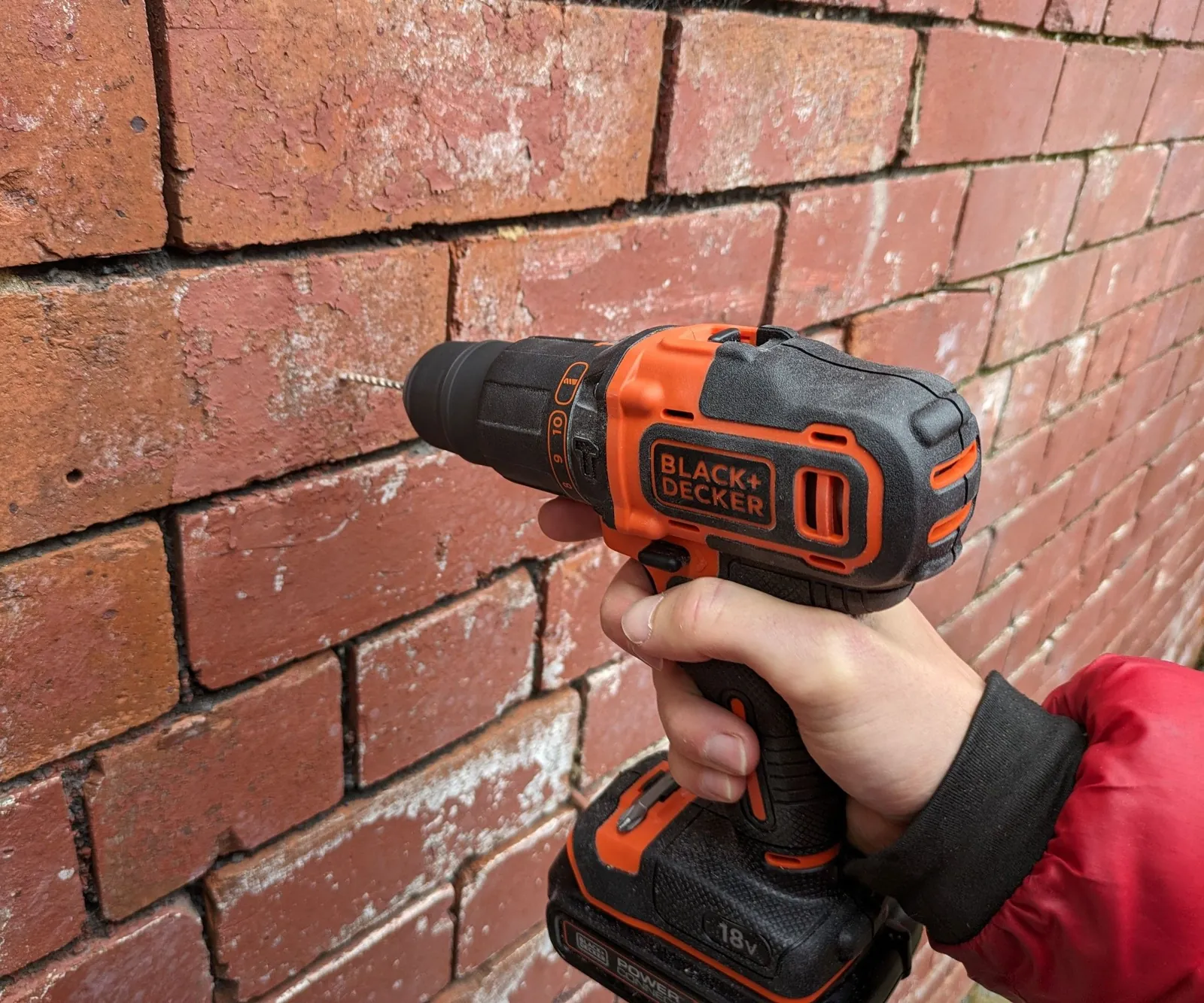
To drill into brick with a hammer drill, you must use a masonry bit, set your tool to the hammer setting, and apply steady, firm pressure while keeping the drill perfectly level. You’ll typically finish a standard 2-inch deep hole in about 30 to 60 seconds, depending on the hardness of the brick and the speed of your drill.
Steps for Drilling Into Brick
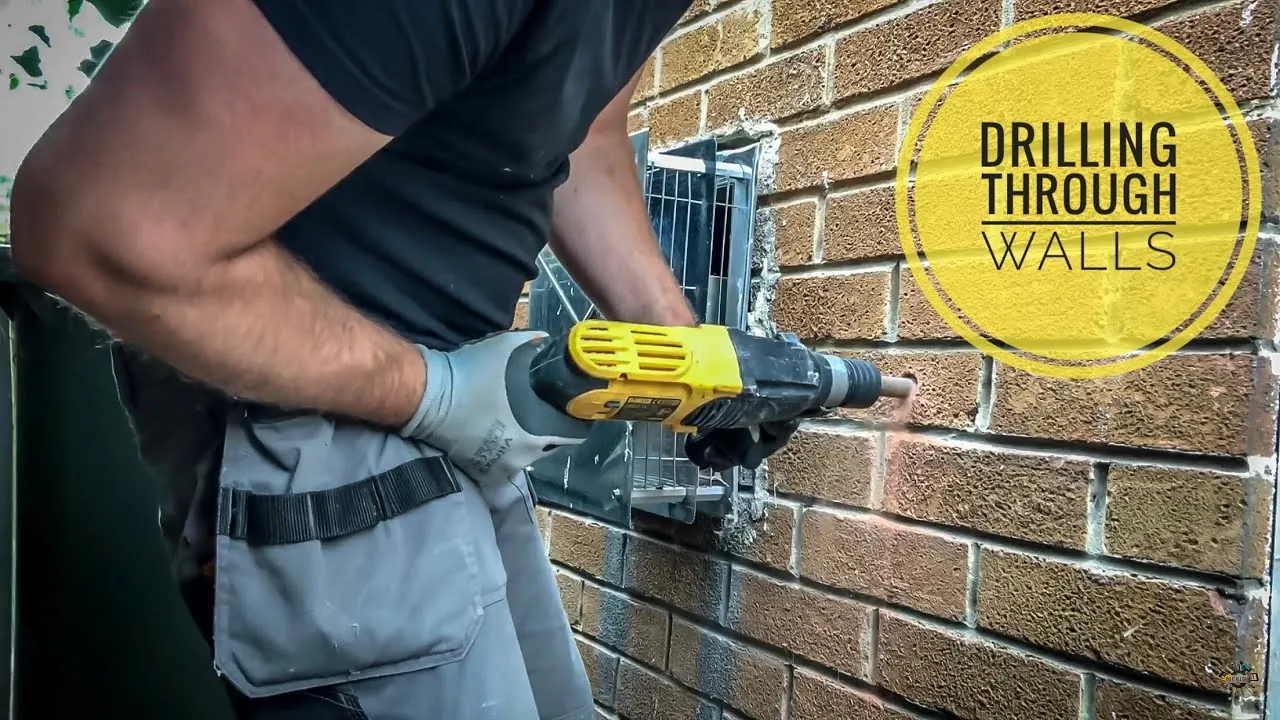
Mark your spot with a piece of masking tape rather than a pencil. Brick surfaces are often gritty or uneven, and a pencil line can easily blur or disappear. The tape provides a high-contrast surface that keeps your starting point precise.
Select a carbide-tipped masonry drill bit that matches the diameter of your anchor. If you’re drilling into the mortar joint rather than the brick itself, use a smaller bit. Mortar is softer and prone to crumbling; a smaller hole ensures the anchor has enough material to grip securely.
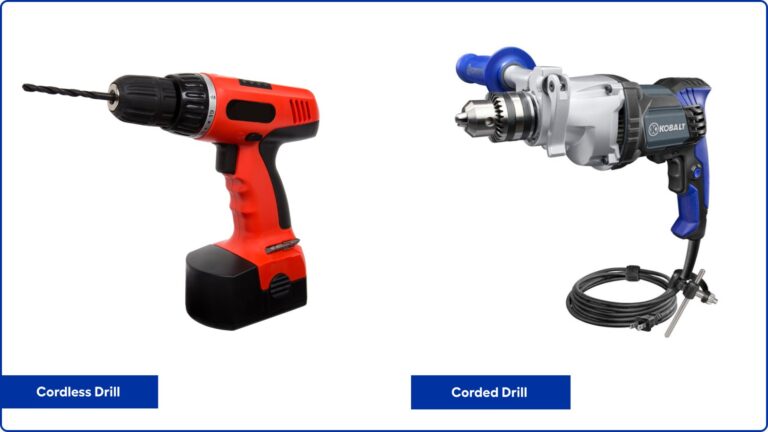
Switch your tool to the hammer setting. If your drill lacks this feature, you’ll need significantly more physical force to penetrate the kiln-fired clay. Without the hammer action, you risk burning out the motor or dulling the bit before you reach the required depth.
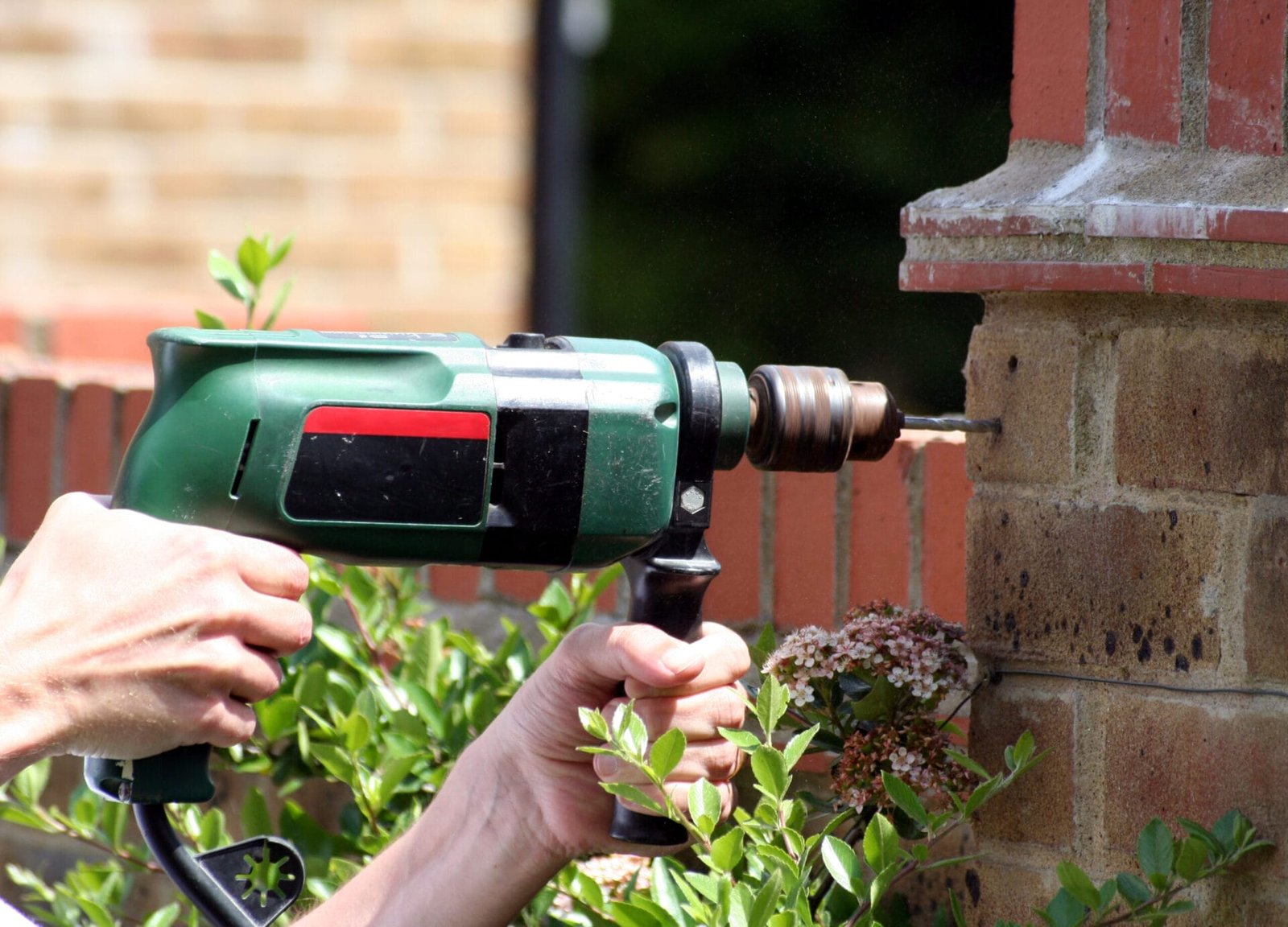
Hold the drill firmly with both hands at a perfect 90-degree angle. If the drill tilts even slightly, the hole will widen, causing the anchor to spin loosely inside the brick.
Begin at a low speed to create a starter divot. If you start at full speed, the bit will skate across the hard surface, leaving unsightly scratches. Once the bit is seated, increase to a medium-high speed while maintaining firm, consistent pressure.
Clear the dust every few seconds by pulling the bit partially out while the drill is still spinning. If you leave the dust in the hole, it packs into a paste that creates friction and heat, which can snap the tip of your bit.
Stop the drill before pulling it completely out of the hole. If you pull the bit out while it’s still spinning, you risk enlarging the opening, which ruins the tight fit necessary for a secure mount.
Time and Depth Estimates
The following table shows how long you should expect to spend drilling based on common hole sizes. Keep in mind that older, softer brick often drills faster than modern, high-density exterior brick.
| Hole Diameter | Depth of Hole | Estimated Time |
|---|---|---|
| 1/4 inch | 1 inch | 15 seconds |
| 1/4 inch | 2 inches | 30 seconds |
| 3/8 inch | 2 inches | 50 seconds |
| 1/2 inch | 3 inches | 90 seconds |
If you encounter significant resistance or smoke, stop immediately. You have likely hit a steel lintel or a hidden wall tie. Forcing the bit will ruin your carbide tip within seconds.
Test your brick density by drilling a small pilot hole in an inconspicuous area. If the dust is light gray and fine, expect to double these time estimates. If the dust is reddish and coarse, the material is soft enough to follow this table closely. Always clear the hole of debris every half-inch to prevent the bit from overheating.
Mistakes That Ruin Your Progress
Why is my drill bit getting extremely hot?
If your bit turns blue or starts smoking, you’re likely pushing too hard or using a dull bit. High heat ruins the temper of the metal, making the bit useless for future projects. Stop immediately, let the bit cool down for several minutes, and verify that your drill is set to “hammer” mode rather than just “rotation.”
Is it okay to drill into the mortar joint?
While it’s easier to drill into mortar, you should avoid it whenever possible. Mortar is significantly weaker than brick and won’t hold heavy loads, which often leads to your anchors pulling out over time. Always aim for the center of the brick to ensure the best structural support for your fasteners.
Tip: Before you begin, check the Occupational Safety and Health Administration guidelines regarding silica dust, as drilling masonry creates fine particles that you shouldn’t breathe in.
Related guides
- 10 Best Hammer Drill for Concrete Picks for Any Job
- 5 Best Compact Hammer Drills for Power and Precision
- Hammer Drill vs. Rotary Hammer: What’s the Difference?
Frequently Asked Questions
Can I use a standard drill instead of a hammer drill?
You can, but it’s much slower and requires significantly more physical effort. Standard drills lack the impact action needed to pulverize the masonry, so you’ll likely struggle to get past the first half-inch of depth.
How do I know when I’ve reached the right depth?
Wrap a small piece of painter’s tape around the drill bit at the desired length to act as a visual depth gauge. This prevents you from drilling too deep and potentially hitting wires or pipes hidden inside the wall cavity.
What should I do if the drill hits a hard obstruction?
If you feel a sudden, intense resistance that doesn’t clear after a few seconds, stop drilling immediately. You may have hit a steel lintel or a hidden utility line, and forcing the tool further could cause significant damage to your home.
Conclusion
Before you start your project, take a moment to verify that your drill bit isn’t chipped or worn down, as a dull edge will only spin and create excessive heat. Once you’ve finished, use a vacuum to suck the remaining dust out of the hole before inserting your wall anchors.