Oscillating Tool vs Reciprocating Saw: Choosing the Right Tool
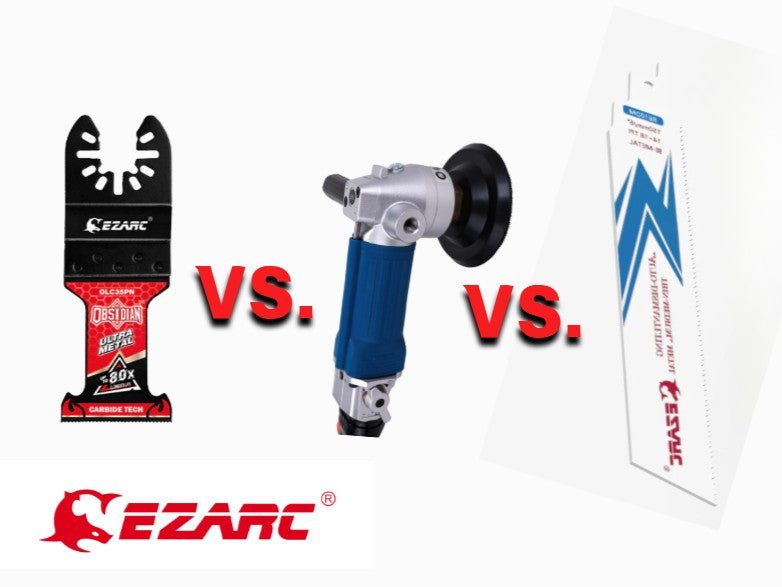
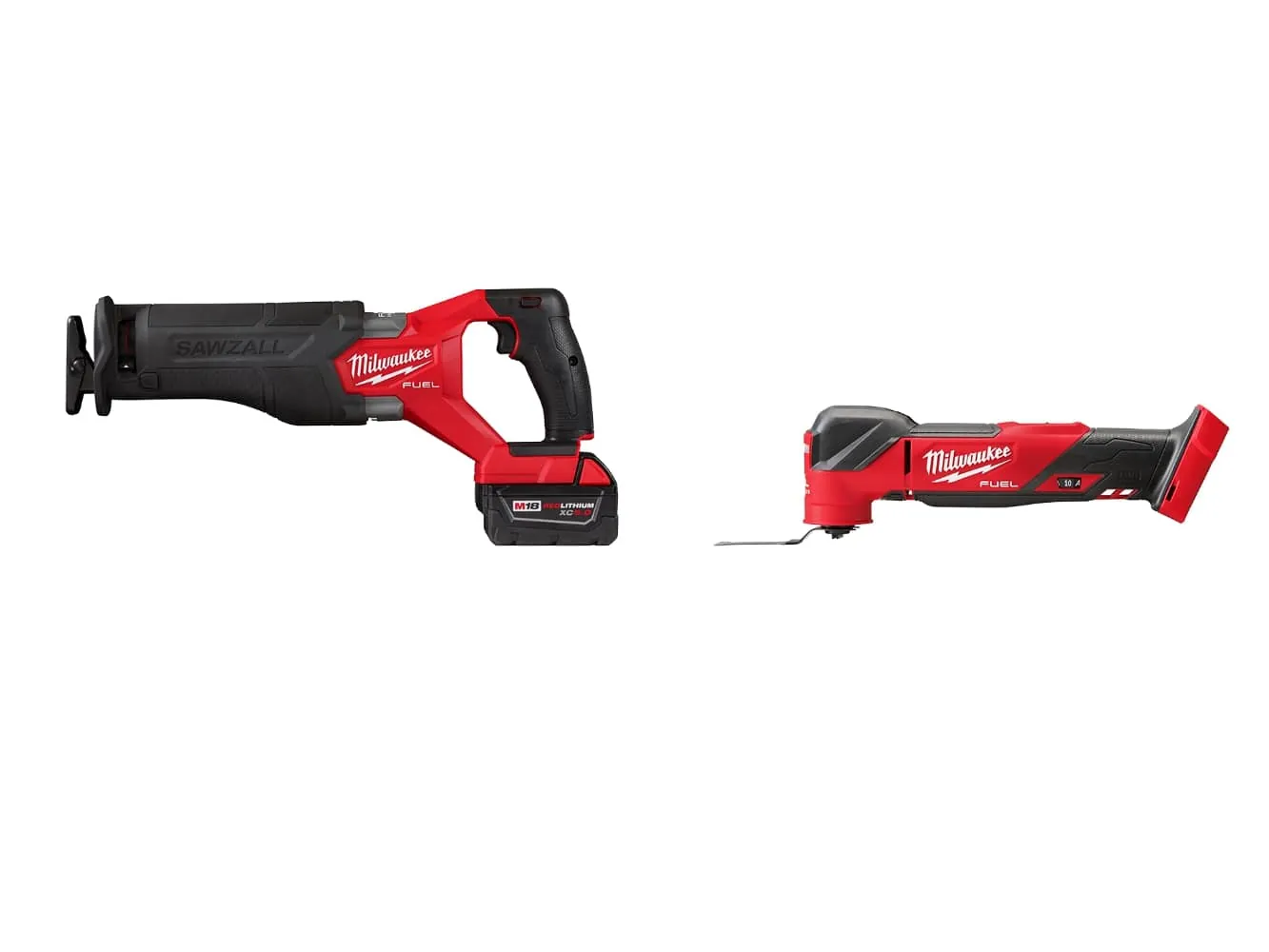
An oscillating tool is best for precision cuts, plunge cuts, and tight spaces, while a reciprocating saw is the superior choice for heavy-duty demolition, cutting through thick wood, or clearing out construction debris. You should choose an oscillating tool for delicate finish work and a reciprocating saw when you need raw power to clear large obstacles quickly.
When to Use Which Power Tool
The decision between these two tools depends entirely on the material thickness and the space you have available to work. An oscillating tool uses a small, high-frequency back-and-forth motion that excels at detail work, such as trimming door casings, cutting drywall, or removing grout.
Because the blade barely moves, it’s safer for controlled cuts near finished surfaces or pipes. Use this tool when you need to plunge-cut through a single layer of material, but always verify the area is clear of hidden plumbing or electrical lines first.
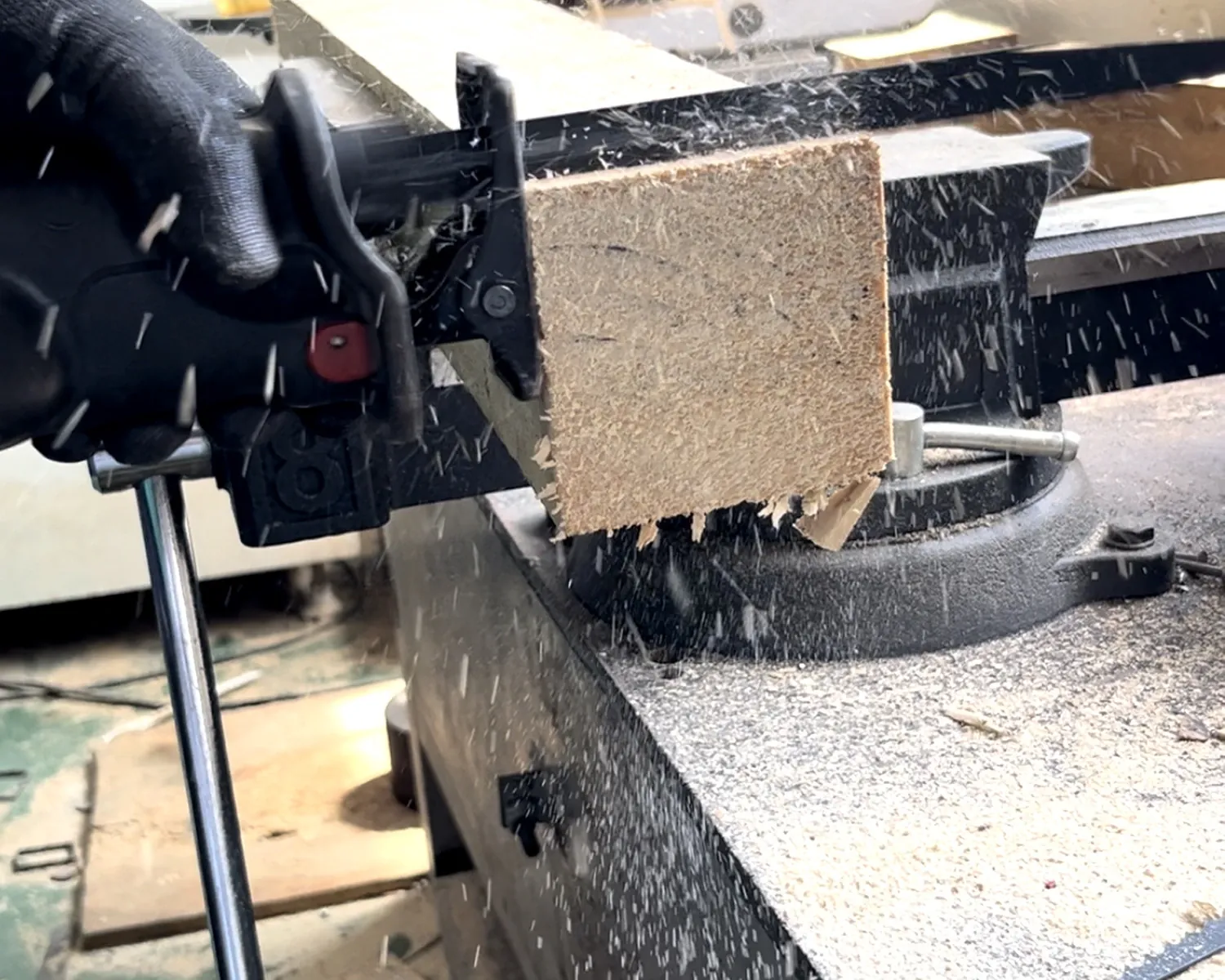
Conversely, a reciprocating saw moves the blade in a long, aggressive stroke. It’s designed to tear through nails, wood, and metal pipes during renovation projects where speed matters more than a clean edge. You’ll find it difficult to make a precise, neat cut with a reciprocating saw, but it’s the only option if you’re cutting through thick beams or demolition materials.
Many beginners make the mistake of using a reciprocating saw for finish work, which results in jagged edges and ruined trim. If you’re cutting material that’s visible after the project is complete, always choose the oscillating tool. If you’re cutting behind a wall or through structural framing, use the reciprocating saw. Always match the blade tooth count to the material density: use high-tooth counts for metal and low-tooth counts for wood to prevent the tool from binding or kicking back.
Essential Safety Precautions
Both tools require specific attention to avoid injury during operation. Because reciprocating saws generate significant kickback if the blade binds, you must always maintain a firm, two-handed grip and ensure your workpiece is properly clamped. Oscillating tools, while safer, still produce fine dust that can irritate the lungs, so wearing eye and respiratory protection is a standard requirement for any cutting task.
Always check the area behind your cut for hidden electrical wires or water lines before you begin, as both tools are powerful enough to damage these lines instantly. If you’re cutting into an existing wall, use a stud finder or probe the depth of the material first. If you hit a hard resistance that feels metallic or hollow, stop immediately; you’re likely touching a conduit or pipe.
Always disconnect the power source or remove the battery whenever you change blades or adjust the tool settings to prevent accidental activation. Never force a blade through a material that exceeds the tool’s rated capacity, as this increases the risk of the blade snapping. Many users make the mistake of using the tool’s weight to force a cut, which often leads to motor burnout or erratic tool behavior. Instead, let the blade speed do the work.
Common Mistakes That Ruin Your Results
The most frequent error is using the wrong blade for the material. A wood blade will dull almost instantly if you try to cut through a metal pipe or a nail embedded in a stud. Always check the packaging on your replacement blades to ensure they’re rated for the specific hardness of the material you’re working on. If you’re cutting through reclaimed lumber, assume there’s metal inside and switch to a bi-metal blade immediately.
Another mistake is applying too much pressure. Users often think that pushing harder makes the tool cut faster, but this usually just overheats the motor and burns the material. Let the tool’s vibration or stroke do the work. If it’s struggling, you’re either using a dull blade or the wrong tool for the job.
Finally, failing to secure your material leads to vibration, which ruins the accuracy of your cut and makes the tool harder to control. Use at least two clamps for any piece longer than three feet. If the material bounces while you cut, stop and reposition your clamps. A loose board costs you time, ruined stock, and potential injury.
Related guides
- Circular Saw vs Miter Saw: Which Tool Should You Use
- Corded vs Cordless Oscillating Tools: The Buying Verdict
- 10 Best Oscillating Multi-Tools for DIYers and Pros Reviewed
Frequently Asked Questions
Can I use an oscillating tool to cut through thick timber?
No, it’s not designed for thick wood. An oscillating tool is meant for thin materials, and trying to cut through a large beam will take a very long time and likely overheat the motor.
Is a reciprocating saw safe for cutting drywall?
It’s generally a poor choice for drywall because the blade is too long and can hit hidden wires or pipes behind the wall. An oscillating tool or a hand-held drywall saw is much safer and easier to control.
Which tool is easier for a beginner to handle?
The oscillating tool is significantly easier for a beginner to manage. It has less kickback, is more lightweight, and provides much better visibility during the cut, which helps prevent costly mistakes.
Conclusion
Identify the specific material you need to cut and the amount of room you have to move the tool. If you’re doing detailed renovation work, start with an oscillating tool, but keep a reciprocating saw ready for any major structural demolition tasks.