How to Use a Circular Saw: Setup, Straight Cuts, and Safety
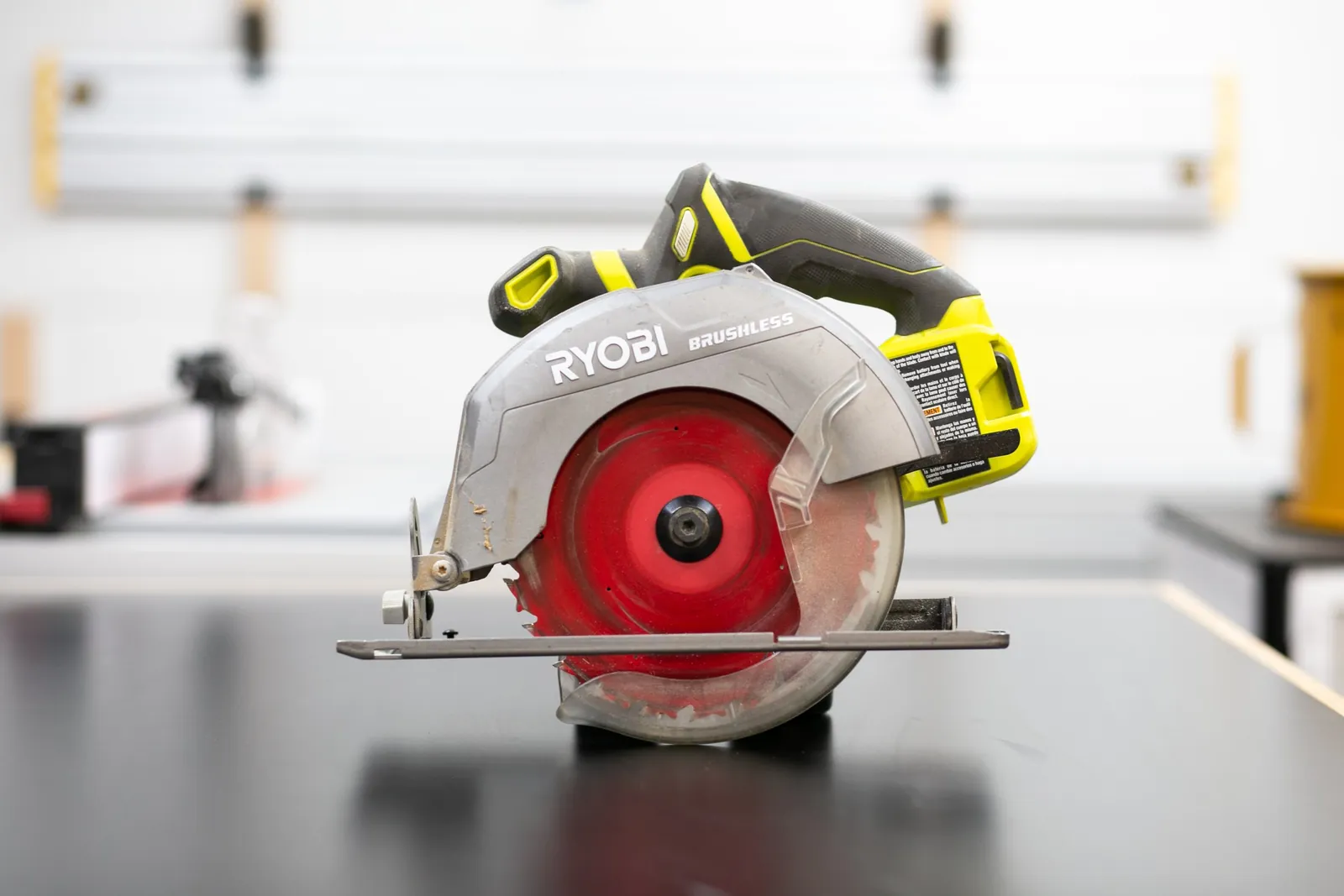
To set up a circular saw for precise work, you must adjust the blade depth so it extends only 1/4 inch below the wood, secure your workpiece with clamps, and always position your body to the side of the cut line. You’ll need a sharp carbide-tipped blade, a sturdy workbench, and personal protective equipment including safety glasses and ear protection to ensure you don’t encounter hazards while working.
Executing Straight Circular Saw Cuts
-
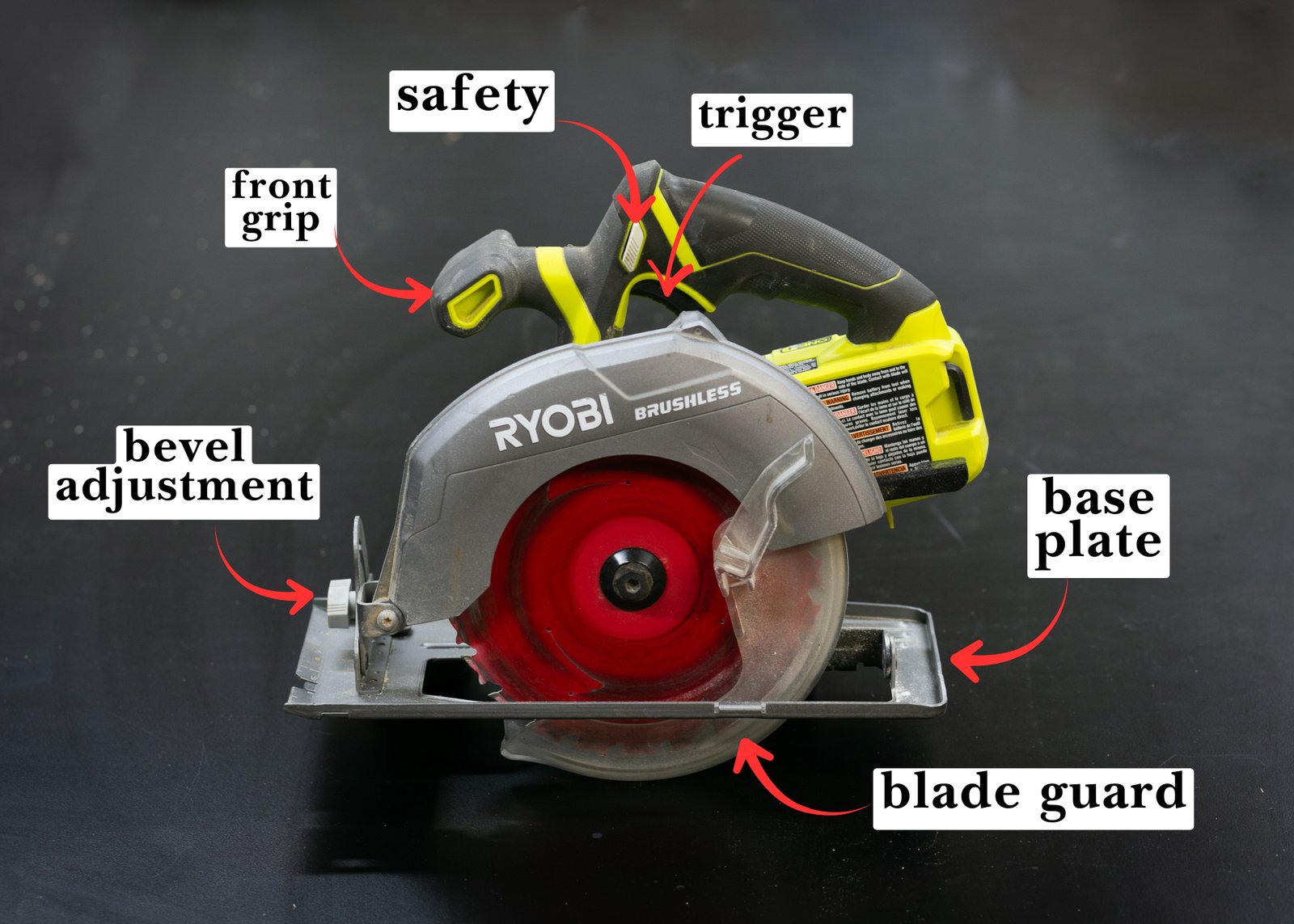
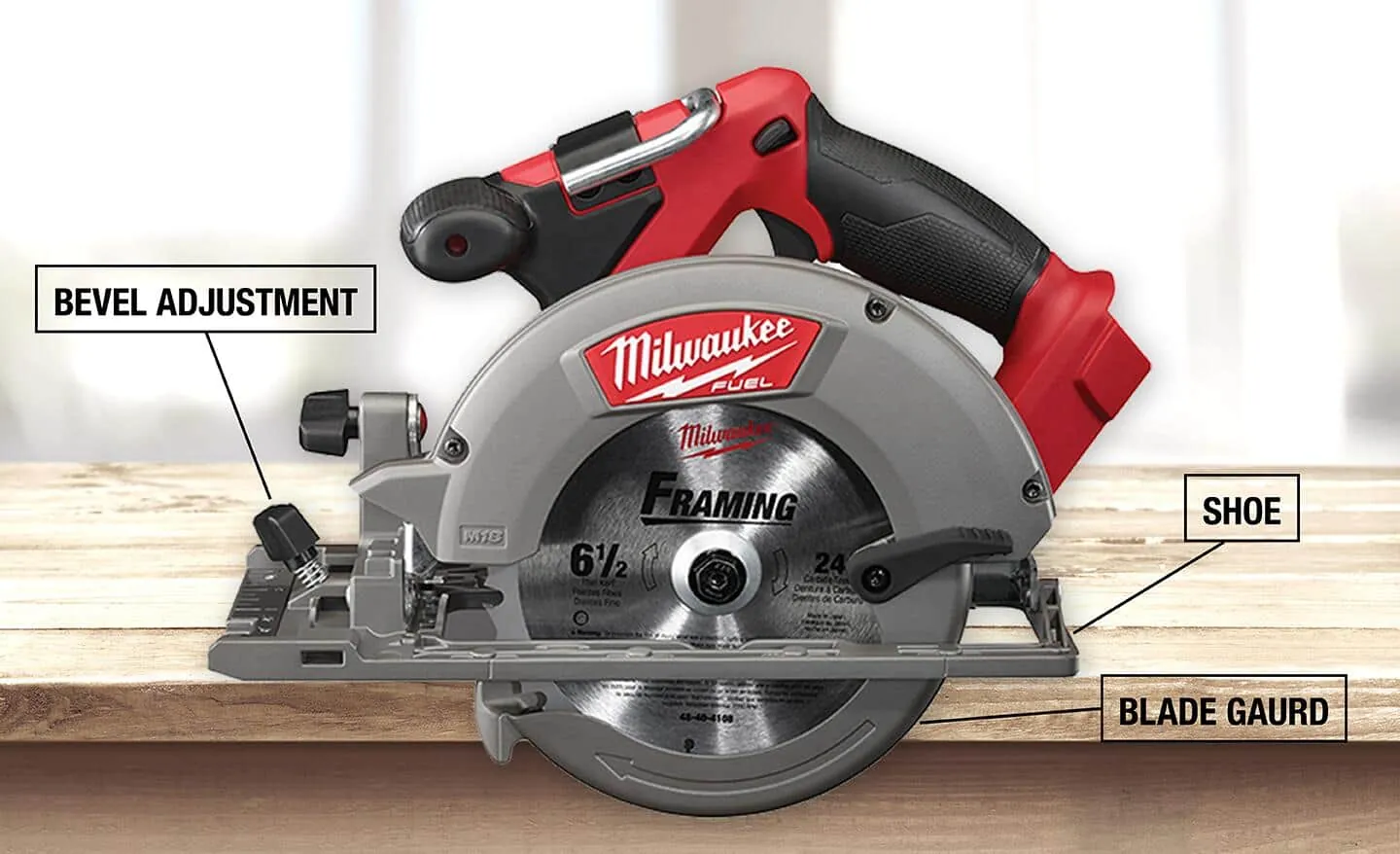
Set the depth: Loosen the depth adjustment lever and move the base plate until the blade teeth sit about 1/4 inch below the bottom of your lumber. This specific distance minimizes friction and prevents the blade from overheating while ensuring you don’t cut into your workbench.
-
Align the base: Place the front edge of the saw’s base plate on the wood, keeping the blade aligned with your marked line without touching the material yet. If you start with the blade already buried in the wood, the motor will bind and the saw will kick back toward you.
-
Engage the trigger: Hold the saw firmly with both hands, pull the trigger to reach full speed, and then slowly push the blade into the wood. Never engage the motor while the blade is in contact with the material.
-
Follow the guide: Keep your eyes on the blade’s cutting notch on the front of the base plate, pushing the saw forward at a steady, controlled pace. If the saw motor starts to sound strained or the wood begins to smoke, you’re pushing too fast. Ease up on your forward pressure to let the blade teeth do the work.
-
Finish the cut: Maintain steady pressure until the blade exits the wood, then release the trigger and wait for the blade to stop spinning completely. Don’t lift the saw until the rotation ceases to avoid marring your finished edge.
Essential Safety and Preparation Data
Understanding the relationship between your blade choice and the material you cut is the primary way to prevent kickback and jagged edges. Always verify your equipment before starting, as the Consumer Product Safety Commission emphasizes that proper tool maintenance and guard operation are critical for preventing serious injury during operation.
If the blade teeth are too large for your material, the tool will grab and bind, pulling your hands toward the cut line. Use 24-tooth blades only for rough framing where finish quality doesn’t matter.
Check your blade for missing carbide tips before every session. A single missing tooth creates an uneven load that vibrates the motor and risks a violent kickback. If you hear a high-pitched whine or smell burning wood, stop immediately; your blade is dull and requires sharpening or replacement.
| Material Type | Blade Tooth Count | Recommended Speed |
|---|---|---|
| Softwood framing | 24-tooth | High |
| Hardwood boards | 40-tooth | Medium-High |
| Plywood/Veneer | 60-tooth | Medium |
| Plastic/PVC | 60-tooth | N/A |
Common Mistakes That Ruin Your Results
Why does my saw blade bind halfway through a cut?
Binding occurs when the wood fibers pinch the blade, usually because the board isn’t supported properly or the saw is twisted mid-cut. If your board is sagging between supports, the cut will close up and trap the blade; always support both ends of the wood so the waste piece can fall away freely.
Is it safe to use a circular saw for plunge cuts?
Plunge cutting is a high-risk maneuver where you start the blade in the middle of a board rather than at the edge. It requires advanced skill to prevent the saw from kicking backward toward your body, so beginners should stick to edge-to-edge cuts until they have 10 to 20 hours of practice on scrap material.
What happens if I don’t use the right blade?
Using a framing blade for fine finish work will leave jagged, splintered edges that require significant sanding to correct. A low tooth count is meant for speed and rough construction, while a high tooth count is necessary for clean, smooth surfaces; using the wrong one costs you time and ruins the look of your project.
Related guides
Frequently Asked Questions
Can I use a circular saw to cut metal?
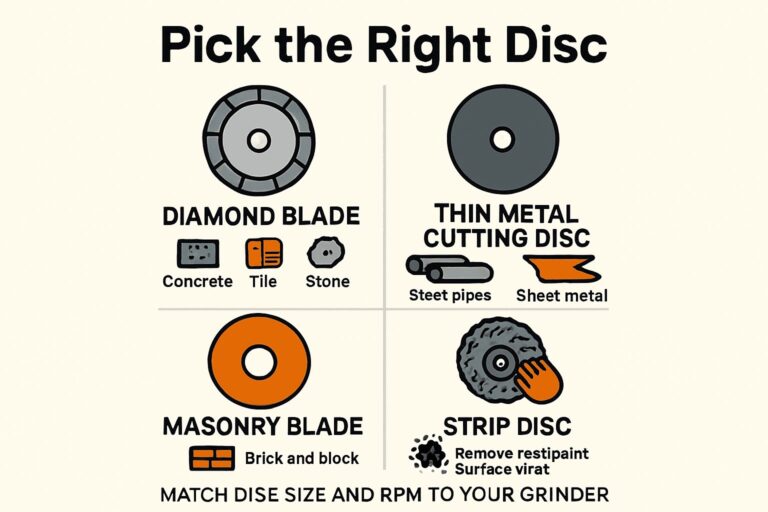
You can cut thin metal only if you install a specialized ferrous metal cutting blade and use extreme caution. Standard wood blades will shatter or overheat, creating a dangerous situation, so never attempt this with a wood-cutting blade.
How do I know if my blade is dull?
A dull blade requires more physical force to push through the wood and often leaves burn marks on the cut edges. If you find yourself pushing hard to maintain speed, it’s time to replace the blade or have it professionally sharpened.
Should I wear gloves while operating the saw?
Most safety guidelines suggest avoiding loose-fitting gloves because they can get caught in the spinning blade or the guard mechanism. It’s safer to keep your hands steady and well away from the path of the blade while wearing snug-fitting eye and ear protection instead.
Conclusion
Before you make your first cut on a finished project, practice these steps on scrap lumber to get a feel for the tool’s weight and vibration. Once you feel comfortable with the movement, verify that your blade is clean and sharp to ensure your final piece is accurate and smooth.