Can You Use an Impact Driver as a Drill: The Practical Guide
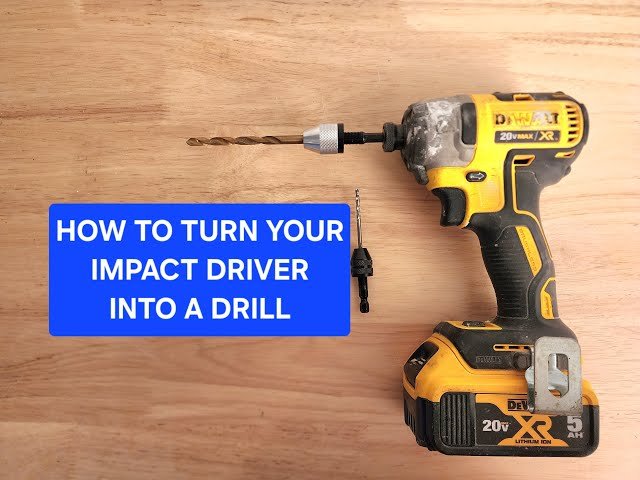
While you can drive screws and drill holes with an impact driver, its effectiveness depends on the material. If you’re drilling into wood, grab a hex-shank bit and try it now.
Can you use an impact driver as a drill — yes, for drilling holes in wood with hex-shank bits, and no for masonry, metal, tile or any job that needs a clean, exact hole.
When an impact driver can drill
| Your situation | Answer | Why |
|---|---|---|
| Drilling wood, hex-shank bit | Yes | Hex bit locks straight into the chuck |
| Drilling wood, round-shank bit | No | Round bit slips in the hex chuck |
| Drilling masonry or concrete | No | No hammer action to break the material |
| Drilling metal | No | No speed control, bit slips and walks |
| Drilling ceramic or tile | No | Hammering cracks the surface |
| Drilling a clean, exact hole | No | Impact action leaves a rough hole |
If you’re drilling into soft pine, the impact driver works fine. However, if you attempt to drive a spade bit into dense oak, the tool’s torque-heavy pulses will likely snap the bit shank. Always test your material density first. If the wood feels brittle, switch to a standard drill.
Most people mistake an impact driver for a universal tool. They use it for precision tasks, only to find the high-speed vibration ruins the entry point. If your project requires a countersunk screw or a perfectly flush finish, the impact driver is the wrong choice. It will mar the surface of the wood every time.
Use this simple rule: if the fastener is longer than three inches, use the impact driver to prevent wrist fatigue. If the fastener is small or requires delicate placement, stick to a manual driver or a variable-speed drill.
Never use an impact driver for bolts that require a specific torque setting. Because the tool relies on sudden, repetitive strikes to turn, it can’t provide the consistent pressure needed for mechanical accuracy. You’ll either over-tighten the bolt until it shears or leave it loose enough to vibrate free under load. Always reach for a torque wrench when the integrity of the joint is your primary concern.
What decides it
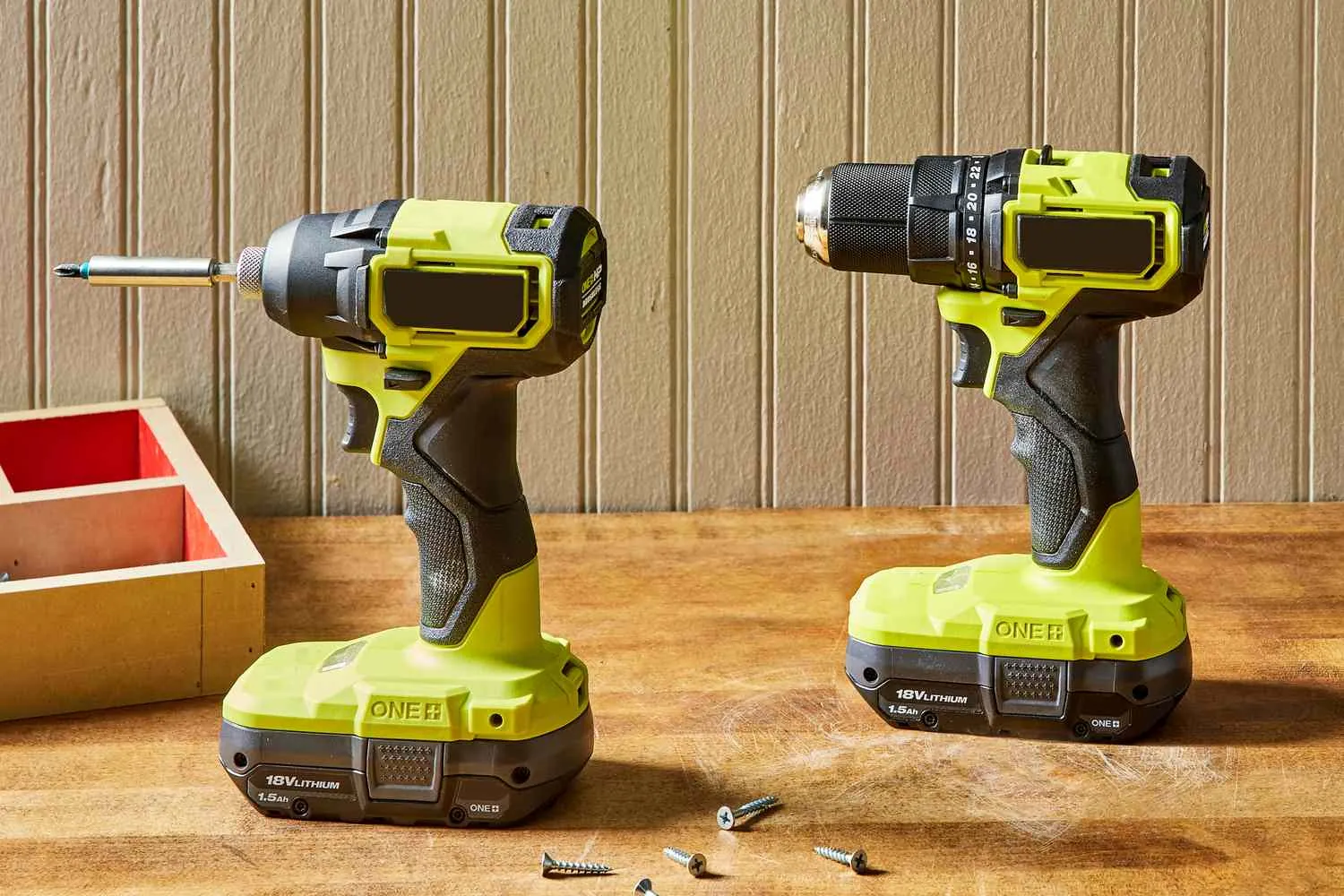
The chuck decides. An impact driver has a quick-release hex chuck that grips only hex-shank bits, while a drill has a keyless chuck that grips round-shank bits of many sizes. The mechanism also decides: an impact driver pounds the bit forward as it spins, which drives screws fast but tears up a hole wall. A drill spins smoothly, which is what makes a clean hole.
Speed control decides it too — most impact drivers run at one or two fixed speeds with no trigger finesse, so you can’t start a hole gently or slow down as you break through. If your material is wood and your bit has a hex shank, then it works; if your material is anything else or your bit is round shank, then it does not.
If you go ahead
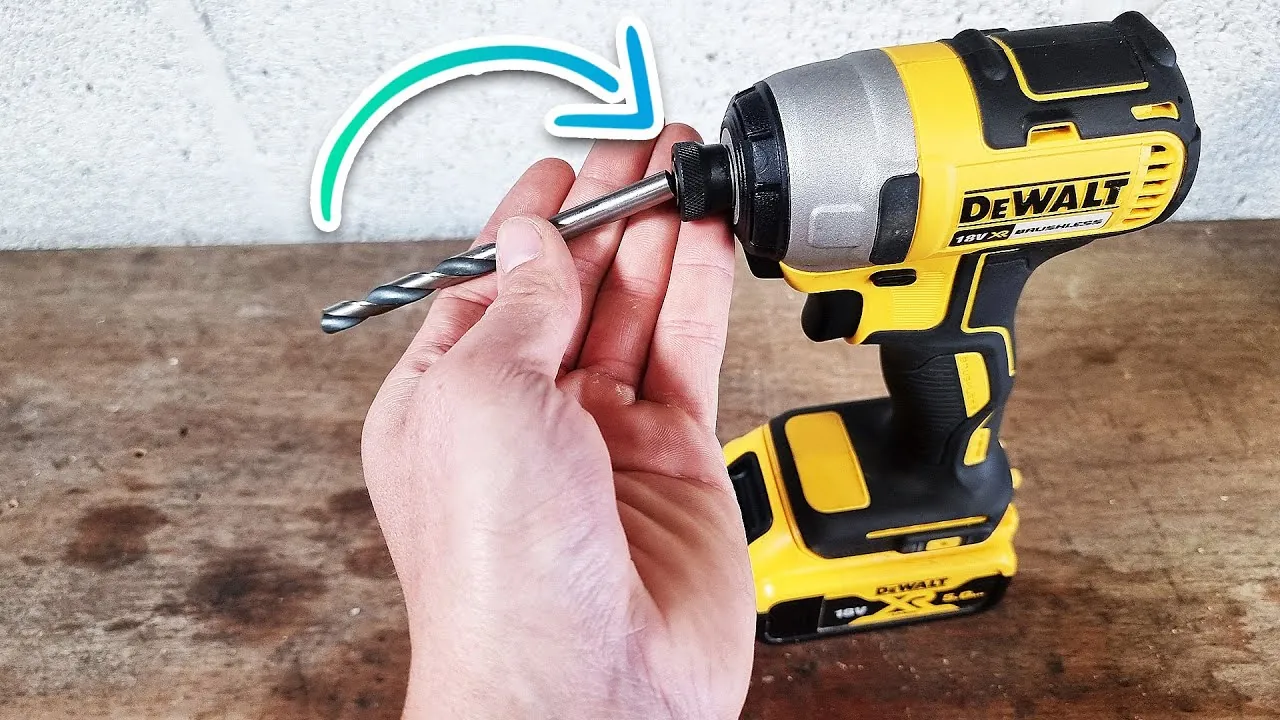
Pick a hex-shank drill bit that matches your driver’s chuck. If the bit rattles inside the socket before you engage the lock, discard it. A loose fit ruins the chuck’s internal pins during high-torque tasks.
Insert the bit until you hear a mechanical click. Always tug the bit firmly outward; if it slides even a millimeter, the collar hasn’t fully seated. A loose bit will eject under load, potentially damaging your workpiece or your foot.
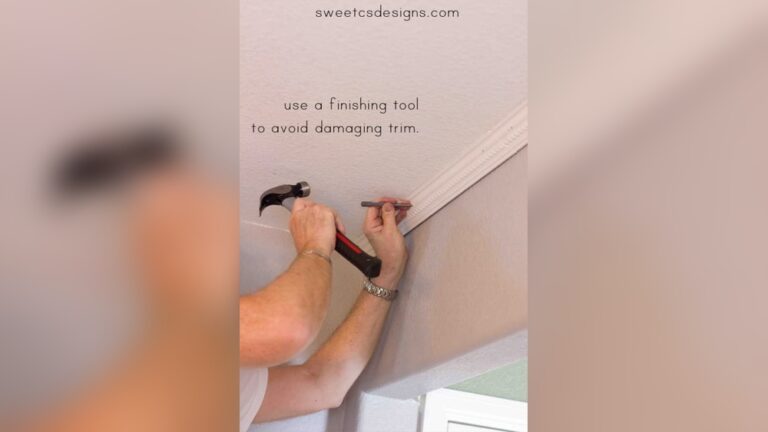
Use a center punch or a finish nail to create a starter divot. If you skip this, the bit will skate across the surface, leaving unsightly scratches. For hardwoods like oak, strike the punch deep enough to bury the tip of the bit.
Squeeze the trigger to initiate a slow, steady rotation. If you start at full speed, the bit will burn the wood fibers rather than cutting them. Once the bit bites, increase the pressure.
Maintain a perpendicular angle throughout the process. If your wrist tilts, the bit will bind and snap. If you feel sudden resistance, back the bit out to clear the debris. A clean, round hole depends on constant, vertical alignment.
The mistake people make
The most common mistake is forcing a round-shank bit into the hex chuck or using an adapter that wobbles. The bit slips under load, which strips the hex socket, wrecks the bit, and can throw the bit sideways into your hand or the workpiece. It costs you a ruined bit, a damaged driver chuck, and a hole that’s off-center.
If you’re drilling into soft pine, a wobbly adapter might seem like a minor annoyance. However, when driving hardened steel screws into oak or masonry, that same wobble acts like a lever. It creates a lateral force that snaps the tip of the bit clean off inside your fastener.
The one check that avoids it: look at the bit shank before you load it. If the shank is perfectly round, it doesn’t belong in an impact driver. Impact drivers require a 1/4-inch hex shank with a locking groove to handle the high-torque pulses.
If you see a smooth cylinder, set it aside for a standard drill chuck. Using the wrong shank turns a two-minute task into a twenty-minute extraction nightmare when the bit inevitably shears off flush with the surface.
When to stop and get help
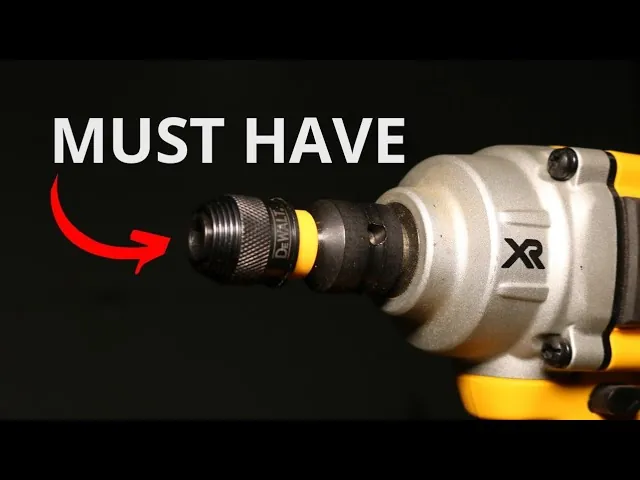
Stop when the material is masonry, concrete, metal, tile, or glass. These surfaces require a hammer drill, a drill press, or specialized carbide-tipped bits—tools and skills most homeowners lack.
An impact driver relies on high-torque rotational strikes. Using one on brittle materials like tile or glass causes immediate, irreparable fracturing. If you’re working with concrete, pushing the driver past its limit often results in a snapped bit buried deep within the wall. Extracting a broken metal shank from cured concrete is a professional-level repair that costs far more than the initial job.
If you feel the tool vibrating violently without making progress, stop immediately. If the bit becomes too hot to touch after ten seconds of effort, you’re damaging the temper of the steel.
When in doubt, perform a test on a hidden scrap piece of the same material. If the bit leaves a smooth, clean hole, proceed. If it creates dust, smoke, or surface cracks, put the driver away and hire a professional.
Related guides
- 10 Best Cordless Drill Drivers for Beginners: Our Top Picks
- 10 Best Cordless Drill for Assembling Furniture Picks
- 10 Best Cordless Drill for Hanging Shelves Picks and Reviews
Frequently asked questions
Can I use an impact driver to drill into wood?
Yes, you can drill into wood with an impact driver when you use a hex-shank bit, and the hole will be rougher than one made with a drill.
Can I use regular drill bits in an impact driver?
No, regular round-shank bits don’t fit the hex chuck, and they will slip or damage the socket.
How long does it take to drill a hole with an impact driver?
A small hole in soft wood takes about five to ten seconds, assuming the bit is sharp and the wood isn’t knotty.
Is it safe to use an impact driver as a drill?
It’s safe in wood with a hex-shank bit, but you should wear eye protection because the bit can slip or break through suddenly.
What happens if I drill metal with an impact driver?
The bit will walk across the surface, the hole will be off-center, and the bit can overheat and dull quickly.
Does an impact driver have a clutch like a drill?
No, most impact drivers don’t have an adjustable clutch, so you can’t set a torque limit for driving screws.
What to do next
Inspect the bit shank for signs of wear or rounding before you engage the chuck. A shank that shows grooves or heat discoloration will slip under torque, potentially ruining your workpiece or damaging the driver’s internal clutch.
If you’re drilling into metal or masonry, put the driver away immediately. Using a standard drill on these materials often leads to snapped bits or shattered housings. For steel, reach for a cobalt bit and a slow-speed drill press. For concrete, a hammer drill is the only way to ensure the anchor holds.
When you begin, apply firm, steady pressure directly behind the drill. If the bit wanders during the first three seconds, pull back and re-center the pilot hole. Forcing a crooked start creates an oversized hole that will never seat a screw properly.