How to Use an Impact Driver: Setup and Safe Technique Guide
An impact driver drives screws and bolts with fast, hammer-like blows instead of steady turning. Use it for long screws, lag bolts, and tough wood or metal jobs where a drill would stall or strip the head. This guide covers setup, safe technique, settings, and what to do when something goes wrong.
What an impact driver is
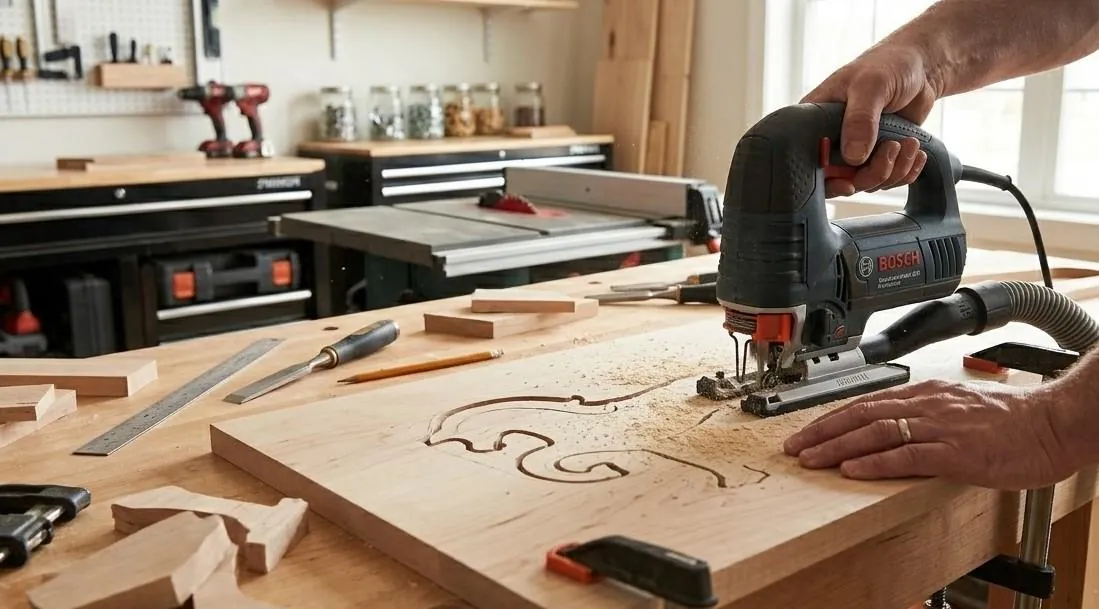
An impact driver uses quick rotational impacts to drive fasteners. It drives long screws, lag bolts, and nuts into wood or metal without cam-out.
How to set up and use an impact driver
- Insert a charged battery and lock it into place until it clicks.
- Choose a 1/4-inch hex bit that fits the screw head snugly; a loose bit strips the head.
- Push the bit into the chuck until it seats, then give it a tug to confirm it won’t come out.
- Set the direction switch to forward for driving, reverse for removal.
- Select low speed or mode one for short screws; use full power for long lag bolts.
- Hold the tool with both hands, keep the bit square to the screw head, and press straight in.
- Pull the trigger gently at first, then fully once the fastener bites; stop when the head sits flush.
Keep the tool square and push straight to avoid stripping the screw head.
Impact driver speeds and settings
| Situation | What to use | How long | What to watch for |
| Short wood screws | Low speed, mode one | A few seconds per screw | Don’t overdrive; stop when flush |
| Long deck screws | Full speed | Five to ten seconds | Keep bit square; watch for strip |
| Lag bolts or nuts | Full power with socket adapter | Ten to twenty seconds | Hold both hands; brace yourself |
| Removing rusted fasteners | Reverse, short bursts | Five to ten seconds | Stop if the bit slips; try penetrating oil |
| Delicate trim or thin material | Lowest setting | Two to four seconds | Use a pilot hole first if the wood splits |
What experienced users do differently
Experienced users match the bit to the screw before they pull the trigger, because a loose fit strips the head on the first impact. They pause during long screws to ensure the head sits flush. Unlike a drill, impact drivers lack a clutch, so speed and pressure are the only controls.
Problems you might see and how to fix them
| What you notice | What it usually means | What to do first |
| Bit spins but screw doesn’t turn | Bit is worn or wrong size | Swap in a new, correctly sized bit |
| Screw head rounds off | Bit slipped at an angle | Remove the screw, drill a pilot hole, start again |
| Tool stalls on a long bolt | Battery low or fastener too big | Recharge the battery or use a larger driver |
| Loud clattering with no progress | Bit not seated in the chuck | Reinsert the bit and tug it to lock it |
Safety rules that apply
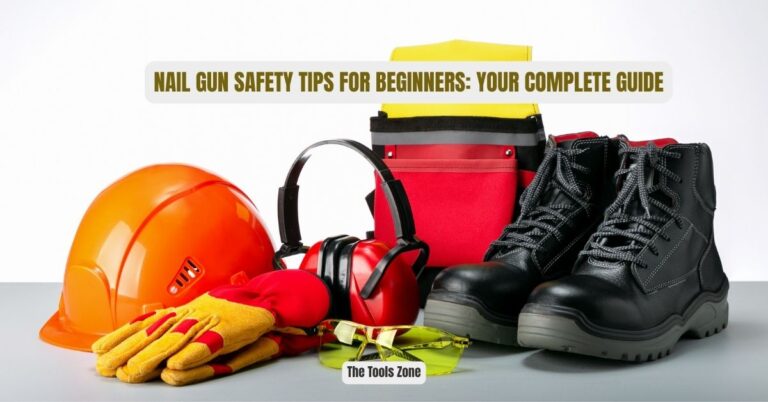
Wear safety glasses and hearing protection whenever the tool runs, because impact noise and flying bits can injure you in seconds. Check for hidden wires and pipes before driving into walls, ceilings, or floors.
Keeping your impact driver ready
Keep the tool clean and the chuck free of debris. Store batteries in a cool, dry place and recharge before they go completely flat. Watch for signs of wear like weaker impacts, a loose chuck, or battery failure. If these occur, send the tool to an authorised repair agent.
When an impact driver is the wrong choice

Don’t use an impact driver to drill holes; it lacks the steady spin required. Avoid it for small screws in soft materials where the hammering action may split the wood. Never use it on lug nuts without a torque wrench, as it can easily over-tighten and damage components.
Related guides
- Impact Driver vs Impact Wrench: Key Differences and Uses
- 10 Best Impact Drivers for Automotive Work: Our Expert Picks
- Best Impact Drivers for DIYers: Picks for Different Jobs
Frequently asked questions
Can I use regular drill bits in an impact driver?
No. Only 1/4-inch hex-shank bits made for impact drivers lock into the chuck; round drill bits will slip or fall out.
Why does my impact driver strip screw heads?
The bit is likely the wrong size or you’re holding the tool at an angle; match the bit exactly and keep it square to the screw.
Is it safe to use an impact driver on a ladder?
Only if you can keep both hands on the tool and your balance secure; otherwise work from the ground or have someone hold the ladder.
What happens if I overdrive a screw?
The head strips off or the screw sinks below the surface, and you’ll have to remove it and start with a new hole or fastener.
How often should I replace impact driver bits?
Replace them when the tip shows rounding or wear, which can happen after a few months of regular use depending on how hard you drive.
Do impact drivers need oil or lubrication?
No. The internal hammer mechanism is sealed at the factory; just keep the outside clean and the chuck free of debris.
Conclusion
Once you’ve finished your project, take a moment to inspect your work for any loose fasteners or damaged surfaces. You’ll find that your confidence grows with every successful build, so don’t be afraid to tackle that next home repair. It’s a great way to keep improving your skills as you go.