
Circular Saw Blades Explained: Types, Tooth Counts, and Uses
Choosing the right circular saw blades depends on the material you’re cutting and the finish you need, with tooth count serving as the primary guide for speed versus smoothness. Blades with 24 to 40 teeth are best for fast, rough cuts in framing lumber, while those with 60 to 100 teeth provide the clean, splinter-free edges required for fine woodworking and finish carpentry.
Choosing Circular Saw Blades by Types, Tooth Counts, and Uses
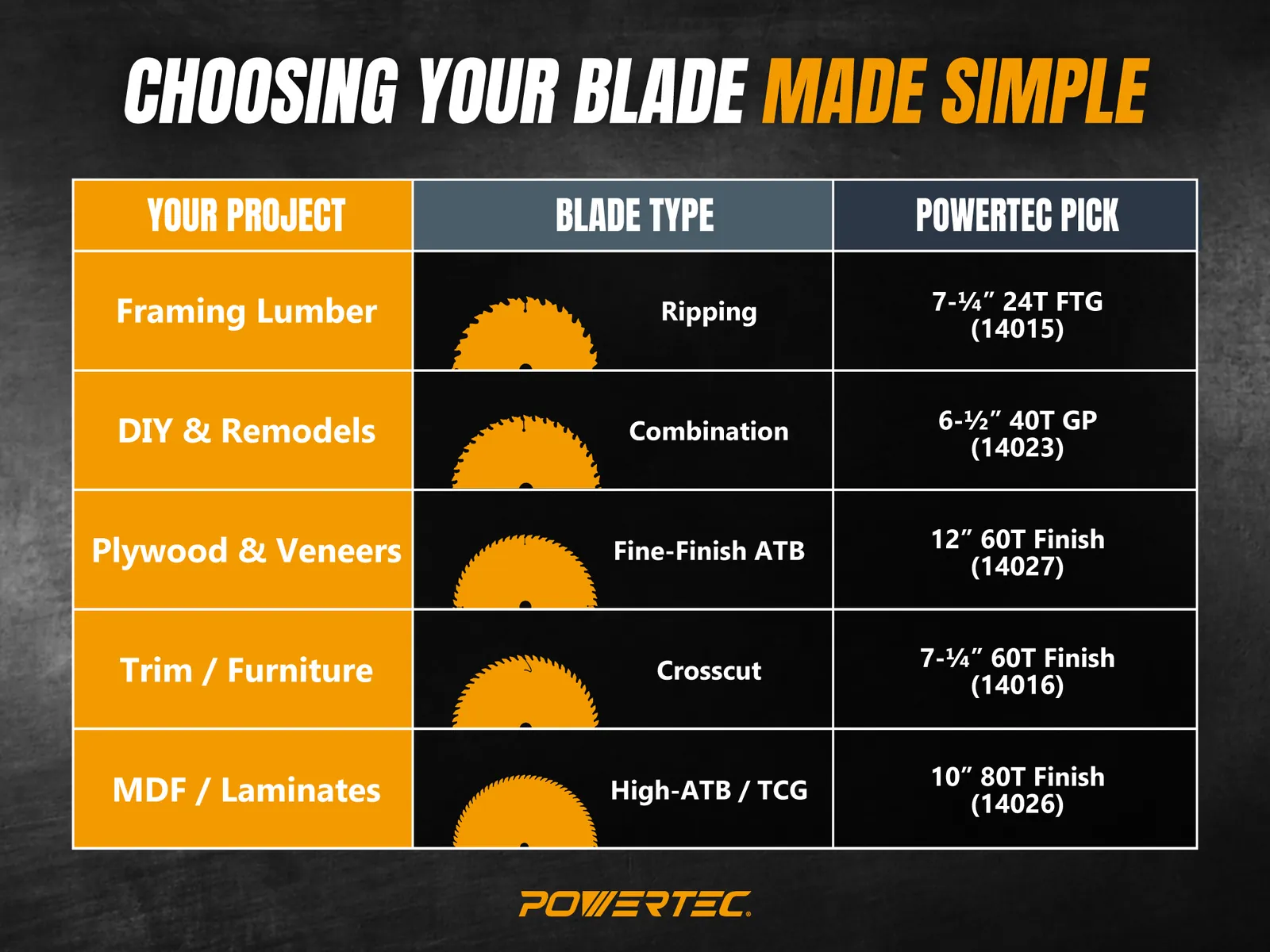
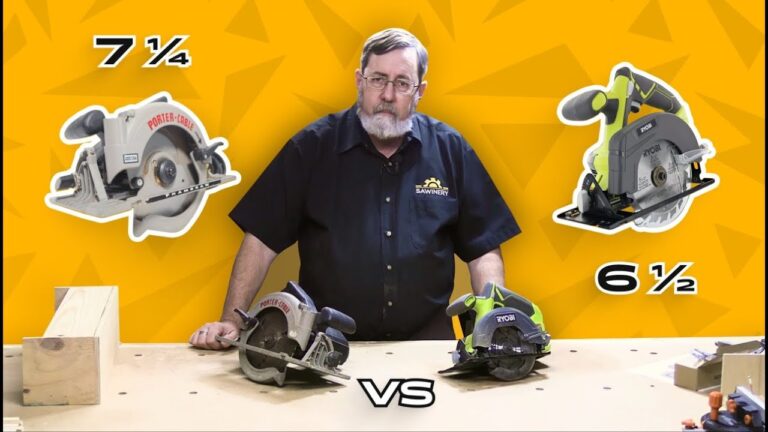
Selecting the correct disc for your project is about balancing the speed of the cut with the quality of the finish. A lower tooth count removes material quickly but leaves a rougher edge, whereas a higher tooth count cuts slower and leaves a smooth, polished surface on the wood. Always ensure your chosen blade diameter matches the size recommended by your saw’s manufacturer to maintain safe operation and proper motor load.
| Material Type | Recommended Tooth Count | Typical Use Case |
|---|---|---|
| Rough Lumber | 24 – 40 | Framing, demolition, deck joists |
| Hardwood/Plywood | 60 – 80 | Fine furniture, cabinetry, trim |
| Laminates/Plastic | 80 – 100 | Countertops, thin PVC, melamine |
| Metal (Non-Ferrous) | 60 – 100 | Aluminum extrusions, copper pipe |
Tip: If you’re cutting hardwood, choose a blade with a high-quality carbide tip to ensure the edge stays sharp through denser material.
What Do the Different Blade Markings Mean?
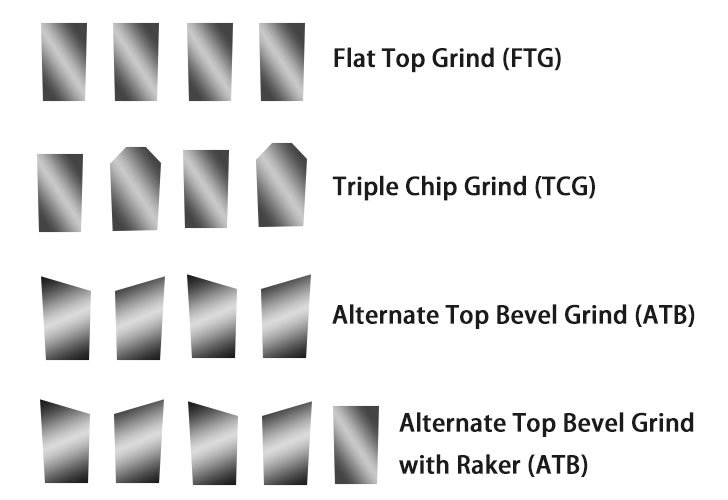
When you look at a blade, you’ll see specific features that dictate how it interacts with the wood. The tooth geometry, often called the “grind,” tells you how the blade will behave. A flat-top grind is standard for ripping lumber, while an alternating top bevel grind is designed to shear through wood fibers for a cleaner crosscut.
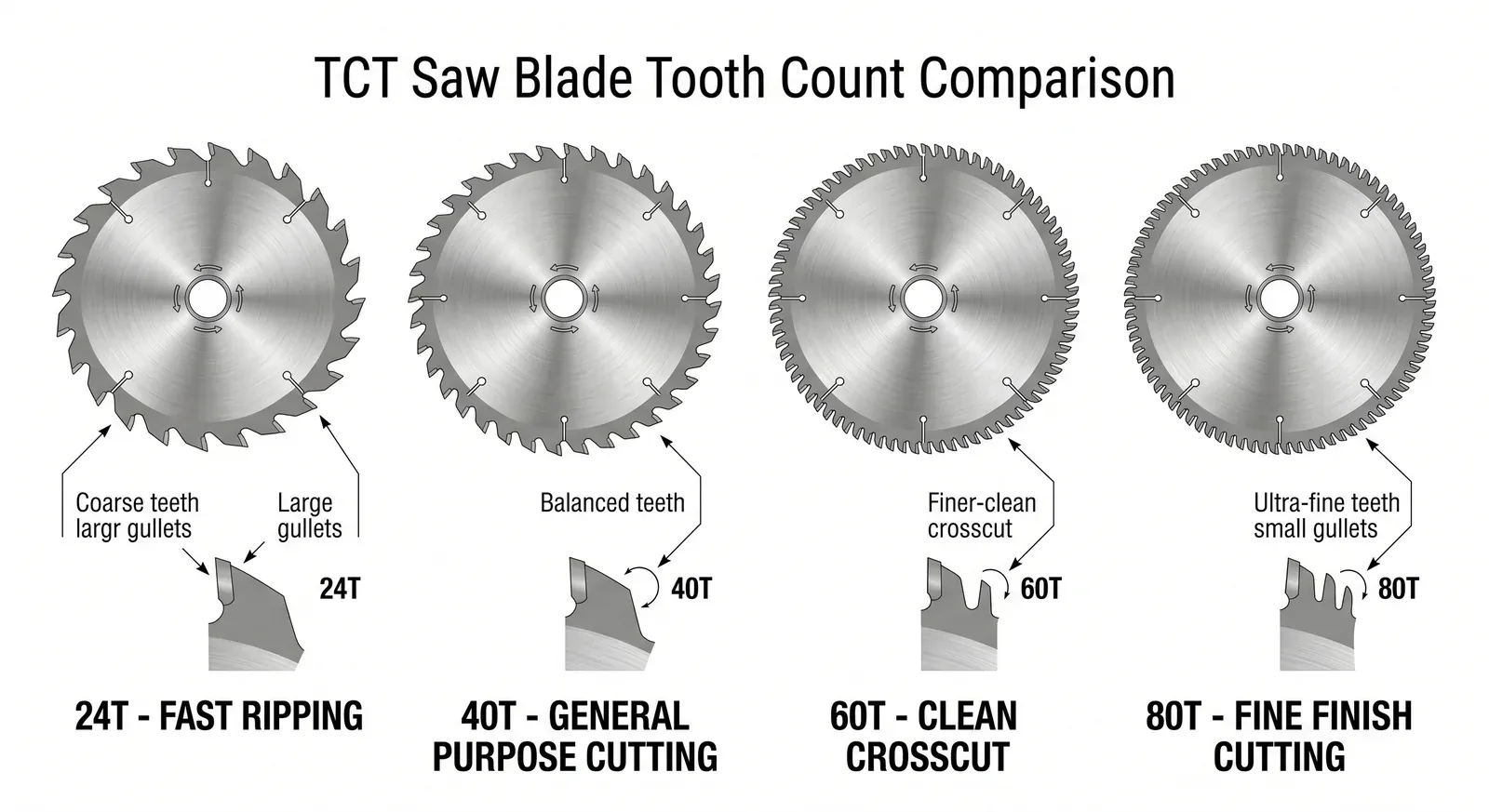
You should also watch for the gullet size. This is the space between the teeth that clears sawdust away from the cut. Larger gullets are essential for ripping thick boards because they prevent the blade from clogging, which can lead to overheating or burning the wood. If your cuts are showing black scorch marks, your feed rate is likely too slow, or the blade is dull and needs replacement.
Is It Safe to Use Any Blade on My Saw?
It’s never safe to use a blade that doesn’t match your saw’s arbor size or speed rating. Every circular saw is designed to run at a specific maximum revolutions per minute. If you install a blade rated for a lower RPM than your saw can reach, the blade can fail or shatter during use, creating a serious hazard.
Always verify the blade’s maximum RPM rating printed on the disc itself before mounting it. If your saw spins at 5,000 RPM, your blade must be rated for at least 5,500 RPM to provide a necessary safety margin.
A common mistake is using an adapter bushing to force a blade with a larger arbor hole onto a smaller spindle. This creates an off-center rotation that causes severe vibration, which destroys the blade’s teeth and risks kickback. If the blade doesn’t fit snugly on the arbor without an adapter, don’t use it.
Never remove the blade guard or attempt to bypass safety features to fit a larger disc. These components are engineered to protect you from flying debris and accidental contact.
How Do I Know When a Blade Is Dull?
A dull blade forces you to push the saw harder to make a cut. If you feel yourself leaning into the tool to keep it moving, the teeth have likely lost their edge. You might also notice the saw motor sounds strained or the wood begins to smoke even when you’re feeding the material at a steady, moderate pace.
Check the teeth for signs of rounded tips or missing carbide segments. Even one damaged tooth can cause the entire blade to wobble, resulting in uneven cuts and increased vibration. If you see burn marks on the wood, stop immediately. These dark, charred lines indicate that friction is generating excessive heat, which will ruin the temper of the steel and cause the blade to warp permanently.
It’s often more cost-effective to replace a standard steel blade than to have it professionally sharpened. However, high-end carbide blades can be serviced multiple times before they reach the end of their lifespan. If the carbide tip is chipped or missing entirely, the blade is beyond repair and must be discarded.
Related guides
- 8 Best Circular Saws for Cutting Plywood and Sheet Goods
- 10 Best Cordless Circular Saw Picks for Every Project Type
- 10 Best Circular Saws: Our Expert Picks for Every Project
Frequently Asked Questions
Can I use a plywood blade to cut framing lumber?
Yes, but it isn’t recommended. While it will cut the wood, the high tooth count will cause the blade to clog quickly with sawdust, leading to heat buildup and a much slower cutting speed compared to a standard framing blade.
What is the difference between a thin-kerf and a standard blade?
A thin-kerf blade removes less material with each pass, which puts less strain on your saw motor and is ideal for battery-powered circular saws. A standard, thicker blade is more rigid and less likely to deflect, making it better for heavy-duty, long-term shop use.
Does the blade direction matter when installing?
Yes, the teeth must point toward the direction of rotation so they strike the wood in an upward motion. If you install it backward, the saw will kick back violently and fail to cut the material, which creates an immediate danger to the operator.
Conclusion
Before starting your next project, unplug your saw and inspect the blade for missing teeth or buildup that could affect performance. If you aren’t sure which blade you need, choose a 40-tooth carbide combination blade, as it handles both rip and crosscuts well enough for most common household repairs.


One Comment