
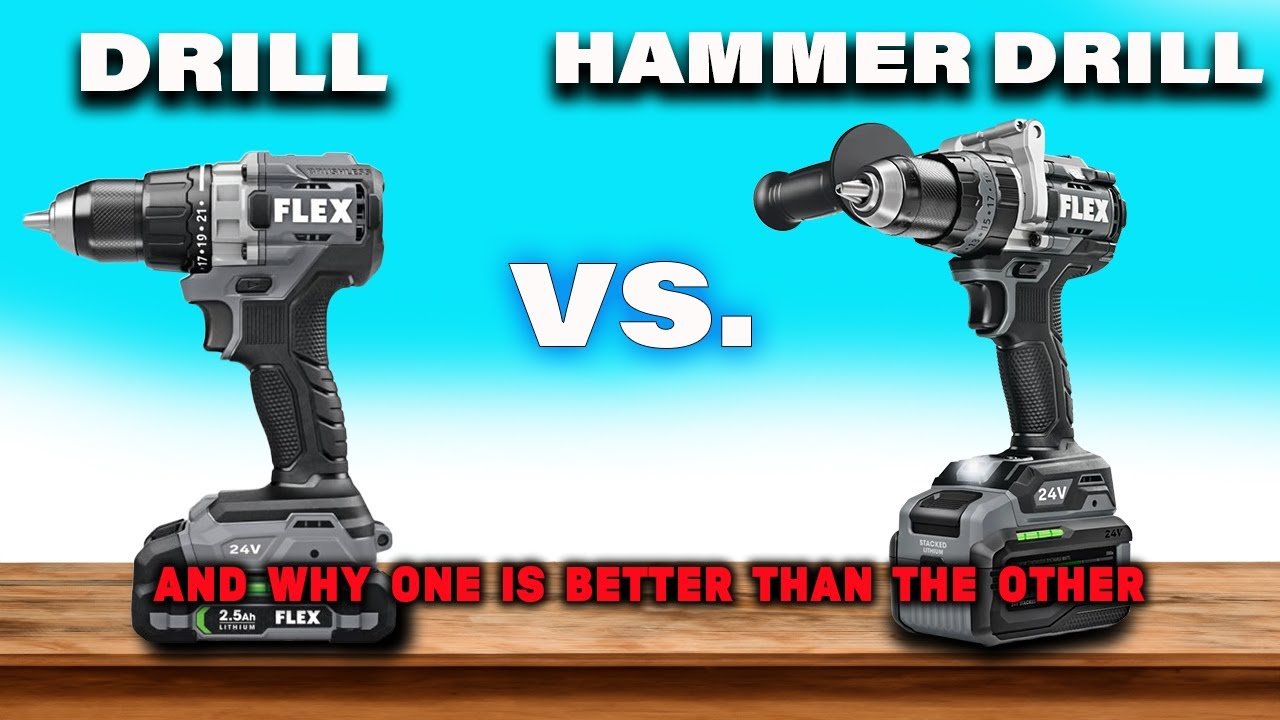
Rotary Hammer vs. Hammer Drill: Which One Do You Need?
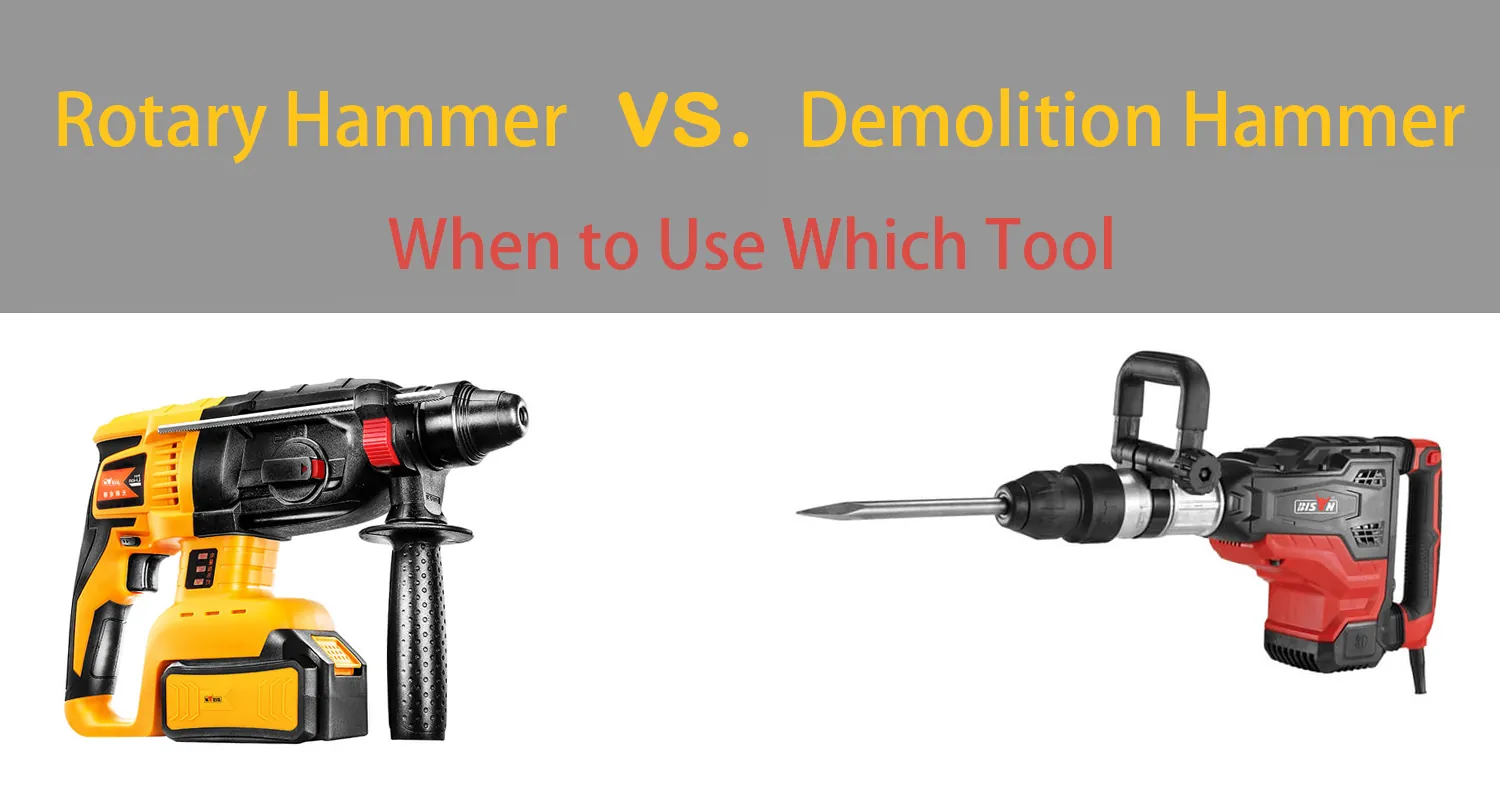
For most light-duty household projects, a hammer drill is the best choice because it’s lightweight and easier to control. If you need to drill into thick, poured concrete or dense stone, a rotary hammer is the superior tool because it uses a pneumatic piston to deliver higher impact force.
Comparing drilling tool options
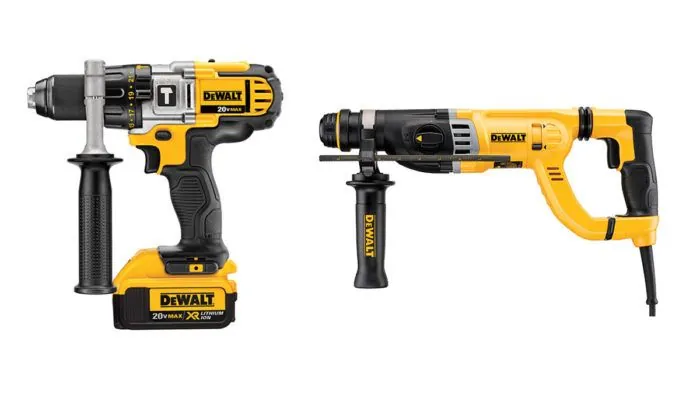
Selecting the right tool depends on your specific material and project scale. A hammer drill works well for occasional masonry work, while a rotary hammer is built for professional-grade heavy drilling. The following table highlights the main differences between these two tools and a standard drill.
| Method | How long | Effort | Cost | Best for |
|---|---|---|---|---|
| Standard drill | Short | Low | Low | Wood/Metal |
| Hammer drill | Medium | Medium | Medium | Brick/Block |
| Rotary hammer | Long | High | High | Poured Concrete |
If you’re working on a single brick wall, a hammer drill is fine; if you have a full basement foundation to anchor, you should use a rotary hammer.
Using a hammer drill
A hammer drill is ideal for occasional DIY tasks involving brick or soft concrete. It relies on two ridged plates that rub against each other to create a rapid, vibrating impact.
- Select a masonry bit sized for your anchor, typically between 3/16 and 1/2 inch.
- Set the tool to “hammer” mode using the switch on the top or side.
- Apply firm, steady pressure against the wall surface while keeping the drill straight.
- Clear the dust from the hole periodically by pulling the bit out while the drill is running.
This tool is excellent for home projects where you need to hang pictures or install light shelving on brick. However, it lacks the power for heavy-duty demolition or drilling through reinforced concrete. If you force a hammer drill through thick material, you risk burning out the motor.
Operating a rotary hammer
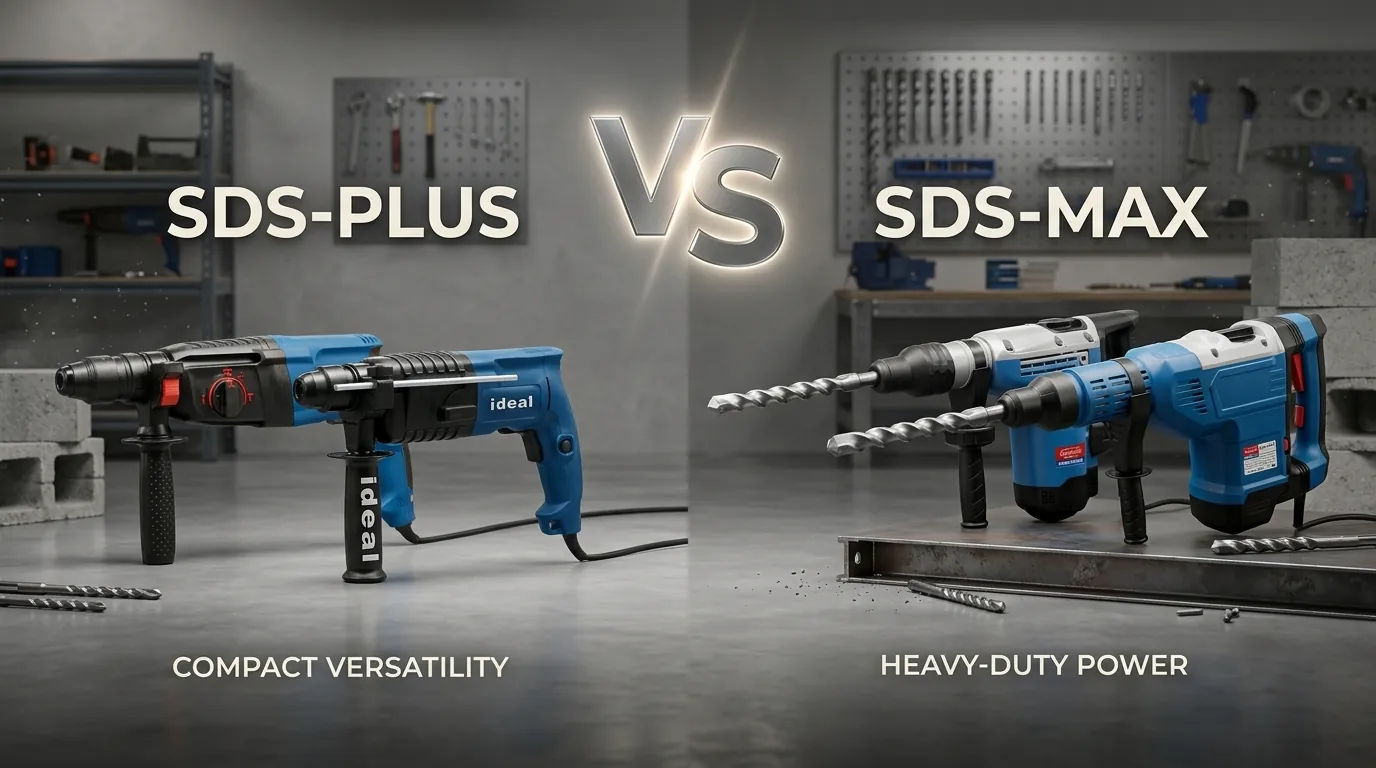
A rotary hammer uses a pneumatic piston to drive the bit forward, which creates a much harder punch than a hammer drill. This makes it the standard choice for heavy masonry and concrete work.
- Insert an SDS-plus or SDS-max shank bit into the chuck until it clicks.
- Switch the tool to the hammering or drilling-with-hammer setting.
- Press the bit against the surface and let the tool’s weight do the work.
- Maintain a consistent grip, as the high torque can cause the tool to twist if it binds.
Rotary hammers are highly efficient for drilling large holes in dense, cured concrete. They’re much faster than hammer drills for deep holes. The main drawback is their weight, which makes them fatiguing to use for long periods overhead.
Choosing the right rotary hammer or drill
When you’re in a hurry, a hammer drill is often faster to set up and easier to manage for small tasks. If you’re doing this for the first time, a hammer drill is also more forgiving and safer to handle. If you want the best possible result whatever it takes, a rotary hammer is the only way to drill through hard, reinforced concrete without stalling.
The trade-off is between the portability of a lighter drill and the raw power of a pneumatic piston. You should choose based on the density of your material rather than just the speed of the job.
Safety and operational standards
Regardless of the tool you choose, you must manage dust to protect your respiratory health. The Occupational Safety and Health Administration requires specific controls when drilling into materials containing crystalline silica to prevent permanent lung damage. Always wear safety glasses and a NIOSH-approved N95 mask at a minimum.
Before you begin, verify that your drill bit is rated for the specific material. A masonry bit will shatter in steel, while a wood bit will dull instantly in concrete. Mark your target depth on the bit with a piece of painter’s tape to avoid piercing through the other side of your workpiece.
If the tool starts to smoke or smell like burning plastic, stop immediately. This indicates the motor is overheating or the bit has lost its temper. If you ignore this warning, you risk permanent motor failure and costly tool replacement.
Frequently asked questions
Can I use a regular drill for concrete?
No, a regular drill lacks the impact mechanism needed to break through concrete effectively. You’ll likely dull your drill bits and overheat the motor within minutes. Use a hammer drill for light masonry or a rotary hammer for heavy concrete work.
How long do masonry bits last?
Masonry bits typically last for 20 to 50 holes in standard brick, depending on the hardness of the material and the heat generated. If the bit turns blue or stops cutting, it’s worn out. You should replace it to avoid damaging your drill.
Is it safe to use a rotary hammer on wood?
No, you should never use the hammer function on wood as it will destroy the material and potentially break the bit. If you must use the same tool for different materials, switch it to “rotation only” mode. Always check the tool settings before starting.
What happens if I hit rebar in the concrete?
If you hit rebar, you’ll feel a sudden, sharp jolt and the drill will stop moving forward. Stop immediately, as forcing the drill can break the bit or cause the tool to kick back. You must move your hole location or use a specialized metal-cutting bit.
How much pressure should I apply?
You should apply enough pressure to keep the bit engaged, but never force it if the tool struggles. For a rotary hammer, the tool does most of the work; for a hammer drill, you must push harder. Let the tool’s speed dictate the pace.
How deep can these tools drill?
These tools can drill as deep as your bit allows, though you must clear dust every few inches to prevent the bit from getting stuck. For holes deeper than 6 inches, use a longer bit and pull it out frequently. Deep holes require more frequent dust removal.
Conclusion
The right tool for your project is the one that matches your material’s hardness. If you choose a tool that’s too weak, you’ll waste time and ruin your bits; if you choose one that’s too powerful, you might damage your walls. Pick the tool based on the density of the surface you need to drill.
One Comment