
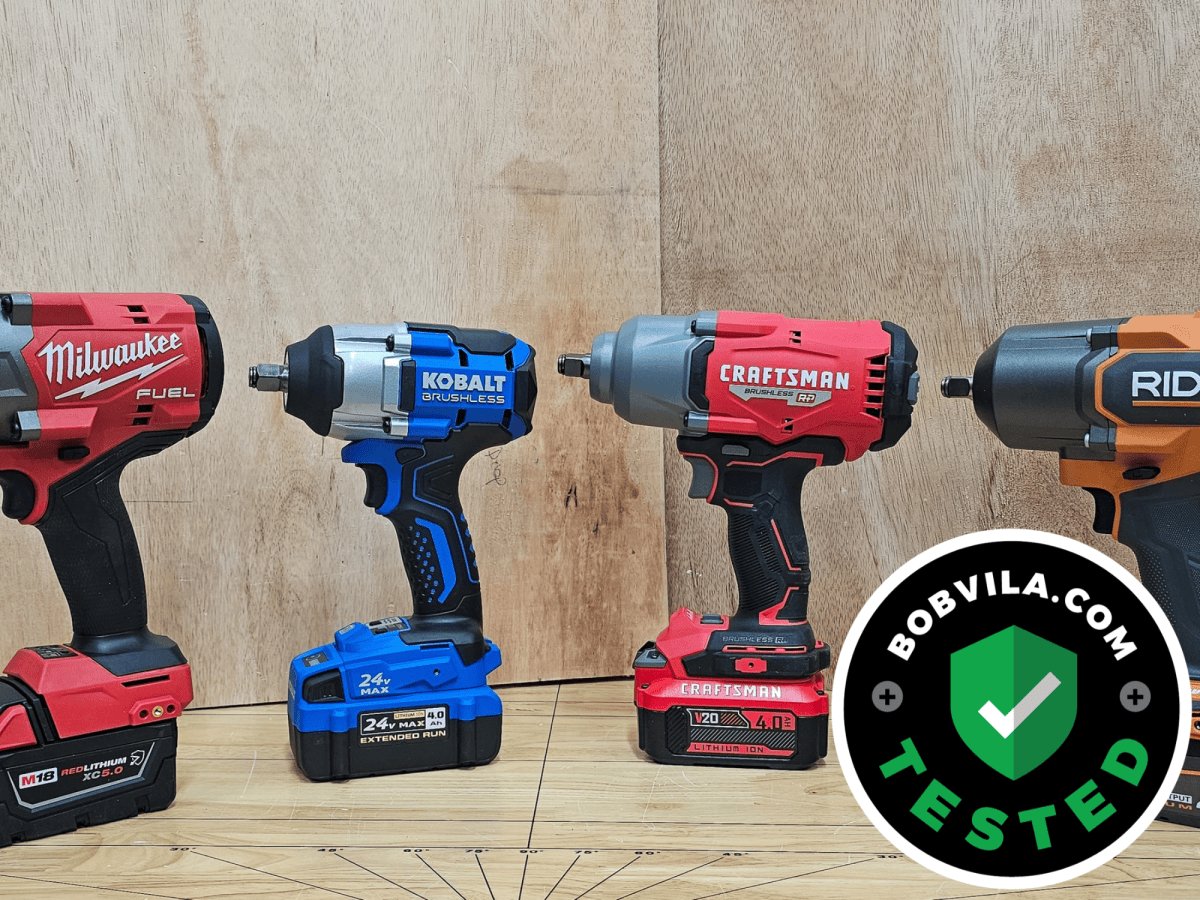
Best Impact Drivers for DIYers: Picks for Different Jobs
Selecting the right impact driver for your diy jobs depends on your specific needs, as no single tool is perfect for everyone. Your decision rests on the power required, the need to work in tight corners, and your existing battery packs. These picks differ in motor efficiency, size, and control for delicate tasks. Most buyers choose between the compact power of the DeWalt Atomic DCF850 for general use and the high-performance, mode-controlled output of the Milwaukee M18 Fuel for demanding projects.
As an Amazon Associate, we earn from qualifying purchases. This post contains affiliate links – if you buy through them, we may earn a commission at no extra cost to you.
1. DEWALT ATOMIC 20V MAX 1/4 in. Brushless Cordless Impact Driver

Best for: Someone who needs a compact, powerful tool for daily DIY tasks.
This model is built for users who frequently find themselves in tight spaces. Its compact, ergonomic design allows you to maneuver easily, while the brushless motor provides enough torque to drive large-diameter screws. The integrated 3-LED work light is a significant help when working in dark corners or dimly lit areas.
The variable 3-speed trigger gives you pro-level control over your fastening. This is a great choice for a homeowner who wants a reliable, versatile tool for a variety of home projects. It isn’t for someone who requires specialized settings for extremely delicate, low-torque materials, as this model focuses on high-performance driving.
Good if:
- You work in tight, hard-to-reach areas.
- You need a balance of high torque and compact size.
- You already use other 20V MAX tools.
Skip it if:
- You need specialized electronic modes for specific screw types.
2. Milwaukee M18 Fuel

Best for: Users who need maximum power and precision for heavy-duty projects.
The M18 Fuel is designed for high productivity, offering high driving speeds. Its 4-mode drive control is a standout, providing smooth acceleration that helps prevent the stripping of screws or damage to your materials. This tool is built for those who prioritize control as much as raw power.
The tri-LED lighting ensures you have excellent visibility across your entire workspace. It’s a robust option for those tackling larger, more demanding jobs. It may be overkill for a casual user who only performs very light, occasional fastening around the house.
Good if:
- You need the highest torque available for large projects.
- You want precise control to avoid damaging soft materials.
- You prefer a 4-mode system for different types of fasteners.
Skip it if:
- You only need a simple tool for light, occasional use.
3. Milwaukee M12 Subcompact Brushless 1/4 Inch Hex Impact Driver

Best for: Someone doing overhead work or light tasks in very tight spots.
This tool is incredibly small, measuring just 4.3 inches long and 2 inches wide. Its lightweight frame, at only 1.7 lbs, makes it easy to handle during long periods or when working above your head. The internal metal gearcase adds a layer of durability that you might not expect from such a small tool.
Because it’s sold as a “bare tool,” it’s best for those who already have M12 batteries and chargers. If you don’t own these, you’ll need to purchase them separately. It isn’t for users who primarily drive large, heavy lag bolts into thick lumber, as it’s optimized for subcompact, lighter-duty applications.
Good if:
- You need to fit into the tightest possible spaces.
- You’re doing significant work overhead and want less fatigue.
- You already own Milwaukee M12 batteries.
Skip it if:
- You don’t already own M12 batteries and chargers.
- You need maximum torque for heavy construction tasks.
4. RYOBI ONE+ 18V Cordless 1/4 in. Impact Driver

Best for: A first-time DIYer looking for a straightforward, capable impact driver.
The Ryobi One+ PCL provides 1,800 in-lbs of torque, making it a solid performer for standard fastening jobs. It’s designed to be user-friendly, catering to those who want a reliable tool without needing complex settings or specialized modes. It’s a simple, effective option for general home maintenance.
This model is a tool-only purchase, so it’s perfect for people who have already started building a collection of Ryobi 18V batteries. It isn’t for professional contractors who need the highest level of electronic motor control or advanced lighting systems found in specialized units.
Good if:
- You’re a beginner looking for a reliable, simple tool.
- You already have Ryobi 18V batteries.
- You need a standard tool for basic home repairs.
Skip it if:
- You require advanced electronic modes for precision control.
5. DEWALT 20V MAX 1/4 Inch Hydraulic Impact Driver (DCF870B)

Best for: Someone working in noise-sensitive environments like occupied homes.
The hydraulic design of this driver is engineered to reduce noise while still providing high torque and fast driving speeds. It’s particularly useful for finish carpentry or cabinetry where you want to be as quiet as possible while still finishing the job quickly.
The 9 LEDs provide excellent illumination, which is a major benefit in dimly lit areas. It performs well even in cold temperatures, which is a rare feature. It isn’t for someone looking for the smallest possible tool, as the hydraulic mechanism adds a different footprint compared to standard brushless drivers.
Good if:
- You work in environments where low noise is important.
- You need a tool that performs well in cold weather.
- You want the best possible visibility with 9 LEDs.
Skip it if:
- You need the absolute smallest tool available.
6. Makita XDT13Z 18V LXT Lithium-Ion Brushless Cordless Impact Driver

Best for: Users who value long-term battery efficiency and ergonomic balance.
Makita’s brushless motor is electronically controlled to optimize energy usage, which helps the tool run cooler and last longer. This efficiency can lead to up to 50 percent longer run time per charge. The balance of the tool is designed to be comfortable in the hand, which reduces fatigue during long work sessions.
It offers a wide range of fastening capabilities thanks to its variable speed trigger. This is a great choice for someone who values tool longevity and efficient energy management. It isn’t for those who want a tool with multiple electronic modes for specific fastening tasks, as this model focuses on a straightforward, efficient variable-speed approach.
Good if:
- You want a tool known for battery efficiency.
- You prefer a well-balanced tool for long work days.
- You prioritize a motor that runs cooler and lasts longer.
Skip it if:
- You want specific, selectable drive modes for different materials.
7. DEWALT 20V MAX XR Impact Driver

Best for: Professionals or advanced DIYers needing high-torque performance.
The XR series is built for tough fastening applications, delivering 1,825 in-lbs of torque. With three speed settings and a variable speed trigger, it gives you a high degree of precision when driving large-diameter screws. It’s a premium choice for those who need to tackle heavy-duty jobs on the jobsite.
The integrated array of bright lights makes it easy to see your work in low-light conditions. It’s a robust, high-performance tool, but it may be more than a casual user needs for light tasks. If you aren’t driving large fasteners regularly, the power of this unit might exceed your requirements.
Good if:
- You regularly drive large-diameter screws.
- You need high torque for professional-level tasks.
- You want a 3-speed setting for maximum precision.
Skip it if:
- You only perform light, occasional DIY work.
8. Milwaukee 3453-20 12V Fuel 1/4″ Cordless Hex Impact Driver

Best for: Someone who wants a balance of power and portability.
This 12V model is very lightweight at 2 lbs, which makes it ideal for carrying on a tool belt all day. Despite its smaller voltage class, the brushless motor still delivers 1,500 in-lbs of torque. It features a 4-mode drive control, including a dedicated self-tapping screw mode, which is excellent for specific metal-fastening tasks.
The multiple light sources provide great visibility in tight corners. It’s a versatile choice for someone who wants to move away from bulky 18V tools without sacrificing too much power. It isn’t for users who need to drive very large lag bolts repeatedly, as the 18V options will generally have more sustained power for those specific tasks.
Good if:
- You want a lightweight tool for all-day portability.
- You need a dedicated mode for self-tapping screws.
- You want 12V portability with impressive torque.
Skip it if:
- You need maximum sustained power for heavy-duty framing.
9. CRAFTSMAN 20V MAX Impact Driver Kit

Best for: Someone who wants a simple, all-in-one kit.
This kit comes with the driver, a battery, and a charger, making it a great choice for someone who doesn’t want to buy components separately. The quick-release chuck allows for easy, one-handed bit changes, which is very convenient when you’re switching between tasks. It’s designed to be simple to use right out of the box.
It delivers 1,460 in-lbs of torque, which is plenty for most household fastening projects. It isn’t for users who require advanced features like multiple electronic speed modes or specialized lighting systems, as this tool is focused on basic, effective performance.
Good if:
- You want a complete kit with a battery and charger.
- You need a simple, reliable tool for home repairs.
- You prefer easy, one-handed bit changes.
Skip it if:
- You already own a large collection of compatible batteries.
10. DEWALT ATOMIC 20V MAX* Impact Driver

Best for: Users who need to fit into the tightest spaces.
At only 5.1 inches in length, this impact driver is built specifically to get into cramped, hard-to-reach areas where larger tools simply won’t fit. It delivers 1,700 in-lbs of torque, which is enough power to handle a wide range of common DIY applications. The onboard illumination ensures you can see your work clearly in tight, dark spots.
The variable speed trigger allows for the precision needed on delicate surfaces. It’s an excellent choice for a secondary tool or a primary driver for someone who works in very tight quarters. It isn’t for someone who needs the absolute highest torque output for heavy-duty construction.
Good if:
- You frequently work in extremely tight spaces.
- You need a compact tool that’s still powerful.
- You want a reliable brushless motor.
Skip it if:
- You need the highest torque available for large-scale projects.
How we picked the best impact drivers for DIYers
The real difference often comes down to the physical footprint and the specific control modes offered. If you’re choosing between two similar models, look at the physical length and the presence of electronic speed modes. A shorter tool offers increased maneuverability, while multiple modes help prevent screw stripping. If you don’t have a preference for a specific battery brand, the choice often comes down to which ecosystem you’re already invested in. Using safety standards for power tools as a baseline, all these major brands maintain high build quality, so you’re rarely choosing between “good” and “bad,” but rather between different levels of comfort and specialized control.
Still Not Sure?
How often will I really use it?
If you only need a tool for occasional home repairs, a simpler model like the Craftsman 20V Max or the Ryobi One+ PCL will serve you perfectly well. However, if you plan on using your driver for several hours every week, the ergonomic balance of the Makita LXT XDT13Z will save you from hand fatigue.
What do I already own that this has to work with?
This is the most important question for most buyers. If you already have a collection of batteries, you should stick to that brand. For example, if you have Milwaukee M12 batteries, the Milwaukee M12 Brushless is an obvious choice. If you’re starting fresh, the DeWalt Atomic DCF850 kit offers a great starting point for 20V users.
What am I most likely to regret choosing?
Many buyers regret choosing a tool that’s too large for their most common workspace. If you work in cabinetry or tight framing, a bulky driver will be a constant frustration. In those cases, you’ll be much happier with the ultra-compact DeWalt Atomic DCF809 or the Milwaukee M12 Brushless, even if they have slightly less raw torque than the largest models.
For most DIYers, the best approach is to select a tool that matches your battery ecosystem and your physical space constraints. If you need a powerful, compact all-rounder, the DeWalt Atomic DCF850 is an excellent place to start. If you require advanced control and maximum power for demanding projects, look to the Milwaukee M18 Fuel. Once you pick the right brand for your batteries, check the dimensions of the tool to ensure it fits the jobs you do most often.
Related guides
Frequently Asked Questions
Which impact driver is best for a beginner?
A beginner should look for an all-in-one kit that includes a battery and charger to avoid compatibility issues. The Craftsman 20V Max is a great choice because it’s straightforward, easy to use, and comes with everything you need in the box. It provides enough power for standard home tasks without overwhelming you with complex settings or modes that you might not need.
How do I know if an impact driver is too big for my needs?
If you frequently work in tight spots like under sinks or inside cabinets, a tool that is not compact may feel cumbersome. The DeWalt Atomic DCF809 and the Milwaukee M12 Brushless are specifically designed for these tight spaces. If you find yourself struggling to fit your current tool into corners, you should prioritize a subcompact model regardless of its maximum torque rating.
Do I need a brushless motor for home DIY?
While brushed motors are functional, brushless motors like the one in the Makita LXT XDT13Z offer better efficiency and longer tool life. They run cooler and manage battery energy much better than older brushed designs. If you want a tool that will last for many years of occasional use, a brushless model provides more consistent performance and reduced motor wear.
Can I use different brands of batteries with my impact driver?
Generally, you can’t mix battery brands with your power tools. Each manufacturer uses a unique connection system that isn’t compatible with others. You must choose a tool that matches the batteries you already own, such as picking the Milwaukee M12 Brushless if you have M12 batteries or a DeWalt Atomic DCF850 if you have 20V MAX batteries. Mixing them can damage both the tool and the battery pack.
Conclusion
Picking the right tool is just the start of your next project. Once you’ve settled on a model, head to your local hardware store to hold a few in your hand. You’ll quickly see which one feels balanced for your grip, helping you tackle those upcoming repairs with total confidence.
5 Comments