Impact Driver vs Electric Screwdriver: Which Tool Is Better?
An impact driver is the better choice for heavy-duty tasks like driving long screws into thick wood, while an electric screwdriver is superior for light assembly and delicate work. You should choose based on the torque and speed required for your specific project.
Comparing power tools for home projects
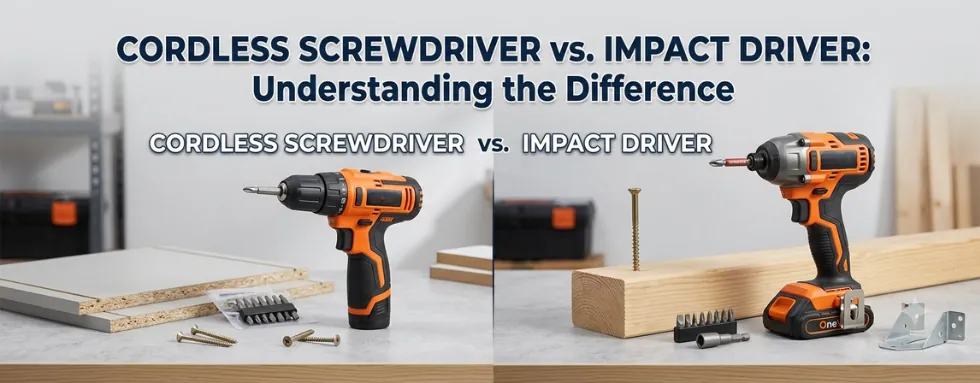
The right tool depends on the force you need and the material you’re working with. While both tools spin fasteners, they operate with different mechanics. An impact driver uses a hammer-and-anvil mechanism to provide high rotational force, whereas an electric screwdriver relies on a simple gear-driven motor for precision.
| Method | How long | Effort | Cost | Best for |
|---|---|---|---|---|
| Impact Driver | Seconds | Low | High | Framing/Decking |
| Electric Screwdriver | Minutes | Low | Low | Furniture/Electronics |
| Hand Screwdriver | Minutes | High | Very Low | Delicate fixings |
Using an impact driver
Impact drivers are built for speed and heavy lifting. They use a high-torque mechanism that engages when the tool senses resistance.
- Pull the chuck collar forward, insert a 1/4-inch hex shank bit, and release the collar to lock it in place.
- Select the forward or reverse direction using the switch above the trigger.
- Hold the tool firmly with both hands to manage the high torque.
- Press the trigger slowly to start the fastener, then increase speed.
These tools are excellent for long structural screws and thick timber. However, they’re loud and can easily strip small screws. If you’re working with sensitive materials, you must use a lower speed setting if your model allows it.
Using an electric screwdriver
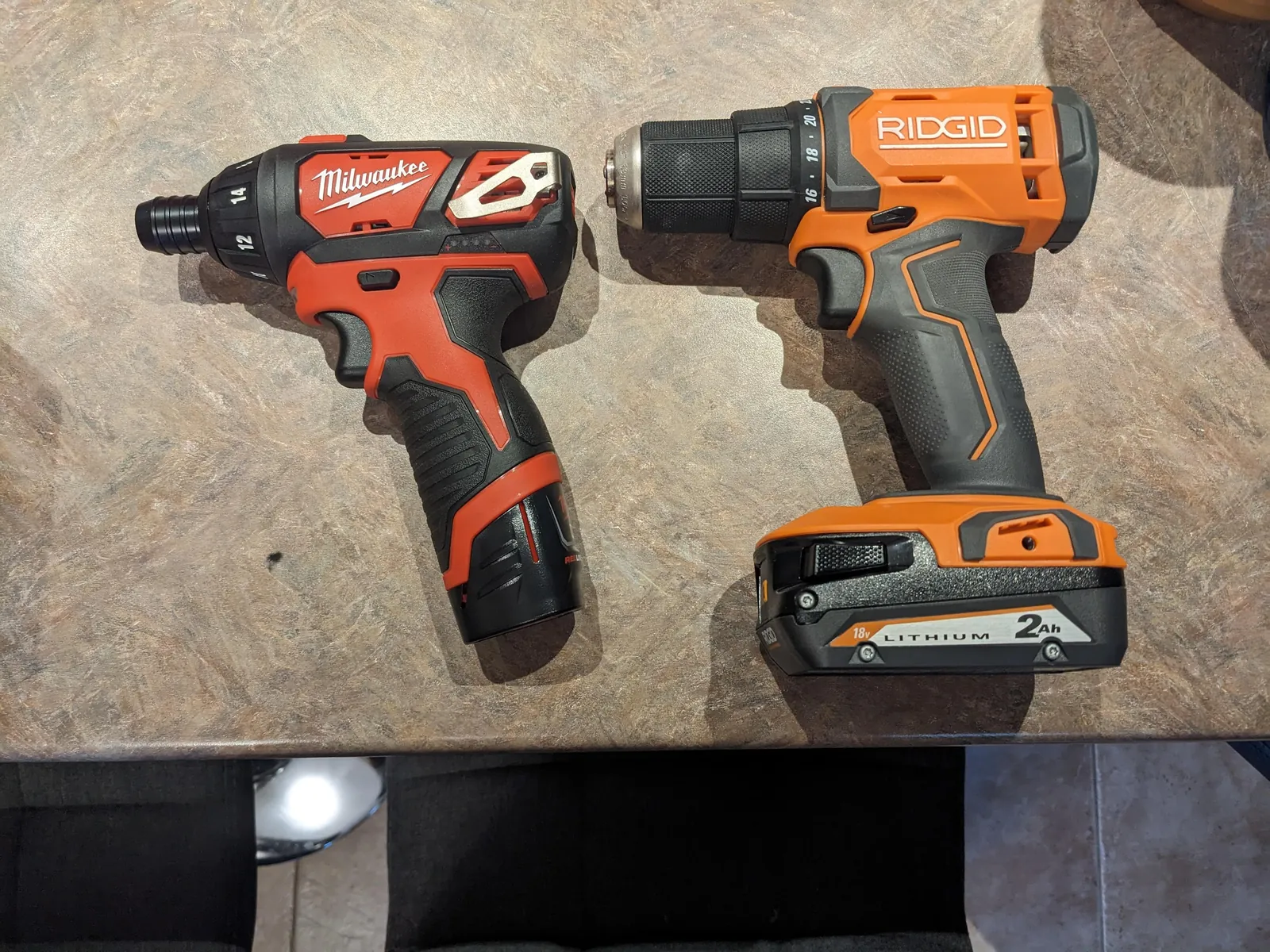
Electric screwdrivers are designed for control. They provide low torque to prevent damage to small fasteners or soft materials like plastic.
- Select the correct bit for your screw head and insert it into the collet.
- Adjust the torque clutch setting to the lowest level to avoid over-tightening.
- Align the bit with the screw head and apply light pressure.
- Squeeze the trigger gently until the screw is flush with the surface.
They’re perfect for flat-pack furniture and small household repairs. The main drawback is their lack of power for heavy construction, which can lead to motor burnout if you force them.
Using a hand screwdriver
Sometimes, manual control is the safest way to finish a job. It allows for the most sensitivity, which is vital for tiny electronics or fragile wood.
- Choose a manual screwdriver that matches the screw type and size exactly.
- Place your palm against the end of the handle for stability.
- Turn the tool slowly in a clockwise direction while maintaining firm pressure.
- Stop turning as soon as the screw head touches the material surface.
This method is best for precision work where power tools might cause damage. It’s slow and physically tiring for large projects, making it unsuitable for building decks or structures.
Choosing between an impact driver and electric screwdriver
If you’re in a hurry to build a large outdoor project, choose an impact driver because it drives long screws significantly faster. If you’re doing this for the first time and just need to assemble a bookshelf, an electric screwdriver is the better option because it’s easier to control and less likely to damage the wood.
If you want the best possible result regardless of the time it takes, use an impact driver for the heavy structure and a hand screwdriver for the finishing touches.
Safety and standards for power tools
Regardless of the tool you choose, you must follow basic safety rules to prevent injury. Always wear personal protective equipment as recommended by the Occupational Safety and Health Administration. Before starting, check your work area for hidden wires or pipes. Ensure your battery is fully charged to avoid stalling, and always keep your fingers away from the rotating bit. If you’re working on electrical components, always turn off the power at the main breaker before you begin any work.
Related guides
- Benchtop Planer Vs Hand Planer: Which Woodworking Tool Suits You Best?
- Impact Driver vs Impact Wrench: Key Differences and Uses
- 10 Best Impact Drivers for Automotive Work: Our Expert Picks
Frequently Asked Questions
Can an impact driver replace a drill?
No, an impact driver isn’t a replacement for a drill. While it can drive screws, it lacks the chuck needed for standard drill bits and doesn’t have the precision required for clean, controlled holes in delicate materials.
How long does a battery last?
A typical battery lasts 30 to 60 minutes of continuous use, depending on the capacity measured in ampere-hours (Ah). You can estimate your runtime by checking the rating on the battery pack; higher Ah ratings provide longer usage.
Is it safe to use on plastic?
No, it isn’t recommended to use an impact driver on plastic. The high torque and vibration can easily crack the material or strip the threads, so use a manual screwdriver or a low-torque electric model instead.
What happens if I strip a screw?
If you strip a screw, stop immediately to avoid further damage. You’ll need to use a screw extraction tool or a pair of locking pliers to remove it, which is much more difficult than driving it correctly.
How much torque do I need?
You need enough torque to seat the screw without breaking the head off the fastener. For small furniture, 5 to 10 inch-pounds is plenty, while heavy framing may require over 100 inch-pounds of force.
Why does the tool make a loud noise?
The noise is caused by the internal hammer striking the anvil to create extra torque. This is a normal function of an impact driver and doesn’t indicate a mechanical fault, though you should wear ear protection.
How often should I clean the tool?
You should clean your tool after every major project. Use a dry cloth to wipe away dust and debris from the vents, as buildup can cause the motor to overheat during future use.
Conclusion
Ultimately, the right tool makes every project feel effortless. If you aren’t sure which one fits your needs, head to your local hardware store and hold both in your hands. You’ll quickly see which feels more comfortable for your grip, helping you get started on your next build with total confidence.