How to Stop an Impact Driver From Stripping or Overdriving Screws
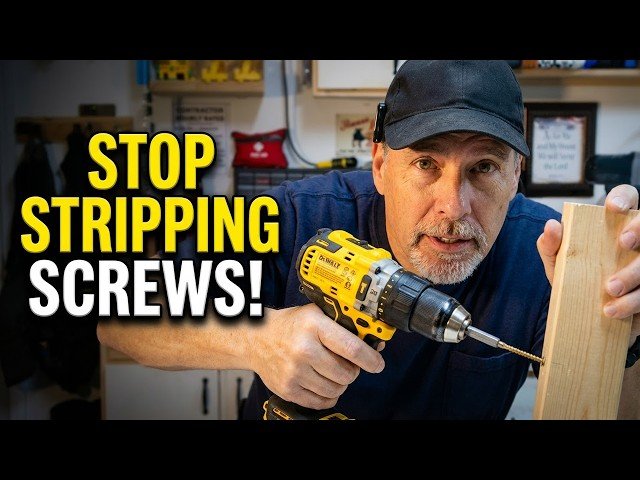
You can prevent damage by adjusting the clutch setting on your tool and using the right bit size, which is how to stop an impact driver from stripping or overdriving screws.
Stop stripping screws with your impact driver
| What most people do | What to do instead | Why it matters |
|---|---|---|
| Using full trigger speed | Use a partial trigger pull | Prevents heat and stripping |
| Using a worn bit | Use a new, matching bit | Prevents cam-out and slips |
| Forcing the driver | Let the tool do work | Protects the screw head |
| Driving flush too fast | Stop just before the surface | Keeps material from splitting |
| Using wrong bit size | Match bit to screw drive | Stops damage to metal |
| Holding at an angle | Keep bit perfectly straight | Prevents broken screw shanks |
Adjust your speed and pressure
People often pull the trigger all the way down because they think more speed equals more power. This is a mistake that causes the bit to jump out of the screw slot, known as cam-out. Instead, start by pulling the trigger slowly to seat the bit firmly into the screw head.
Once the screw catches, you can increase the speed slightly. If the screw is long or the wood is very hard, you should drill a pilot hole first. The American Wood Council provides technical data on fastener withdrawal, which shows that pilot holes prevent wood fibers from splitting under pressure. If you feel the tool vibrating, you’re going too fast.
Choose the right bit size
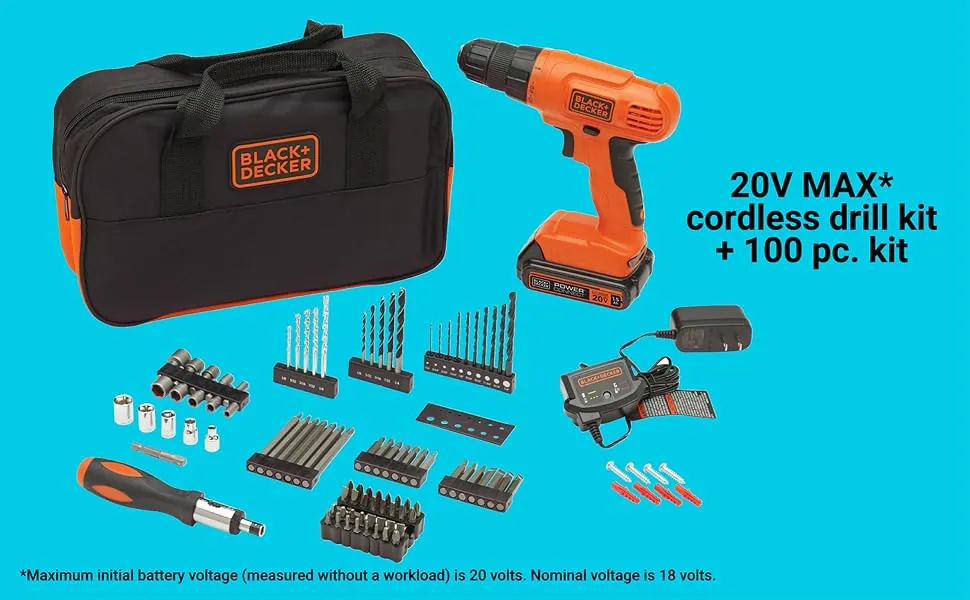
Using a bit that’s too small or the wrong shape will strip the head of almost any screw. You must match the bit to the screw drive, such as using a PH2 bit for a standard #2 Phillips screw. If the bit wobbles inside the screw head before you even turn it, don’t use it. A tight fit transfers torque without damaging the screw head.
Stop before the surface
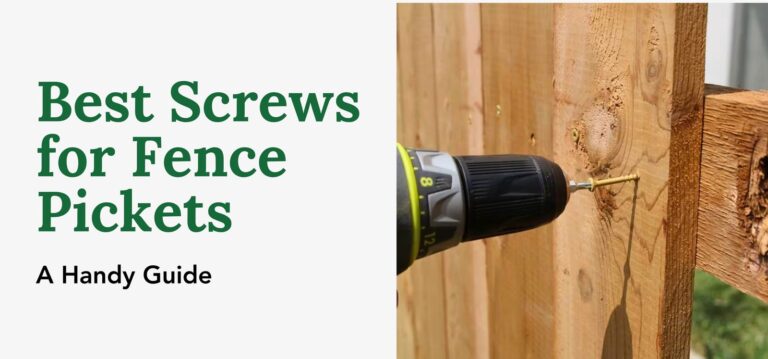
Overdriving is a common problem where the screw head sinks too deep into the material. It happens when you keep the trigger pulled after the screw is already flush. Soft wood allows the driver to sink screws faster than hardwood. Stop the driver when the screw head is about one millimeter away from the surface. You can then finish the last few turns by hand to ensure the head sits perfectly flush.
Advice you can ignore
- Buying expensive impact-rated bits: Most standard bits work fine if you use the correct pressure, though impact-rated ones last longer.
- Applying heavy downward body weight: This tip is wrong because it pushes the bit out of the screw; let the tool’s weight do the work.
- Using lubricants on all screws: You only need wax or soap for very large lag screws, not for standard wood screws.
- Switching to a drill for all screws: An impact driver works perfectly for most tasks if you control the trigger speed.
How to drive screws correctly
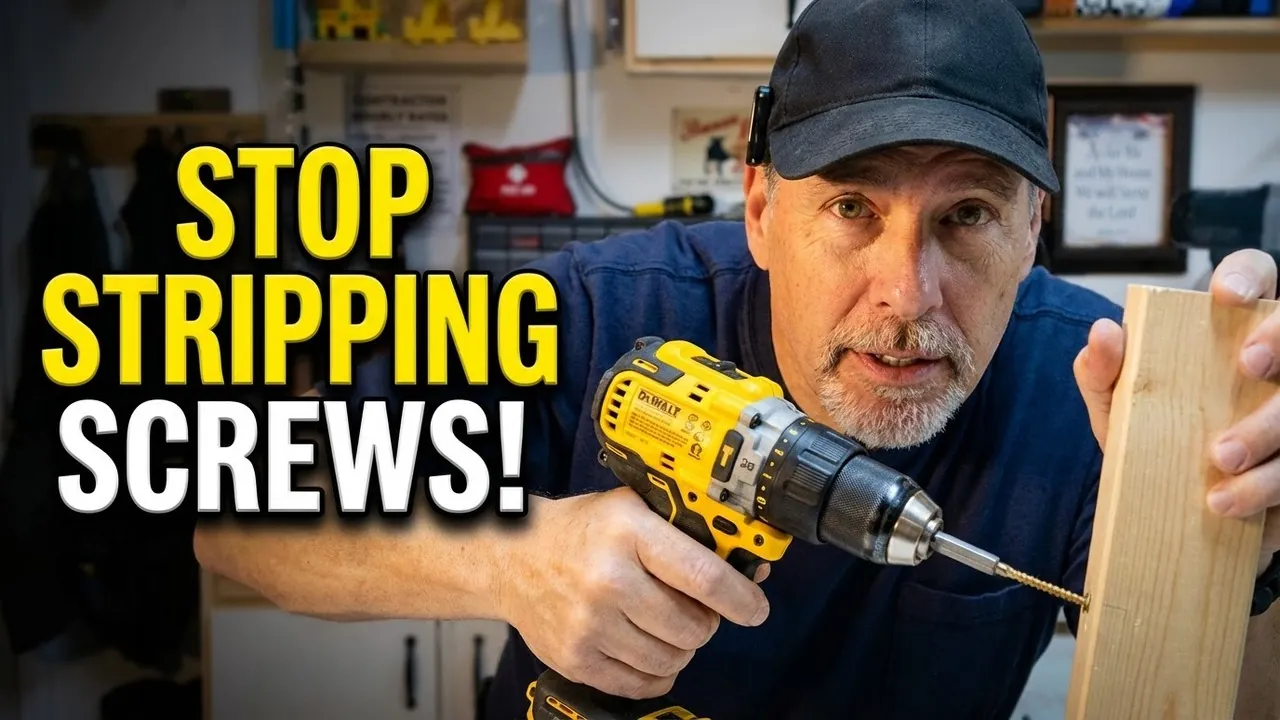
- Check the screw head type and select the matching driver bit for your impact tool.
- Drill a pilot hole in hard wood using a bit 1/8 inch smaller than the screw shank.
- Place the bit into the screw head and apply firm, steady pressure before pulling the trigger.
- Pull the trigger halfway to start the screw slowly until it bites into the material firmly.
- Increase the trigger pull to a steady speed, keeping the driver straight to avoid side pressure.
- Release the trigger when the screw head is nearly flush to avoid overdriving into the wood.
Related guides
- Impact Driver vs Impact Wrench: Key Differences and Uses
- 10 Best Impact Drivers for Automotive Work: Our Expert Picks
- Best Impact Drivers for DIYers: Picks for Different Jobs
Frequently asked questions
Can I use a drill instead of an impact driver?
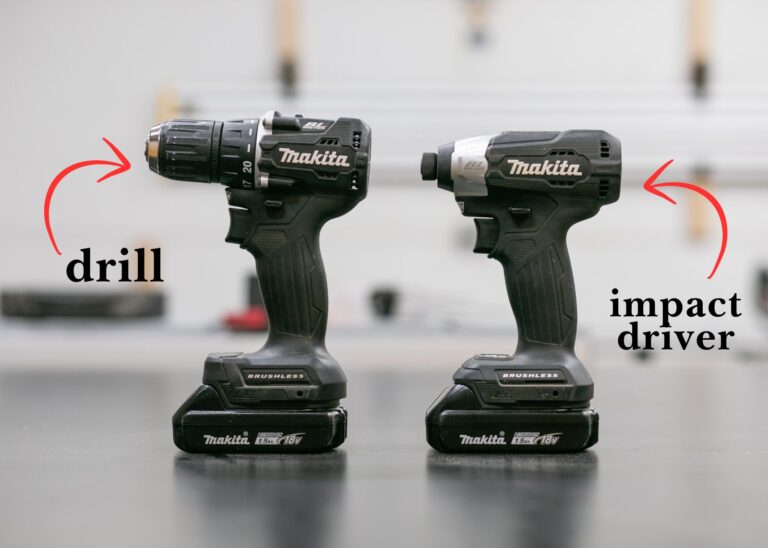
Yes, you can use a drill if you have a clutch setting to prevent overdriving. An impact driver is better for long screws, but a drill gives you more control for small, delicate fasteners.
How long does a screw bit last?
It lasts for hundreds of screws if you keep the bit straight and avoid cam-out. You can tell a bit is worn when the edges look rounded or it slips easily during use.
Is it safe to use an impact driver on soft wood?
Yes, it’s safe if you use a lower trigger speed and stop before the screw sinks too deep. Soft wood strips easily, so watch the depth closely as you drive.
What happens if I strip the screw head?
It becomes very difficult to remove the screw once the head is stripped. You may need to use a screw extractor tool or pliers to pull the fastener out of the wood.
Does it matter which brand of screws I use?
It matters because cheaper metal alloys strip much faster than high-quality steel. Check the packaging for the material grade if you’re worried about the screw head failing under torque.
Why does my screw go in crooked?
It happens because you aren’t holding the driver perpendicular to the surface. Always check your angle before you start, and keep your wrist locked while the tool runs.
Conclusion
Using these methods will save your materials and your tools from unnecessary wear. If you find your screws still pull through the surface, switch to a screw with a larger head or use a washer to spread the load.