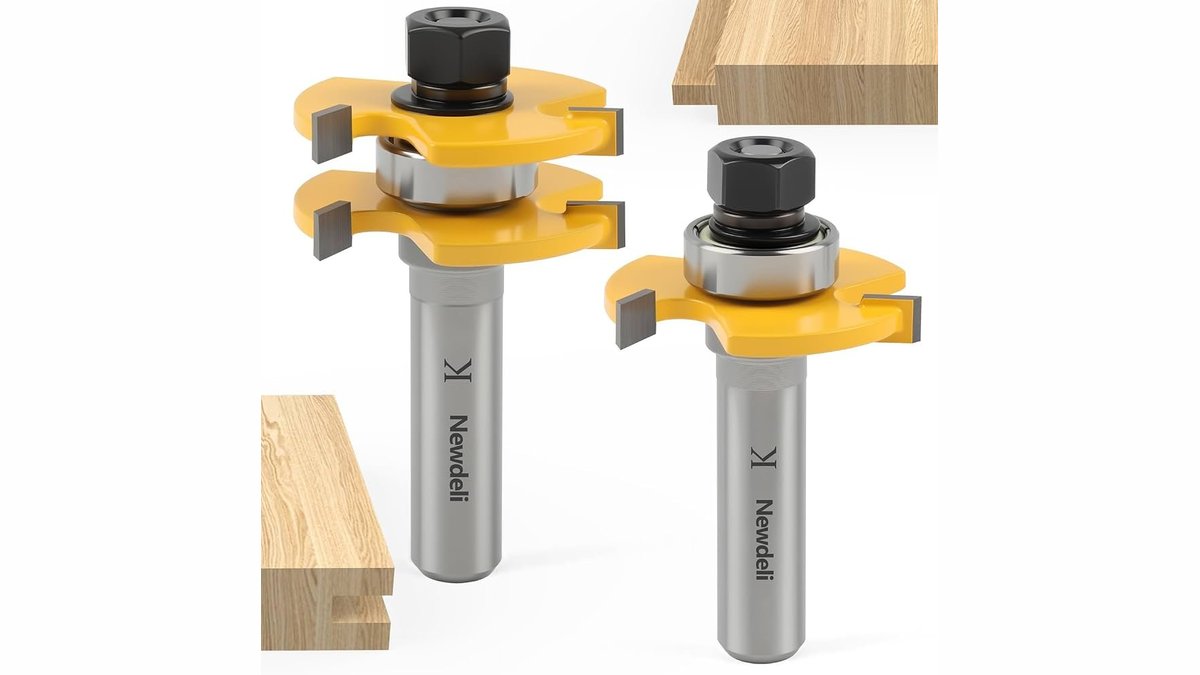
1/4-Inch vs 1/2-Inch Router Bits: Shank Size and Compatibility
Matching your router bit shank size to your collet is essential for safe and effective operation. While 1/4-inch bits are suitable for light trimming and small projects, 1/2-inch bits offer greater stability for heavy-duty tasks.
Comparing Shank Sizes for Woodworking

The right shank size depends on your router’s motor power and the depth of your planned cut. Larger shanks provide more surface area for the collet to grip, which minimizes vibration and prevents the bit from slipping during heavy passes.
If your router motor exceeds two horsepower, always prioritize a 1/2-inch shank. Using a 1/4-inch bit in a high-torque machine invites chatter, which ruins the finish and shortens the life of your bearings. If you’re performing deep mortising or removing large amounts of material, the 1/2-inch shank is the only safe choice to prevent snapping.
| Method | How long | Effort | Cost | Best for |
|---|---|---|---|---|
| 1/4-inch bit | Short | Low | Low | Light hobby work |
| 1/2-inch bit | Long | Medium | Medium | Heavy production |
| Multi-collet kit | Flexible | High | High | All-around utility |
For edge profiling or light decorative work, the 1/4-inch bit remains sufficient. Reserve your budget for 1/2-inch bits on high-impact tasks.
Using 1/4-inch Router Bits
These bits are standard for many entry-level routers. Because the shank is thinner, they’re easier to find in hardware stores and usually cost less than their larger counterparts.
Clean the collet and nut with a dry cloth to remove dust or resin. Any debris trapped inside creates a high spot, causing the bit to run off-center and vibrate.
Insert the bit shank into the collet, then pull it back out about 1/8 inch to prevent bottoming out. If the bit touches the bottom of the collet, it can’t tighten properly against the shank.
Tighten the collet nut firmly with the provided wrenches. Ensure the bit is secure by pulling on it; it shouldn’t move.
These bits are excellent for decorative edges and small joinery. However, they’re prone to snapping if you push them through hard woods too quickly. If you notice chatter, stop the machine and reduce your feed rate immediately. Use a shallow depth of cut, ideally no more than 1/8 inch per pass, to avoid excessive lateral stress on the smaller steel shank.
Using 1/2-inch Router Bits
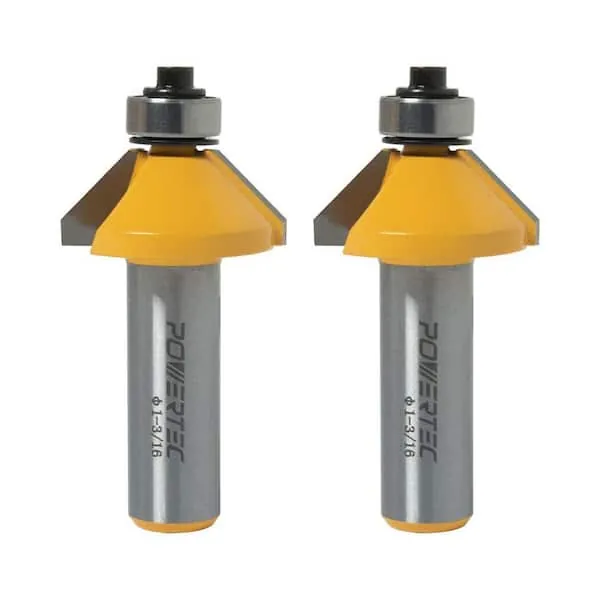
Professional woodworkers use these bits for almost every task because they provide superior rigidity. The increased mass of the shank helps dampen vibration during deep cuts or when using large-diameter profiles.
Check that your router collet is rated for 1/2-inch shanks. If you force a larger bit into a 1/4-inch collet sleeve, you risk a catastrophic failure where the bit ejects during operation.
Slide the shank into the collet, ensuring at least 3/4 of the shank is inside the grip. Don’t bottom the bit out against the collet floor; pull it back roughly 1/8 inch to allow for thermal expansion.
Use the correct wrenches to tighten the nut until you feel firm resistance. If you feel a “mushy” stop, the collet is likely dirty or worn, which invites chatter.
Verify the bit is centered to avoid uneven wear on the router bearings. These bits handle heavy loads without bending. They’re the best choice for table-mounted routers where you remove large amounts of material. A major downside is that they require a powerful motor to spin effectively; avoid using them on compact trim routers.
Using Universal Collet Adapters
However, most manufacturers advise against this because it adds an extra point of failure.
- Clean the inside of the 1/4-inch collet thoroughly.
- Insert the reducer sleeve into the collet until it sits flush.
- Slide the 1/2-inch bit into the sleeve carefully.
- Tighten the nut to the router manufacturer’s recommended torque to ensure the sleeve doesn’t shift.
Adapters are helpful for occasional use on small bits. They aren’t recommended for large-diameter bits, as the added length creates leverage that can loosen the connection. If you find yourself needing 1/2-inch bits often, upgrade your router to one designed for that size rather than relying on sleeves.
Choosing the Right Shank Size
When you’re in a hurry, use the 1/4-inch bit because it’s faster to swap and easier to handle for small, simple tasks. If you’re doing this for the first time, start with the 1/4-inch size to understand the machine’s reaction to different woods without the extra weight of a large bit.
When you want the best possible result, always choose the 1/2-inch shank. The larger diameter significantly reduces vibration and chatter, which prevents the burn marks that often ruin delicate hardwoods. If you’re routing deep profiles or hardwoods like oak and maple, the 1/2-inch shank is mandatory to prevent bit deflection.
Novices often make the mistake of using a 1/4-inch bit for heavy stock removal. This frequently causes the shank to snap under lateral pressure, potentially damaging your workpiece or the router collet. If the profile depth exceeds 1/2 inch, always upgrade to the larger shank to ensure safety.
Rules for Safe Router Use
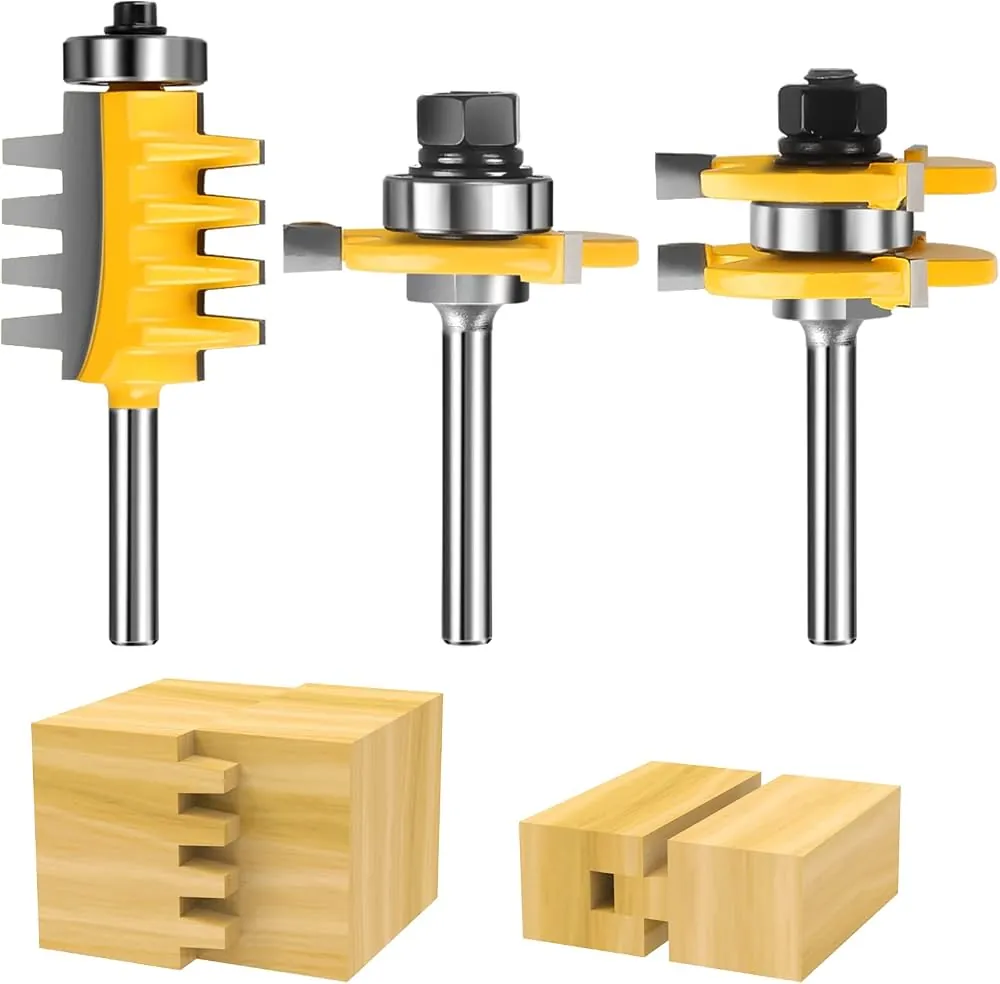
Regardless of the bit size you choose, safety remains the priority. Always verify that your router collet is clean and free of debris before every session, as dust can prevent a proper grip. Use a blast of compressed air to clear the interior threads, then wipe the collet with a dry cloth.
Never force a bit into a collet that feels too tight. If it doesn’t slide in smoothly, your collet is likely damaged or packed with resin. Check your bit for signs of rust or deep scratches, which act as stress risers that lead to catastrophic breakage.
If you’re using a router table, ensure the bit height is locked before turning the power on. A loose height adjustment can cause the bit to climb during a cut. If the bit shank is less than half an inch long, don’t exceed 18,000 RPM. If you’re unsure about the safety limits of your specific machine, consult the manual provided by the maker.
Related guides
- 1/2 Inch vs 3/8 Inch Cordless Drill Chuck: Which Size You Need
- 6-1/2-Inch vs 7-1/4-Inch Circular Saw: Which Size Do You Need?
- 3/8-Inch vs. 1/2-Inch Corded Drill: Which Chuck Size Do You Need?
Frequently asked questions
Can I use a 1/4-inch bit in a 1/2-inch collet?
No, you can’t safely use a 1/4-inch bit in a 1/2-inch collet without a specific reducer sleeve. Using a bit that’s too small for the collet will prevent it from tightening properly, which allows the bit to fly out of the router during operation and causes severe injury.
How long should the shank be in the collet?
The shank should be inserted at least 3/4 of the way into the collet, but never pushed all the way to the bottom. If you bottom out the bit, the collet can’t tighten evenly, which leads to the bit vibrating loose while you’re cutting your material.
Is it safe to use an adapter for larger bits?
No, it’s generally not safe to use an adapter to put a 1/2-inch bit into a 1/4-inch router. These adapters increase the distance from the router body, which adds stress to the collet and creates a high risk of the bit snapping or vibrating out of the tool.
What happens if the bit isn’t tight enough?
If your bit isn’t tight, it will vibrate and potentially slip out of the collet while the motor is spinning. This creates a dangerous situation where the bit can be thrown from the router at high speeds, damaging your project and risking your personal safety.
How often should I clean my collet?
You should clean your collet whenever you change bits or if you notice wood dust buildup. Keeping the collet clean ensures that the metal grips the shank evenly, which is essential for maintaining the balance and accuracy of your cuts during every woodworking project you undertake.
Conclusion
Always match your bit shank to the collet size specified by your router manufacturer. Using the correct size ensures the tool runs smoothly and prevents the mechanical failures that occur when bits are improperly seated or undersized. If your router has interchangeable collets, keep them organized so you always have the right one for the job.