
3/8-Inch vs. 1/2-Inch Corded Drill: Which Chuck Size Do You Need?
As an Amazon Associate, we earn from qualifying purchases. This post contains affiliate links – if you buy through them, we may earn a commission at no extra cost to you.
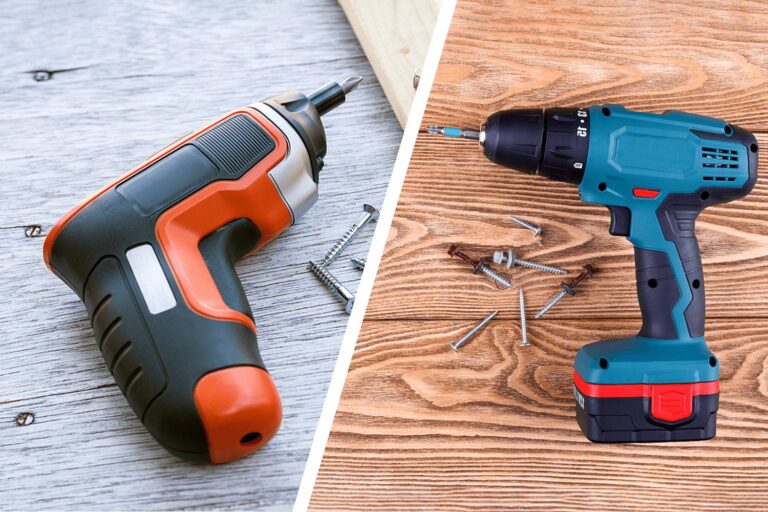
Choosing between a 3/8-inch and 1/2-inch corded drill chuck size depends on whether you value a compact tool for general tasks or a heavy-duty machine built for larger drilling capacities.
Head to Head on What Matters
Chuck Type and Size
These larger chucks allow for the use of heavy-duty bits, such as large hole saws or auger bits, which are often necessary for substantial materials.
Motor Amperage and Speed
Motor strength varies across these models, with amperage often signaling the tool’s ability to handle resistance. The CRAFTSMAN 3/8-in Electric Drill uses a 7 Amp motor reaching 2,500 RPM, while the BLACK+DECKER 5.5-Amp 3/8-Inch Drill focuses on a compact 5.5 Amp design. Among the 1/2-inch models, the DEWALT 7.8-Amp 1/2-Inch Drill offers the highest listed amperage at 7.8 Amps. The BLACK+DECKER 1/2 in. Electric Drill provides 7 Amps, and the SKIL 7.5 Amp 1/2″ Drill uses a 7.5 Amp motor designed for high torque.
Control and Stability Features
Handling a drill safely is vital when working with high-torque motors. Both the DEWALT 7.8-Amp 1/2-Inch Drill and the SKIL 7.5 Amp 1/2″ Drill include a 360-degree side handle to help maintain stability. The BLACK+DECKER 1/2 in. Electric Drill also provides a side handle for control. For smaller tools, the CRAFTSMAN 3/8-in Electric Drill uses a variable speed trigger and a lock-on feature for continuous work, while the BLACK+DECKER 5.5-Amp 3/8-Inch Drill relies on its compact frame for maneuverability.
What the Numbers Mean for You
When you look at these drills, the motor amperage and chuck size reveal exactly what the tool is built to handle. A 1/2-inch chuck isn’t just about the bit size; it signals the torque the machine can manage without stalling. If you’re drilling large holes in thick wood or metal, the larger chuck capacity is your benchmark for success.
Use the 7.5 to 7.8 Amp models when your project demands heavy-duty work. These tools often feature side handles and metal gear housings to provide the stability required for high-torque tasks.
Meanwhile, the compact models are easier to maneuver.
Choose the 3/8-inch drill if your work is primarily light assembly or finish carpentry. Reserve the 1/2-inch tools for structural projects that require larger bits and sustained power. Matching the motor size to the material thickness prevents unnecessary strain on the tool and ensures your holes are drilled accurately every time.
1. CRAFTSMAN 3/8-in Electric Drill/Driver (7 Amp) (CMED731)

Best for: General home repairs and light-duty drilling tasks.
With a top speed of 2,500 RPM, it excels at driving fasteners and making quick holes in thin materials.
If you’re working on a repetitive project, the lock-on trigger allows for continued usage without keeping your finger pressed against the switch. This feature prevents hand fatigue during long sessions. If your workspace is cluttered, you can mount the unit directly to a Versa-Track wall organization system when you finish.
However, this model isn’t for heavy-duty construction or boring large-diameter holes because the chuck size limits your bit selection, meaning you can’t use larger shank accessories. The 3/8-inch chuck limits your bit selection, meaning you can’t use larger shank accessories.
Pros
- Keyless chuck for fast bit changes.
- Variable speed trigger provides good control.
- Lock-on trigger for continuous use.
Cons
- Limited to smaller shank accessories.
- Hook and accessories sold separately.
The CMED731 package includes the drill/driver itself. Before starting, ensure your bits are compatible with the chuck’s capacity. If your bit shank is larger than this, the chuck won’t close, rendering the tool useless for that specific task. Stick to light-duty applications to maintain the tool’s longevity.
2. BLACK+DECKER 7.0 Amp 1/2 in. Electric Drill/Driver Kit (DR560)

Best for: Versatile drilling in wood, metal, and plastic.
This model bridges the gap between smaller drills and heavy-duty options. The 7 Amp motor handles larger fasteners and holes, with a capacity of 1-1/2 inches in wood and 1/2 inch in steel. The 360-degree side handle is essential for maintaining stability when the torque increases during deep drilling.
The variable speed trigger allows you to customize output up to 900 rpm. Use lower speeds for driving large fasteners to maintain control, and higher speeds for drilling through thinner materials. This drill isn’t for industrial-grade work; it’s designed for home projects where you need a balance of power and maneuverability.
Pros
- 360-degree side handle for added stability.
- Reversing brush system maintains full power in both forward and reverse.
- Comfort-grip handle reduces fatigue during extended sessions.
- Streamlined design maneuvers easily in cramped, awkward spaces.
Cons
- Keyed chuck requires a tool for bit changes. This slows down your workflow if you frequently switch between drilling and driving.
- Mid-range performance limits its use on heavy construction sites.
Always ensure the chuck is tightened securely with the key before starting. A loose bit will slip, potentially damaging the material or the chuck itself.
3. DEWALT 7.8-Amp 1/2-Inch Drill

Best for: Demanding jobsite tasks and heavy materials.
This drill is built for durability, featuring heat-treated steel gears and a metal gear housing. The 7.8 Amp motor is the most powerful on this list, making it suitable for tough applications where performance is the priority. The two-finger trigger design improves comfort during extended operation.
If you’re mounting shelves or hanging pictures, a battery-powered tool will save your wrists from unnecessary fatigue.
The 360-degree side handle allows you to adjust your grip based on the angle of your work.
Pros
- Powerful 7.8 Amp motor for heavy work.
- Durable helical-cut steel gears.
- Metal gear housing for jobsite reliability.
- Adjustable 360-degree side handle for control.
Cons
- Requires a chuck key for bit changes. Keep the included key in its holder to avoid losing it, as the drill won’t function without it.
4. BLACK+DECKER 5.5-Amp 3/8-Inch Drill

Best for: Tight spaces and light, repetitive drilling.
If your priority is a compact tool that can reach into awkward corners, this is an excellent candidate. The 5.5 Amp motor provides enough power for standard DIY projects, and the on-board bit storage keeps your workspace tidy. Its lightweight nature makes it easy to manage, but it isn’t intended for heavy-duty drilling or large-diameter bits due to the smaller chuck and lower motor amperage.
Use this drill when your primary hurdle is physical clearance rather than material density. If you’re mounting shelves, assembling flat-pack furniture, or driving screws into softwoods, the compact frame is a distinct advantage. However, if you find yourself stalling the motor, you’re likely pushing beyond its 5.5-amp limit.
The corded design ensures you never pause for a battery recharge. This is the deciding factor for long-duration tasks where stopping to swap power packs would break your workflow. Keep the included double-ended bit stored on the chassis to ensure you always have a spare ready for quick swaps.
Pros
- Very compact for maneuverability.
- On-board bit storage included.
- Unlimited runtime from corded power.
Cons
- Lowest power rating in the group.
- Limited to smaller bit shanks.
- Tethered to an outlet.
5. SKIL DL181901 7.5 Amp 1/2″ Corded Drill

Best for: Precise, high-torque drilling projects.
This drill features a 7.5 Amp motor and a built-in horizontal bubble level, a unique addition for ensuring accurate drilling angles. The keyed chuck and side handle provide a secure setup for heavy-duty work. It’s a solid performer for those who need to manage large-diameter bits with precision. It isn’t designed for users who need a lightweight, one-handed tool, as its construction favors stability and power over portability.
Use the side assist handle whenever you’re boring holes that exceed the capacity of light-duty drills.
The keyed chuck is less convenient for frequent bit changes than a keyless model. If your project requires switching between a spade bit and a twist bit every few minutes, you’ll lose significant time. Reserve this tool for tasks where you can keep the same bit locked in for the duration of the job.
The built-in horizontal bubble level is most effective when you’re drilling into vertical surfaces. If you’re working on a ceiling or a floor, the level won’t provide the same guidance.
The DEWALT 7.8-Amp 1/2-Inch Drill is the clear winner for heavy-duty projects where power is the priority. For the average homeowner who is unsure which they need, the BLACK+DECKER 1/2 in. Electric Drill is the safer choice because it offers the versatility of a 1/2-inch chuck while remaining manageable. Always check your specific project requirements before selecting your final tool.
Frequently Asked Questions
Is a bigger motor always better?
A bigger motor provides more torque, which is essential for large bits or hard materials, but it also makes the drill substantial and harder to maneuver.
What does the chuck size actually mean?
The chuck size is the physical limit of the drill. It refers to the maximum diameter of the drill bit shank that can fit into the jaws of the drill. A larger chuck can hold heavy-duty bits, like hole saws, that a smaller chuck simply can’t physically accept, regardless of how much power the motor has.
Are keyed chucks worse than keyless?
Neither is strictly “worse,” but they serve different needs. Keyless chucks allow for very fast bit changes by hand, which is great for quick projects. Keyed chucks require a separate tool to tighten, but they often provide a more secure grip on the bit, which is important when you’re doing heavy-duty drilling that creates a lot of vibration.
Can I use 1/2-inch bits in a 3/8-inch drill?
No, you cannot fit a standard heavy-duty bit shank into a smaller chuck. You would need to find a specialized bit with a reduced shank designed to fit a smaller chuck. However, these reduced-shank bits are often not recommended for heavy-duty work, as they can slip or bend under high torque.
Conclusion
Think about the projects you’ve got planned for the coming months before you head to the store. If you’re just hanging shelves or assembling furniture, a lighter tool won’t tire your arms out. You’ll be glad you picked the right one once you’re finally ready to start that first big build.

One Comment