Impact Driver vs Drill: Which Tool to Buy First for Projects
Buy an impact driver first if most of your projects involve driving screws and bolts. It delivers strong rotational force with quick taps, so fasteners go in fast and the tool doesn’t twist in your hand. A drill wins when you need clean holes in wood, metal, or masonry.
Comparing impact driver and drill tools to buy first
| Method | How long | Effort | Cost | Best for |
|---|---|---|---|---|
| Impact driver | Fast | Low | Medium | Driving long screws and bolts |
| Cordless drill | Moderate | Low | Medium | Drilling holes and light driving |
| Hammer drill | Moderate | Medium | Medium | Masonry and concrete |
| Manual screwdriver | Slow | High | Low | Tiny jobs only |
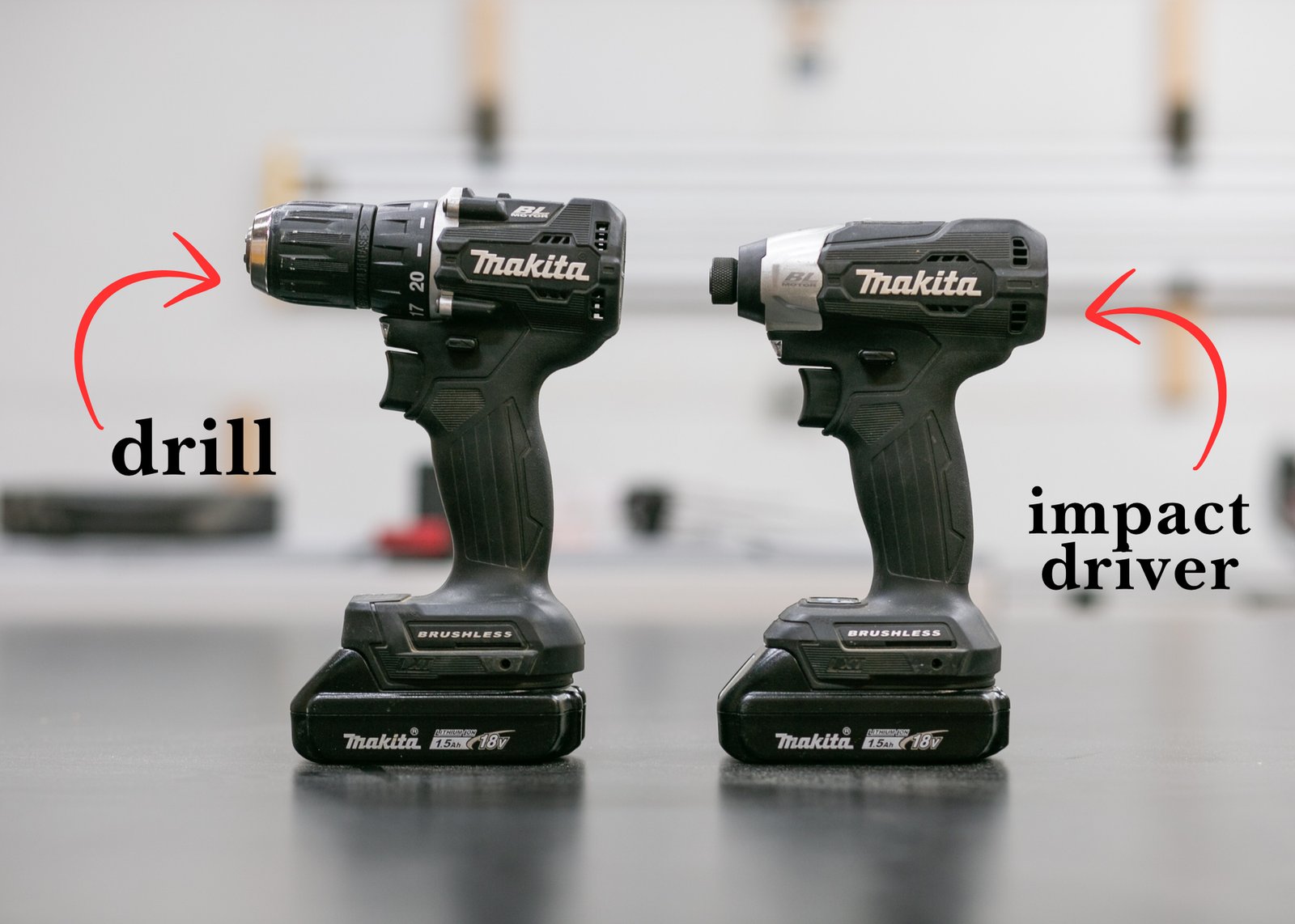
Each tool does one job better than the other. An impact driver applies rotational force in quick pulses as it turns, which helps drive fasteners efficiently. A drill spins at a steady speed, which is what you need for a clean hole. Neither tool replaces the other completely, so pick the one that matches most of your work.
Impact driver
An impact driver looks like a drill but hits the fastener with quick rotational taps while it spins. That extra force drives long screws into tough wood without stalling.
- Fit a hex-shank bit into the quick-release chuck.
- Set the direction to forward.
- Place the bit on the screw head and pull the trigger.
- Let the tool stop on its own once the screw is seated.
It excels at decking, framing, and furniture assembly because it drives fasteners quickly and saves your wrist. The downside is that it’s loud, and it isn’t made for drilling clean holes. If you need to bore holes regularly, buy a drill too.
Cordless drill
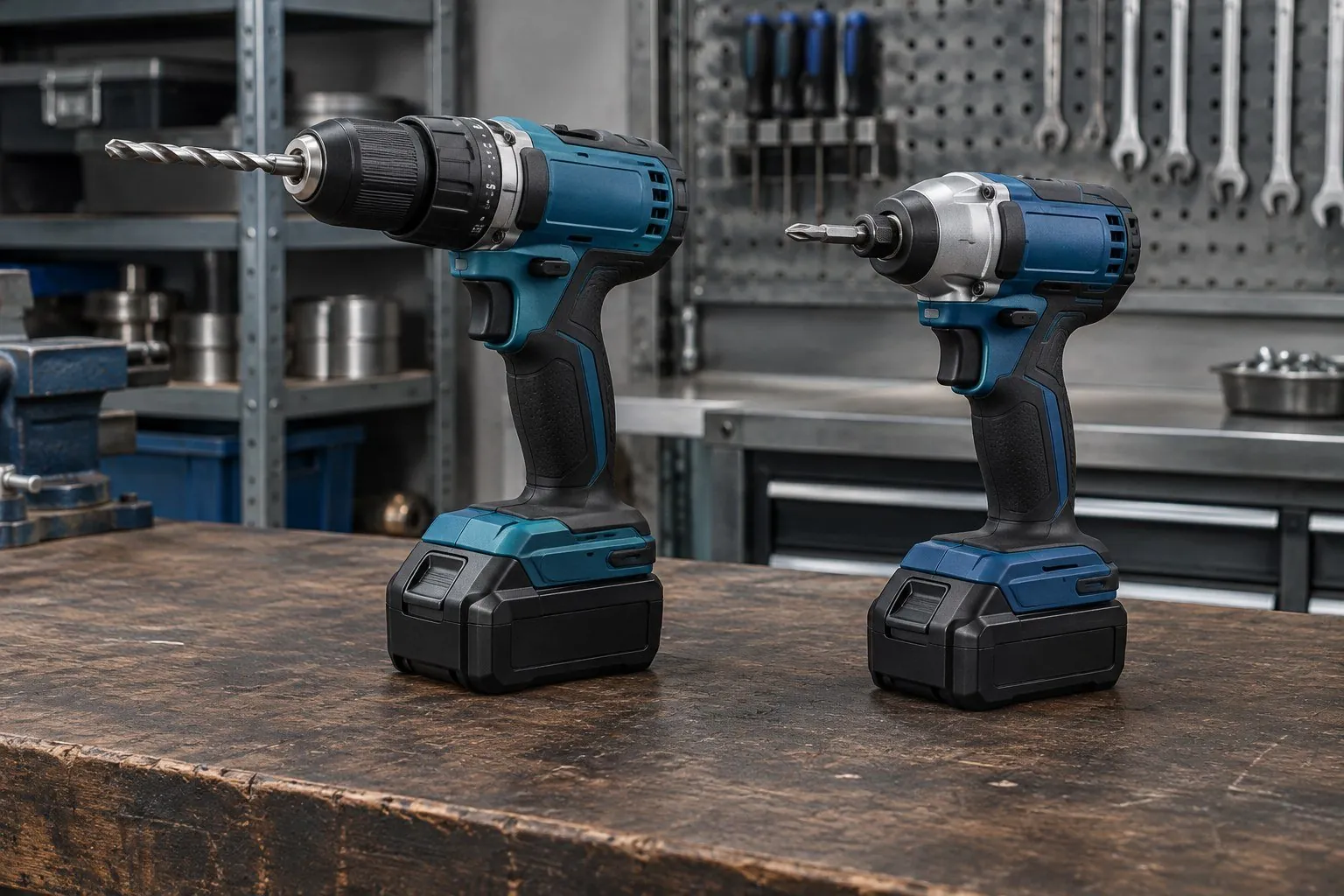
A drill spins the bit at a steady speed, which makes it the right tool for holes and for small screws.
- Insert a round-shank bit into the keyless chuck and tighten it by hand.
- Choose the drill setting for holes or the driver setting for screws.
- Adjust the clutch to a low number for soft wood and a higher number for harder material.
- Start slowly, then increase speed as the bit bites.
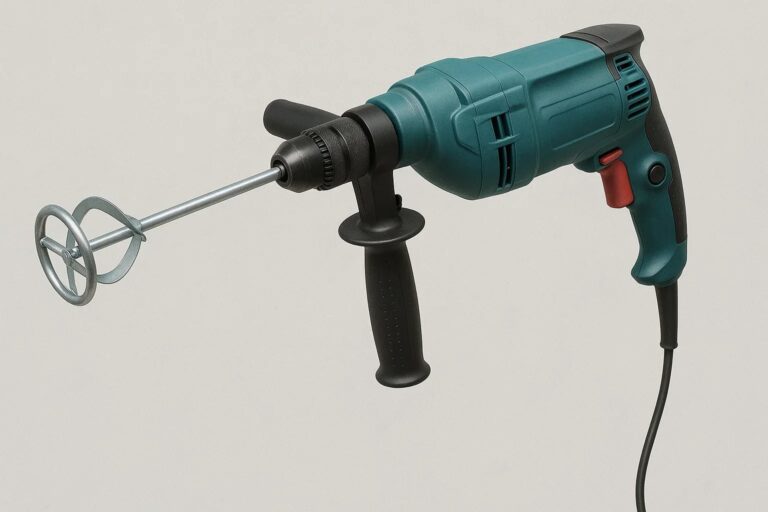
It handles drilling, light driving, and even mixing paint with the right attachment. The weakness is that large or long screws can stall it or strip the head. If your project is mostly driving, an impact driver gets it done faster.
Hammer drill
A hammer drill adds a forward pounding action to the spinning bit, which lets it bore into concrete and brick. Use it only for masonry; the hammer action can crack tile and damage wood. For everyday home projects, start with a drill or an impact driver instead.
Which tool should you buy first?
Buy an impact driver first when you’re in a hurry because it drives screws faster than anything else. Buy a drill first when you’re doing this for the first time, since it handles both holes and light driving.
Buy the best drill you can afford when you want the best possible result whatever it takes, because one good drill with a full bit set covers nearly every home job. The real trade-off is speed versus versatility: the impact driver drives fasteners quickly, while the drill does more kinds of work.
What matters no matter which tool you pick
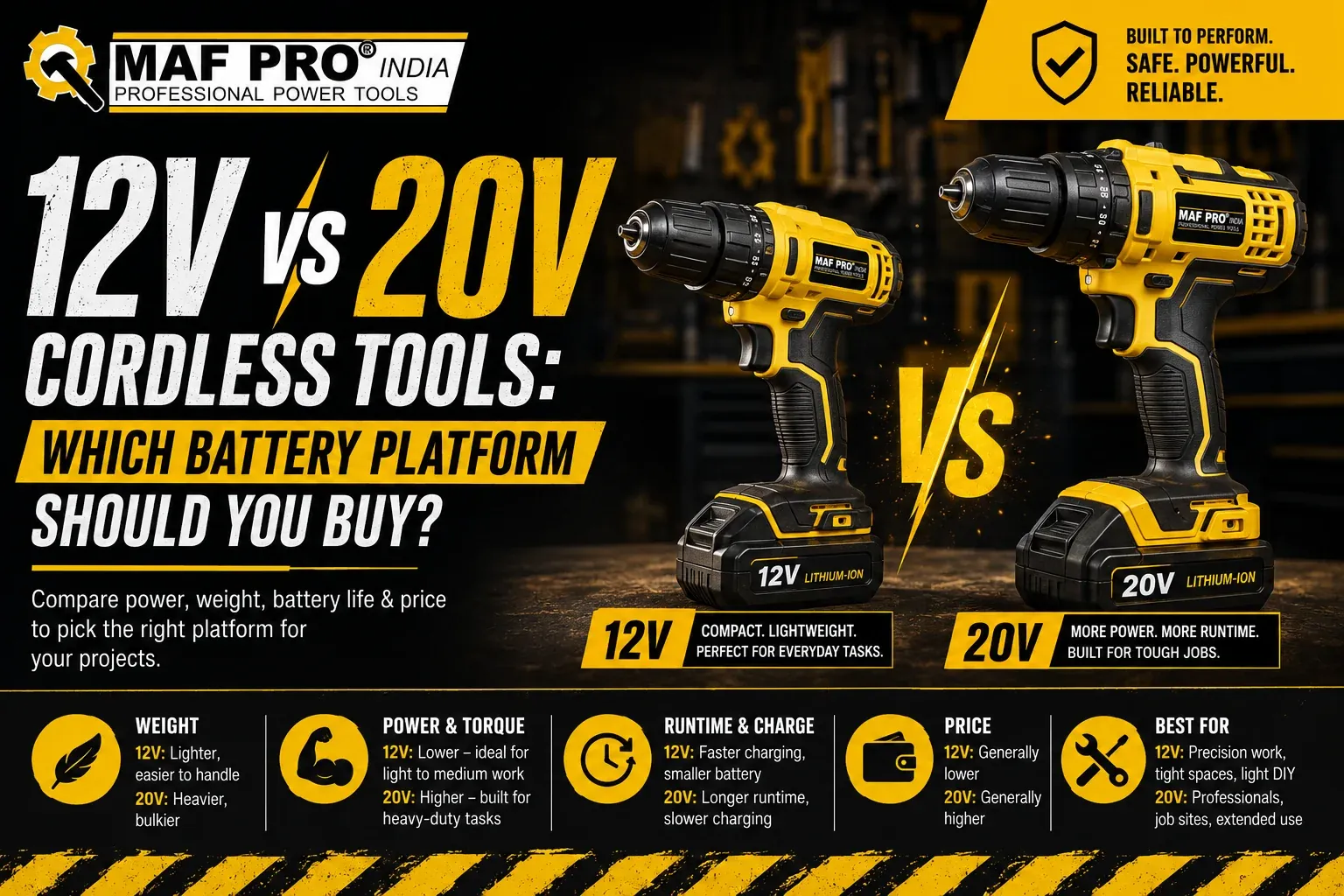
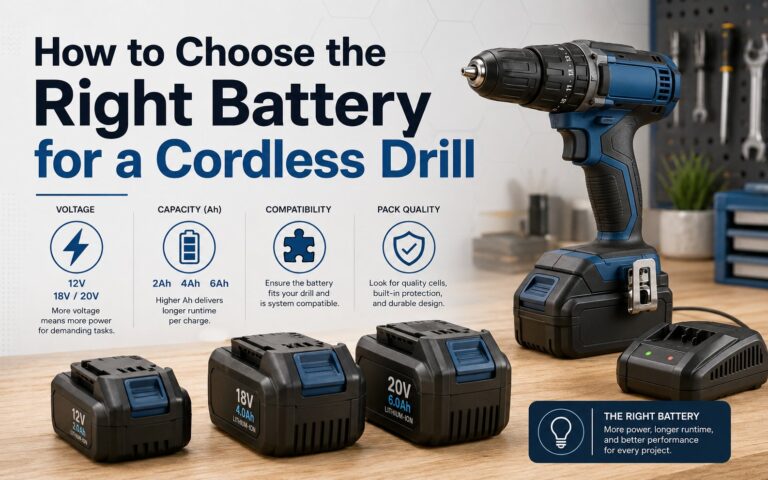
Buy one cordless system and stay with it, because batteries and chargers aren’t interchangeable between brands. Check the voltage on the tool before you buy so your batteries match every tool in that line. Charge the battery fully before the first use, and check the bit is tight in the chuck after every few screws.
Wipe the tool down when you finish and store it in a dry place. If you need to cut tile, drive anchors into concrete, or do anything that sends dust or chips toward your face, wear safety glasses and stop if the tool binds or smokes. The Consumer Product Safety Commission publishes power tool safety guidance you can check before you start.
Related guides
- Benchtop Planer Vs Hand Planer: Which Woodworking Tool Suits You Best?
- 10 Best Impact Drivers for Automotive Work: Our Expert Picks
Frequently asked questions
Can I drill holes with an impact driver?
Yes, but only small holes in soft wood with hex-shank bits. It isn’t built for clean, accurate holes, so use a drill instead.
Why does an impact driver not twist in my hand?
The quick taps turn the fastener in short bursts instead of one steady spin, so the reaction force stays low.
How long does one battery charge last?
It depends on the battery’s amp-hour rating and how hard the tool works. Check the rating printed on your battery and recharge when power drops.
Is it safe to use either tool without experience?
Yes, for basic driving and drilling. Wear eye protection, keep both hands on the tool, and stop if it binds or smokes.
What happens if I use the wrong bit?
The bit can slip and strip the screw head, which ruins the fastener and can damage the material. Match the bit size and type to the screw.
Can one battery work in both tools?
Only if both tools are from the same brand and voltage line. Batteries don’t swap between different manufacturers.
Conclusion
Buy the impact driver first if you spend most of your time driving screws and bolts. Buy the drill first if you need holes as well. Choose the one that matches the work you actually do, not the one that looks most impressive on a shelf.