Impact Driver RPM vs IPM: How to Compare Performance Metrics
Revolutions per minute measure how fast the chuck spins, while impacts per minute count the hammer strikes, but neither metric alone reveals how well an impact driver performs. Compare both together because rpm moves the fastener and ipm breaks it loose. If you’re choosing between two drivers, look at both numbers before you buy.
Impact driver rpm vs ipm: what they measure
Rpm stands for revolutions per minute, and it measures how many times the chuck turns in one minute. Ipm stands for impacts per minute, and it measures how many times the internal hammer strikes the anvil in that same minute. These two numbers measure different things, so you can’t compare one against the other as if they were the same spec.
A driver with high rpm spins the fastener quickly but may not have enough hammering force to drive a long screw into hardwood, while a driver with high ipm delivers strong blows but may spin too slowly to set a screw cleanly. You need both figures side by side to judge real driving power.
The options compared
Here is how the two specs differ and where each one matters.
| Method | How long | Effort | Cost | Best for |
|---|---|---|---|---|
| Compare rpm only | Instant | Low | Low | Light assembly in soft material |
| Compare ipm only | Instant | Low | Low | Breaking loose stuck fasteners |
| Compare both together | A few minutes | Low | Low | Choosing any impact driver |
Rpm measures rotation speed, while ipm measures hammering force. A high-rpm, low-ipm driver spins fast but hammers weakly; a low-rpm, high-ipm driver hammers hard but turns slowly. Neither spec wins on its own, and the table shows why you should read both numbers before you decide.
How rpm works
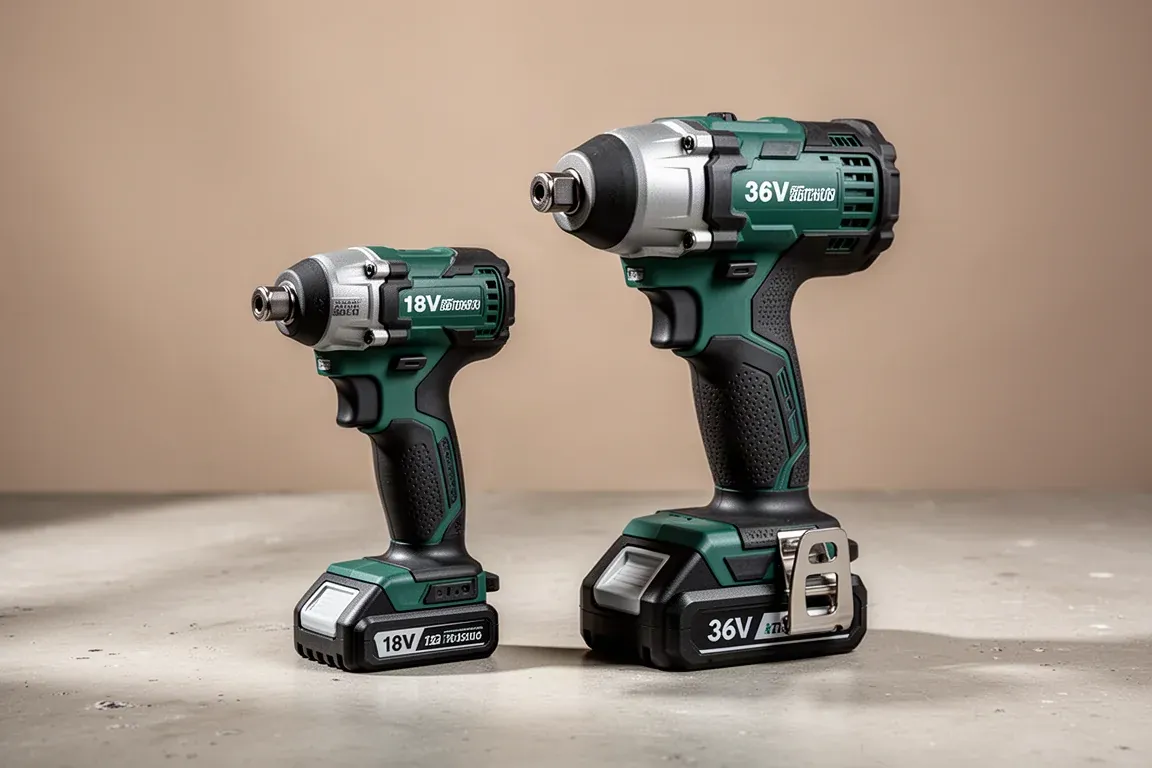
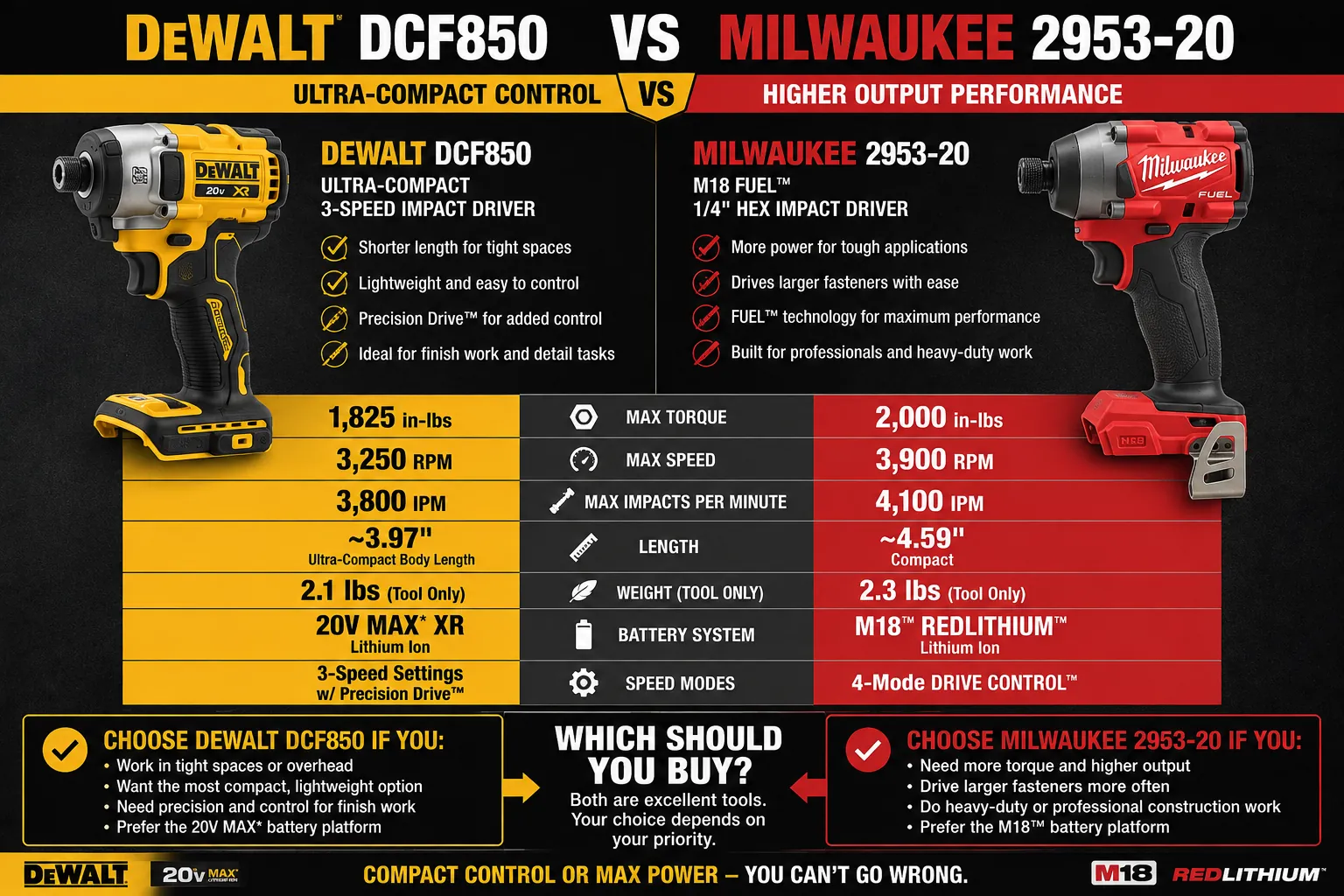
Rpm describes how fast the motor spins the chuck. Most cordless impact drivers list a no-load rpm between 0 and about 3,000, though the exact top speed varies by model and brand. To use it, check the rpm rating on the tool or in the manual, match it to the fastener size you drive most, and remember that higher rpm helps with smaller screws while lower rpm often comes with more torque for bigger jobs.
It’s good for setting screws quickly and for repetitive assembly work. Its weakness is that rpm alone says nothing about how hard the tool hits, so a high-rpm driver can still stall on a long screw in dense wood. If the spec sheet doesn’t list ipm, check the manufacturer’s website for the full rating before you buy.
How ipm works
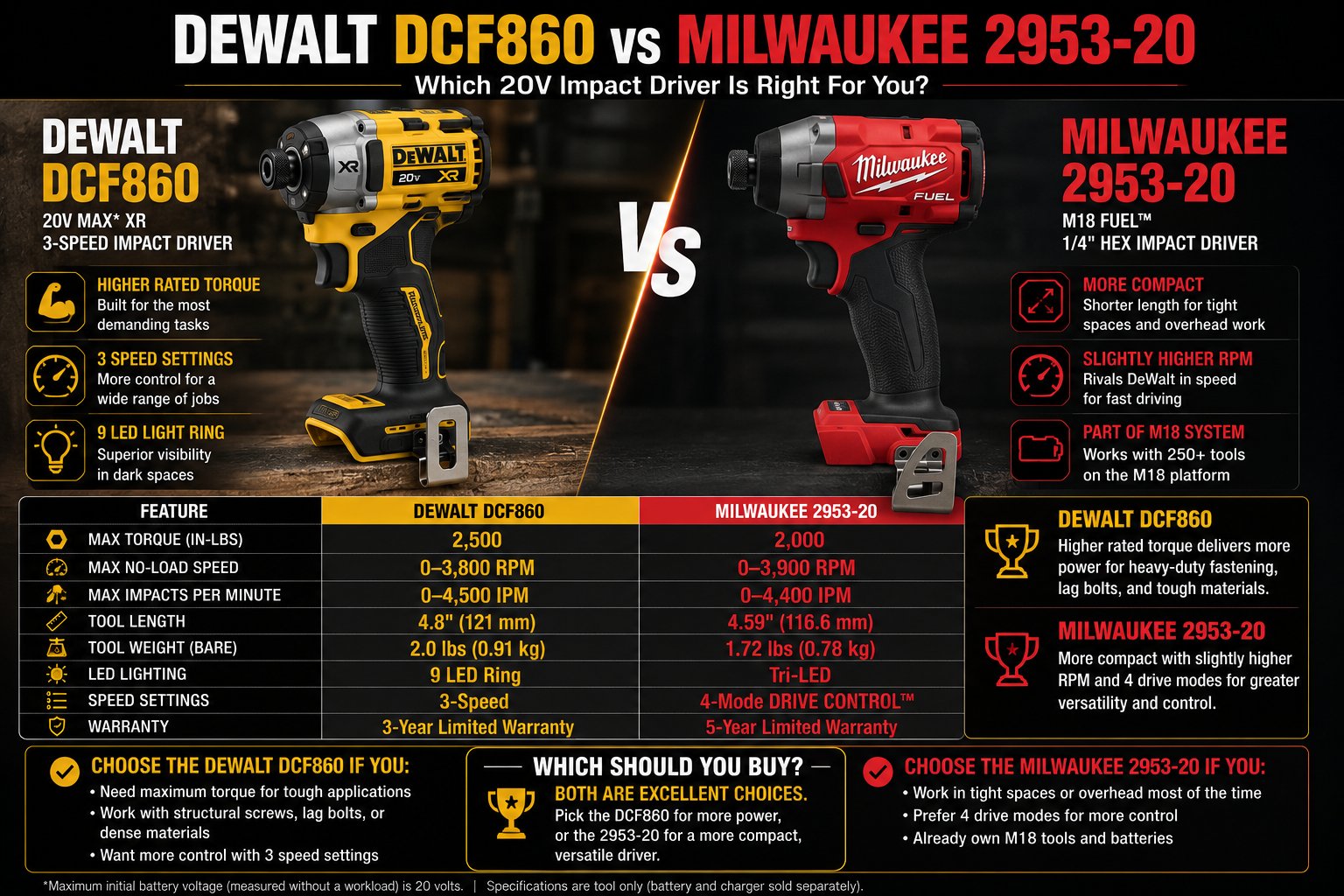
Impacts per minute describe how many times the internal hammer mechanism strikes the anvil. Many impact drivers rate between 0 and roughly 4,000, but the real number depends on the model and the load.
To use it, find the rating, pair it with the rpm figure, and choose a higher value when you drive long fasteners into hard material or remove rusted bolts. It excels at breaking loose stuck fasteners and driving screws without cam-out. Its weakness is that high impact rates without enough rpm can leave a screw spinning in place instead of drawing it tight.
Which spec matters most
When you’re in a hurry, compare both numbers on the spec sheet and pick the driver with the higher combined rating, because one number alone doesn’t tell the whole story. When you’re buying your first impact driver, look for a model that lists both rpm and impact rates clearly, since missing specs make comparison impossible.
When you want the best result whatever it takes, choose the driver with the highest impact count for tough fasteners and the rpm that matches your most common screw size, because the right pairing drives faster and strips less.
The rules that apply whichever way you choose
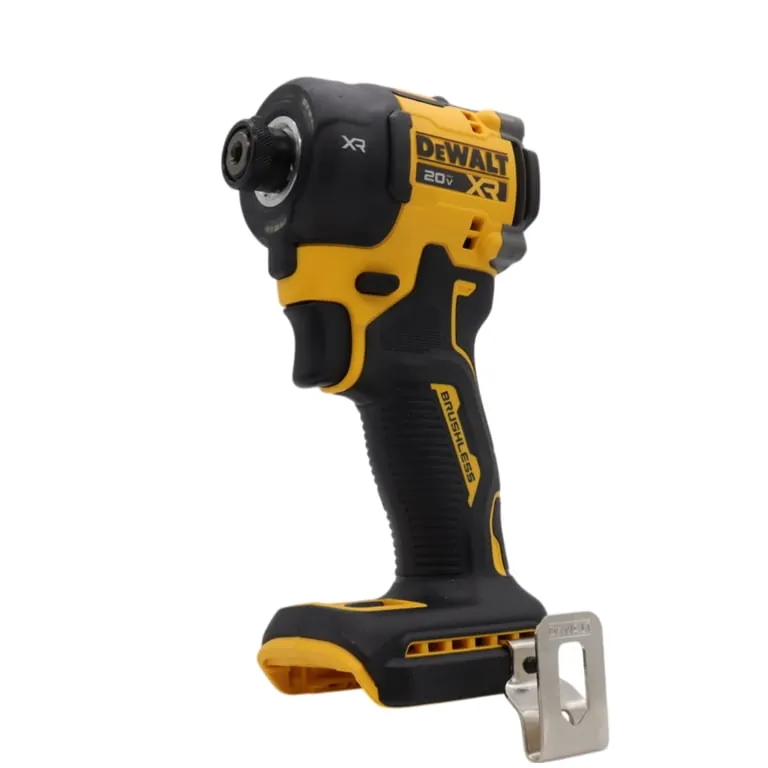
Check both rpm and ipm on every spec sheet before you buy, because a driver that lists only one number is hiding the other. Match the rpm to your most common fastener size, and choose higher ipm for hardwood or rusted bolts.
Partway through a job, listen for the hammer to slow down, which means the tool is working near its limit. At the end, check that the fastener is seated and not stripped. If you need torque settings or safety ratings for a specific job, consult the manufacturer’s manual or the tool’s official spec page.
Related guides
- Impact Driver vs Impact Wrench: Key Differences and Uses
- 10 Best Impact Drivers for Automotive Work: Our Expert Picks
Frequently asked questions
Can rpm and ipm be compared directly?
No. Rpm measures rotation speed while ipm measures hammer strikes, so they’re different specs and you should read both together.
How long does an impact driver last?
There’s no single number, because lifespan depends on how often you use it and how you care for it; check the manufacturer’s warranty page for the coverage that applies to your model.
Is it safe to use a high-ipm driver on small screws?
Yes, but start at low speed, because too much force can strip a small fastener or break the head off.
What happens if I only look at rpm?
You miss the hammering force, so a driver may spin fast but still fail to drive a long screw into hard material.
Why do some drivers list only rpm?
Some basic models omit ipm from marketing materials, but the full spec sheet from the manufacturer usually includes it.
How many impacts per minute do I need?
There’s no fixed number, because it depends on the fastener and material; compare the ipm rating on the tools you’re considering against the job you do most.
Conclusion
Ultimately, the best way to find your ideal tool is to head to the hardware store and feel the balance in your hand. Don’t just rely on the spec sheet; you’ll want to see how it handles a long screw in scrap wood. Once you’ve tested that, you’re ready to build something great.