Angle Grinder Not Spinning: Common Causes and Easy Fixes
When an angle grinder isn’t spinning, common causes and checks usually point to a tripped power source, a worn carbon brush, or a jammed disc. Start by checking your power outlet and the tool’s power cord for any visible damage. If the cord is intact, the most frequent cause is a worn-out carbon brush that no longer makes contact with the motor.
Why your angle grinder stopped spinning
If your tool suddenly refuses to move, the issue is often related to the electrical circuit or a physical obstruction. Start by ensuring the power source is active. If you’re using an extension cord, it might have a faulty wire. You can verify the outlet’s health by plugging in a lamp or another small appliance to see if it receives power.
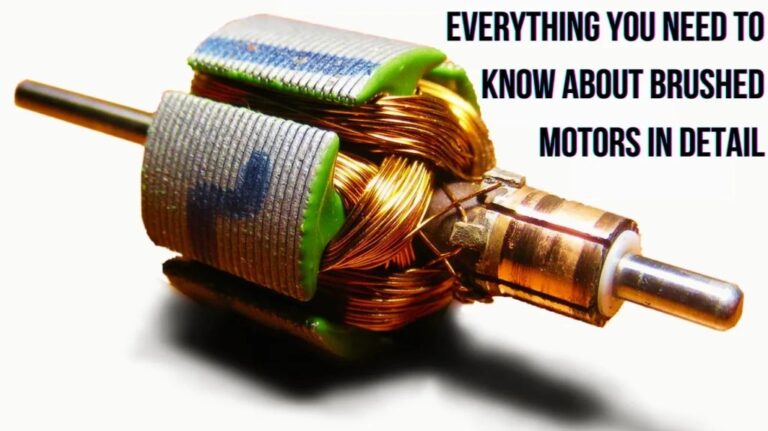
Internal motor failure often stems from worn carbon brushes. These small parts conduct electricity to the motor’s spinning parts. Over time, they shrink until they can no longer touch the motor, causing the tool to stop working entirely. You should also look for debris stuck between the guard and the grinding wheel. A small piece of metal or stone can create enough friction to lock the disc in place, preventing the motor from turning even when it’s powered.
Verify the power connection
Before assuming the tool is broken, confirm the electrical supply is consistent. Many power tools require a steady flow of current to engage the motor. If you’re plugged into a GFCI outlet, the safety mechanism may have tripped. Press the reset button on the wall plate to see if power returns.
If you use a battery-powered model, check that the battery pack is fully seated and locked into the housing. A loose connection often prevents the trigger from completing the circuit. If the battery is charged but the tool remains silent, try using a different battery if you have one available.
If the tool still doesn’t spin, the internal trigger switch may be faulty. Avoid forcing the trigger or shaking the unit, as this can damage internal wiring. If the power supply is confirmed and the tool remains unresponsive, the fault lies within the motor or the internal switch, which requires professional repair to avoid electrical hazards.
Inspect the grinding disc
A jammed disc is a common reason for a motor that hums but refuses to spin. If you hear a faint buzzing sound when you pull the trigger, the motor is trying to work but is physically blocked. First, disconnect the tool from the power source entirely to prevent accidental startup. Once unplugged, try to rotate the disc by hand.
If it doesn’t move, look for material wedged inside the guard. Use a flat tool to gently remove any debris, but never use your fingers near the sharp edge of the disc. If the disc is cracked or improperly installed, remove it completely and try to run the tool without any attachment.
If the motor spins freely without a disc, your original disc was likely damaged or mounted too tightly. Always follow the manufacturer’s manual regarding safe disc installation to ensure the locking nut is secure but not overtightened.
Replacing the carbon brushes
If the tool is silent and the power is confirmed, the carbon brushes are likely the culprit. These components wear down naturally through friction during normal operation. If you notice a loss of power or intermittent spinning before the total failure, this is a sign that the brushes are near the end of their life.
Replacement is often a simple task if the manufacturer provides external access ports on the tool’s housing. If you can’t see a screw-on cap on the side of the tool, you shouldn’t attempt to open the casing yourself.
Opening the main body of the tool can void your warranty and expose you to live electrical components. Contact the manufacturer’s support line or take the unit to a local authorized service center for a professional inspection. Using the wrong size or type of brush can lead to motor overheating and permanent damage to your tool.
Common myths about tool failure
- Hitting the tool to fix it: Smacking a stuck grinder rarely fixes the internal motor and often cracks the plastic casing or damages the internal alignment.
- Assuming it’s just a bad cord: While cords do fail, many users overlook the simple fact that the locking nut on the disc is simply too tight to allow movement.
- Spraying oil into the motor: Adding lubricant into the housing doesn’t fix electrical shorts and can actually destroy the motor by attracting dust and debris.
- Ignoring the smell of smoke: If you smell burning plastic, the motor has likely already suffered a short circuit and requires professional repair, not a quick fix.
Preventing future issues

Proper maintenance prevents most mechanical failures. If you’re cutting heavy materials, take regular breaks to prevent the motor from overheating.
| If you’re doing this | Do this instead | Why |
|---|---|---|
| Forcing the tool through metal | Let the tool do the work | Prevents overheating the motor |
| Storing in a damp garage | Use a dry storage case | Moisture causes internal corrosion |
| Leaving the disc attached | Remove the disc after use | Prevents accidental damage/jamming |
| Using a worn-down brush | Replace both brushes at once | Ensures even electrical contact |
Related guides
- Impact Driver Overheating: Causes, Warning Signs and Fixes
- Angle Grinder Safety: Guards, Kickback, Discs, and PPE Guide
- 10 Best Angle Grinders for DIY, Metalworking, and Workshop Use
Frequently asked questions
Can I fix an angle grinder that won’t turn on?
You can safely fix issues like a tripped power outlet, a loose battery, or a jammed disc. If the power supply and disc are confirmed to be in good working order, the problem is likely internal. You should stop any DIY attempts at this point and consult a professional repair technician to avoid electrical shock or voiding your product warranty.
How long do carbon brushes last?
Carbon brushes typically last for 50 to 100 hours of continuous operation, though this varies based on the intensity of your work. If you notice the tool losing power or sparking more than usual, check the length of the brushes. If they’re shorter than the manufacturer’s minimum length requirement, replace them immediately to prevent damage to the motor’s commutator.
Is it safe to use a tool that makes a buzzing sound?
No, you should unplug the tool immediately if it makes a buzzing sound but doesn’t spin. This indicates that the motor is receiving electricity but is under an extreme load or is physically obstructed. Continuing to hold the trigger will cause the motor to overheat rapidly, which can lead to permanent damage or a fire hazard.
Why does my grinder stop when I put it to metal?
Your grinder is likely stalling because you’re applying too much downward pressure. Angle grinders are designed to remove material through the speed of the disc rather than the force of your hands. If you press too hard, you slow the motor down below its operational speed, which can cause the tool to cut out or the circuit breaker to trip.
How do I know if the motor is burned out?
The most reliable sign of a burned-out motor is the smell of melting plastic or a distinct acrid odor coming from the vents. If you also see dark smoke or if the tool feels unusually hot to the touch after only a few seconds of use, the internal windings have likely failed. A burned-out motor isn’t a user-repairable part and requires a full replacement.
Can I replace the power cord myself?
You should only replace the power cord yourself if you have specific training in electrical repair. If the cord is frayed or cut, it’s a significant safety risk that can result in electrocution. If you aren’t comfortable working with high-voltage wiring, take the tool to an authorized service shop where a technician can install a new cord safely.
Conclusion
Keeping your tool clean and storing it in a dry environment will extend its life significantly. If you follow these simple checks and the tool still fails to function, it’s time to contact the manufacturer or a professional repair shop to assess if the motor is worth the cost of a repair.