Angle Grinder Sizes Explained: 4.5, 5, 7, and 9 Inch Guide
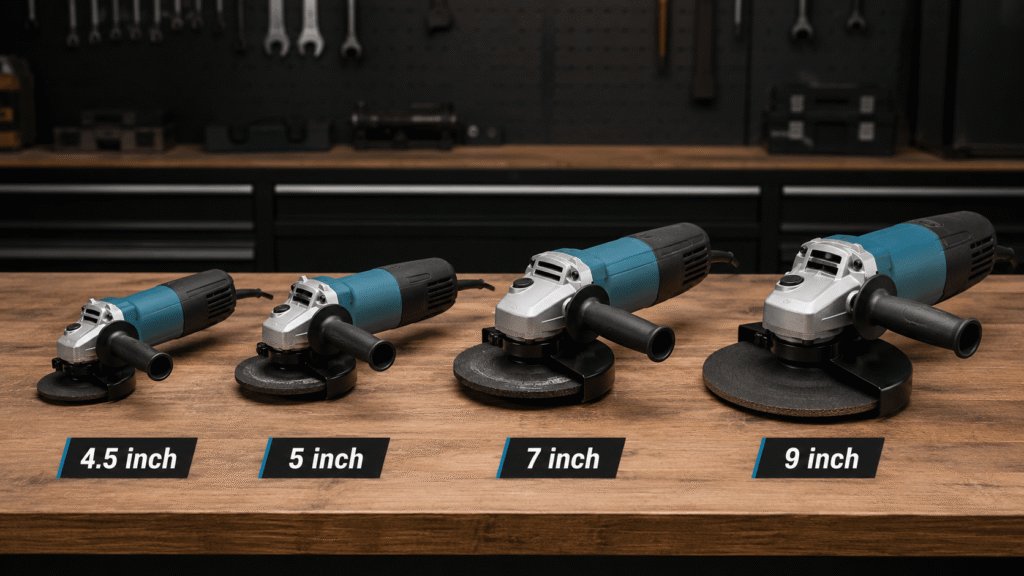
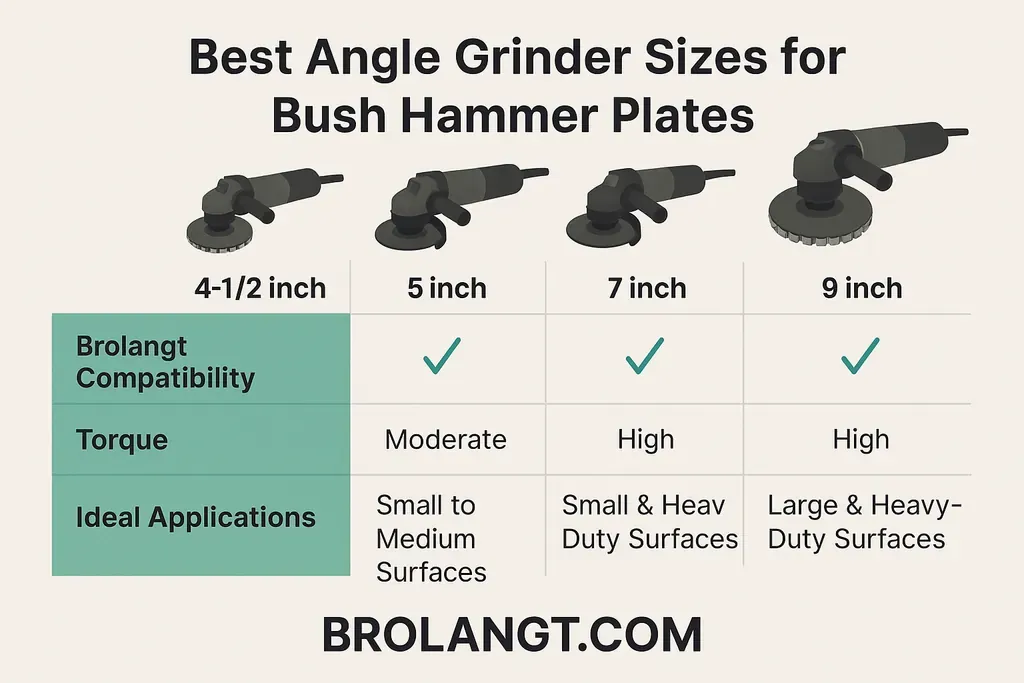
Choosing the right angle grinder depends on the disc diameter, as 4.5, 5, 7, and 9-inch models are designed for different tasks. Small 4.5 and 5-inch grinders are suited for light cutting and grinding, while 7 and 9-inch units offer the power and depth required for heavy-duty masonry or metalwork. This guide explains how to match these sizes to your specific project needs.
How Angle Grinder Sizes Affect Power
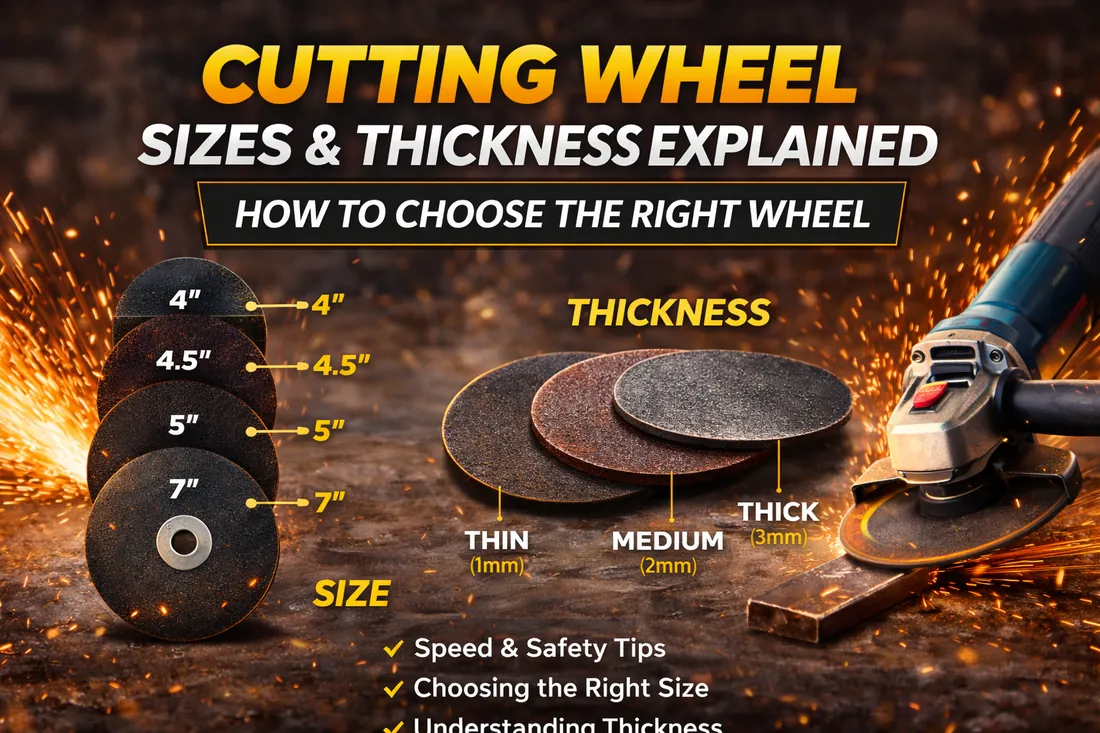
An angle grinder uses a spinning disc to cut, grind, or polish materials like metal, stone, and tile. The size refers to the maximum diameter of the disc the tool is designed to hold. You should never fit a disc larger than the tool’s rated capacity, as this can cause the motor to burn out or the disc to shatter.
These tools are primarily categorized by their power-to-weight ratio. Smaller grinders are lightweight and easy to control for one-handed tasks, while larger grinders require two hands and offer more torque for thick materials. A common misconception is that a larger grinder is always better; in truth, using a heavy 9-inch grinder for small detail work is tiring and dangerous. Always choose the size that fits your physical strength and the scale of your workspace.
Choosing 4.5, 5, 7, and 9 Inch Angle Grinder Sizes
Selecting the correct size ensures you can complete the cut without overloading the tool. If you’re working on thin metal sheets, a smaller disc is safer; if you’re cutting thick concrete, a larger disc is necessary.
- Measure your material thickness to ensure the disc depth can reach through it in one pass.
- Check the RPM rating on your disc to ensure it matches or exceeds the grinder’s maximum speed.
- Secure your workpiece with clamps to prevent vibration, which can cause the disc to bind or kick back.
- Always wear safety glasses and a face shield, as Occupational Safety and Health Administration standards require proper guarding and personal protective equipment for all abrasive wheel machinery.
- Start the motor before touching the material and maintain a steady, light pressure.
- Keep the tool moving to prevent heat buildup, which can weaken the disc or mar the surface.
The most important judgement call is knowing when to stop applying pressure. If you feel the motor bogging down or the tool vibrating excessively, you’re pushing too hard and risking a dangerous kickback.
Comparison of Grinder Capacities
| Situation | What to use | How long | What to watch for |
|---|---|---|---|
| Light metal cleanup | 4.5-inch | Short bursts | Spark direction |
| General fabrication | 5-inch | Constant use | Motor temperature |
| Thick steel plate | 7-inch | Heavy pressure | Disc integrity |
| Deep concrete cuts | 9-inch | Slow passes | Dust accumulation |
Choose your tool based on the material thickness rather than the weight of the machine. A 4.5-inch grinder is ideal for surface rust removal, but it lacks the torque for deep cuts. If you force a small grinder through thick steel, you’ll burn out the armature windings within minutes.
Always check the arbor size before purchasing discs. A 7-inch wheel on a 9-inch tool creates dangerous vibration, while a 9-inch wheel on a 7-inch tool exceeds the wheel’s maximum safe peripheral speed and risks catastrophic shattering. If you’re cutting concrete, ensure your tool has a sealed switch. Standard switches fail quickly when fine silica dust enters the housing. If the tool feels hot to the touch, stop immediately and clear the intake vents.
Professional Handling and Safety
Experienced users prepare their workspace by clearing away flammable debris before starting, as sparks can travel several feet. They always work in a consistent order, starting with the coarsest grit to remove material and finishing with finer discs for smoothing. Partway through a long job, they pause to check that the guard is still tight and the disc has no cracks or chips.
Crucially, they never remove the safety guard to fit a larger disc. If the task requires a deeper cut than your current grinder allows, don’t force it; instead, use a specialized saw or make multiple shallow passes from both sides of the material. Leaving the guard in place is the single most effective way to prevent injury from flying debris or shattered abrasive fragments.
Common Issues and Quick Fixes
| What you notice | What it usually means | What to do first |
|---|---|---|
| Tool vibrates heavily | Damaged or loose disc | Stop and replace disc |
| Motor smells like burning | Tool is overloaded | Reduce pressure immediately |
| Disc stops under load | Excessive force used | Let the motor run freely |
| Guard feels loose | Vibration loosened nut | Tighten with a wrench |
Operating Limits and Regulations
Safety limits are set by the manufacturer to prevent mechanical failure. You must check the tool’s data plate for the maximum RPM, as exceeding this speed can cause the disc to disintegrate. If you’re unsure about the electrical requirements, consult the manual for your specific model to ensure your power source provides the correct voltage.
Using a tool in a way that exceeds these published limits voids the warranty and increases the risk of severe injury. Always verify the disc type is compatible with your material, as using a masonry disc on hardened steel can cause it to shatter without warning.
Maintenance and Storage
To keep your tool in good working order, blow out the air vents with compressed air after every use to remove dust. Store the tool in a dry, climate-controlled space to prevent rust from forming on the internal gears or electrical contacts.
Remove the disc before storage to avoid accidental damage or bending, which can make the disc unsafe for the next session. If the tool starts to make a high-pitched whining noise, it’s time to have the carbon brushes inspected or replaced by an authorized service center.
Choosing Alternative Tools
When you need to make precise, long cuts through thick wood or metal, an angle grinder is often the wrong choice. Use a circular saw or a dedicated chop saw instead to get a straighter line and better control.
If you’re performing fine detail work, a rotary tool or a die grinder is much easier to manage than a bulky angle grinder. Using the correct tool for the specific task keeps your work clean and keeps you safe from the risks of using a high-powered grinder for jobs it wasn’t designed to perform.
Frequently Asked Questions
How long does an angle grinder disc last?
An angle grinder disc lasts as long as the abrasive edge remains effective, which varies based on the material hardness and the pressure applied. You should replace the disc immediately if you notice chips, cracks, or if the cutting speed drops significantly.
Can I use a 9-inch disc on a 5-inch grinder?
No, you can’t use a 9-inch disc on a 5-inch grinder because the disc is too large for the safety guard and the motor lacks the torque to spin it safely. This mismatch creates a high risk of the disc shattering during operation.
Is it safe to remove the guard?
No, it’s never safe to remove the guard because it provides a critical barrier between you and high-speed debris. The guard is designed to catch fragments if a disc breaks, which can happen even with high-quality, name-brand abrasive wheels.
Why does my angle grinder get so hot?
Your angle grinder gets hot because of the friction generated during cutting and the heat produced by the electric motor under load. If the tool becomes too hot to hold, stop working and turn the tool off to allow it to cool down.
How often should I replace the brushes?
You should replace the brushes when they wear down to the indicator line marked on the brush itself, which usually happens after several hundred hours of use. Check your manual for the specific replacement schedule for your model.
What size grinder is best for beginners?
A 4.5-inch angle grinder is best for beginners because its smaller size and lighter weight make it much easier to control. It provides enough power for most home projects while remaining manageable for those new to power tools.
Conclusion
The right size selection ensures you have enough power to finish your work without the physical burden of a tool that’s too large for the task. Always prioritize your safety by keeping guards in place and wearing proper protection, as the speed of these tools leaves little room for error.