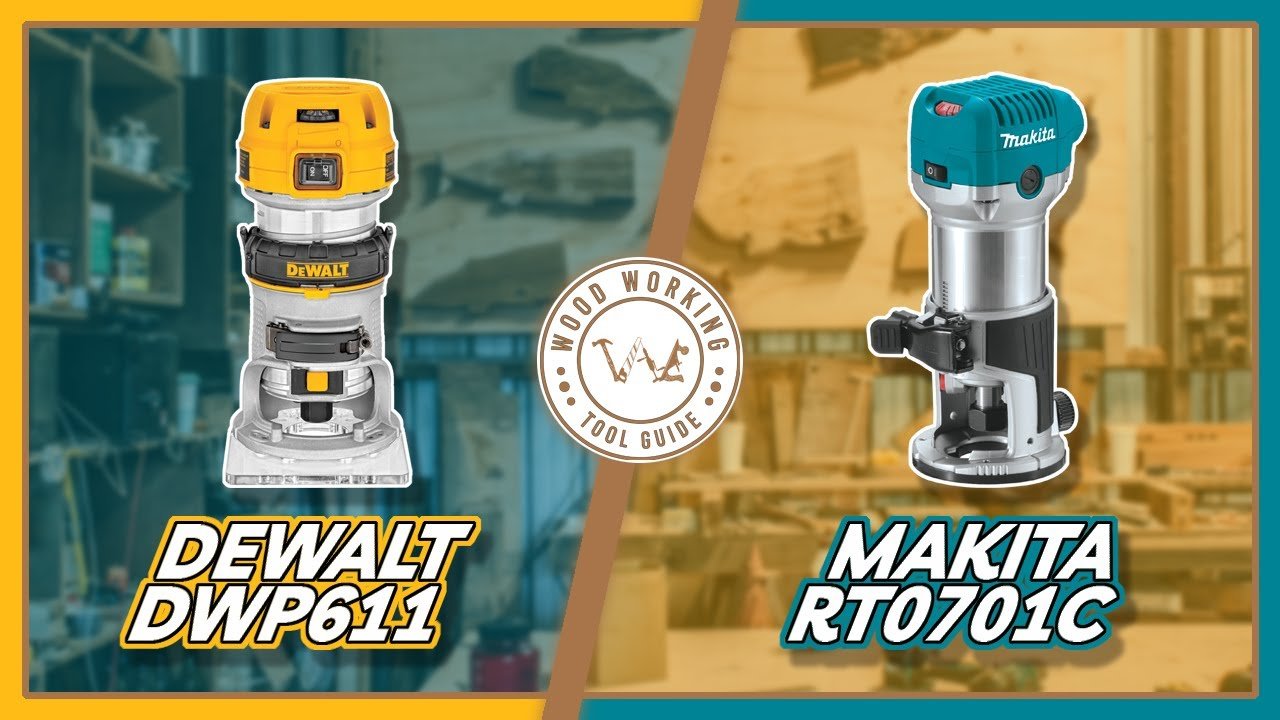
Makita RT0701C vs DEWALT DWP611: The Best Compact Router Choice
The Makita RT0701C is the better compact router for most woodworkers due to its superior ergonomics and lighter weight, while the DEWALT DWP611 is the one to buy if you need a built-in LED light and a more robust plunge base system. Choose the Makita for easier handling during long sessions, or the DEWALT if you frequently work in dark cabinets or tight corners.
Comparing Makita RT0701C and DEWALT DWP611 Compact Router Features

The following table displays the key differences between these two common compact routers. These specifications assume the standard motor housing and base configuration provided by the manufacturers in their base kits; for kits that include additional fixed or plunge bases, the total weight will increase by 0.5 to 1.5 pounds depending on the specific accessory attached.
| Method | How long | Effort | Cost | Best for |
|---|---|---|---|---|
| Makita RT0701C | Long-lasting | Low | Low | Handheld work |
| DEWALT DWP611 | Long-lasting | Medium | Medium | Precision lighting |
The Makita is built for simplicity and long-term durability in a compact frame. The DEWALT offers more features like the dual LEDs, but this adds weight and complexity to the tool’s profile. You can check the specific safety and operation guidelines on the official manufacturer website to compare technical motor ratings and electrical compatibility for your workshop.
Using the Makita RT0701C
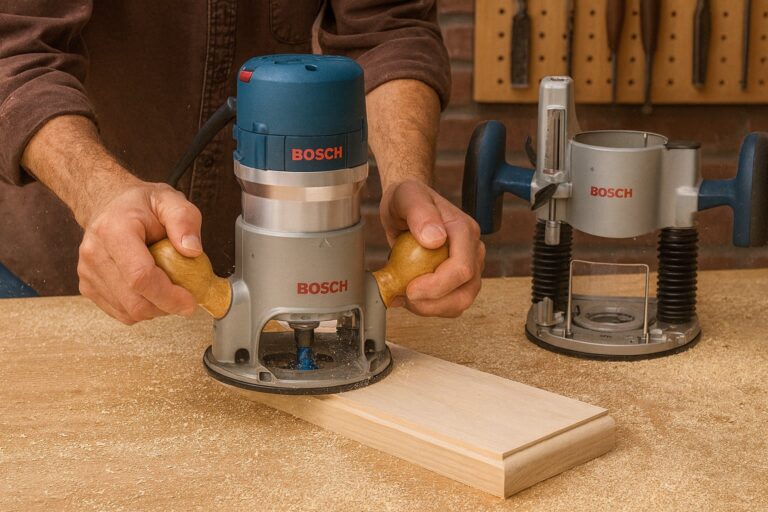
This router is favored for its slim body, which makes it easy to control with one hand during edge-forming tasks. It uses a rack-and-pinion depth adjustment system that’s very smooth.
- Unlock the cam-lock lever on the side of the motor housing.
- Rotate the adjustment dial to move the motor up or down in the base.
- Lock the cam-lock lever firmly before you plug the tool into a 120V outlet.
- Set the variable speed dial to the setting recommended for your bit diameter; usually, use a higher speed for small bits and a lower speed for larger bits.
This tool is excellent for trimming laminate and rounding over edges. Its main weakness is the lack of an integrated light, which makes it harder to see your cut line in dim lighting. If you aren’t familiar with high-speed power tools, keep your hands clear of the base plate during operation.
Using the DEWALT DWP611

The DEWALT model features a clear sub-base and dual LEDs that illuminate the bit area. This is a significant advantage for users who struggle to see their markings while the router is running.
Press the spindle lock button to hold the shaft steady while you loosen the collet nut. Insert your router bit at least halfway into the collet to ensure a secure grip. If you insert the bit less than halfway, the shank may vibrate loose under torque, potentially damaging the collet or the workpiece. Tighten the nut firmly with the provided wrench.
Adjust the depth using the micro-adjustment ring located near the top of the motor. Rotating the ring one full turn moves the bit precisely 1 millimeter. This makes it easy to dial in exact depths for joinery.
The clear base provides excellent visibility of the workpiece. Its biggest drawback is the weight, which can lead to hand fatigue if you’re using the tool for extended periods. If your project requires more than thirty minutes of continuous routing, take a five-minute break to reset your grip. Don’t use this tool near flammable materials, as the brushes can create small sparks during normal operation.
Versatility and Handling
These routers are designed for different levels of visibility and control. The Makita is a workhorse that stays out of your way, while the DEWALT acts as an assistant by lighting up your path.
If you’re in a hurry, choose the Makita. Its mechanical depth adjustment locks quickly, whereas the DEWALT’s adjustment system is also mechanical and ready for immediate use.
If you’re a beginner, the DEWALT is your safest bet. The integrated LEDs illuminate the cut line, which prevents the common mistake of over-routing a corner. Relying on shadows instead of light often leads to uneven edges that require tedious sanding to fix.
If you demand the highest precision, the choice depends on your motion. The Makita offers superior balance for freehand routing because its center of gravity sits closer to the base. Use it for decorative edge work where you need to feel the wood’s grain. If you’re performing repeatable, high-precision plunge work, the DEWALT’s heavier chassis provides the stability needed to prevent bit chatter.
The trade-off is between the nimble feel of the Makita and the feature-rich, heavier build of the DEWALT. Choose the Makita if you want a tool that disappears in your hand. Opt for the DEWALT if you need constant guidance.
Essential Router Safety and Maintenance
Regardless of the model, you must follow basic shop safety rules to ensure your equipment lasts and you stay safe. Always disconnect the power before changing bits. Accidental activation is a common mistake that leads to serious injury, often occurring when a hand inadvertently bumps the switch while the bit is being tightened.
- Always wear eye protection and hearing protection when operating any router.
- Inspect the collet and bit shank for debris before every use. Even small wood chips can cause the bit to slip or vibrate, which ruins the cut and risks snapping the steel.
- Check the motor brushes every 50 to 100 hours of use. Worn brushes cause the motor to lose power or spark excessively. If you notice a drop in RPM under load, replace them immediately to prevent permanent armature damage.
- Use a vacuum attachment if your model supports it. Clear lines of sight are essential for control.
If you’re unsure about the electrical requirements, consult a qualified electrician. Using the wrong power source can void your warranty or cause a fire. If your router has a soft-start feature, never bypass it; doing so can trip breakers or damage internal electronics during the initial surge.
Frequently asked questions
Can I use these routers with a plunge base?
Yes, both the Makita RT0701C and the DEWALT DWP611 have dedicated plunge base accessories available for purchase. You must buy the specific base that matches your router’s model number, as the locking mechanisms and motor housing diameters aren’t interchangeable between these two brands.
Why is my router losing power during a cut?
Your router is likely losing power because the feed rate is too fast or the bit is dull. If you force the tool through the wood, the motor will struggle; instead, make two or three shallow passes to reach your final depth.
How long do the carbon brushes last?
The carbon brushes typically last for 50 to 100 hours of actual cutting time, depending on the load you put on the motor. You should check them regularly for wear and replace them once they reach the limit line indicated on the brush housing.
Is it safe to use these routers for heavy-duty work?
No, these are compact routers designed for light-duty tasks like edge trimming, decorative routing, and small joinery. For heavy-duty work, such as cutting deep dados or mortises in hardwood, use a full-size router with a 2-1/4 horsepower motor or higher.
What happens if I use a dull router bit?
Using a dull bit causes excessive heat buildup, which will burn your wood and put unnecessary strain on the motor. A dull bit is also more likely to cause “chatter,” which leaves ugly marks on your project that are difficult to sand away.
How do I stop the bit from slipping?
You can stop bit slippage by ensuring the bit shank is clean and the collet nut is tightened firmly with the provided wrenches. Ensure the bit shank is inserted deep into the collet, leaving a small gap from the bottom to avoid bottoming out, while ensuring at least 3/4 of the shank length is gripped.
Conclusion
The choice between these two tools comes down to your personal workflow. If you value a lightweight, simple tool for quick edge work, the Makita is the standard. If you need the extra visibility provided by the LEDs for intricate projects, the DEWALT is the better investment.