How to Remove Rust With an Angle Grinder: Wire Wheels and Discs
Removing rust with an angle grinder using wire wheels and flap discs is a fast way to clean metal surfaces if you have the right gear and safety habits. A typical project takes about 30 to 60 minutes for a medium-sized part, costing only the price of your replacement abrasive discs. This work is medium-difficulty and requires a steady hand to avoid digging into the base metal. You must own an angle grinder and proper eye protection before starting any metal cleaning work.
Tools and equipment you need
| Item | How much | Why it’s needed | A substitute |
|---|---|---|---|
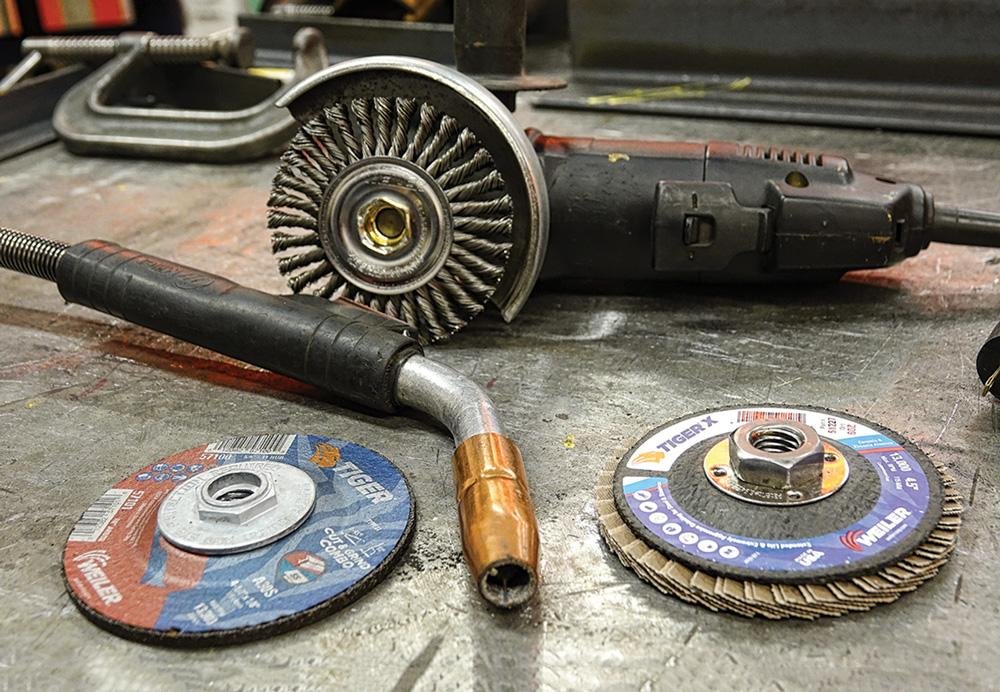
| Angle grinder | 1 unit | Powers the cleaning discs | Drill with wire brush |
| Wire wheel | 1 piece | Cleans loose rust quickly | Hand wire brush |
| Flap disc | 1 piece | Smooths and removes deep rust | Sanding block |
| Safety glasses | 1 pair | Protects eyes from flying debris | Face shield |
| Leather gloves | 1 pair | Shields hands from hot metal | Thick work gloves |
| Respirator | 1 mask | Prevents inhaling metal dust | Dust mask |
Preparing your workspace
- Clear your workspace of all flammable materials, as grinding creates hot sparks that travel several feet.
- Secure your workpiece in a sturdy bench vise so it can’t move while you apply pressure.
- Put on your safety glasses and respirator, as Occupational Safety and Health Administration standards require eye protection to prevent injury from flying metal shards.
- Check that your grinder guard is in the correct position to protect your body from the spinning disc.
- Ensure the power cord isn’t frayed or damaged before plugging it into a grounded outlet.
Steps to remove rust using angle grinder wire wheels and flap discs
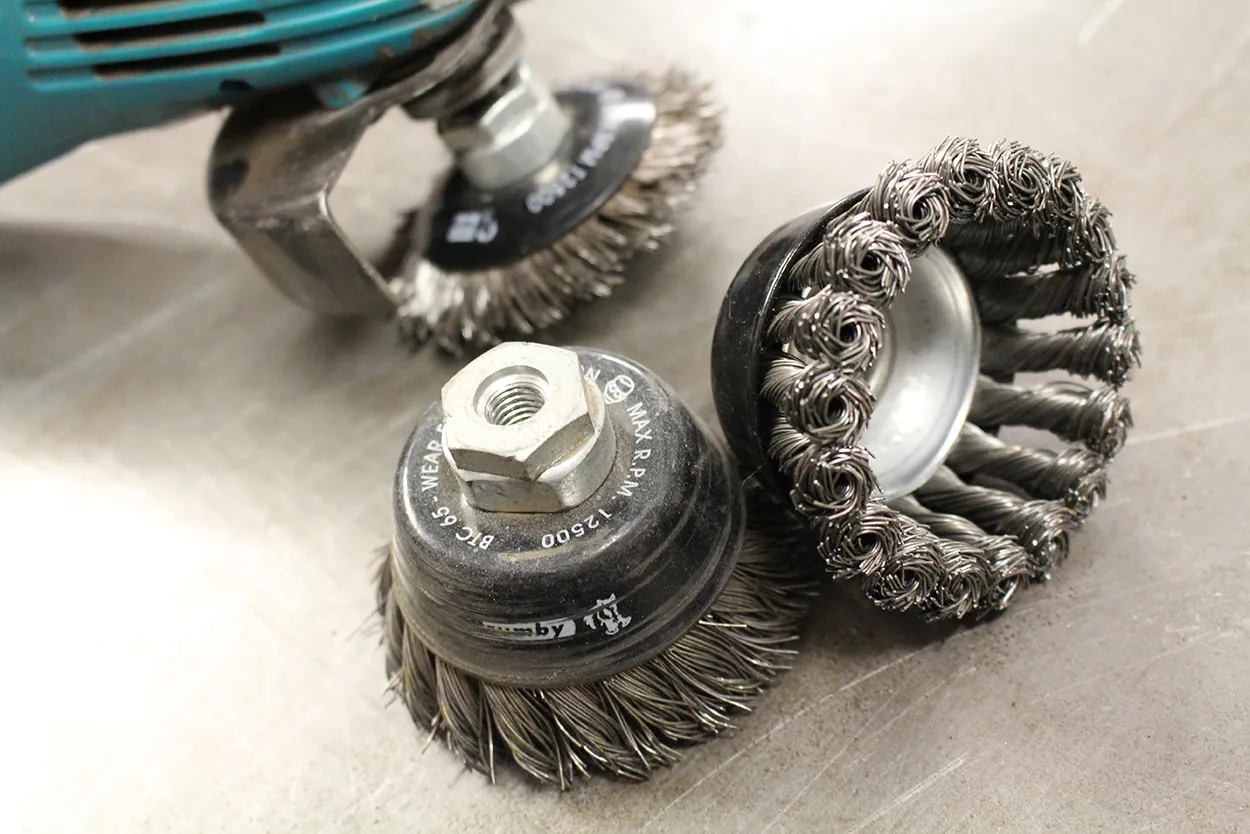
- Attach the wire wheel to your angle grinder by tightening the locking nut firmly with the provided wrench. Ensure the wheel is centered and doesn’t wobble when you spin it by hand.
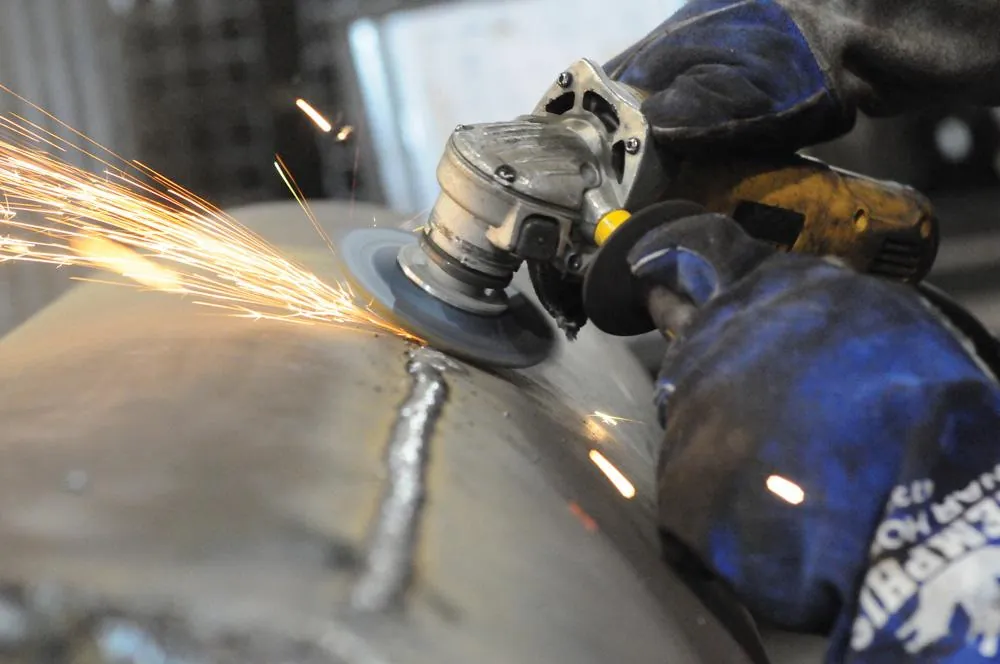
- Plug the grinder into a standard 120V outlet and hold the tool with both hands, keeping your body to the side of the disc path. Never stand directly behind the spinning tool.
- Turn the grinder on and gently touch the wire wheel to the surface, letting the tool do the work without pushing too hard. If the wires bend, you’re pressing too much; back off slightly.
- Move the grinder in a slow, sweeping motion across the rusted area, overlapping your passes by about 50 percent. Continue this until the loose scale and surface rust are gone.
- Switch to a flap disc if you find deep, pitted rust that the wire wheel can’t reach. A 60-grit or 80-grit disc is usually best for removing heavy oxidation without ruining the metal.
- Hold the flap disc at a 15-degree angle to the surface to maintain control and prevent gouging. Keep the grinder moving constantly; stopping in one spot will create a permanent hole or groove.
- Check your progress every 2 minutes by stopping the tool and wiping away the dust with a clean rag. If you see dark spots, keep working until you reach bare, shiny metal.
- Unplug the grinder once the surface looks uniform and clean. Allow the metal to cool for at least 5 minutes before you touch it with your bare hands, as grinding generates high heat.
How to know it worked
You know the job is done when the metal looks bright and silver across the entire surface. If you see any brown or orange patches, you need to go over those spots again with the flap disc. A successful result should feel smooth to the touch, with no sharp edges or loose flakes of rust remaining.
If you feel deep pits that the disc can’t reach, you have reached the limit of this method; further grinding will only thin the metal. If the surface is clean but textured, you have reached the correct stage for applying a rust-preventative primer or paint.
Managing common grinding issues
Deep gouges in your workpiece usually stem from excessive downward force. If you see jagged marks, lighten your touch immediately; let the abrasive grit do the work rather than your muscles.
Vibration often indicates the disc is off-center on the spindle. Stop the tool, loosen the locking nut, and reseat the disc perfectly flat. If you ignore this wobble, you risk shattering the disc while it spins at high speeds.
A blue tint on the metal signals heat damage. This happens when you dwell on one spot for too long. Keep the grinder moving in a constant, sweeping motion to dissipate heat. If the metal changes color, it has been tempered by heat, which may alter its hardness or ductility.
If the motor stalls, you’re pushing too hard. Back off until the motor maintains its pitch. For heavy dust, a shop vacuum attachment is mandatory; breathing metal dust leads to long-term respiratory damage.
How often to remove rust
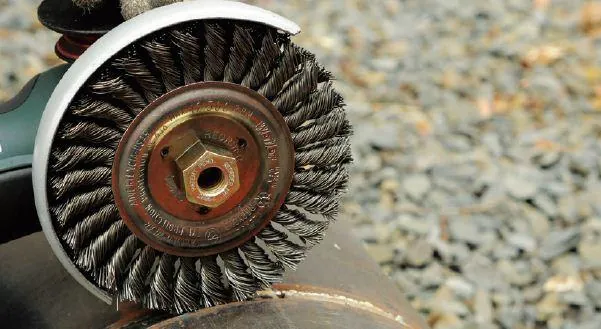
You should remove rust as soon as you see small patches, as oxidation spreads quickly if left alone. The interval depends on the environment and the metal’s coating. If you keep the item in a dry, climate-controlled garage, you might only need to do this once every few years. If the item stays outside in the rain, you may need to inspect and clean it every 6 to 12 months.
Most people make the mistake of scrubbing rust away without checking the underlying structural integrity. If the metal feels soft or flakes off in layers deeper than the surface, the piece is compromised and no amount of cleaning will save it.
If you see orange dust, use a wire brush. If you see pitting or deep craters, use a chemical converter. Always apply a protective sealant or paint immediately after cleaning to stop the rust from returning the very next day.
Related guides
- How to Remove a Stuck Drill Bit From a Cordless Drill
- Angle Grinder Disc Types Explained: Choose the Right Wheel
- Angle Grinder Safety: Guards, Kickback, Discs, and PPE Guide
Frequently asked questions
Is it safe to use an angle grinder on thin sheet metal?
It isn’t safe for thin metal because the grinder removes material very quickly and can easily tear through or warp the sheet. If your metal is thinner than 1/8 inch, use a manual wire brush or chemical rust remover instead to avoid permanent damage to the piece.
How long does a flap disc last?
A flap disc lasts for about 30 to 60 minutes of active grinding, depending on the hardness of the metal and the amount of pressure you use. You know it’s time to replace the disc when the abrasive flaps are worn down to the backing plate or the metal stops being removed efficiently.
Why does my metal turn blue while grinding?
The metal turns blue because you’re generating too much heat through high pressure or working in one spot for too long. If you see this color, stop immediately and move to a new area, as the heat has changed the internal structure of the steel, making it brittle.
Can I use a wire wheel for deep pits?
You can’t use a wire wheel for deep pits because the wires are designed to clean the surface, not remove large amounts of steel. Switch to a flap disc for deep rust, as the abrasive material is better suited for removing the metal layers where the rust has taken hold.
Does it matter which grit flap disc I choose?
It matters because a lower grit like 40 removes rust fast but leaves deep scratches, while a higher grit like 120 leaves a smooth finish but works very slowly. Use 60 or 80 grit for most rust removal, as it offers the best balance between speed and a clean surface finish.
How do I prevent rust from returning after grinding?
You should apply a protective layer of paint, oil, or clear coat as soon as possible to prevent oxidation. If you leave the metal raw and exposed to air, especially in humid conditions, new rust will begin to form on the surface almost immediately.
Conclusion
Removing rust with these tools is effective, but it requires patience and focus. If you move too fast, you risk damaging the base metal, and if you press too hard, you risk overheating your equipment. Take your time, wear your safety gear, and always seal the metal as soon as the work is done to keep your projects looking great for years to come.