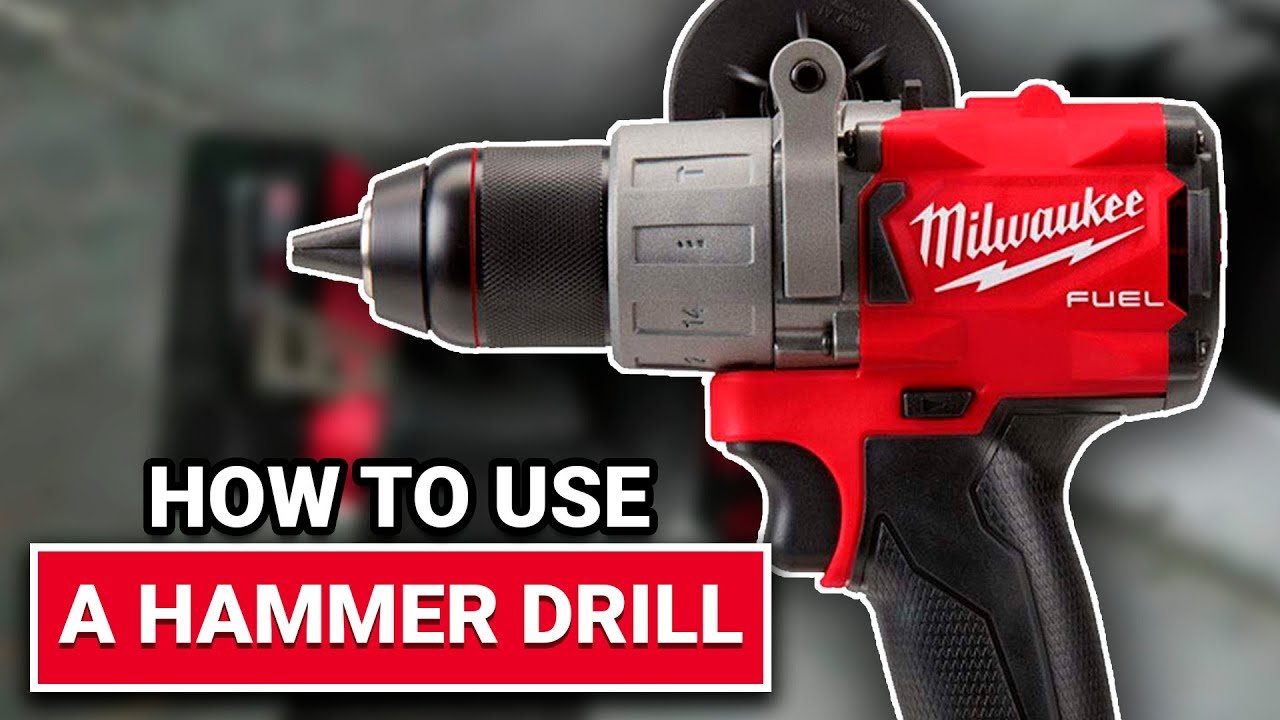
How to Use a Hammer Drill: Step by Step Guide for Masonry
To operate a hammer drill effectively, you must set the tool to hammer mode, apply firm pressure against the masonry surface, and maintain a steady speed while keeping the bit perpendicular to the wall. You’ll typically spend between 30 seconds and 2 minutes drilling a standard hole, depending on the material hardness and the depth you need to achieve.
How to Safely Use Your Hammer Drill
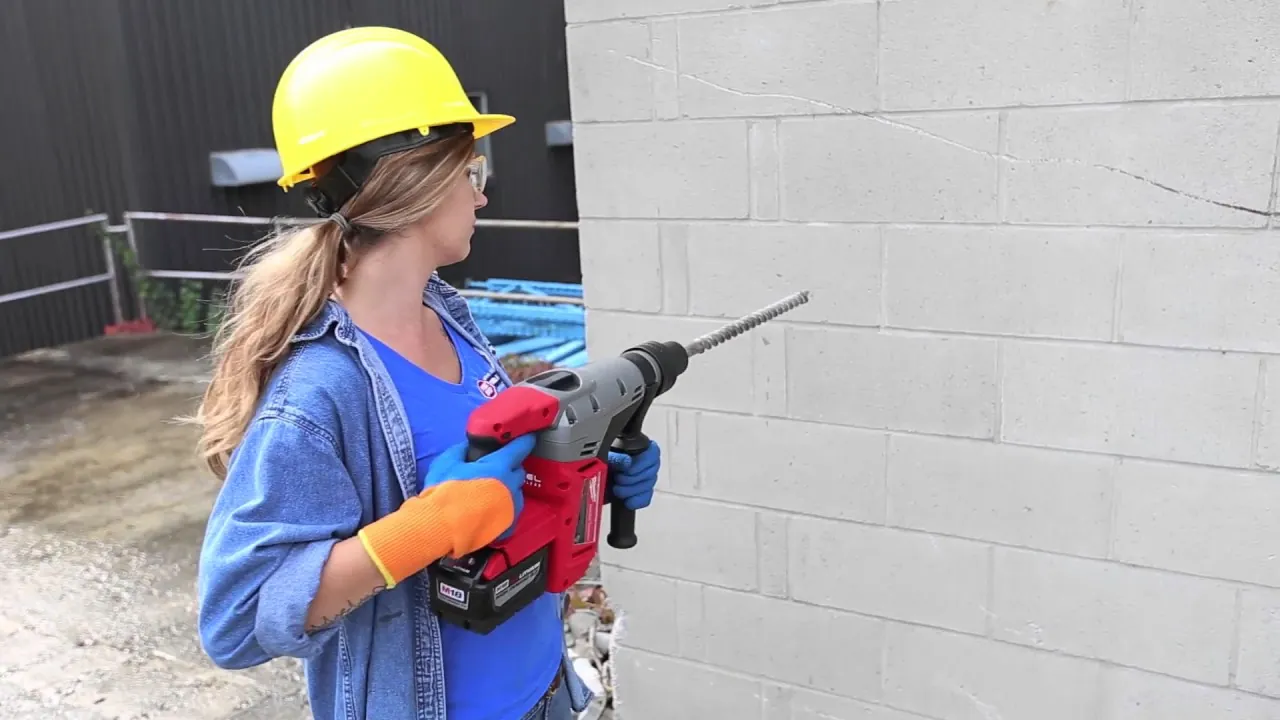
- Prepare your workspace by wearing safety goggles and ear protection, as masonry drilling creates significant dust and noise.
- Select the correct bit by choosing a masonry drill bit designed for concrete, brick, or stone, and ensure it’s sharp and free of rust.
- Set the mode switch located on the side or top of the drill housing to the hammer icon, which engages the internal percussion mechanism.
- Mark your target point with a pencil or center punch to prevent the bit from walking across the surface when you start.
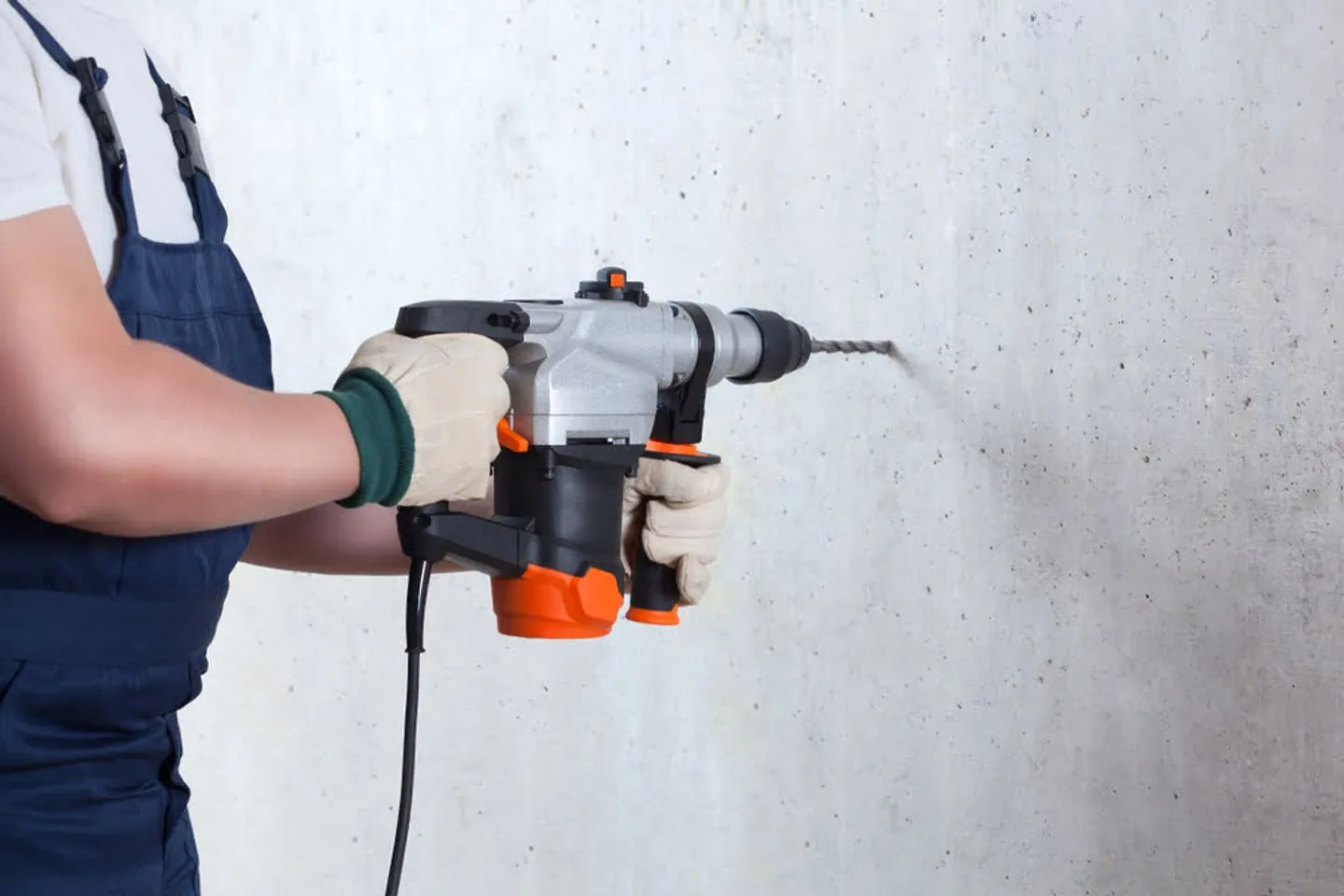
- Apply firm, consistent pressure while holding the drill handle with both hands, keeping the tool perfectly level to ensure a straight hole.
- Clear the hole frequently by pulling the bit out while the drill is still spinning, which helps remove dust and prevents the bit from overheating.
- Complete the depth by measuring your wall anchor against the bit and placing a piece of tape on the drill bit to act as a depth stop.
Tip: Start drilling at a low speed to create a pilot indentation, then increase to full speed once the bit is seated firmly in the material.
How Long Does It Take?
The time required varies based on the hardness of the material and the diameter of the hole you’re creating. Use this table to estimate your progress for a standard 2-inch deep hole in common residential materials.
| Material Type | Estimated Time | Pressure Required |
|---|---|---|
| Soft Brick | 30–45 seconds | Light to Medium |
| Cinder Block | 40–60 seconds | Medium |
| Poured Concrete | 60–120 seconds | Firm and Steady |
| Hardened Stone | 90–180 seconds | Very Firm |
If your drill bit stops advancing despite constant pressure, stop immediately. You have likely hit a steel rebar reinforcement. Continuing to force the drill will overheat the bit and ruin its temper, rendering it useless for future projects.
Always clear the hole frequently by pulling the bit out while the drill is still spinning. This prevents the debris from packing tightly and stalling your progress.
Common Mistakes to Avoid
A frequent error is applying too much force, which can cause the bit to snap or the motor to strain. If the drill feels like it’s struggling, pull back slightly and let the hammer action do the work. Another mistake is failing to keep the drill level; if you tilt the tool, the hole will become oval-shaped, making it impossible for your wall anchors to grip the sides properly.
Always ensure you’re using the correct masonry-rated bits, as standard metal bits will dull almost instantly when they strike concrete or brick. According to the Occupational Safety and Health Administration, you should use a dust collection system or water feed to minimize exposure to harmful silica dust generated during these tasks.
When to Seek Professional Help
You should stop and call a professional if you encounter unexpected resistance that feels like hitting metal, as you may be drilling into electrical conduits or plumbing pipes hidden inside the wall. A sudden spark or a change in the resistance profile suggests you have hit a utility line rather than a stud.
If the wall begins to crack or crumble significantly, it may be made of brittle or unstable material that can’t support an anchor. In these cases, standard plastic anchors will likely pull free under minimal weight. You should also avoid drilling into structural beams or load-bearing columns, as damaging these can compromise the integrity of your home.
If you’re uncertain about what is behind the surface, use a stud finder with a deep-scan or metal-detection setting before you begin. If the device gives inconsistent readings, don’t proceed. Drilling blindly in a kitchen or bathroom wall is a high-stakes gamble that risks costly repairs.
Frequently Asked Questions
Can I use a regular drill for concrete?
No, a standard drill lacks the percussion mechanism required to break through dense masonry. Attempting to force a regular drill into concrete will quickly ruin the drill bit and overheat the motor, leading to permanent tool failure.
Do I need a special lubricant for the bit?
You don’t need to apply oil or grease to masonry bits. The heat is managed by the hammer action and by clearing the dust from the hole, and adding lubricants can actually trap debris and cause the bit to seize in the hole.
Is it safe to drill near outlets?
It is dangerous to drill within 6 inches of any electrical outlet or light switch. Wires often run vertically or horizontally through wall studs, and even a small hole can lead to a shock hazard or a short circuit in your home’s wiring.
Conclusion
Before starting your project, double-check that your drill is fully charged and the bit is securely tightened in the chuck. If you’re drilling multiple holes, keep a vacuum or a brush nearby to clear the dust regularly, as this keeps your mark visible and prevents the bit from binding.