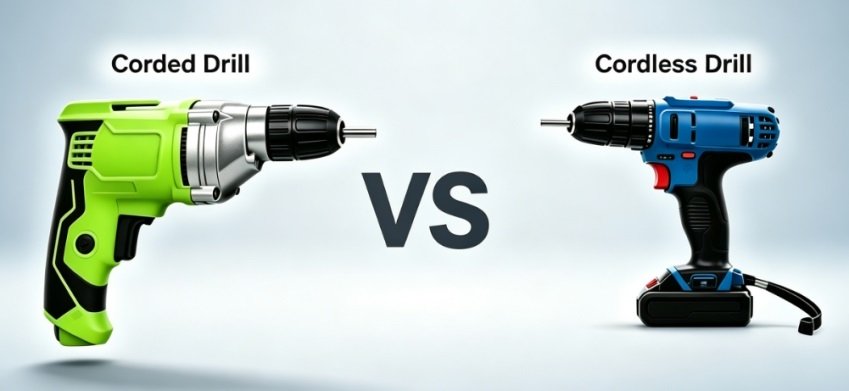
Corded vs Cordless Rotary Tools: Which One to Choose
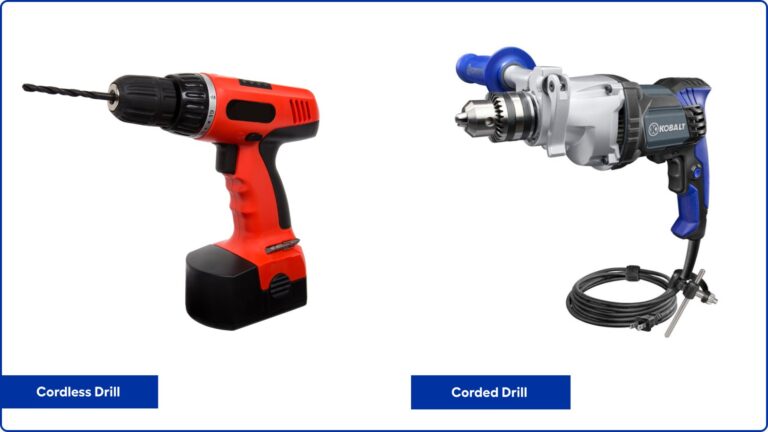
If you need constant power for heavy tasks, a corded rotary tool is the better choice, but for most hobbyists, the freedom of a cordless rotary tool is the best way to handle light, detailed work. You should pick a corded model if you have long, continuous jobs that drain batteries.
Comparing tool power and mobility
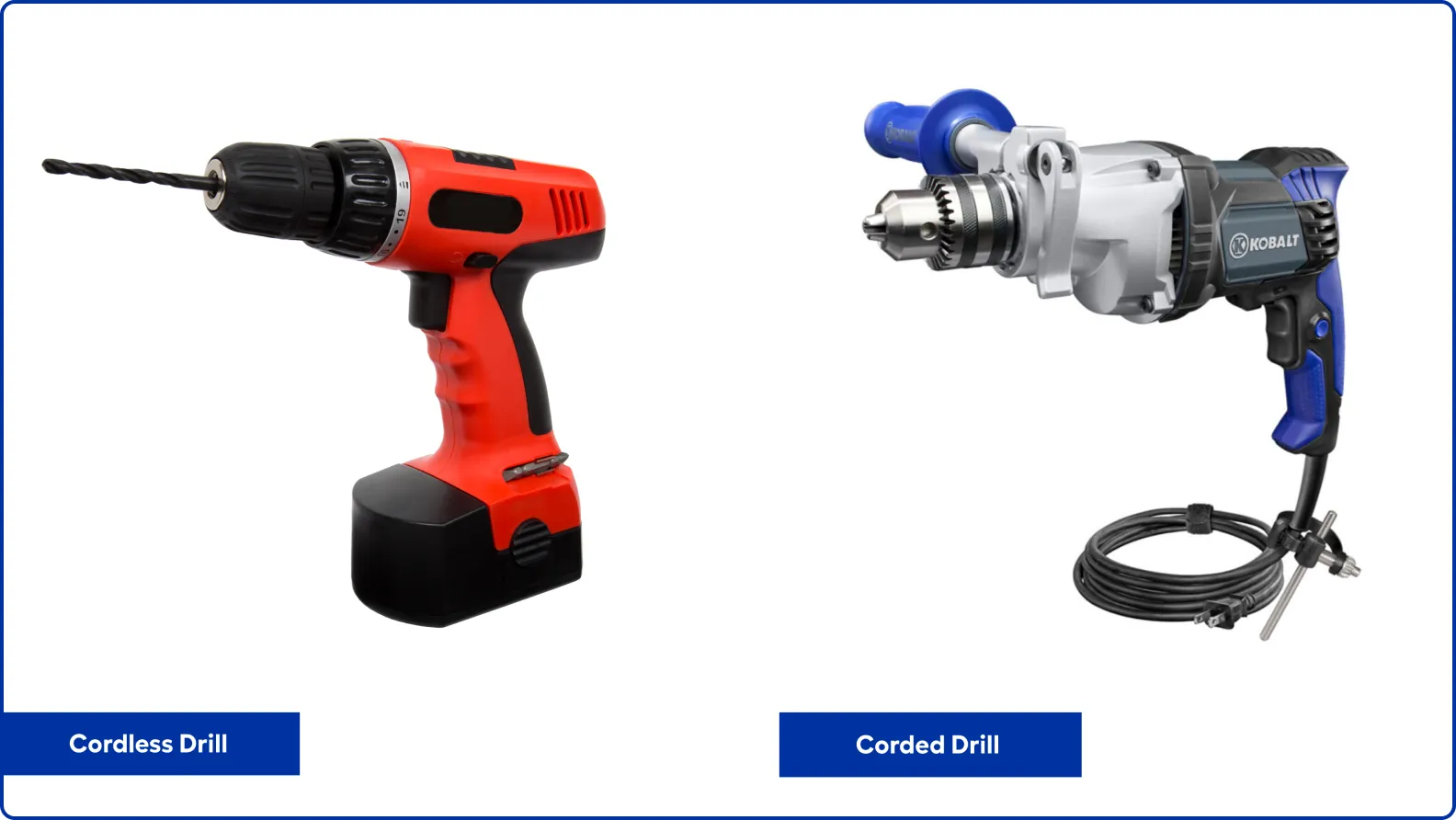
When you look at these tools, you need to think about how you plan to use them in your workspace. A corded model offers steady, reliable energy without the need to stop for a recharge. Meanwhile, cordless models give you the ability to move around your project without a cable getting in your way.
If you’re working on a stationary workbench for more than two hours, choose corded. The weight of a battery pack creates fatigue during long sessions, and the constant power ensures consistent torque for heavy-duty tasks.
If you’re working on a ladder or in tight crawl spaces, prioritize cordless. A cord snagging on a corner can ruin a delicate finish or cause a fall. When choosing, look for a brushless motor.
| Method | How long | Effort | Cost | Best for |
|---|---|---|---|---|
| Corded | Unlimited | Low | Medium | Heavy duty |
| Cordless | 30-60 mins | Medium | High | Portability |
| Hybrid | 30-60 mins | Low | High | Versatility |
Benefits of corded rotary tools
Corded units provide a consistent flow of electricity that won’t fade as you work. This makes them ideal for tough materials like thick steel or dense hardwood.
- Plug the tool into a standard 120V outlet to ensure you have maximum torque.
- Check that the cord is long enough to reach your entire workbench area without pulling.
- Keep the air vents clear of dust to prevent the motor from overheating during long sessions.
- Always wear safety glasses as recommended by the Consumer Product Safety Commission to protect your eyes from flying debris.
These tools are great for long projects where you don’t want to stop. However, the heavy power cord can be annoying because it often catches on the edges of your workbench.
Benefits of cordless rotary tools
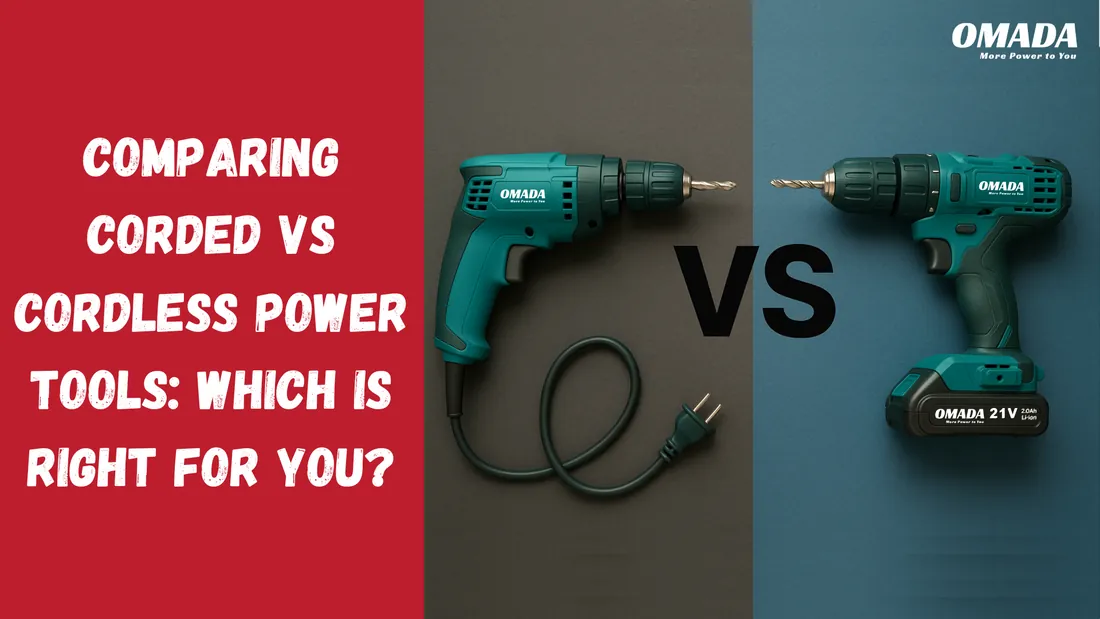
Cordless units are perfect for quick jobs or working in tight spaces where a cord would be in the way. They rely on lithium-ion batteries that offer good power for their size.
- Charge the battery fully before you start so you don’t lose power mid-cut.
- Select the right speed setting for your material, as high speed drains the battery faster.
- Keep a spare battery on the charger so you can swap them quickly when one dies.
- Store your batteries in a cool, dry place to keep them healthy for many years.
These tools are excellent for detail work and carving. The main weakness is that they lose performance as the battery charge drops, which can make consistent work harder.
Understanding power and battery life
If you’re just starting out, a cordless tool is usually more comfortable because you aren’t fighting a cable. If you’re doing heavy grinding for hours, you’ll want a corded tool so you don’t have to wait for charging cycles. The trade-off is simple: you either give up mobility for power, or you give up power for mobility.
If you’re in a hurry, pick a corded tool so you don’t have to worry about charging. If you’re doing this for the first time, a cordless model is easier to handle. If you want the best possible result on a tough material, use a corded tool because it maintains a steady RPM.
Rules for safe tool operation
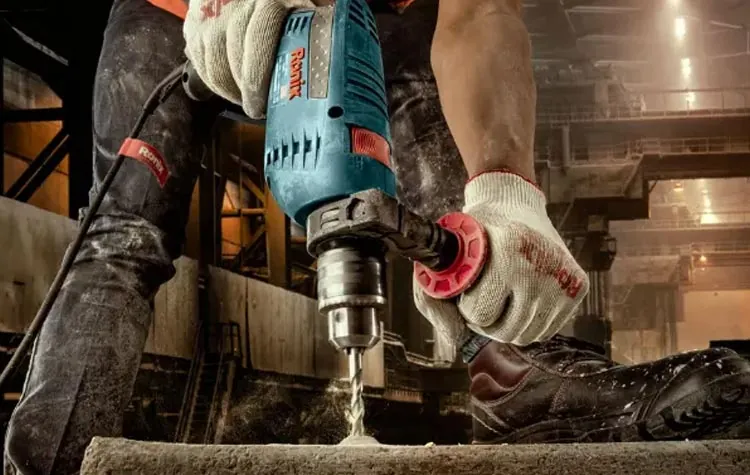
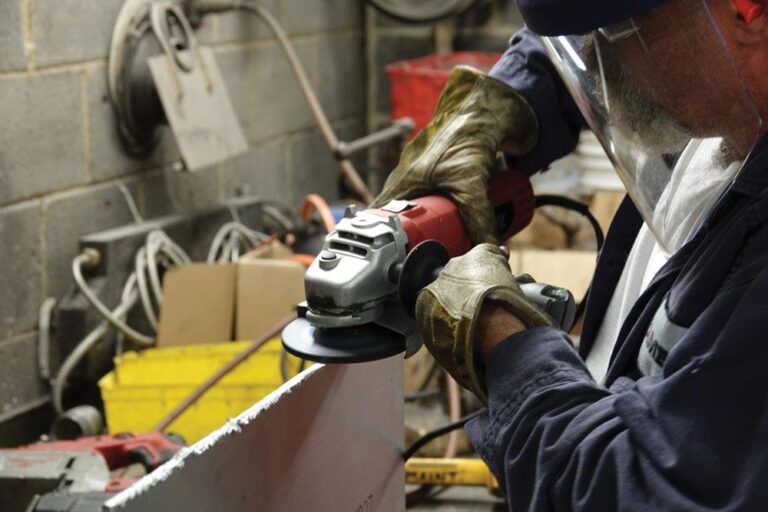
Regardless of which tool you pick, you must always prioritize safety to avoid accidents. Start by checking the condition of your bits before every use to ensure they aren’t cracked or dull. A dull bit requires more downward pressure, which increases the likelihood of the tool slipping and causing a deep laceration.
Secure your workpiece with clamps so it doesn’t move while the tool is spinning. If you’re cutting material thinner than half an inch, use a sacrificial piece of plywood underneath to prevent the bit from catching on the workbench surface.
Always wear hearing protection if you’re working for more than 15 minutes at a time. If you notice the motor sounds strange or the tool gets too hot to hold, turn it off immediately. Never attempt to repair the internal electronics yourself, as this can lead to an electric shock; take the device to a qualified service center instead. Ignoring these warning signs often leads to permanent motor burnout.
Related guides
Frequently asked questions
How long does a cordless rotary tool battery last?
Most batteries last between 30 and 60 minutes of continuous use, depending on the speed setting and the hardness of the material. If you’re doing heavy grinding, expect the lower end of that range. You can check your specific battery capacity in the manual that came with your tool.
Can I use a corded tool outside?
Yes, but you should only use it if your outlet is protected by a ground-fault circuit interrupter (GFCI). Never operate a corded tool in the rain or on damp ground, as this creates a serious risk of electrical shock. Always check your local electrical codes before running long outdoor extensions.
Is it safe to use a cordless tool while it’s charging?
No, most cordless rotary tools aren’t designed to be used while plugged into a charger. Doing this can damage the battery cells or the charging circuit inside the tool. Always wait for the light to indicate a full charge before you unplug it and start your work.
What happens if the tool stops spinning?
If the tool stops suddenly, turn it off and unplug it or remove the battery immediately. The most common cause is a jammed bit or a motor overload from too much pressure. Never try to force the tool to restart while the bit is still stuck in your material.
How do I know which bit size to use?
You should look at the collet size, which is usually 1/8 inch for most standard hobby tools. If your bit shank doesn’t slide into the collet easily, don’t force it, as it will likely wobble or break during operation. Check the manufacturer’s guide to see which specific shank sizes your model accepts.
Conclusion
Choosing the right tool depends on your specific needs, but remember that the battery or cord is only part of the equation. Your comfort and the type of material you’re cutting matter just as much as the power source. Always test your settings on a scrap piece before you start your main project.