Corded vs Cordless Hammer Drill: Which One Is Right for You
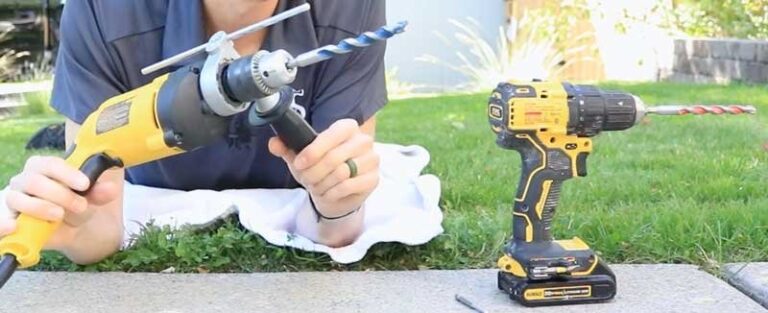
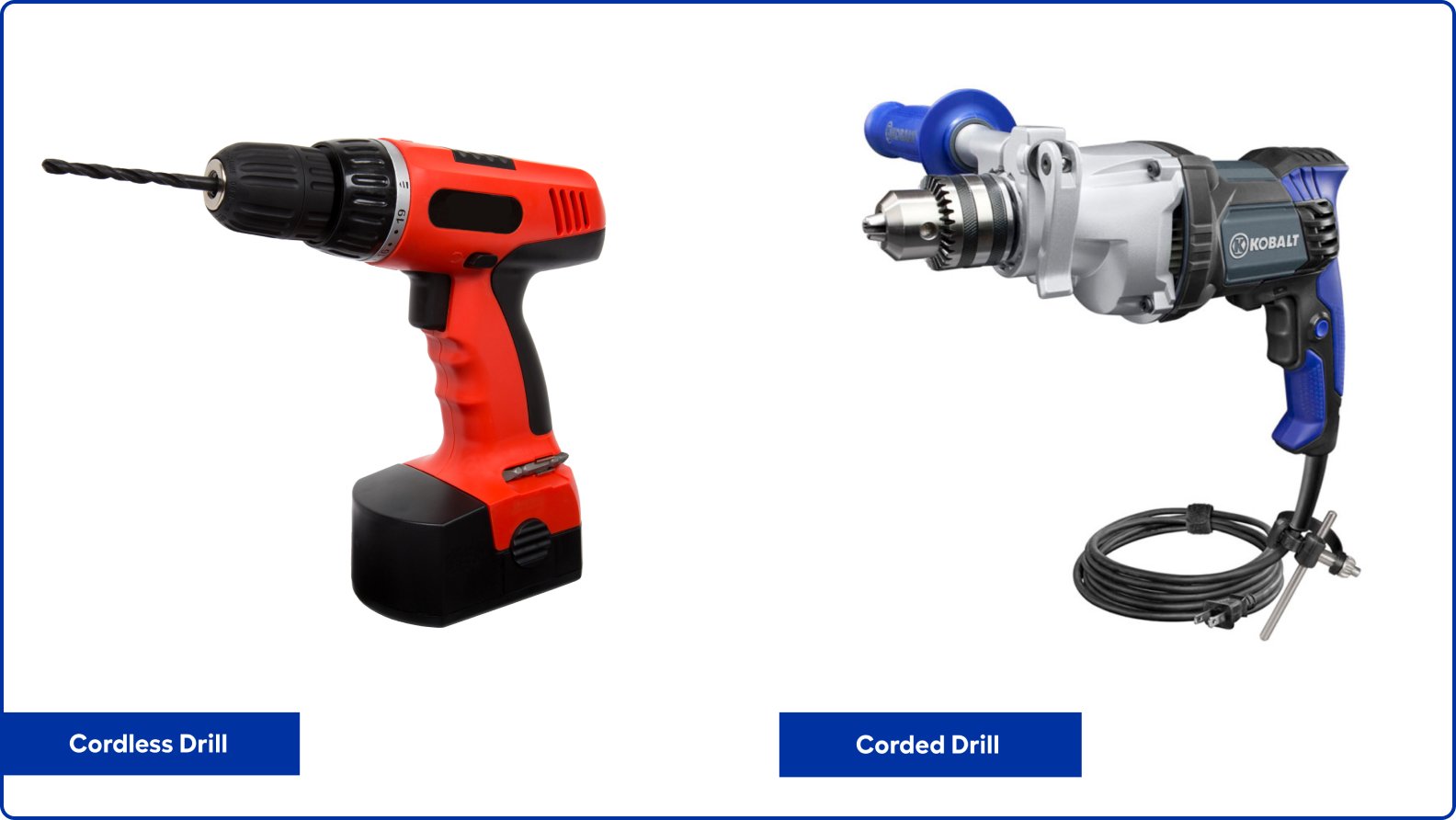
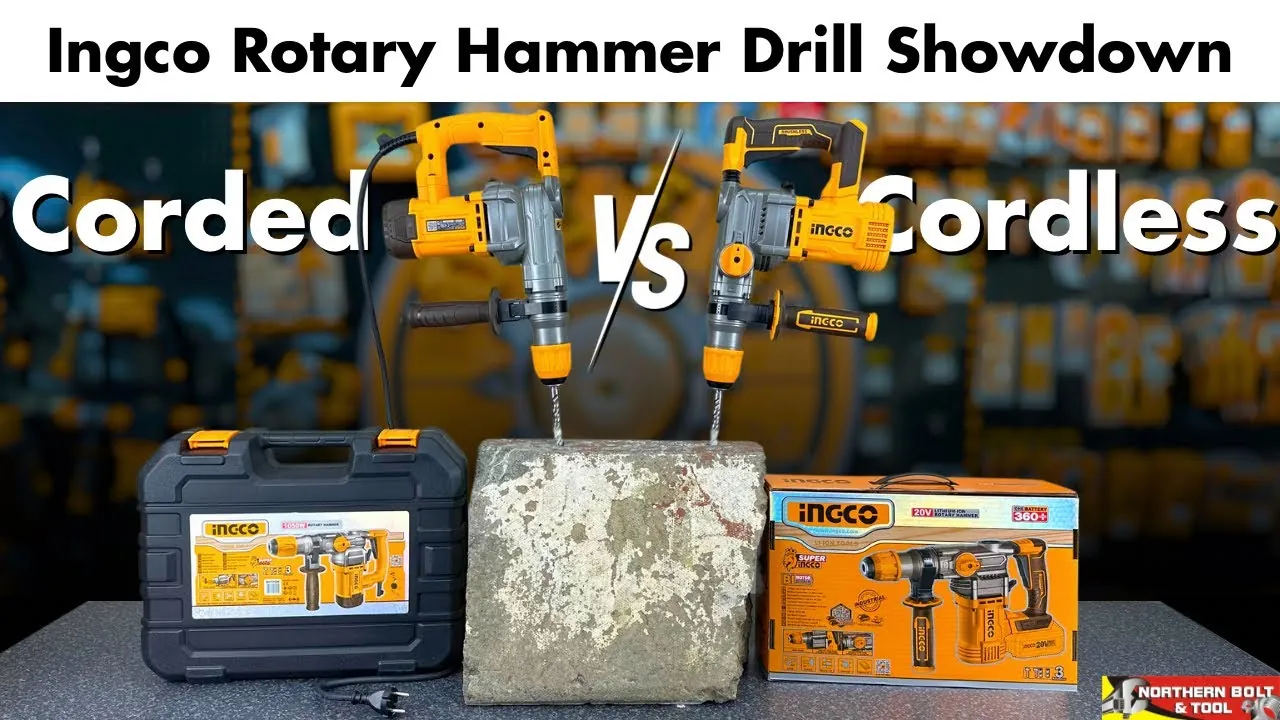
A corded hammer drill is the better choice for heavy-duty, continuous work because it provides unlimited power without needing to recharge, while a cordless hammer drill offers superior portability and convenience for jobs away from a power outlet. You’ll choose between them based on whether your project requires long hours of drilling into hard concrete or if you value the freedom to move around a job site without managing an extension cable.
Choosing the Right Tool for Your Project
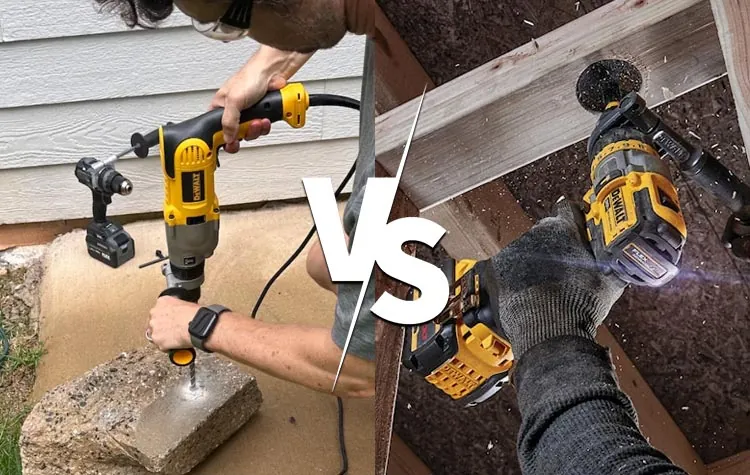
The decision often comes down to the scale of your work and your access to electricity. If you’re a professional or a serious hobbyist working on a large renovation, you’ll likely prefer the constant output of a wired model. If you’re a homeowner tackling occasional tasks like mounting shelves or hanging pictures, the ease of a battery-powered unit usually outweighs the need for maximum sustained torque.
| Feature | Corded Hammer Drill | Cordless Hammer Drill |
|---|---|---|
| Power Source | Wall outlet | Lithium-ion battery |
| Runtime | Unlimited | Limited by battery capacity |
| Weight | Generally lighter | Heavier due to battery |
| Portability | Restricted by cord length | Unlimited |
| Maintenance | Simple, no batteries to replace | Requires battery care |
When to Use a Corded Hammer Drill
You should reach for a corded model when you need to drill more than ten holes in dense masonry, brick, or concrete during a single session. These tools draw power directly from the grid, ensuring the motor maintains consistent torque as the work progresses. A battery-powered drill often loses impact force once the charge drops below thirty percent, leading to “walking” bits that ruin your anchor placement.
Because they lack a bulky battery pack at the base, corded units are slimmer and easier to maneuver in tight corners. This profile allows you to reach into cramped joist bays where a cordless tool simply won’t fit.
However, you’re tethered to a power source. If your work area is more than fifty feet from an outlet, the voltage drop across an undersized extension cord can cause the motor to overheat under heavy load. Always use a 12-gauge cord for runs longer than twenty-five feet to prevent overheating. If you’re working on a site without electricity, the corded tool becomes a paperweight; in that case, stick to a high-capacity cordless system.
Why a Cordless Hammer Drill Might Be Better
The primary advantage of a cordless unit is freedom of movement. You can climb a ladder, crawl into a crawlspace, or work on an outdoor project without hunting for a place to plug in. Modern brushless motors and high-capacity lithium-ion batteries have narrowed the performance gap significantly, making these tools powerful enough for most residential masonry tasks.
Tip: Always keep a spare battery charged and ready, as these tools consume significant energy when drilling through dense materials like reinforced concrete.
Battery-powered tools do have limits. They’re heavier because of the battery, which can lead to fatigue during overhead work. You also face the long-term cost of battery degradation, as these components eventually lose their ability to hold a charge and require replacement. If you choose a cordless system, stick to one brand so you can share batteries across your other power tools.
Is It Safe to Do This Yourself?
Yes, operating a hammer drill is safe for most DIY enthusiasts as long as you follow basic precautions. Always wear safety glasses to protect your eyes from falling masonry dust and debris. You should also use a side handle if your drill has one, as the hammer action can cause the drill to twist suddenly if the bit hits a hard obstacle like a steel rebar inside a concrete wall.
Avoid wearing loose clothing or jewelry that could get caught in the rotating chuck. If you’re working on a ladder, ensure your footing is stable before you apply pressure to the drill.
If you feel the tool vibrating excessively or it starts to smell like burning plastic, stop immediately and let the motor cool down. Never try to disassemble the outer casing of the drill to fix internal mechanical issues, as this can damage the tool or expose you to electrical hazards.
Frequently Asked Questions
Can I use a regular drill for concrete?
No, a regular drill lacks the hammer mechanism needed to pulverize masonry. While it might penetrate soft brick, it will likely overheat and ruin the drill bit when used on standard concrete.
How do I know if my battery is dying?
You’ll notice a significant drop in the drill’s rotation speed and a decrease in the strength of the hammer action. Most modern cordless tools have indicator lights on the battery that show you the remaining charge level.
Do I need special bits for a hammer drill?
Yes, you must use masonry bits that have carbide tips designed to withstand the high-impact force of a hammer drill. Standard wood or metal bits will shatter or dull almost instantly when used with the hammer setting enabled.
Conclusion
Before you buy, assess the total number of holes you expect to drill in a typical year. If you only have a few small projects planned, a reliable cordless system will serve you well for years. If you’re preparing for a major structural renovation, invest in a corded model to ensure consistent performance.