How to Choose a Cordless Drill for Home Use: Expert Guide
A cordless drill for home use lets you drill holes and drive screws without a power cord nearby. Most models are battery-powered, handheld tools with a chuck that holds different bits. The single thing that separates them is their size and power, which decides what jobs around the house they can actually handle. How to choose a cordless drill for home use comes down to matching the tool to the work you plan to do.
Cordless drill types at a glance
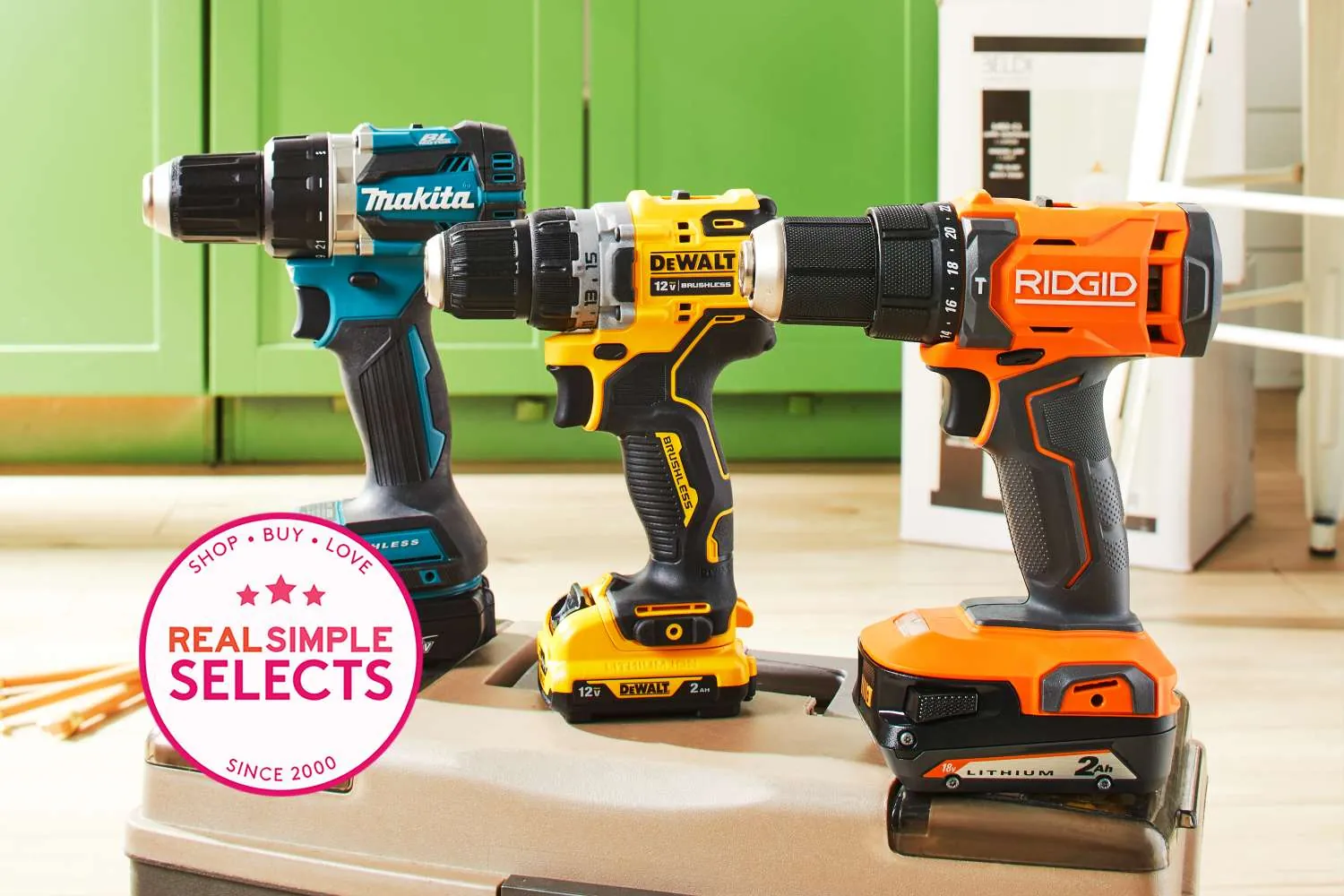
Here are the main kinds of cordless drill you’ll find for home projects.
| What it is | What it’s best for | Example |
|---|---|---|
| Drill/driver | General home drilling and screwdriving | Hanging shelves |
| Hammer drill | Drilling into masonry or concrete | Mounting a TV on a brick wall |
| Impact driver | Driving long screws and bolts | Building a deck |
| Right-angle drill | Working in tight corners | Installing cabinets |
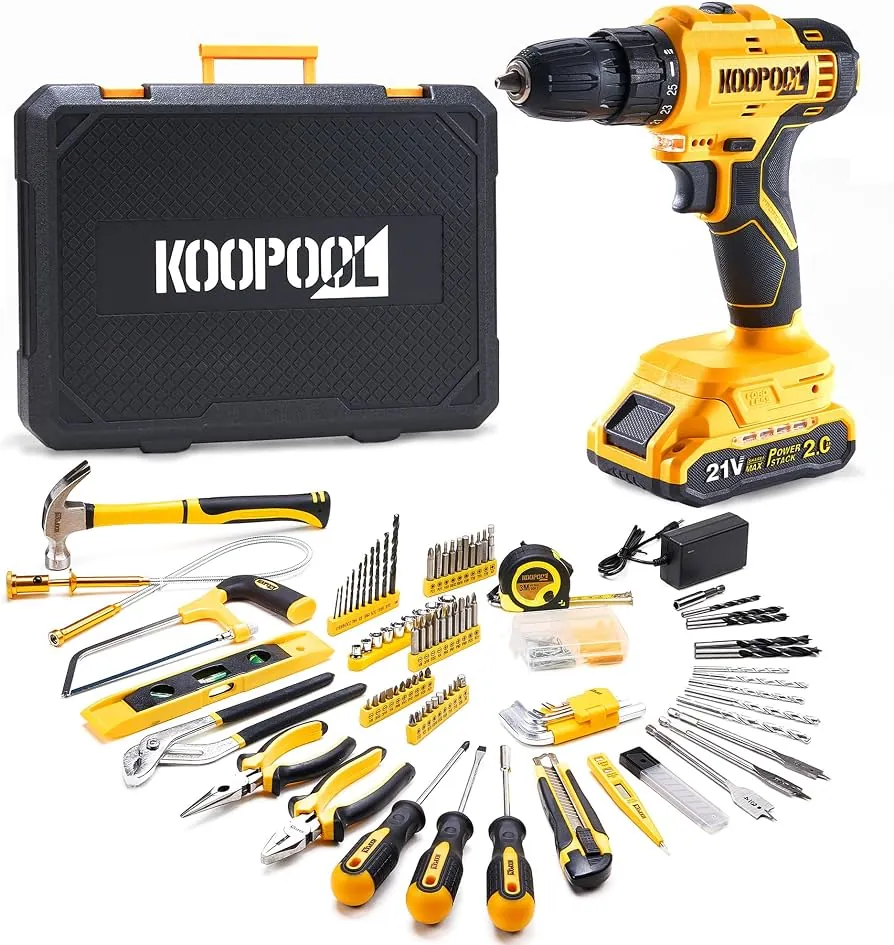
| Drill/driver kit | Getting a drill plus batteries and charger | A first tool for new homeowners |
Drill/driver
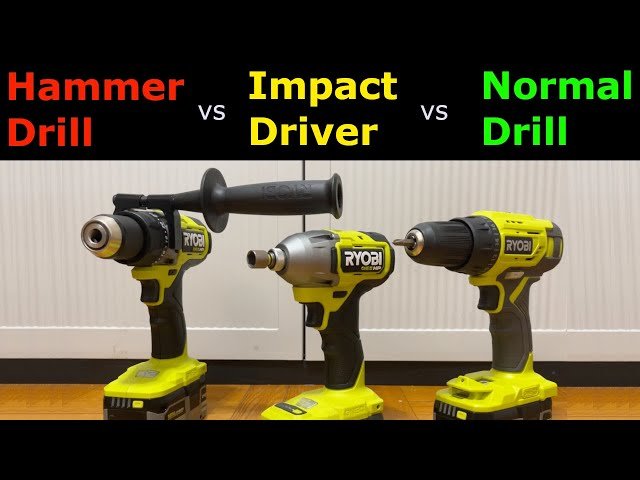
A drill/driver is the standard cordless drill most people buy for home use. It spins a bit to make holes and drives screws into wood, drywall, and metal. It suits anyone doing everyday repairs, assembling furniture, or hanging pictures and shelves.
- Drills holes in wood, plastic, and thin metal
- Drives screws without stripping heads on normal jobs
- Fits in a small toolbox or drawer
- Works for most weekend projects around the house
For example, you can use it to drive 2-inch wood screws into a pine bookshelf in a living room.
Hammer drill
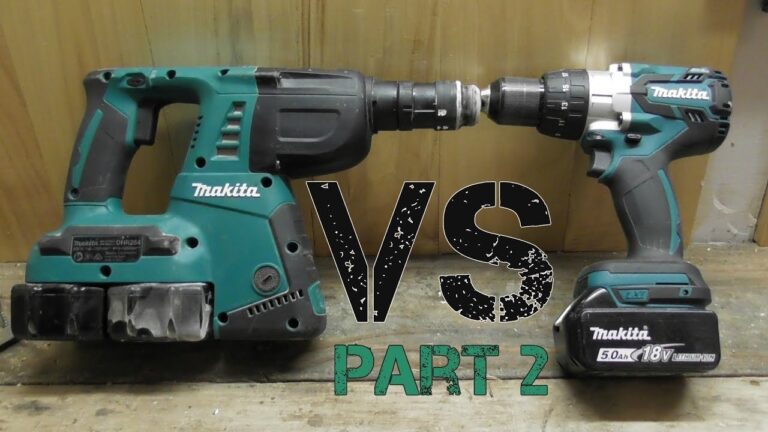
A hammer drill does everything a drill/driver does, and it also pounds the bit forward as it spins. That hammering action lets it bore into brick, concrete, and stone, which a regular drill/driver can’t do well. It suits homeowners mounting shelves or brackets on masonry walls.
- Drills into concrete, brick, and block
- Drives screws like a normal drill/driver
- Handles heavier home renovation jobs
- Needs masonry bits for hard surfaces
For example, you can use it to drill four holes in a basement concrete wall to mount a workbench.
Impact driver
An impact driver is built for driving screws and bolts, not for drilling holes. It delivers strong rotational bursts that drive long fasteners into tough wood without cam-out. It suits anyone building outdoor projects or doing framing work.
- Drives long screws into hardwood and pressure-treated lumber
- Strips fewer screw heads than a standard drill/driver
- Works faster on decking and fence projects
- Uses hex-shank bits that lock in quickly
For example, you can use it to drive 3-inch deck screws into treated pine for a backyard fence.
Right-angle drill
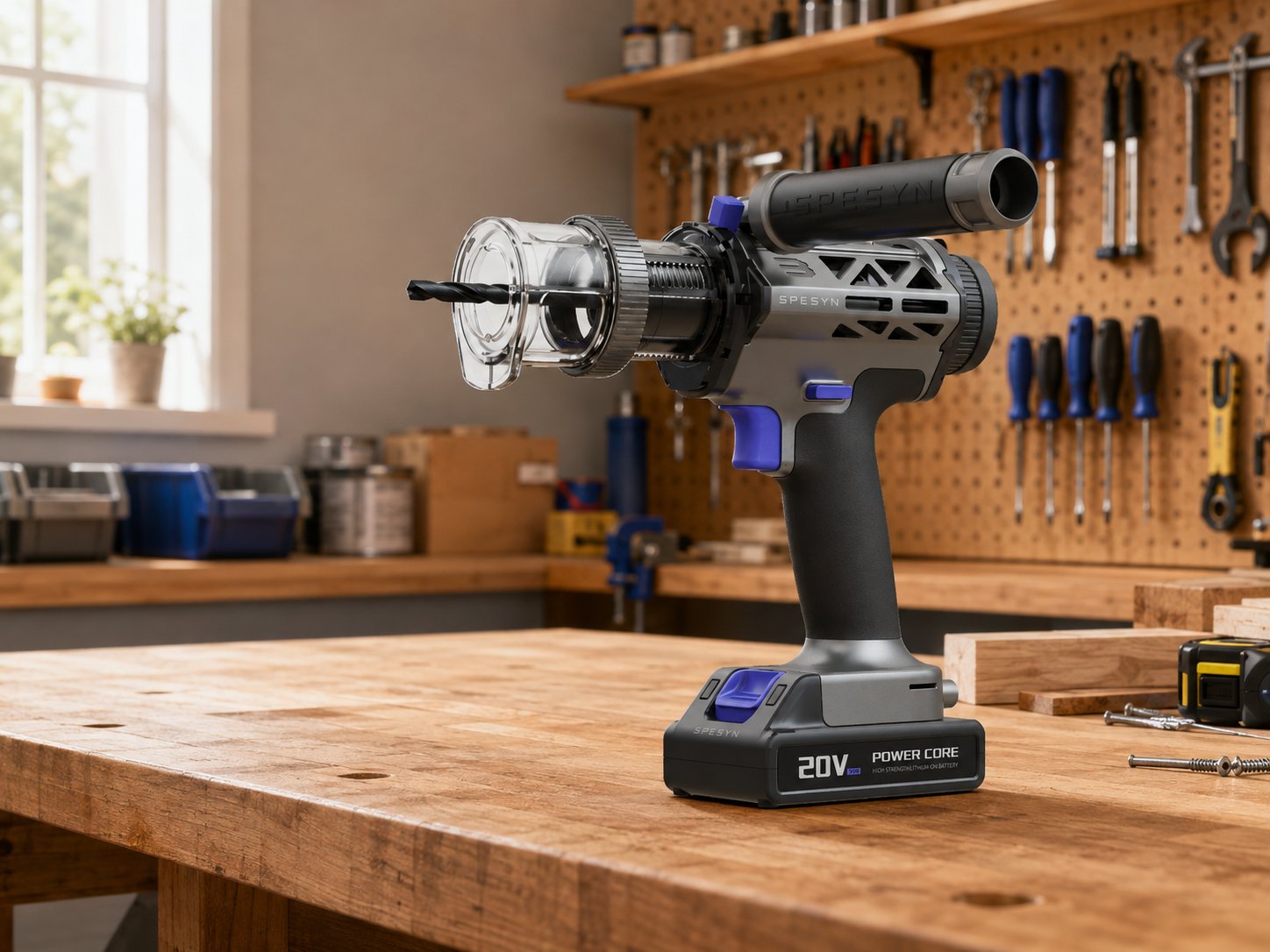
A right-angle drill features a compact head set at a 90-degree angle to the motor housing, allowing you to drive fasteners in spaces where a standard drill’s length makes operation impossible. This tool is essential for electricians and plumbers navigating the narrow gaps between wall studs or working within the cramped confines of a sink cabinet.
If you’re working in a space with less than 10 inches of clearance, a standard drill will force you to drill at an awkward, imprecise angle. This mistake often leads to stripped screw heads or holes that wander off-center.
When choosing between models, look for the chuck type. Use a keyed chuck for heavy-duty boring through thick joists, as it prevents bit slippage under high torque. If you’re only driving screws or light fasteners, a quick-change hex chuck saves significant time.
Drill/driver kit
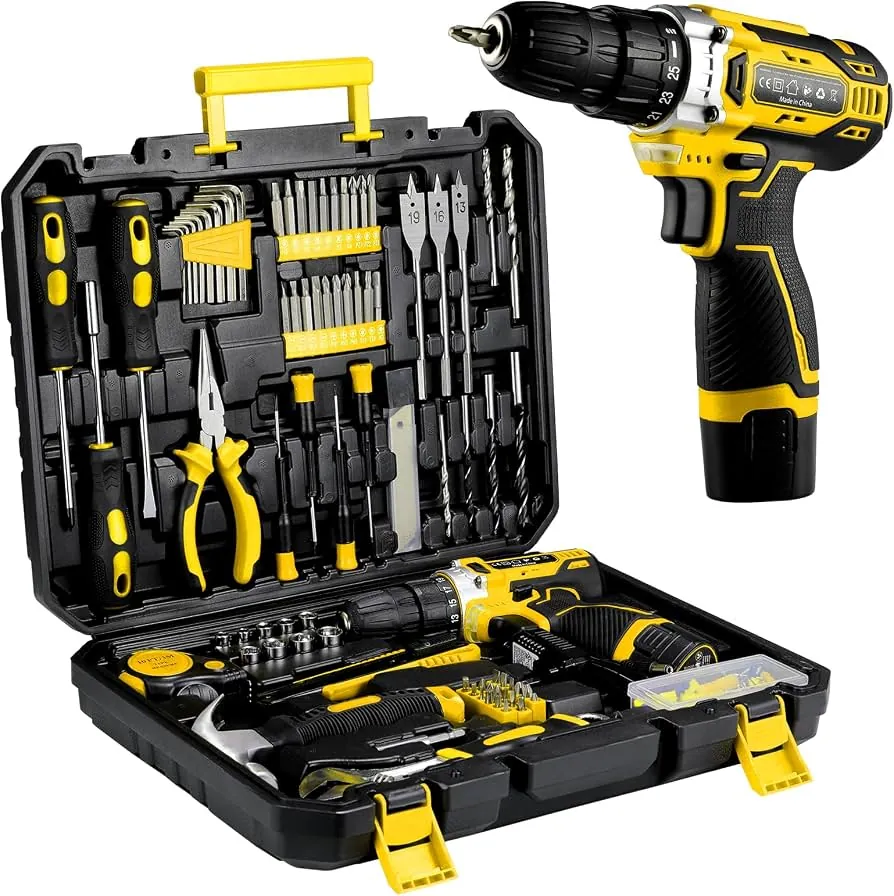
A drill/driver kit packages the drill with batteries, a charger, and often a set of bits in a carrying case. It suits first-time buyers who want everything in one box instead of buying parts separately.
- Includes a charger and at least one battery
- Often comes with drill and driver bits
- Ready to use right out of the box
- Costs less than buying pieces one by one
For example, a new homeowner can use the included bits to assemble a bed frame the same day they buy it.
More cordless drills you may see
- Compact drill/driver — A smaller, lighter drill/driver for people with smaller hands or for overhead work where a full-size drill tires you out.
- Hammer drill/driver combo — A drill/driver with a hammer mode you can switch on for masonry and off for wood, good if you want one tool for both.
- Sub-compact impact driver — A smaller impact driver for driving screws in cramped spaces where a full-size impact driver won’t fit.
- Drywall screw gun — A specialty drill that drives drywall screws at a set depth, best for people hanging sheets of drywall, not general home use.
Picking the right cordless drill for your home
Start with what you’ll actually drill. If your projects are only wood and drywall, a drill/driver is enough. If you need to drill into brick or concrete, get a hammer drill. If you spend most of your time driving long screws into framing or decking, an impact driver saves your wrists. Think about where you’ll work, too — a right-angle drill earns its place in tight corners, but it isn’t your first drill.
You can keep more than one tool, but each one you add means another battery to charge and more space in your storage. Most households do well with one drill/driver and add a second tool only when a job genuinely needs it.
Frequently asked questions
What voltage do I need for home use?
Professional technicians should handle electrical testing, as higher voltage provides more power but also results in a heavier tool and a larger battery.
How long does a cordless drill battery last?
A lithium-ion battery typically runs for thirty to sixty minutes of active use on a charge, and it eventually loses capacity over time. Runtime depends on how hard you work the drill and how large the battery is.
Can I drill into concrete with a regular cordless drill?
No — a standard drill/driver lacks the hammering action needed for concrete, brick, or block. You need a hammer drill and masonry bits for those materials.
Is a brushless motor worth it for home use?
A brushless motor runs cooler and usually lasts longer than a brushed motor, but it costs more. For occasional home projects, a brushed drill is fine; for weekly use, brushless is worth the extra money.
What chuck size should I look for?
A three-eighths-inch chuck fits most home drill and driver bits and is the right choice for general use. A half-inch chuck is for heavier bits and larger holes, which most homeowners rarely need.
What happens if I over-tighten a screw?
You can strip the screw head or drive the screw too deep, which weakens the joint and can split the wood. An impact driver or a drill with adjustable torque helps prevent this.
Does battery brand matter if I already own tools?
Yes — batteries and chargers usually work only within the same brand and voltage line, so buying the same brand lets you share batteries across tools. Check your existing tools before picking a new system.
Your next step
Make a list of the jobs you’ll do in the next six months, then buy the drill that matches those tasks rather than the most powerful model on the shelf. If you’re only hanging pictures or assembling flat-pack furniture, a 12-volt cordless driver is lighter and prevents wrist fatigue. Reserve the heavy-duty 20-volt hammer drills for masonry or thick timber.
Most beginners make the mistake of buying for the one-off project rather than the routine. This often leads to overspending on a tool that’s too heavy for daily use. If you find yourself needing to drill into structural concrete or load-bearing walls, stop and consult a professional. Attempting these tasks with standard equipment risks damaging your home’s integrity or breaking your drill.