How to Use a Rotary Tool: A Beginner Step-by-Step Guide
This step-by-step guide helps a beginner master a rotary tool by starting at low speeds and using a light touch.
Understanding Your Handheld Rotary Tool
A rotary tool is a compact, high-speed motor with a collet that holds various small bits. It’s designed for fine detail work rather than heavy-duty construction tasks. Most people assume the tool should do the heavy lifting, but the motor should do the spinning while you guide the movement.
According to the Consumer Product Safety Commission, you must always wear eye protection when operating power tools to prevent injury from flying debris. If you’re working on a new material, test it on a scrap piece first to see how the bit reacts.
Steps for Operating the Device
- Unplug the unit before you change any bits.
- Press the shaft lock button and unscrew the collet nut using the included wrench.
- Insert your chosen bit into the collet, ensuring at least half of the shank is inside the collet.
- Tighten the collet nut firmly with the wrench, but don’t overtighten it, as this can damage the threads.
- Plug the tool in and set the speed dial to the lowest setting before you turn it on.
- Switch the power on and move the dial slowly until you reach the needed speed.
- Hold the tool like a pencil or an overhand grip, keeping the bit at the appropriate angle for the specific accessory and task.
- Apply very light pressure; let the speed of the bit perform the work for you.
If the tool vibrates heavily, turn it off immediately. You must check that the bit is centered and the collet is tightened correctly before starting again.
Beginner’s Guide to Rotary Tool Settings
| Situation | What to use | How long | What to watch for |
|---|---|---|---|
| Polishing metal | Felt wheel | 5-10 seconds | Heat buildup |
| Cutting plastic | Cut-off wheel | Continuous motion | Melting edges |
| Sanding wood | Drum sander | Light pressure | Clogged grit |
| Engraving glass | Diamond bit | Very slow speed | Surface cracking |
| Grinding steel | Stone bit | Short bursts | Sparking |
This table assumes the use of a standard 120-volt corded tool. If you’re using a battery-powered model, your runtime will change based on the battery capacity.
Achieving Professional Results
Success with this tool comes down to your patience and control. Experienced users always start with a low speed to maintain accuracy, only increasing the RPM if the bit isn’t cutting effectively. If you push too hard, you’ll stall the motor or break the bit, which ruins the finish of your project and wastes expensive accessories.
Always keep your hands clear of the spinning bit. If you’re working on a small piece, use a clamp to hold it steady rather than your fingers. It’s a common mistake to hold the tool at an angle, which causes the bit to “walk” or skip across the surface. Keep the bit parallel to your work to ensure a smooth, clean line every time.
Solving Common Tool Issues
| What you notice | What it usually means | What to do first |
|---|---|---|
| Bit is wobbling | Loose collet | Stop and re-tighten |
| Motor is stalling | Too much pressure | Lift the tool slightly |
| Burning smell | High speed/friction | Reduce your RPM |
| Material is melting | Excessive speed/friction | Reduce speed or pressure |
If the tool makes a grinding noise or stops working entirely, check the carbon brushes if your model allows it. If the issue remains, don’t attempt to open the motor housing yourself, as this voids the manufacturer’s warranty and creates a risk of electrical shock. Take the unit to a certified service center for professional repair.
Compliance and Safety Rules
You must follow the safety guidelines provided in your specific owner’s manual for every accessory you attach. The Occupational Safety and Health Administration notes that loose clothing and long hair can easily become entangled in rotating equipment.
Never wear gloves while operating the tool, as the fabric can pull your hand into the spinning bit. If you’re unsure about the speed limits for a specific bit, check the packaging; exceeding the manufacturer’s maximum RPM rating can cause the accessory to shatter during use.
Maintenance and Long-Term Care
After each use, wipe the tool body with a clean, dry cloth to remove dust and debris. If the ventilation slots are blocked, use compressed air at a low setting to clear them, which prevents the motor from overheating.
Store your tool in a cool, dry place inside its hard-shell case to keep the collet and bits organized. If you notice the collet becoming difficult to open, apply a tiny drop of machine oil to the threads to keep them moving smoothly.
When to Use Other Tools
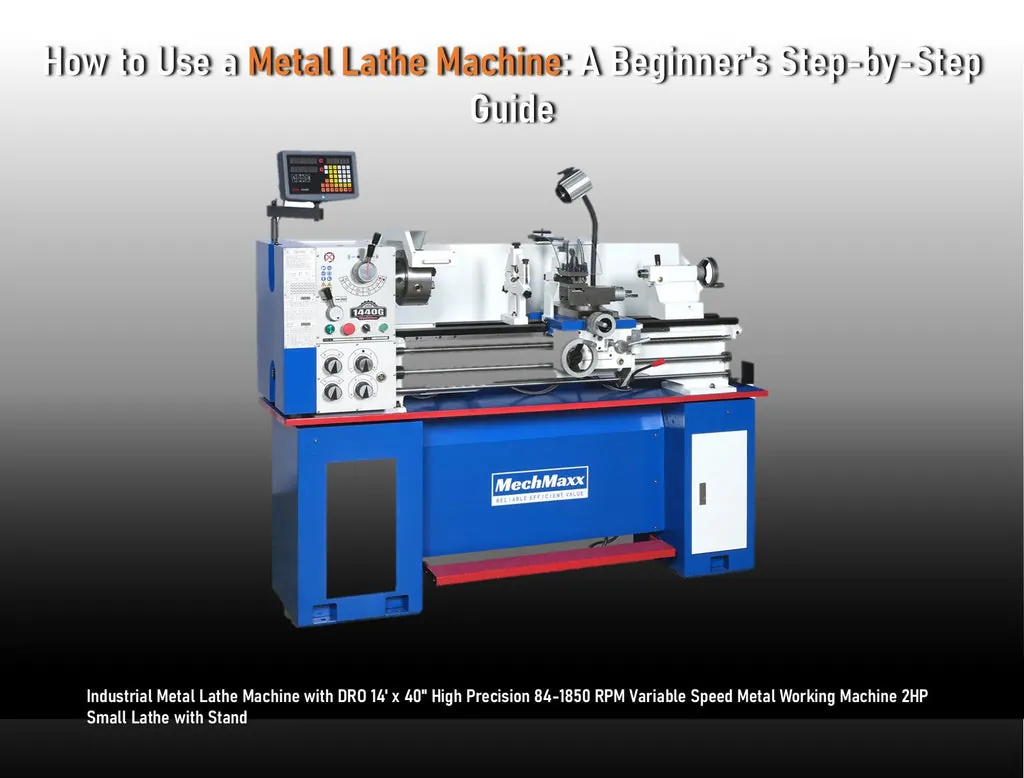
If you’re trying to cut through thick lumber or remove large amounts of material, a rotary tool is the wrong choice. Use a circular saw or a belt sander for these heavy-duty jobs to get a better result in less time. If you need to drill large holes into masonry, a hammer drill is the only tool that will work effectively. Using your rotary tool for tasks beyond its power rating will lead to premature motor failure and poor results.
Related guides
- 10 Best Rotary Tools for DIY, Crafts, and Home Projects
- 10 Best Cordless Rotary Tools for Detail Work and DIY Repairs
Frequently Asked Questions
Can I use a rotary tool to trim my pet’s nails?
Yes, you can use a specialized pet grooming bit, but you must use a very low speed. Start by touching the nail for only one second at a time to avoid overheating the quick.
How often should I replace the sanding bands?
Replace them whenever the surface looks smooth or the grit is clogged with debris. You’ll notice the tool takes longer to sand as the grit wears down.
Is it safe to use this tool near water?
No, never use a rotary tool near water or in wet conditions. You risk electrical shock if moisture enters the motor housing or the power cord.
Why does my tool get hot during use?
It’s likely running at a high speed for too long or you’re applying too much pressure. Take a break every five minutes to let the motor cool down.
How do I know which speed to choose?
Start at the lowest speed for most tasks. If the bit isn’t removing material efficiently, increase the speed by one step until you find the right balance.
Conclusion
Once you’ve gained some confidence, try experimenting with different attachments to see what your machine can really do. Don’t be afraid to test your skills on scrap wood or metal before starting a big project. You’ll find that with a little practice, your creative possibilities won’t have any limits at all.