Miter Saw vs Table Saw: Differences and Which One to Buy
The differences between a miter saw and a table saw determine which tool you should buy for your projects. A miter saw is the better choice for quick, precise crosscuts on boards, while a table saw is necessary for ripping long lumber or making complex cabinetry cuts. Prioritize the miter saw for decks or frames, and the table saw for furniture or cabinets.
Key differences and uses for each saw
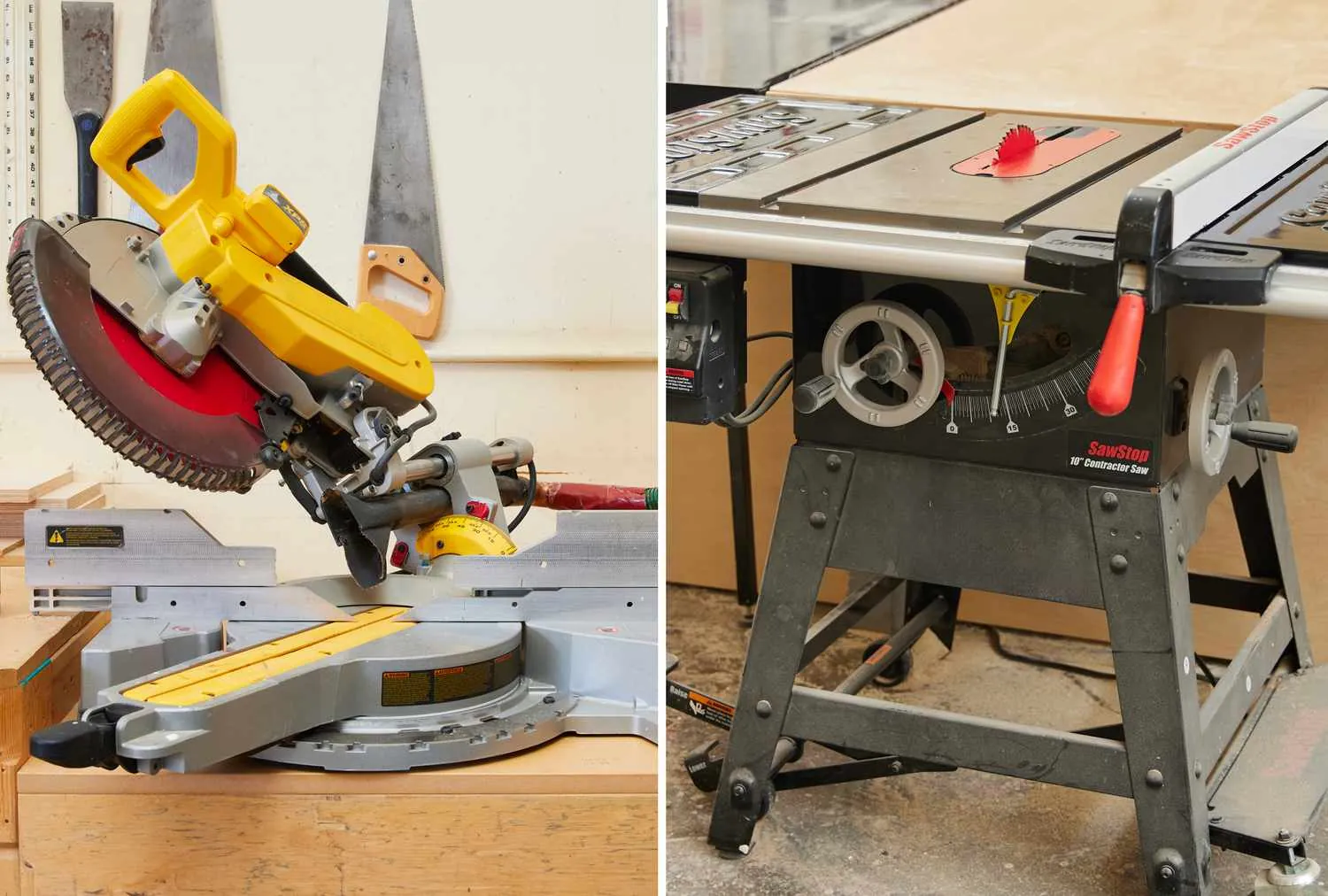
Choosing between these two machines depends entirely on the type of cuts you need to make most often. While both are essential in a professional shop, they serve different functions in your workflow.
| Method | How long | Effort | Cost | Best for |
|---|---|---|---|---|
| Miter saw | Fast | Low | Medium | Crosscutting boards |
| Table saw | Moderate | High | High | Ripping long boards |
| Hand saw | Slow | Very high | Low | Small, quick tasks |
If you’re just starting out, a miter saw is easier to learn because the wood stays still while the blade moves. A table saw requires you to push the wood past a spinning blade, which demands more focus and safety awareness.
Precision crosscutting with a miter saw
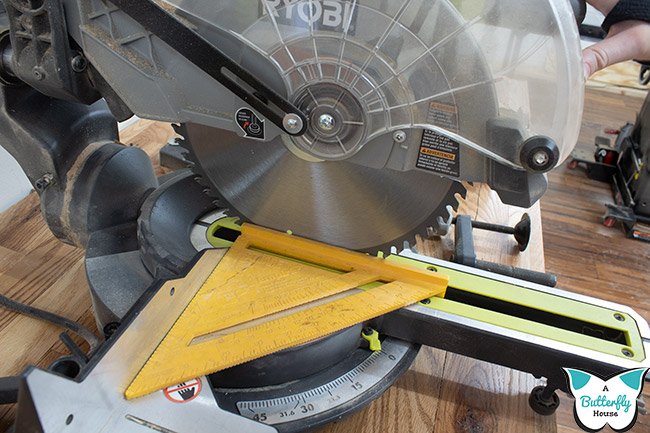
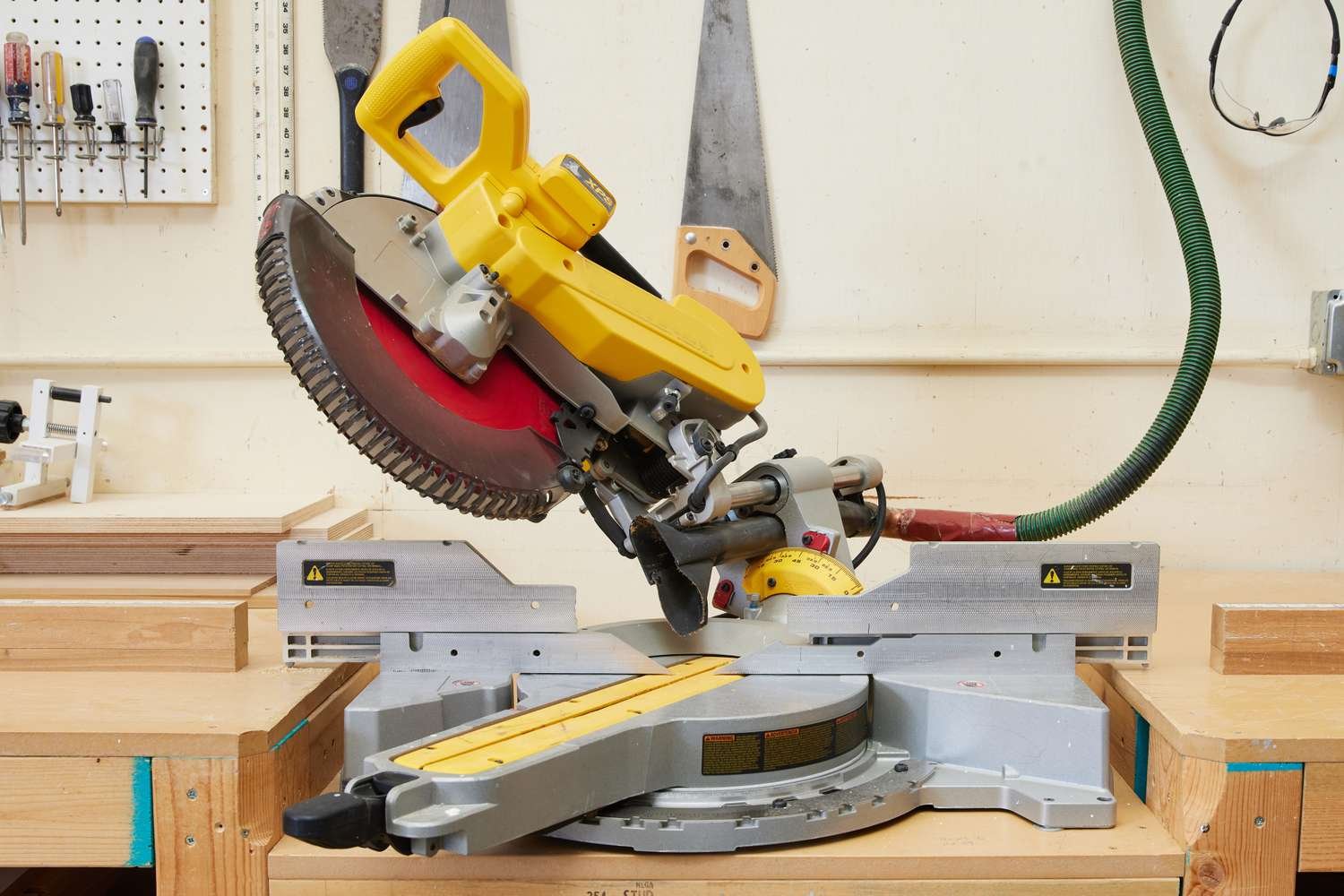
A miter saw is designed to swing left and right to cut angles across the grain of the wood. It’s the gold standard for trim, molding, and framing work where speed and angle accuracy are critical.
- Place your workpiece against the fence to ensure it stays square during the cut.
- Set your desired angle on the miter scale, usually between 0 and 45 degrees.
- Hold the wood firmly with your non-cutting hand, keeping it at least 6 inches from the blade.
- Lower the handle slowly until the blade passes completely through the material.
- Release the trigger and wait for the blade to stop spinning before lifting it.
This tool is fantastic for repetitive cuts where every piece must be identical. However, its main weakness is capacity; you can’t cut wide boards or perform long rip cuts with this machine. Always wear eye protection when using power tools to prevent injury from flying debris, as advised by the Consumer Product Safety Commission.
Ripping boards with a table saw
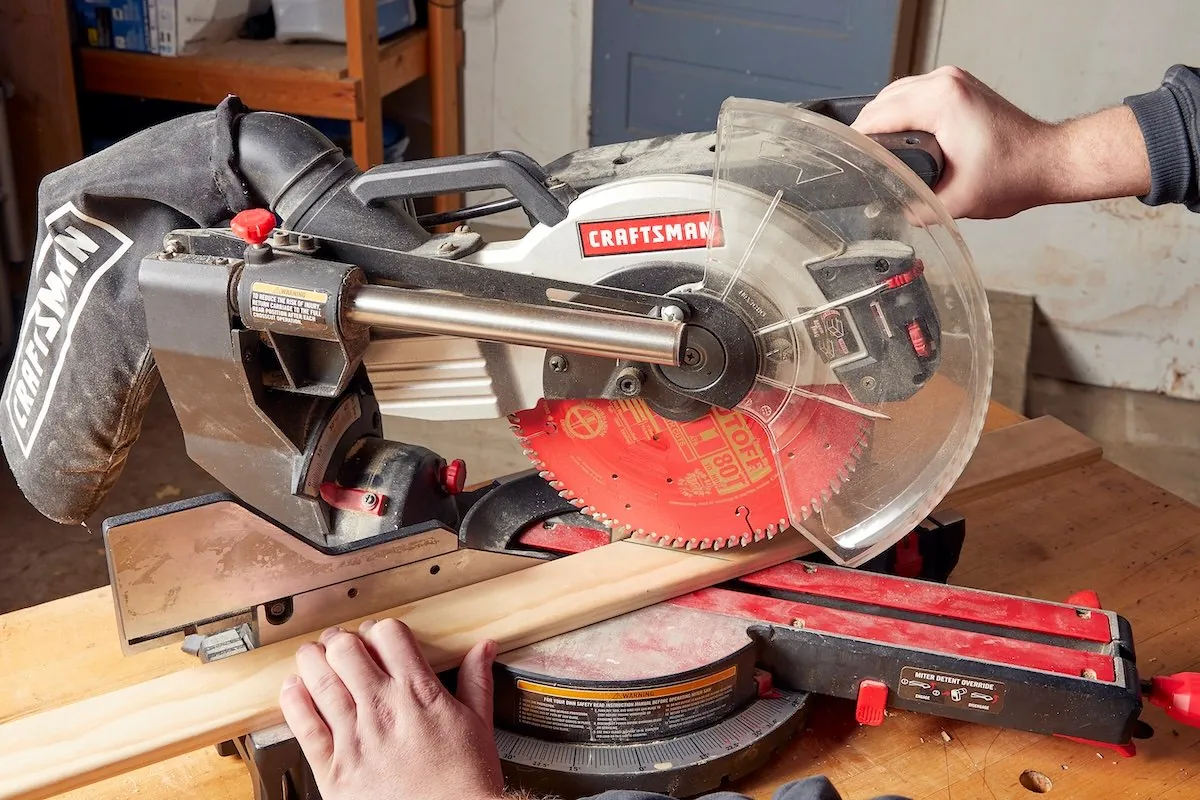
The table saw is the heart of a workshop because it acts as a flat surface to guide large sheets of plywood or long boards. It uses a stationary blade that protrudes through a tabletop, allowing you to feed wood through for consistent width.
- Adjust the blade height so the gullets of the teeth are just above the top of your wood.
- Set the fence to the exact width you need for your cut.
- Position your body to the side of the blade, never directly behind the wood.
- Use a push stick to feed the wood past the blade, keeping your fingers away from the path.
- Maintain steady pressure against the fence until the entire board clears the blade.
This machine is unmatched for creating perfectly straight edges on rough lumber. The main drawback is the risk of “kickback,” which happens if the wood pinches the blade. If you aren’t comfortable managing the feed, seek hands-on training from a local woodworking guild.
Managing sheet goods and complex joinery
A table saw is the only reliable way to break down large plywood sheets into smaller, square components. By using a crosscut sled, you can even turn a table saw into a precision crosscutting machine that matches the miter saw’s accuracy.
- Attach a crosscut sled to the table saw’s miter slots.
- Align your piece of wood against the fence of the sled.
- Slide the entire sled forward, pushing the wood through the stationary blade.
- Retract the sled fully before removing your cut pieces.
This method is ideal for furniture makers who need to cut box joints or dados. If you only have space for one tool and don’t plan on doing heavy cabinet work, a standard circular saw can often perform the same tasks as a table saw for a fraction of the cost and space.
Which saw fits your project needs?
When you’re in a hurry, the miter saw wins because it requires almost no setup time to make a clean, angled cut. If you’re doing this for the first time, the miter saw is also the safer and more intuitive choice for learning basic geometry and blade control. When you want the best possible result regardless of time, the table saw is the winner because it provides superior control over long boards and sheet materials.
The trade-off is between portability and versatility. A miter saw is easy to move to a job site, whereas a table saw is often a heavy, permanent fixture in a shop. If you choose a table saw, you gain the ability to build almost anything, but you must invest more time into learning safe operation techniques.
Rules for safe operation
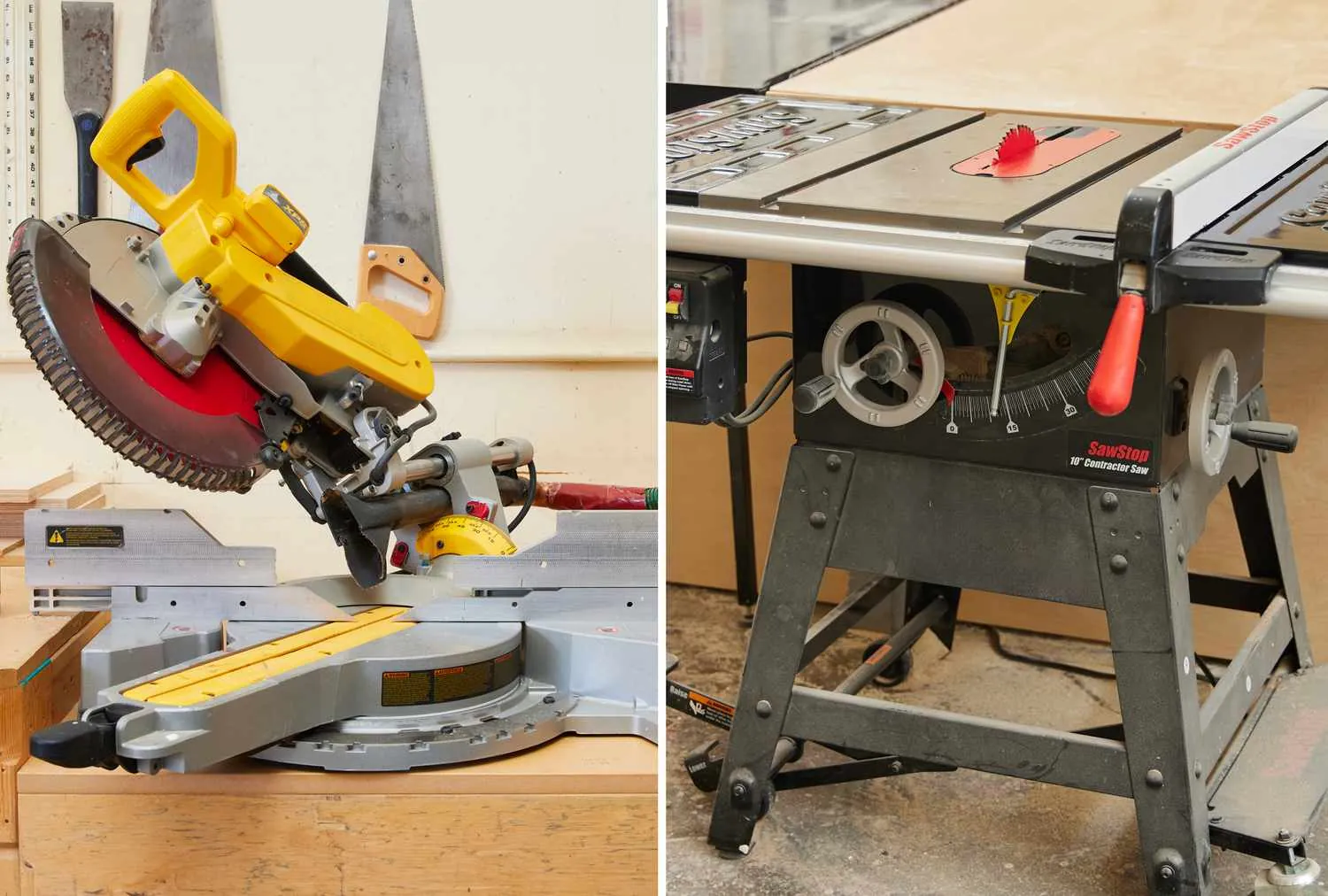
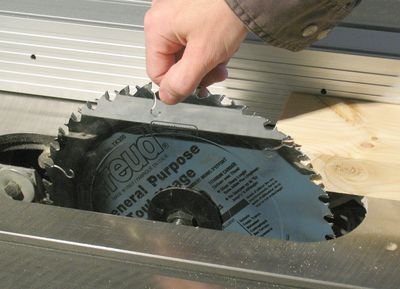
Regardless of your choice, you must always prioritize safety and tool maintenance. Before starting any project, check that your blade is sharp and free of resin buildup. A dull blade forces the motor to work harder, which burns the wood and significantly increases the risk of dangerous binding.
Never remove safety guards or splitters. These components are engineered to keep the wood from pinching the blade during a cut, a common cause of high-speed kickback. If you notice the wood pulling away from the fence, stop the machine immediately and check the alignment of your splitter.
Always wear hearing protection and a N95-rated dust mask when operating either machine for more than fifteen minutes. If you’re cutting pressure-treated lumber, you must work outdoors or in a space with active exhaust ventilation to avoid inhaling toxic chemical dust. Finally, clear all cords and scrap wood from the floor. A single scrap underfoot can cause a stumble while you’re actively feeding material into the machine.
Frequently asked questions
Can I use a miter saw to rip boards?
No, you can’t safely rip long boards with a miter saw because the blade design and guard system aren’t meant for longitudinal cuts. Attempting to feed a long board into a miter saw can cause the wood to catch, potentially throwing it toward you or damaging the motor.
How long does it take to learn the table saw?
You can expect to spend 10 to 20 hours practicing basic ripping and safety procedures. Start by making simple cuts on scrap wood to understand how the fence and push sticks work before attempting your first project or cutting expensive material.
Is it safe to cut small pieces on a table saw?
No, it’s dangerous to cut very small pieces on a table saw without a specialized jig or sled. The blade can easily grab small scraps and pull them into the gap, which creates a high risk of kickback or injury to your hands.
What happens if the blade gets stuck?
If the blade gets stuck, turn off the power immediately and let the motor come to a complete stop before touching the wood. A stuck blade usually means the wood has shifted or the fence isn’t perfectly parallel, so check your alignment before trying the cut again.
How often should I change the saw blade?
You should change the blade when you notice burning on the wood or when you have to push harder than usual to feed the material. For most hobbyists, a high-quality blade will last through several large projects, but you should inspect the teeth for chips after every major use.
Do I need a miter saw and a table saw?
Buy a table saw first for furniture projects, while a miter saw is better for home repairs and framing. Most woodworkers eventually own both, but you don’t need both to start.
Conclusion
Choosing between these tools doesn’t have to be overwhelming. Think about the projects you’re most excited to start, and pick the saw that helps you finish them safely. You’ll find that once you’ve got the right equipment in your workshop, you’ll be ready to tackle your first big build with confidence.