
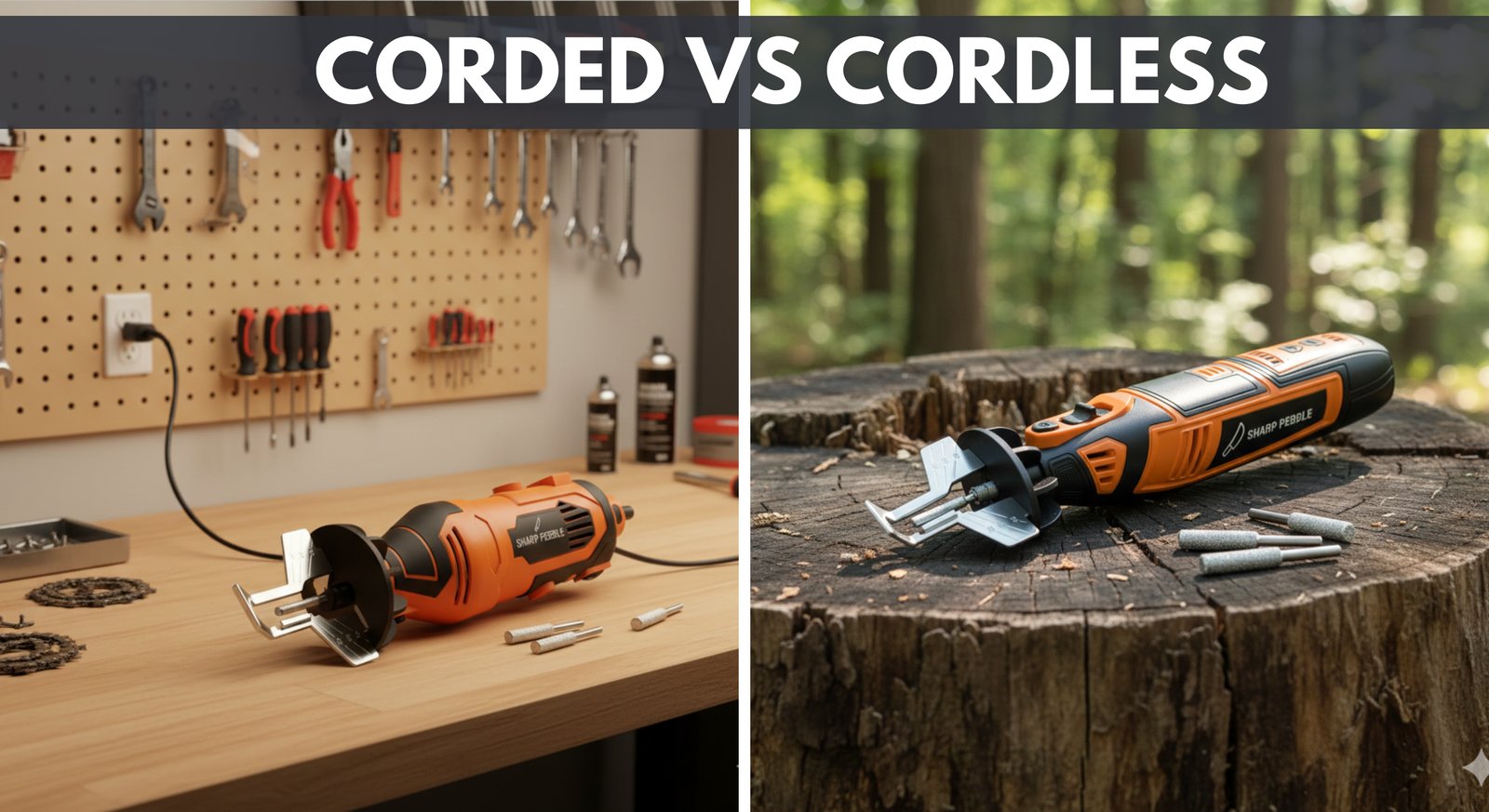
Corded vs Cordless Oscillating Tools: The Buying Verdict
If you need constant power for heavy-duty projects and don’t mind managing a power cord, you should buy a corded oscillating tool. If you prioritize movement and work in tight spaces without nearby outlets, you’ll find a cordless model much more useful for your daily tasks.
Choosing between corded and cordless oscillating tools
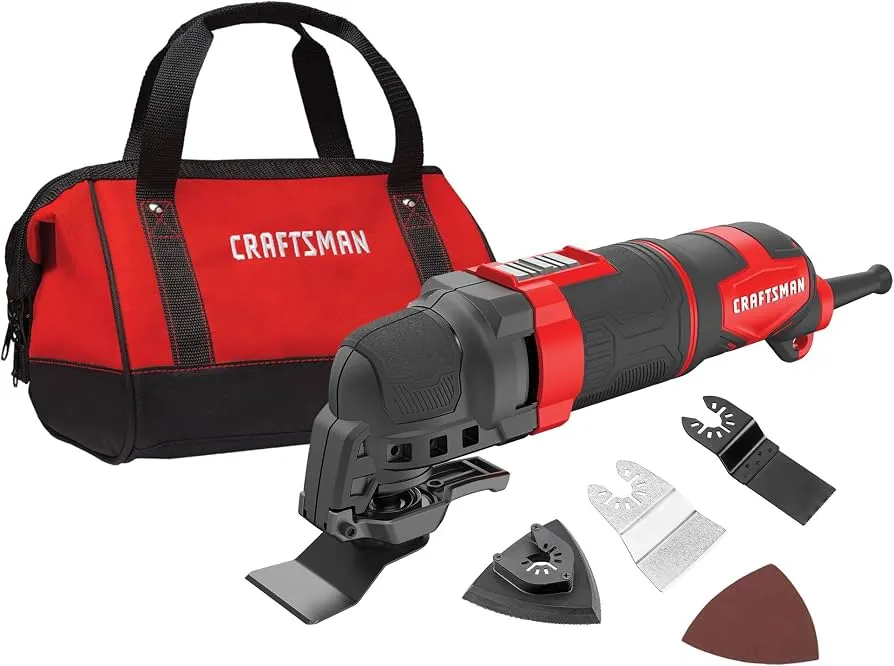
Your choice depends on where you work and how long you need the tool to run. A corded model gives you unlimited runtime because it draws energy directly from a wall outlet. You don’t have to worry about batteries dying in the middle of a cut, which is a major advantage for long-term renovations. These tools are often lighter, making them easier to handle if you’re working overhead for extended periods.
On the other hand, a cordless oscillating tool offers unmatched freedom. You can move around a job site or reach into small corners under a sink without dragging a cord behind you. Modern lithium-ion batteries are quite powerful, but they add weight and require you to keep spares charged if you’re working all day.
| Feature | Corded Oscillating Tool | Cordless Oscillating Tool |
|---|---|---|
| Power Source | Wall outlet | Battery pack |
| Runtime | Unlimited | Limited by capacity |
| Weight | Lighter | Heavier |
| Mobility | Tethered by cord | Fully portable |
| Best For | Workshop use | On-site repairs |
How to Decide Based on Your Workflow
To pick the right tool, look at the specific tasks you handle most often. If you’re a woodworker who spends hours in a shop, the consistent, high-torque performance of a corded tool is hard to beat. You’ll never experience a slowdown as the battery drains. For these users, the cord is a minor inconvenience compared to the reliability of a steady power supply.
For general contractors or homeowners doing odd jobs, the cordless version is the smarter pick. Most cordless tools now match corded performance.
Tip: If you opt for a cordless model, always buy two batteries so you can keep one charging while you use the other.
Are There Safety Concerns to Keep in Mind?
Safety remains the same regardless of how your tool gets its power. You should always wear eye protection and a dust mask, as oscillating tools create fine debris that can easily irritate your lungs or eyes. Keep a firm grip and let the blade do the work rather than pushing too hard. Pushing too hard risks breaking the blade or burning the material.
When using a corded model, ensure the cord is clear of the blade’s path at all times.
Is it safe to use a corded tool outdoors?
It’s generally not recommended to use corded tools in wet or damp conditions because of the risk of electric shock. If you must work outside, use a cordless tool or ensure your outlet is protected by a ground-fault circuit interrupter to prevent accidents.
Do cordless batteries lose power over time?
Yes, all lithium-ion batteries lose some capacity after hundreds of charge cycles, meaning they won’t last as long as they did when they were new. You can extend their life by storing them in a cool, dry place and avoiding extreme heat during charging.
Can I switch between corded and cordless versions of the same brand?
You usually can’t switch the power source on a single tool.
Check which battery platform you already own before making a purchase, as staying within one brand saves you significant money on future tools.
Maintenance and Common Problems
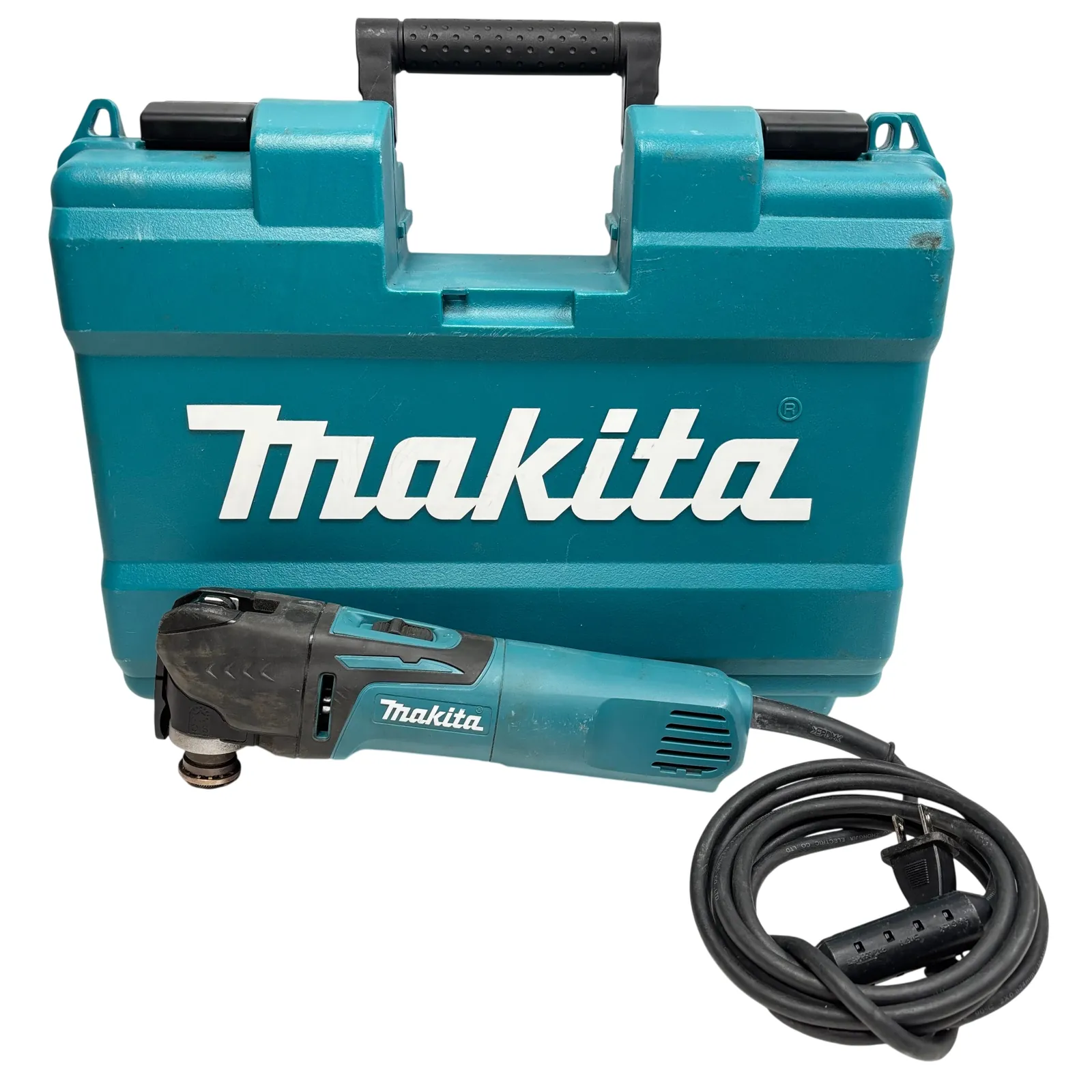
Keep your tool in good shape with regular care. Use compressed air to clear vents after heavy jobs. If the tool overheats or rattles, stop and check that the accessory is tight.
Why does my tool lose power during a cut?
Stalling usually indicates too much downward pressure. Let the blade do the work to prevent motor strain or rapid battery discharge.
How do I store my tools to keep them working?
Store tools in a dry, room-temperature environment to prevent degradation. Remove cordless batteries during long storage to prevent deep discharge.
| Maintenance Task | Frequency | Action |
|---|---|---|
| Clear Vents | After each use | Blow out dust with compressed air |
| Check Blade | Before every cut | Ensure teeth are sharp and not chipped |
| Clean Housing | Weekly | Wipe with a dry, soft cloth |
| Battery Storage | Long-term | Remove from tool; store at 50% charge |
When to Replace vs. Repair
Repair or replace based on cost. Loose switches or damaged cords are cheap to repair. Motor failure or cracked housing makes replacement economical.
Cordless units most often fail due to dead battery packs. Test the tool with a known working battery before assuming it’s broken. If the tool functions perfectly with a new battery, you only need to replace the pack rather than the entire device. Don’t open the casing, as this voids the warranty and risks electrical shock.
Can I use universal blades with my tool?
Check your manual to confirm blade compatibility. Some brands use proprietary blade mounts that won’t accept standard universal blades, which can lead to the blade slipping or damaging the mounting bolt during operation.
Is it worth buying a refurbished model?
Refurbished tools are cost-effective if they include a warranty. Ensure the warranty matches that of a new tool to protect against hidden defects.
Check your current collection of power tools to see which battery brand you already own, as this is the most cost-effective way to choose your next oscillating tool. If you decide on a cordless model, prioritize purchasing an extra battery immediately to ensure you aren’t forced to stop working during your first major project.
Related guides

One Comment