Why Your Oscillating Tool Vibrates Excessively: Causes and Fixes
When an oscillating tool vibrates excessively, it’s usually because the accessory isn’t tightened correctly, the blade is damaged, or the tool itself is struggling with a mounting load that exceeds its power rating. You’ll often find that checking the locking mechanism and verifying the integrity of your blade clears up the shaking immediately.
Why your oscillating tool vibrates excessively
Excessive vibration in these tools is rarely a sign of a single major failure. It’s more often a buildup of small errors that disrupt the balance of the oscillating head.
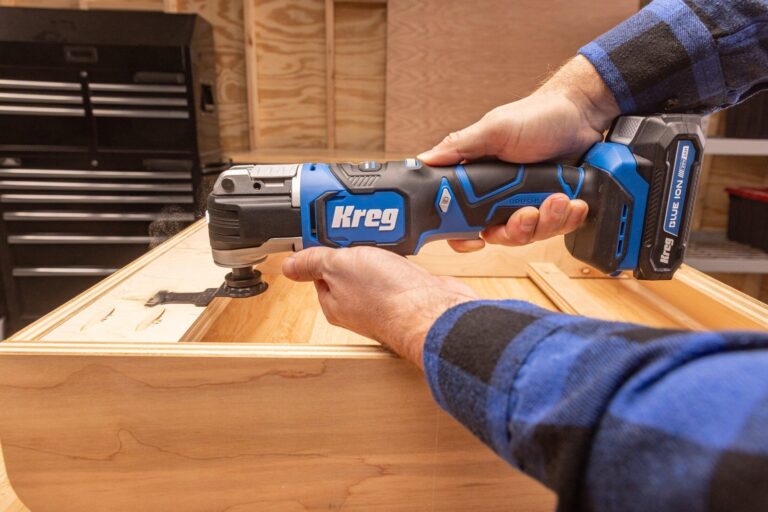
- Loose Accessory Mount: If the bolt or lever-lock isn’t fully secured, the blade wobbles against the drive pins. This creates a rhythmic knocking that feels like intense vibration.
- Damaged or Dull Blades: A blade with missing teeth or a bent body won’t cut evenly. The resistance on one side of the blade pushes the head out of alignment during each cycle.
- Debris Buildup: Dust and wood chips can pack into the mounting interface. This prevents the blade from sitting flush against the tool, causing it to sit at a slight angle.
- Improper Speed Setting: Running a high-vibration blade at maximum speed amplifies every tiny imperfection. For delicate work, a lower speed setting usually helps stabilize the motion.
- Internal Bearing Wear: Over time, the internal components that convert rotation to oscillation can wear down. If the tool feels loose even with no blade attached, the internal drive mechanism might be failing.
| Symptom | Most Likely Cause | What to Do |
|---|---|---|
| Rattling sound | Loose locking bolt | Tighten the accessory mount |
| Uneven, shaky cuts | Dull or bent blade | Replace the blade |
| Gritty feeling | Debris in mount | Clean with a soft brush |
| Excessive buzzing | Incorrect speed | Reduce the speed setting |
| Loose head assembly | Worn internal parts | Stop use and inspect |
Safe Checks You Can Perform
Before you assume the tool is broken, perform these simple checks to rule out user-error or environmental issues. These steps focus on the external parts you can see and touch safely.
- Check the interface: Power down the unit and remove the blade. Inspect the drive pins or the mounting plate for any hardened gunk or wood dust that prevents a flat fit.
- Test without an accessory: Run the tool briefly while empty. If it still vibrates heavily without a blade attached, the issue is likely internal or related to the motor housing.
- Verify the locking lever: Ensure the quick-release lever snaps fully into the locked position. If it feels spongy or doesn’t click, it may not be applying enough pressure to hold the blade steady.
- Inspect the power cable: If you use a corded model, check for kinks or tight loops near the handle. A cable pulling on the tool can change how you hold it, making vibrations feel more intense.
- Adjust your grip: Don’t press the tool into the material with extreme force. The Consumer Product Safety Commission notes that maintaining a firm but relaxed grip helps you control power tools effectively while reducing the impact of tool vibration on your hands.
Tip: Always use the specific flange or washer that came with your tool for each brand of blade, as mixing mounting hardware often leads to a loose fit.
When to Seek Professional Repairs
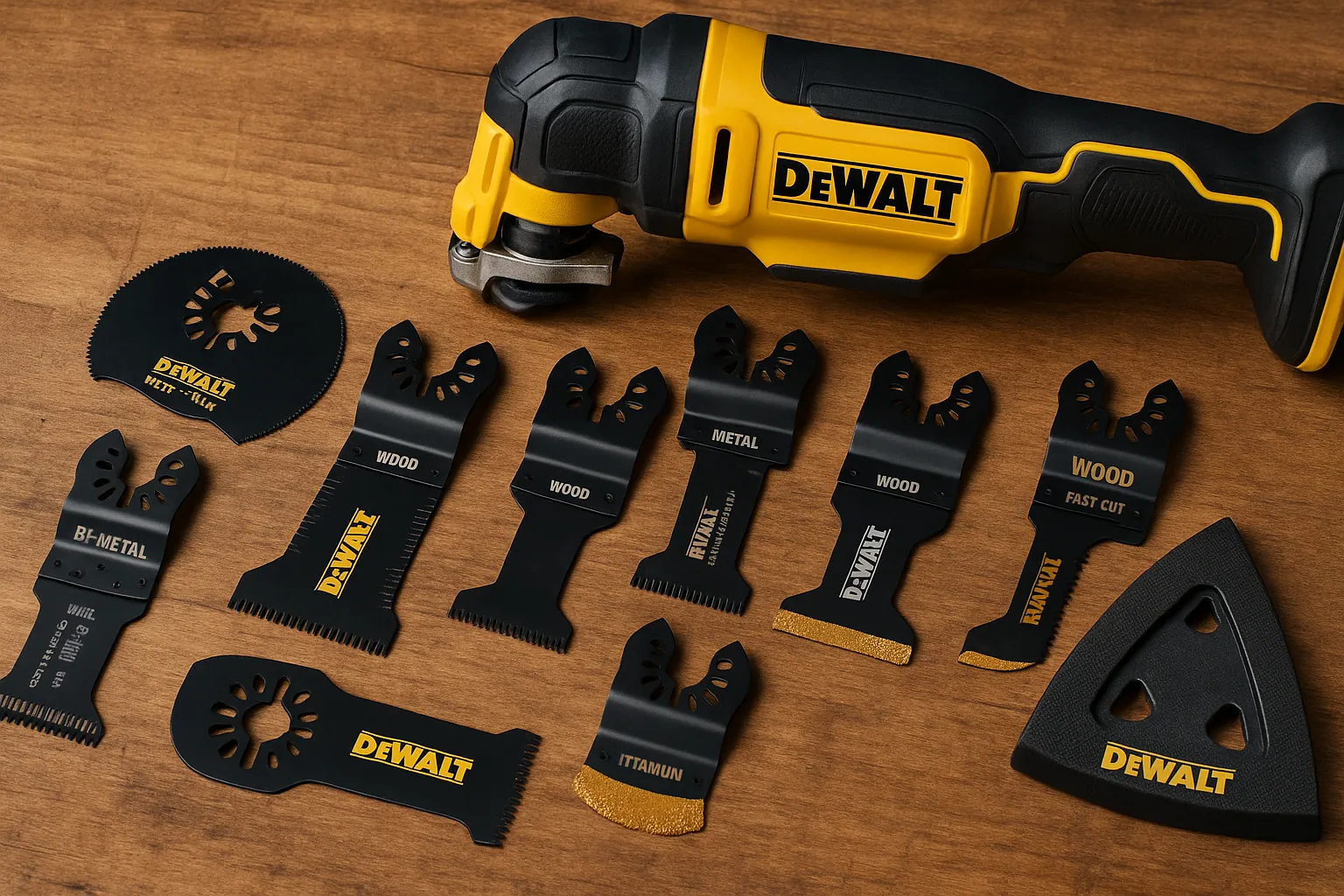
You should stop using the tool immediately if you notice smoke, a sharp burning smell, or if the head assembly feels physically detached from the body. These are definitive signs of catastrophic internal electrical failure or broken mechanical linkages that pose a fire hazard.
If the tool is out of warranty and vibration persists after cleaning the mount and installing a brand-new blade, the internal drive bearings are likely worn beyond repair. A common mistake is attempting to lubricate these sealed bearings; this only attracts debris and accelerates failure. In these specific cases, a professional repair is rarely a sound investment compared to buying a modern, more efficient version of the tool.
Related guides
- Corded vs Cordless Oscillating Tools: The Buying Verdict
- 10 Best Oscillating Multi-Tools for DIYers and Pros Reviewed
- 8 Best Oscillating Tool Blades for Cutting Metal, Nails, Screws
Frequently Asked Questions
Can I use any brand of blade with my oscillating tool?
No, you should only use blades designed for your specific mounting system. While many blades are universal, using an incompatible blade can lead to a poor fit that causes the tool to vibrate or even eject the blade during use.
Is it safe to use a tool that vibrates this much?
It isn’t safe to continue using a tool that vibrates excessively because it can cause hand fatigue and lead to a loss of control. If you can’t stop the vibration by tightening the blade or changing the speed, you should stop using it immediately.
Why does my tool vibrate more on some materials?
Different materials cause blade bounce due to inconsistent density. Harder materials like metal or dense hardwoods require slower speeds and sharper blades to prevent tool shaking.
Conclusion
Keeping your equipment in top shape ensures you’ll finish every project safely and efficiently. If the shaking persists after you’ve checked your gear, it’s best to inspect the internal motor brushes for wear. Don’t hesitate to reach out to the manufacturer if you suspect a deeper mechanical fault with your unit.