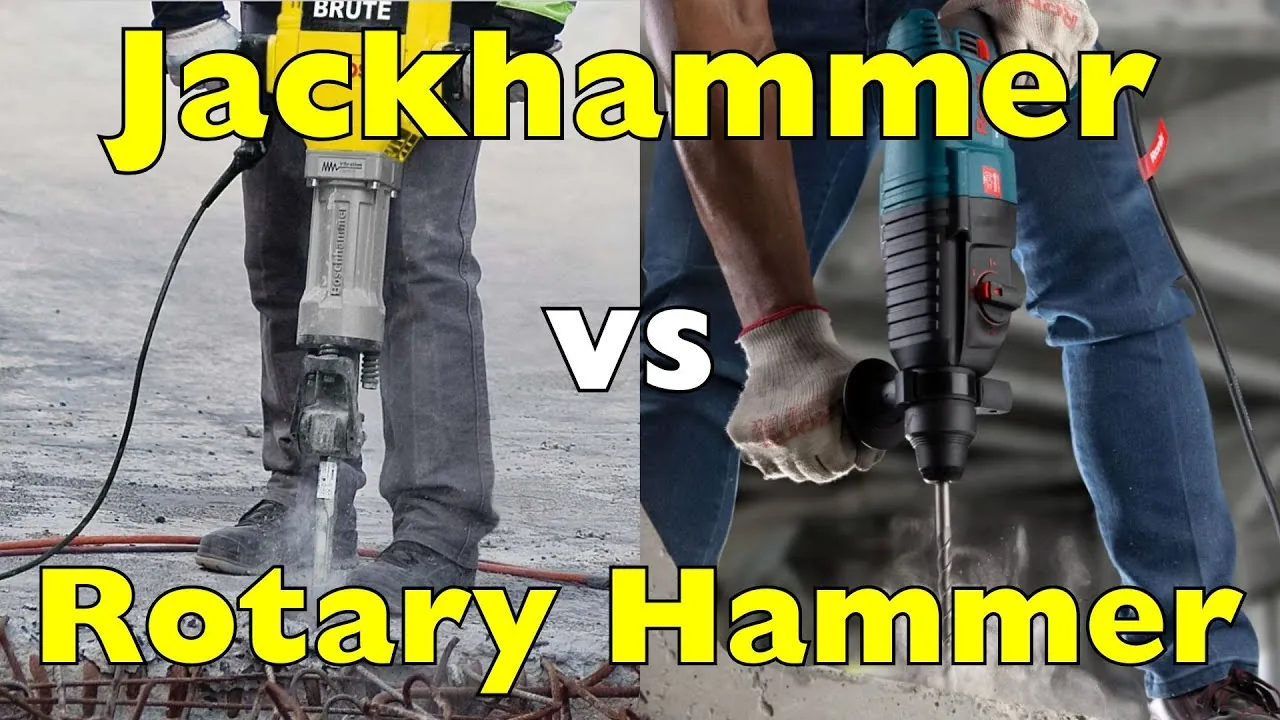
Rotary Hammer vs. Demolition Hammer: Which Tool for Breaking Concrete?
For most home renovation projects, choosing between a rotary hammer vs. demolition hammer: which tool for breaking concrete? Comes down to whether you need to drill holes or just chip away material. If you need to anchor bolts or pipes, use a rotary hammer; if you must break up a slab, use a demolition hammer.
Comparing Rotary and Demolition Hammers for Breaking Concrete
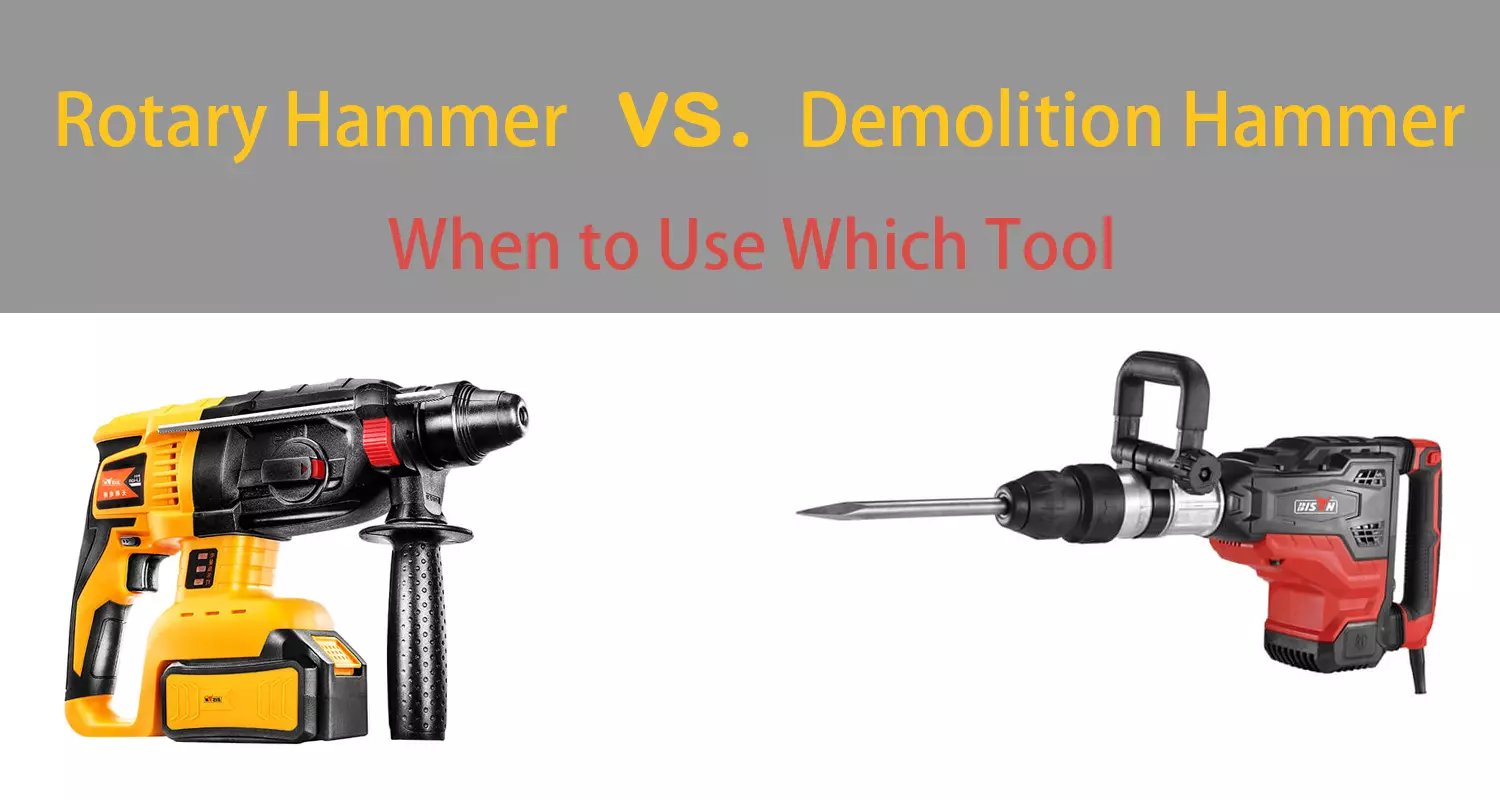
Choosing the right tool depends on the scale of your project and the hardness of the material. A rotary hammer provides the spinning action needed for drilling, while a demolition hammer delivers pure impact force to break masonry. The table below outlines the primary differences for your decision.
| Method | How long | Effort | Cost | Best for |
|---|---|---|---|---|
| Rotary Hammer | Fast | Low | Medium | Drilling holes |
| Demolition Hammer | Moderate | High | High | Breaking slabs |
| Chipping Hammer | Slow | High | Low | Light removal |
If you’re working on a thick foundation, a demolition hammer is required because it uses a heavier piston. If you’re only installing a few wall anchors, a rotary hammer is sufficient and much easier to handle for long periods.
Using a Rotary Hammer
A rotary hammer is best when you need to drill into concrete or brick. It uses a piston mechanism to strike the bit while it rotates, which is much more efficient than a standard drill.
- Select a carbide-tipped SDS-plus bit for the diameter of your anchor.
- Set the tool to “hammer drill” mode using the side-mounted dial.
- Apply steady pressure and let the tool do the work to prevent overheating.
- Clear dust from the hole periodically to keep the bit from binding.
This tool is excellent for precise work like mounting shelves or electrical conduits. Its main weakness is a lack of raw power for heavy demolition, as it’s designed for precision rather than mass material removal. Always wear eye protection as required by the Occupational Safety and Health Administration when operating power tools.
Operating a Demolition Hammer
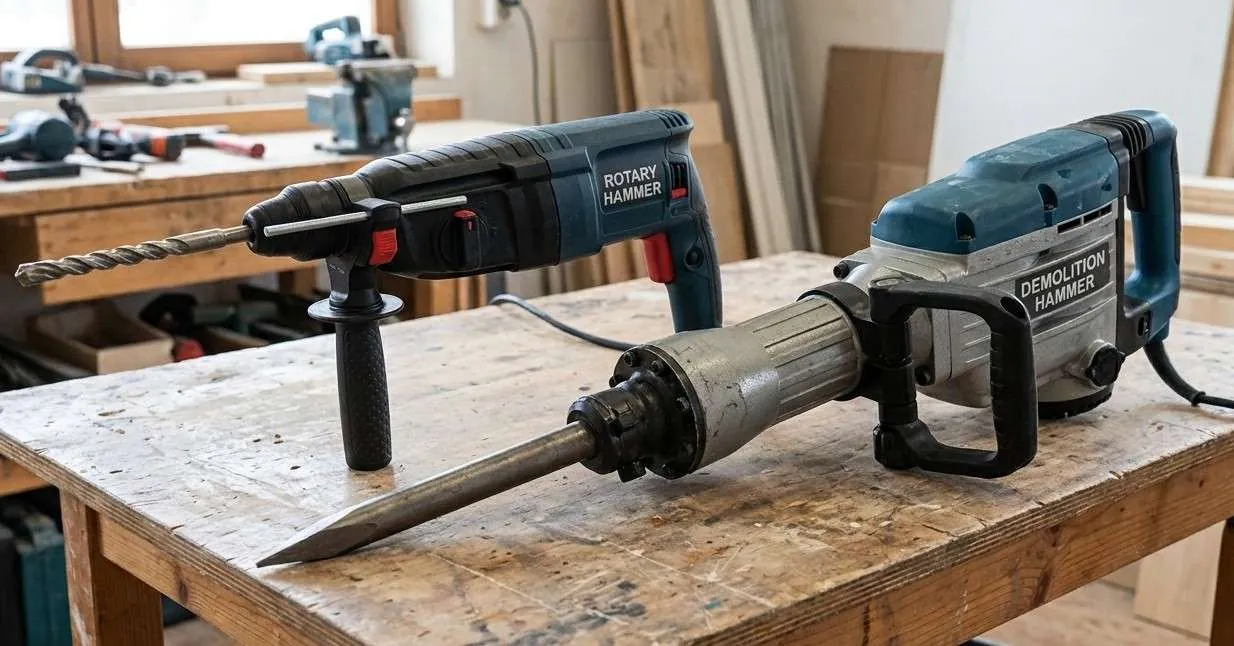
Demolition hammers are designed specifically for breaking up floors, sidewalks, and thick walls. These tools don’t rotate the bit, which allows them to focus 100% of their energy on high-impact striking.
- Choose a bull point or flat chisel bit based on your task.
- Position the chisel at a 45-degree angle to the edge of the slab.
- Allow the weight of the tool to drive the bit into the material.
- Work in small sections rather than trying to break the entire slab at once.
They’re incredibly strong and save hours of manual labor on large concrete removal jobs. The downside is their weight; these machines are heavy and can cause significant fatigue if used for more than an hour at a time.
Choosing a Chipping Hammer
Chipping hammers are lighter versions of demolition tools, perfect for removing tile, mortar, or thin layers of concrete. They’re ideal for surface preparation rather than structural demolition.
- Attach a scaling chisel or wide flat blade to the chuck.
- Hold the tool at a shallow angle to slide the bit under the surface.
- Use short, controlled bursts to lift material without damaging the subfloor.
- Replace the bit immediately if the tip becomes dull or chipped.
These tools are highly maneuverable and great for vertical wall work where a heavy demolition hammer would be too tiring. Their primary limit is the thickness of the material; if you try to break a slab thicker than four inches, you’ll find the progress is too slow to be practical.
Which tool for breaking concrete should you use?
When you’re in a hurry to clear a large area, a demolition hammer is the clear winner because its high impact energy breaks concrete quickly. If you’re doing this for the first time, a rotary hammer is the safer choice because it’s lighter and easier to control during operation.
When you want the best possible result for a professional finish, you should use both: a demolition hammer for the heavy removal and a rotary hammer for the final cleanup of bolt holes. The trade-off is always between the weight of the tool and the speed of the removal.
Essential rules for concrete work
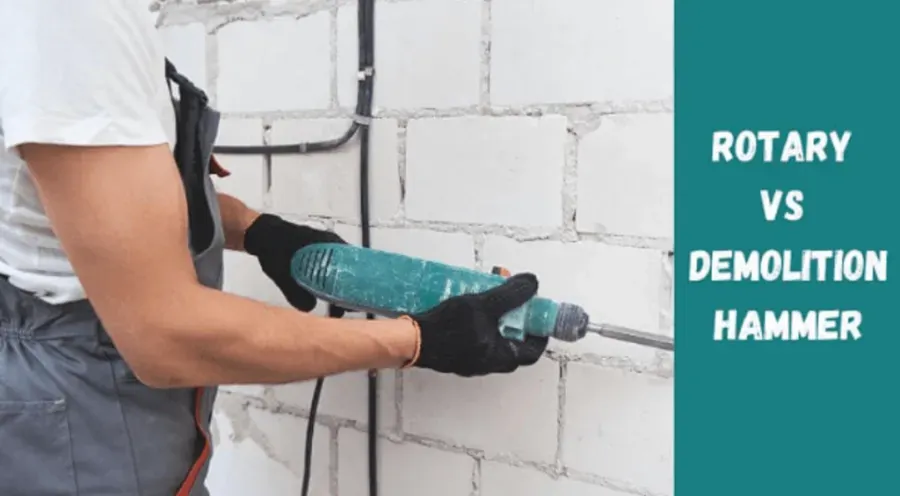
Regardless of the tool you pick, you must verify that the power supply matches the tool’s voltage rating to avoid motor damage. Always clear the workspace of debris before starting to ensure a stable footing. Check your bit or chisel periodically for signs of fatigue or heat discoloration, as a dull bit forces the motor to work harder than intended.
If you’re working on a job site with electrical lines, you must identify where cables are buried before you begin. If you don’t have experience with site safety, contact a professional contractor to avoid hitting utility lines.
Frequently Asked Questions
Can I use a regular drill for concrete?
No, a regular drill lacks the internal piston needed to penetrate hardened concrete and will likely burn out its motor. You must use a rotary hammer or a hammer drill that features a dedicated hammering mechanism to effectively break through masonry.
How long can I run a demolition hammer?
Follow the manufacturer’s specific duty cycle recommendations for your tool to prevent overheating. If the tool housing becomes too hot to touch, you must stop immediately and let it cool in a well-ventilated area to prevent permanent mechanical failure.
Is it safe to break concrete indoors?
Yes, but you must wear a respirator to protect against silica dust and use a vacuum attachment to capture debris. Always ensure the floor can support the weight of the tool and the impact forces, especially if you’re working on an upper level.
What happens if I hit a rebar?
If your bit strikes metal reinforcement, stop immediately and move your starting point at least two inches away from the obstruction. Continuing to hammer against steel will destroy the tungsten carbide tip of your bit and can cause the tool to kick back unexpectedly.
How do I know which bit to use?
Use a bull point bit for heavy, aggressive breaking and a flat chisel bit for controlled removal or shaping. If you’re drilling, always match the bit shank to the tool’s specific chuck type, such as SDS-plus for smaller tools or SDS-max for heavy-duty hammers.
How much pressure should I apply?
Apply only enough pressure to keep the bit against the surface, letting the tool’s internal mechanism provide the striking force. Pushing too hard doesn’t break concrete faster; it only increases vibration, leads to premature tool wear, and causes significant user fatigue.
Conclusion
Before you head to the hardware store, take a quick look at your project site to see how thick the concrete really is. Once you’ve measured the depth, you’ll feel much more confident about which rental fits the job. You’ll save yourself a lot of time and effort by picking the right one.