How to Use a Rotary Hammer Drill Safely: A Beginner’s Guide
To drill into concrete or masonry safely, you must grip the tool with both hands, wear eye protection, and ensure you’re using the correct bit for the material. Mastering safe operation of a rotary hammer drill is essential for preventing injury and protecting your equipment from unnecessary wear.
Understanding the rotary hammer
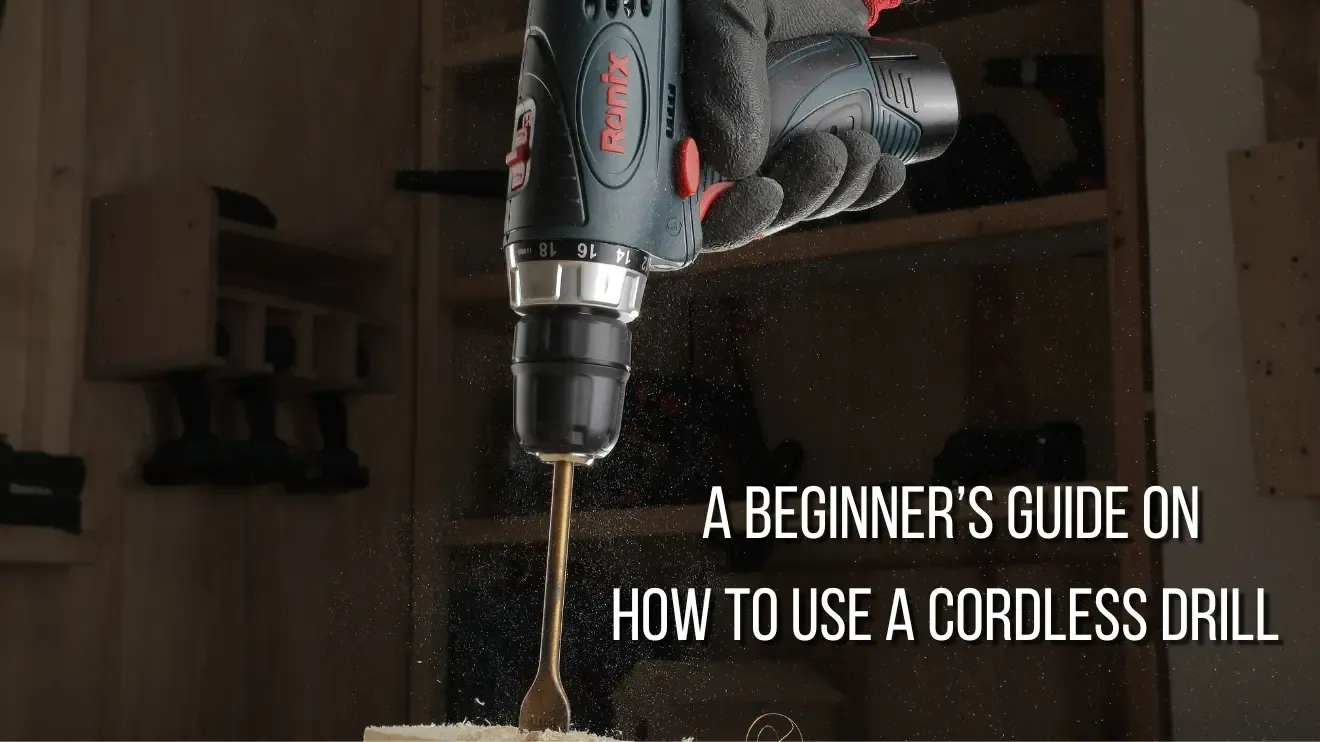
A rotary hammer is a powerful tool designed to drill through hard surfaces like concrete, brick, and stone. Unlike a standard drill, it uses a piston mechanism to deliver high-impact force alongside a rotating motion. This makes it perfect for heavy-duty work like installing anchors or breaking up small patches of masonry. If you’re drilling into wood or metal, use a standard drill instead; rotary hammers are too aggressive for those soft materials and will likely ruin the workpiece.
Steps to use a rotary hammer drill safely
- Select the correct SDS-plus or SDS-max bit for your job. Insert the bit into the chuck by pulling back the collar and pushing the bit in until it clicks into place.
- Set the tool to the “hammer drill” mode using the selector switch. Never change modes while the tool is running, as this can damage the internal gears.
- Mark your drill hole with a pencil or center punch. This prevents the bit from “wandering” when you first start.
- Position the drill tip against your mark. Hold the main handle with your dominant hand and the side handle with your other hand.
- Apply steady, firm pressure. Let the tool’s impact mechanism do the work; if you feel the need to lean your body weight into it, your bit is likely dull.
- Pull the trigger slowly to start the hole. Keep the tool straight to avoid binding the bit.
- Once finished, stop the drill completely before pulling the bit out of the hole.
The most common mistake is pushing too hard, which causes the motor to overheat and the bit to snap. If the drill feels like it’s struggling, stop immediately and check if your bit is clogged with debris.
Essential settings and adjustments
| Situation | What to use | How long | What to watch for |
|---|---|---|---|
| Drilling small holes | 1/4″ carbide bit | 30 seconds | Dust buildup |
| Deep masonry work | 1/2″ bit or larger | 2 minutes | Motor heat |
| Chiseling concrete | Chisel attachment | 5 minutes | Tool vibration |
| Removing old tile | Wide scraper blade | Constant use | Surface damage |
Always follow the Occupational Safety and Health Administration guidelines regarding crystalline silica exposure. This is a real risk when drilling into concrete, so you should use a dust extraction system or a vacuum attachment to keep the air clean.
Expert habits for better results
Professionals always check the surface for hidden electrical wires or pipes before starting. They use a stud finder or a wall scanner to ensure the drilling path is clear. If you hit something hard that isn’t concrete, stop and investigate; drilling into a water pipe or electrical conduit is dangerous and costly to repair.
Experienced users also keep their bits cool. Allow the bit to air cool naturally if it becomes hot; don’t quench it in water. Never force the drill if it stops moving; pull it out, clear the hole, and start again.
Common problems and quick fixes
| What you notice | What it usually means | What to do first |
|---|---|---|
| Bit gets stuck | Material is too hard | Reverse and pull out |
| Excessive dust | Inadequate extraction | Use a shop vac |
| Drill vibrates hard | Bit is loose | Re-seat the bit |
| Motor smells hot | Overheating | Stop and let cool |
Legal and safety requirements
Operating a rotary hammer requires adherence to local job site safety rules. If you’re working on a commercial site, you may need specific training or certification regarding vibration exposure and silica dust. Always wear safety glasses and hearing protection, as these tools produce noise levels that can damage your ears over time. If you’re unsure about the structural integrity of the wall you’re drilling into, consult a professional contractor before you begin any work.
Maintenance and storage
Keep your drill clean by wiping it down with a dry cloth after every use. Never store the tool in a damp area, as moisture can cause the internal piston to rust. Before storing, remove the drill bit from the chuck to prevent it from getting stuck due to oxidation. If the chuck becomes difficult to open, apply a small amount of machine oil to the collar to keep it moving smoothly.
When to use a different approach
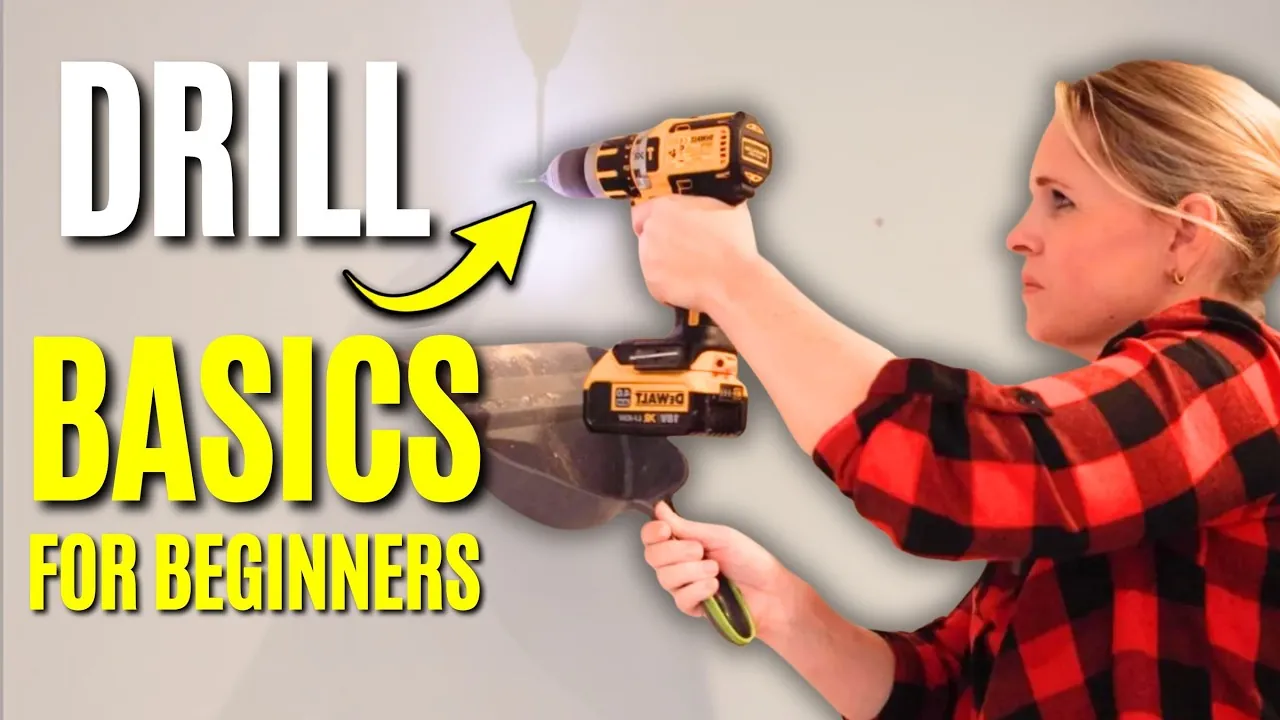
If you’re drilling into delicate materials like soft tile or thin brick, a rotary hammer is often too powerful and will crack the surface. In these cases, use a standard drill with a diamond-tipped masonry bit and turn off the “hammer” function.
Similarly, if you need to drill a hole larger than 2 inches in diameter, a core drill is the correct tool. Using a rotary hammer for holes that large will cause the tool to bind and kick back, which can cause wrist injuries.
Frequently asked questions
Can I use a rotary hammer for normal drilling?
No, you should only use it for masonry and concrete. For wood or metal, use a standard drill to avoid damaging the material or breaking your drill bits.
How long can I drill continuously?
You should stop every 3 to 5 minutes to let the motor cool down. This assumes you’re drilling into standard concrete; if the material is reinforced, stop more often.
Is it safe to drill near electrical outlets?
No, never drill within 6 inches of an electrical box or outlet. Use a wall scanner to verify there are no hidden wires behind the surface before you start.
Why is my drill bit getting hot?
It’s getting hot because of the friction against the concrete. Allow the bit to air cool between holes to prevent thermal damage to the carbide tip.
What happens if I hit rebar?
If you hit steel rebar, the drill will stop abruptly or vibrate violently. Stop immediately, as hitting rebar can shatter standard masonry bits and damage the drill’s clutch.
Conclusion
The key to successful drilling is patience and the right equipment for the specific surface you’re working on. Always prioritize your personal safety by using proper protective gear and staying alert to the tool’s performance.