Hammer Drill Overheating: Causes and How to Fix It
When a hammer drill starts showing signs of extreme heat, it’s usually because the motor is being forced to work harder than its design allows or the ventilation paths are blocked.
Why your hammer drill is overheating
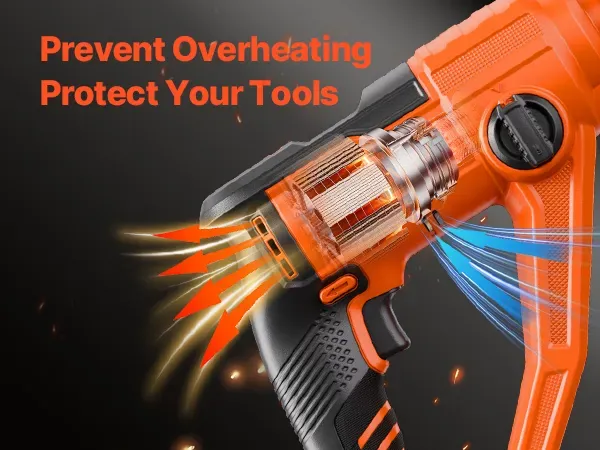
Most instances of a tool getting too hot happen because of how it’s being used or maintained rather than a factory defect. Motors generate heat as they convert electricity into mechanical force, and this heat must escape through the air vents to keep the internal components from melting.
- Excessive pressure: If you push the drill into the material instead of letting the bit and the hammer action do the work, the motor draws more current than it can handle.
- Blocked vents: Dust and debris buildup inside the cooling slots restrict the airflow necessary to pull heat away from the motor.
- Dull accessories: Using a blunt masonry bit requires significantly more torque and power to penetrate the surface, which causes the motor to labor and heat up rapidly.
- Duty cycle limits: Every power tool has a limit on how long it can run at maximum capacity before it needs a rest period to dissipate heat.
How to Check and Cool Your Drill
If you notice the tool getting hot, follow these steps to bring the temperature down safely and verify that nothing is broken.
- Stop immediately: Release the trigger and unplug the tool or remove the battery to cut off the power source.
- Clear the vents: Use a soft-bristled brush or a can of compressed air to remove any dust or concrete particles blocking the intake and exhaust slots.
- Inspect the bit: Check if the masonry bit is dull or chipped, as a damaged bit creates excessive friction that transfers heat directly back into the drill chuck.
- Cool it down: Place the drill in a well-ventilated area away from direct sunlight and let it rest for at least 15 to 20 minutes before attempting to use it again.
- Test at low speed: Once cool, run the drill without a load for 30 seconds to ensure the internal fan is moving air properly and there are no grinding noises.
Tip: Never submerge or spray your power tool with water to cool it down, as this will cause immediate electrical shorts and permanent corrosion.
Temperature and Usage Guidelines
Different materials demand different levels of power. When you work with harder materials, you must adjust your technique to avoid pushing the motor past its thermal limits.
| Material Type | Recommended Speed | Relative Heat Risk |
|---|---|---|
| Soft Brick | Low to Medium | Low |
| Standard Concrete | Medium | Moderate |
| Reinforced Concrete | High | High |
| Dense Natural Stone | High | Very High |
If you’re working in high-heat environments or confined spaces, the tool will reach its thermal limit faster than it would in an open workshop.
When to Seek Professional Repair
You should consider the tool beyond repair if you notice a distinct smell of burning plastic or ozone coming from the vents even after the tool has cooled down. This often indicates that the internal insulation on the motor windings has melted, which creates a significant electrical fire risk. Additionally, if the drill feels hot after only a few seconds of light, no-load operation, the internal cooling fan or the motor bearings have likely failed.
If the tool is still under warranty, don’t attempt to open the housing, as this voids your coverage and often violates safety standards for electrical equipment. A professional technician can determine if the motor needs a simple brush replacement or if the entire assembly is damaged. If the cost of the repair exceeds 50% of the price of a new unit, it’s usually more practical to replace the tool entirely.
Frequently Asked Questions
Can I use a fan to cool my drill faster?
Yes, using an external fan to blow air across the vents while the drill is off is safe and effective. It helps move heat away from the housing, but you must ensure the drill is completely dry and free of debris before starting it again.
Does the battery type affect overheating?
Yes, older or damaged battery packs can create excessive internal resistance, which generates heat that travels into the drill handle. If the battery pack itself feels significantly hotter than the drill body, stop using it immediately as it may be nearing the end of its life.
Is it normal for the chuck to be hot?
It’s normal for the drill bit and the metal chuck to get hot due to friction, but this heat shouldn’t transfer into the plastic body of the drill. If the chuck is hot enough to burn your skin, your bit is likely dull or you’re applying too much pressure.
Conclusion
Keep a spare bit on hand to swap out as soon as the current one loses its edge, which prevents the motor from straining against stubborn material. If you find yourself constantly battling high temperatures, evaluate whether your drill model is rated for the heavy-duty masonry work you’re performing.