
Hammer Drill vs Regular Drill: How to Choose the Right Tool
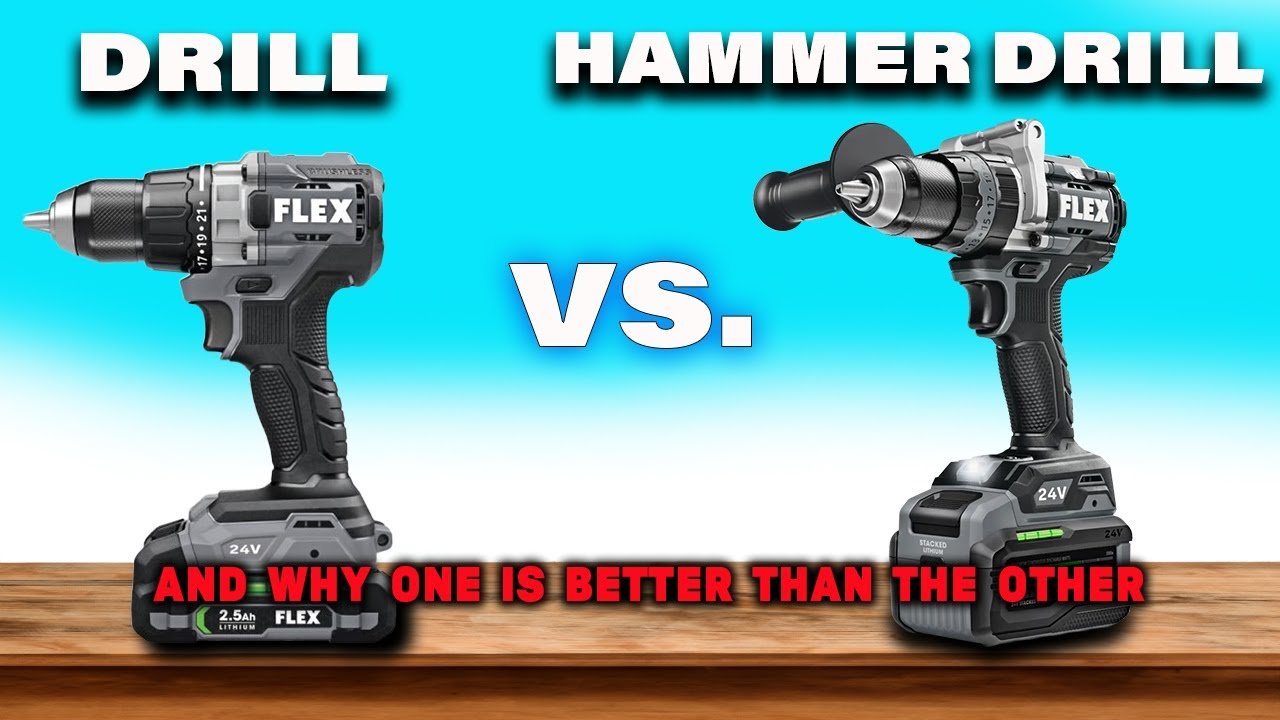
Choosing between a hammer drill and a regular drill depends on whether you need to bore holes into soft materials like wood or hard masonry like concrete. A regular drill spins a bit to create holes, whereas a hammer drill adds a rapid pounding motion to the rotation, which helps shatter and clear dense material like brick or stone.
Choosing between a hammer and regular drill
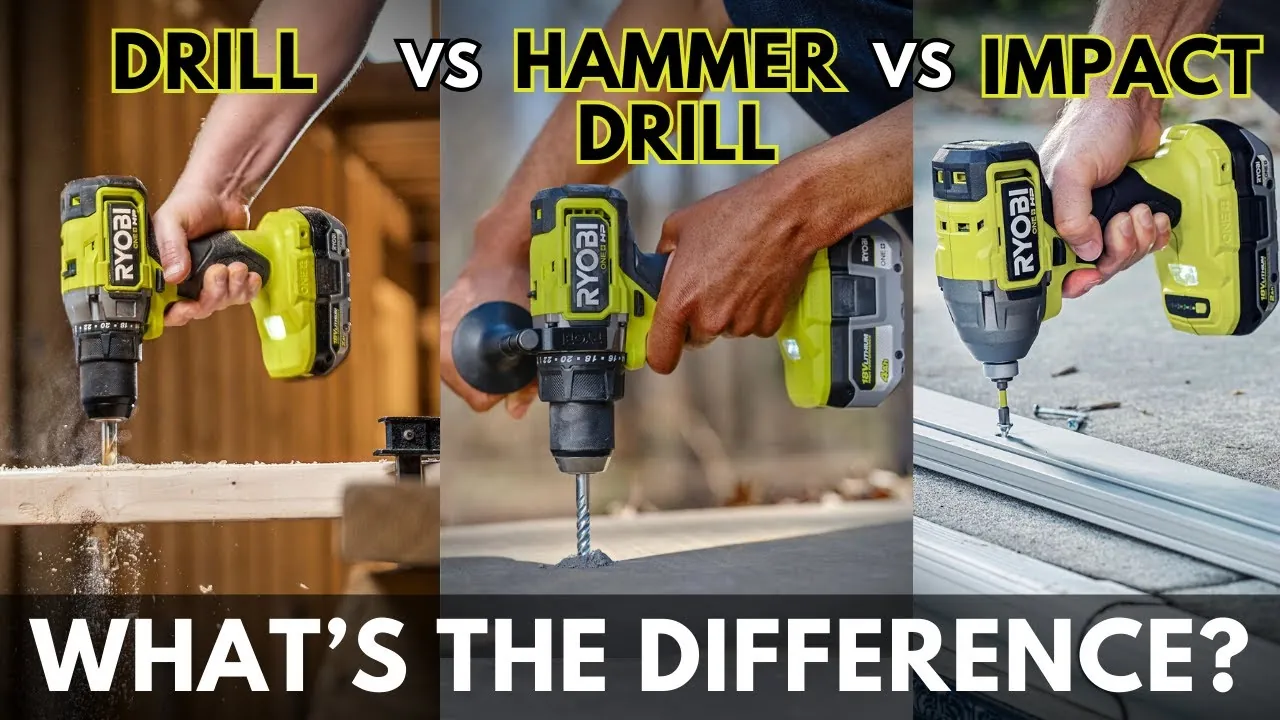
You should pick your drill based on the density of the surface you’re working on. A regular drill is lighter and easier to handle for everyday tasks around the home, such as hanging pictures or assembling furniture. It relies entirely on rotational speed to cut through materials. In contrast, a hammer drill is a specialized tool designed for structural work where you need to anchor items into masonry.
The mechanical action of a hammer drill turns a standard bit into a chisel-like tool. Using this force on wood can cause splintering, while using a regular drill on solid concrete will often cause the bit to overheat and dull quickly without making meaningful progress. If you’re uncertain about the material, start with a regular drill on a low speed to test the surface resistance.
| Feature | Regular Drill | Hammer Drill |
|---|---|---|
| Primary Action | Rotation only | Rotation and impact |
| Best Material | Wood, metal, plastic | Brick, stone, concrete |
| Weight | Lightweight | Heavy and bulky |
| Typical Use | Assembly, small holes | Masonry anchors, heavy duty |
Key Differences in Performance
The core difference lies in the internal mechanism that drives the bit forward. A hammer drill uses two notched metal discs that slide against each other to create a rapid “hammering” effect. This action is measured in blows per minute, or BPM.
Most models allow you to switch this feature off, meaning a hammer drill can function as a regular drill when needed. However, these tools are typically heavier, which can make them tiring to hold for long periods during simple tasks.
A regular drill is built for precision and control. Because it lacks the internal hammer mechanism, it’s usually more compact and comfortable for tight spaces. When you’re drilling into metal or wood, you need a steady hand and consistent speed rather than the jarring impact of a hammer drill. Trying to use a hammer drill for delicate work often leads to inaccurate holes or damaged workpieces.
Tip: Always use masonry-rated bits with a hammer drill, as standard wood or metal bits aren’t designed to withstand the high-impact force and will likely shatter during use.
Avoiding Common Mistakes
The most frequent error is using the hammer setting on materials that aren’t masonry. This mistake ruins your bits and leaves a messy, jagged hole in your material. Another common issue is applying too much pressure. You should let the tool do the work, especially when the hammer action is engaged. Pushing down with your body weight can cause the bit to bind or snap.
Always keep your drill vents clear of dust and debris. Hammer drilling produces fine concrete powder that can easily clog internal components if it gets inside the motor. If you notice your drill losing power or smelling like hot plastic, stop immediately and let the motor cool down. Overheating is a sign that you’re either using the wrong tool for the task or that the bit has become too dull to cut effectively.
Safety and Maintenance
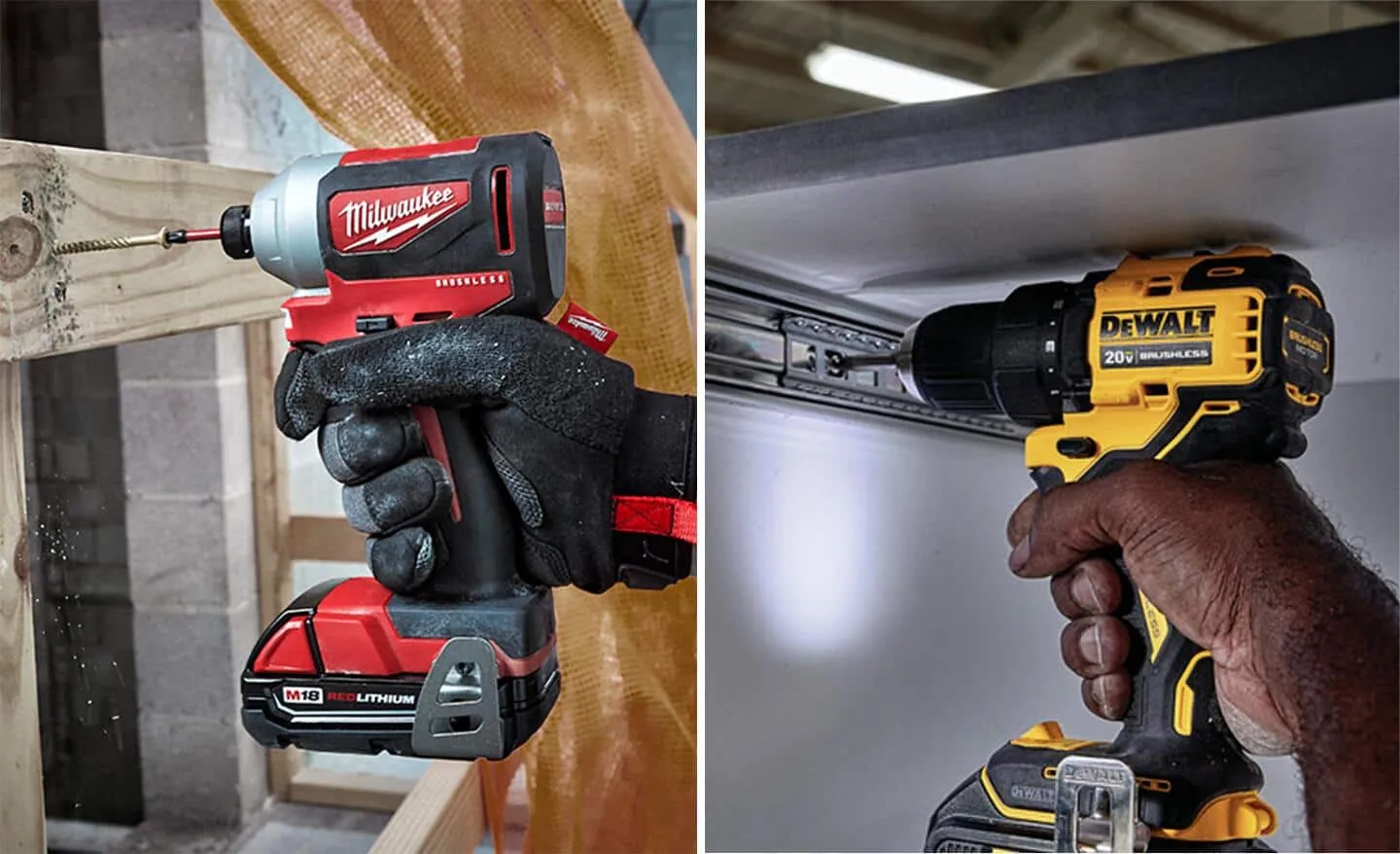
Safe operation requires that you maintain a firm grip and proper stance. Because hammer drills have high torque, they can jerk suddenly if the bit gets stuck in the material. You must ensure that your drill is set to the correct mode before you begin. The Occupational Safety and Health Administration provides guidance on the proper use of powered hand tools to prevent injury.
Always wear safety glasses, as concrete dust and chips fly at high speeds when using a hammer drill. If you’re drilling for more than a few minutes, hearing protection is also recommended. Check your cord or battery condition before every session.
A frayed cord or a damaged battery pack can pose a serious fire or shock risk. If the tool housing is cracked or the chuck doesn’t hold the bit tightly, have it inspected by a qualified service technician before attempting further work.
Frequently Asked Questions
Can I use a hammer drill for wood?
Yes, you can use a hammer drill for wood, provided you switch the hammer function off. If you leave the hammering action on, it will likely splinter the wood and create a jagged, oversized hole that won’t hold a screw securely.
Do I need special bits for a hammer drill?
Yes, you need masonry bits to handle the impact force. These bits have a hardened carbide tip that resists the stress of the hammering motion, whereas standard bits are too brittle and will break under the pressure.
Is a hammer drill worth the extra cost?
It’s worth the investment only if you frequently work with concrete, brick, or stone. For basic household repairs and furniture assembly, a standard drill is more affordable, lighter, and easier to control for delicate tasks.
Conclusion
If you’re planning a project that involves mounting hardware to concrete walls, rent or purchase a hammer drill to save time and prevent equipment damage. For all other household tasks, stick to a standard drill to ensure better accuracy and comfort. Identify your primary material before starting your next project.

One Comment