Angle Grinder vs. Die Grinder: Differences and Which to Buy
Choosing between an angle grinder vs. a die grinder: differences, uses, and which to buy depends on whether you need high-torque material removal on large surfaces or precision shaping in tight spaces. You should pick an angle grinder for heavy-duty cutting and grinding, while a die grinder is the right tool for intricate metalwork, porting, and deburring small areas.
Comparing Grinding Tool Capabilities
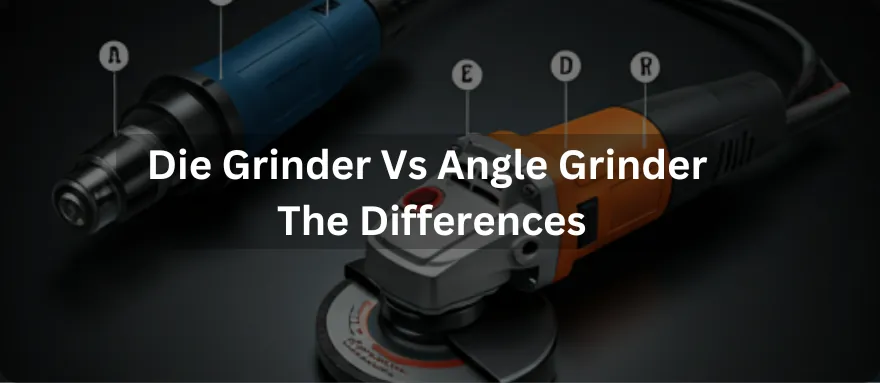
The choice between these tools often comes down to the scale of your project and the space available to work. An angle grinder provides the raw power needed for structural tasks, whereas a die grinder offers the maneuverability for fine finishing.
| Method | How long | Effort | Cost | Best for |
|---|---|---|---|---|
| Angle Grinder | Fast | High | Medium | Cutting/Grinding |
| Die Grinder | Slow | Medium | Low | Fine Detail |
| Bench Grinder | Steady | Low | Low | Sharpening |
If you have a large surface, use an angle grinder; if the space is smaller than your hand, use a die grinder. The main trade-off is power versus precision. You should check the official tool specifications from the Consumer Product Safety Commission to understand the safety requirements for operating handheld power tools.
Angle Grinders for Heavy Work
An angle grinder is designed for aggressive material removal, such as cutting rebar, grinding welds, or stripping rust from large metal plates. These tools use larger discs that spin at high speeds to plow through tough materials.
- Secure your workpiece with clamps to ensure it doesn’t move during the high-torque process.
- Select the correct abrasive disc for your material, ensuring the disc rating matches your grinder’s RPM.
- Hold the grinder with both hands and maintain a steady, light pressure to let the tool do the work.
- Keep the guard positioned between the disc and your body to deflect sparks and debris.
These machines excel at heavy demolition and thick metal fabrication. Their weakness is a lack of control; they’re too bulky for delicate work and can easily gouge your material if you lose focus for even a second.
Die Grinders for Precision Tasks
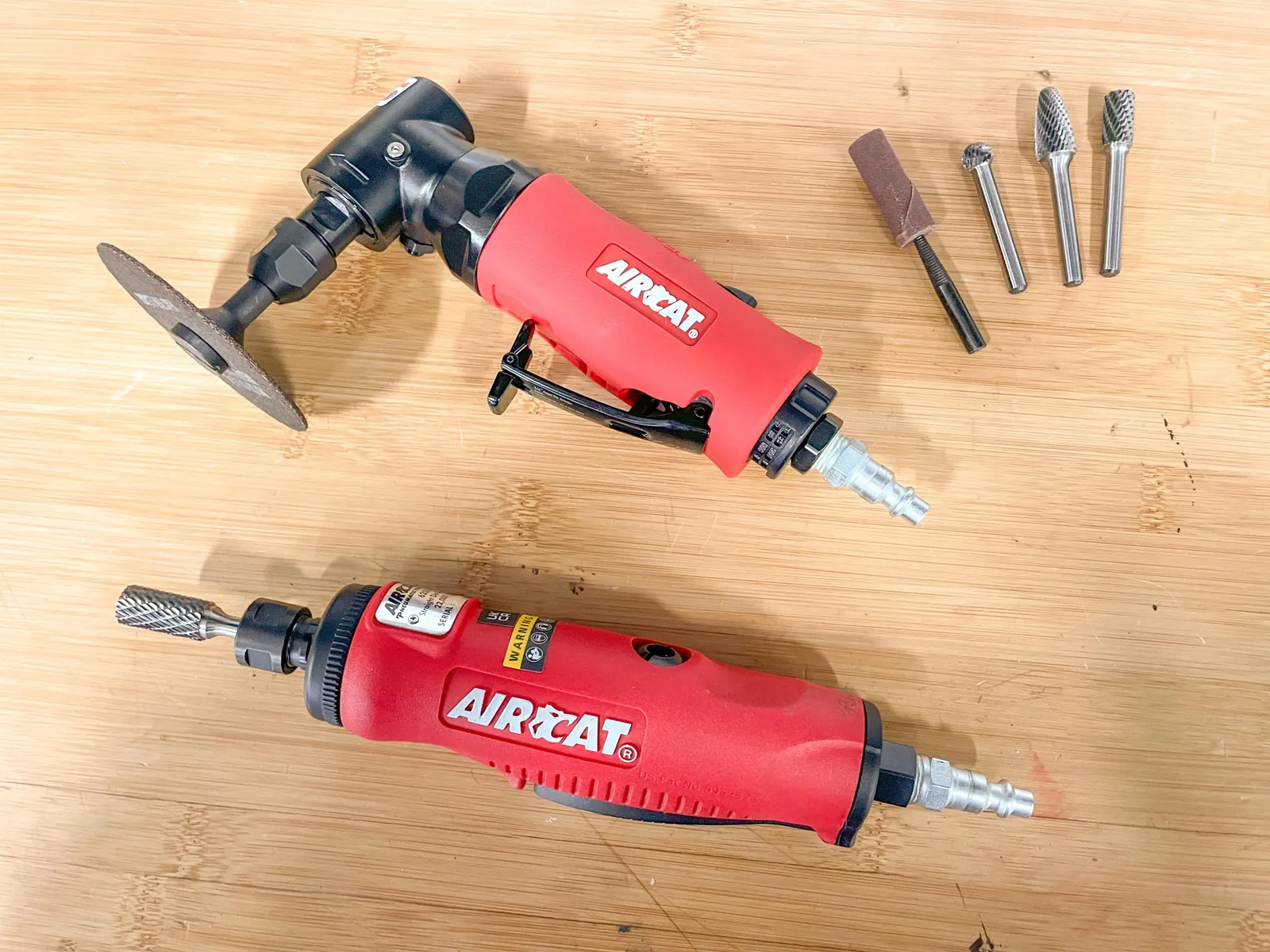
A die grinder is a compact, high-speed tool used primarily with small burrs or mounted points. It’s the go-to choice for mechanics and fabricators who need to reach into tight engine ports or smooth out rough edges on custom metal parts.
- Insert your chosen burr into the collet and tighten the nut firmly using the provided wrenches.
- Connect your air supply or turn on the electric motor to reach the necessary operating speed.
- Use a light, constant motion to guide the burr across the metal surface.
- Keep the tool moving constantly to avoid creating flat spots or deep grooves in your work.
These tools are perfect for finishing work and custom shaping. The catch is the collet size; most handheld units only accept 1/4-inch or 1/8-inch shank accessories, so you must check your specific model’s capacity before buying bits.
Bench Grinders for Stationary Tasks
A bench grinder is a fixed station tool mounted to a workbench. It’s used for sharpening chisels, drill bits, and cleaning small metal parts that you can easily hold with your hands.
Ensure the tool rests on a level, stable surface and is bolted down securely. If the grinder vibrates, your bolts are likely loose or the mounting surface is too thin to absorb the torque.
Adjust the tool rest so it sits within 1/8-inch of the grinding wheel. If the gap is wider, small parts can get wedged between the wheel and the rest, causing the wheel to shatter.
Turn the machine on and wait for it to reach full speed before touching metal to the wheel. Applying pressure while the motor is still spooling up creates uneven wear patterns.
Apply even pressure and quench the metal in water every five seconds. If the steel turns blue or straw-colored, you have ruined the temper and the edge will lose its sharpness almost immediately.
Their weakness is that they aren’t portable. You must bring your workpiece to the bench, which makes them useless for large-scale fabrication or on-site repair work.
Choosing the Right Grinder
When you’re in a hurry to cut through thick metal, an angle grinder is the clear winner because of its high torque and large disc diameter. If you’re doing this for the first time, a die grinder is often safer for small projects because it’s easier to hold and less likely to kick back. When you want the best possible result for custom fabrication, you’ll likely need both tools to handle the transition from rough cutting to fine finishing.
If you have a limited budget, start with an angle grinder since it’s more versatile for general home repairs. If your work involves specialized machining, you must prioritize the die grinder. Always remember that the power of the motor determines your cutting speed, but your control determines the quality of the final finish.
Essential Safety and Operation Rules
Regardless of the tool you choose, you must wear impact-rated eye protection and hearing protection to prevent injury from flying debris and noise. Before starting any project, inspect the power cord or air hose for cuts, and ensure the accessory is rated for the maximum speed of the tool.
Check the tool’s guard and handle position before you plug it in. If you’re using a pneumatic die grinder, you must use an inline oiler to keep the motor lubricated, or the tool will fail prematurely. If you lack experience with these tools, seek guidance from a qualified shop instructor or a professional metalworker who can demonstrate proper handling. Using these tools without training can result in serious injury, so never bypass safety guards or use damaged discs.
Frequently Asked Questions
Can I use an angle grinder for detail work?
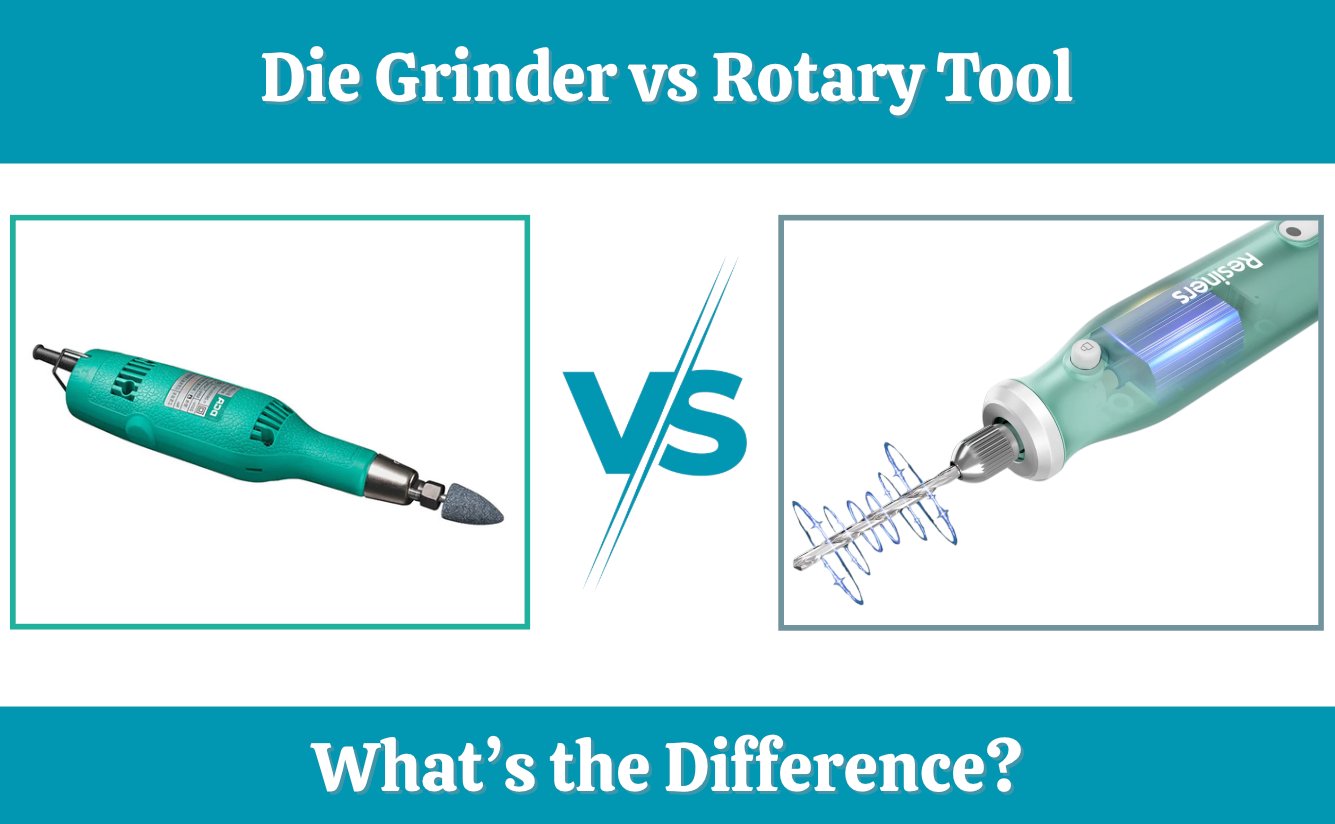
No, an angle grinder is too powerful and heavy for fine detail work. You’ll likely damage your material because the high torque makes it difficult to control the disc on small surfaces. Use a die grinder or a rotary tool for tasks that require precision and delicate material removal.
How long do grinding discs last?
The lifespan of a disc varies based on the material hardness and the pressure you apply. You can expect a standard abrasive disc to last through several hours of steady use, but you must replace it immediately if the edge chips or the diameter wears down to the point where the guard no longer offers protection.
Is it safe to use a die grinder without the proper housing?
No, it’s never safe to operate a die grinder without the proper protective housing or if the collet nut is damaged. These tools spin at very high speeds, and the accessories can shatter upon impact. Always keep the guard in place to prevent metal shards from striking your face or eyes during operation.
What happens if I use the wrong speed for my disc?
If you use a disc rated for a lower speed than your grinder’s maximum RPM, the disc can shatter during use. Always check the RPM rating printed on the abrasive disc and compare it to the label on your tool. If the tool is faster than the disc, don’t use them together.
How do I know if my grinder is broken?
A grinder is likely broken if it produces excessive vibration, makes grinding noises, or if the motor smells like burning plastic. If the tool feels unstable in your hands or the switch no longer clicks into the off position, stop using it immediately and take it to a qualified repair technician.
How much air pressure does a pneumatic die grinder need?
Most pneumatic die grinders require between 90 and 100 PSI to function at their rated power. You should check your specific model’s manual to find the exact pressure requirement, as running the tool at a lower pressure will significantly reduce its cutting speed and overall performance during your project.
Conclusion
Selecting the right tool for your shop makes every task easier and safer. Whether you need the brute force of an angle grinder or the delicate touch of a die grinder, always prioritize your safety by wearing the correct gear and inspecting your equipment before each use. A well-maintained tool will last for many years of service.