Die Grinder Safety: RPM Limits, Collets, PPE, and Workholding
Die grinders are versatile power tools that require caution because their high rotational speeds can cause dangerous failures. Operating them safely involves managing rpm limits, using correct collets, wearing protective gear, and securing workpieces to prevent injuries from flying debris. Setting up a professional kit typically costs between $150 and $450, depending on whether you select a pneumatic or electric model.
Key Takeaways
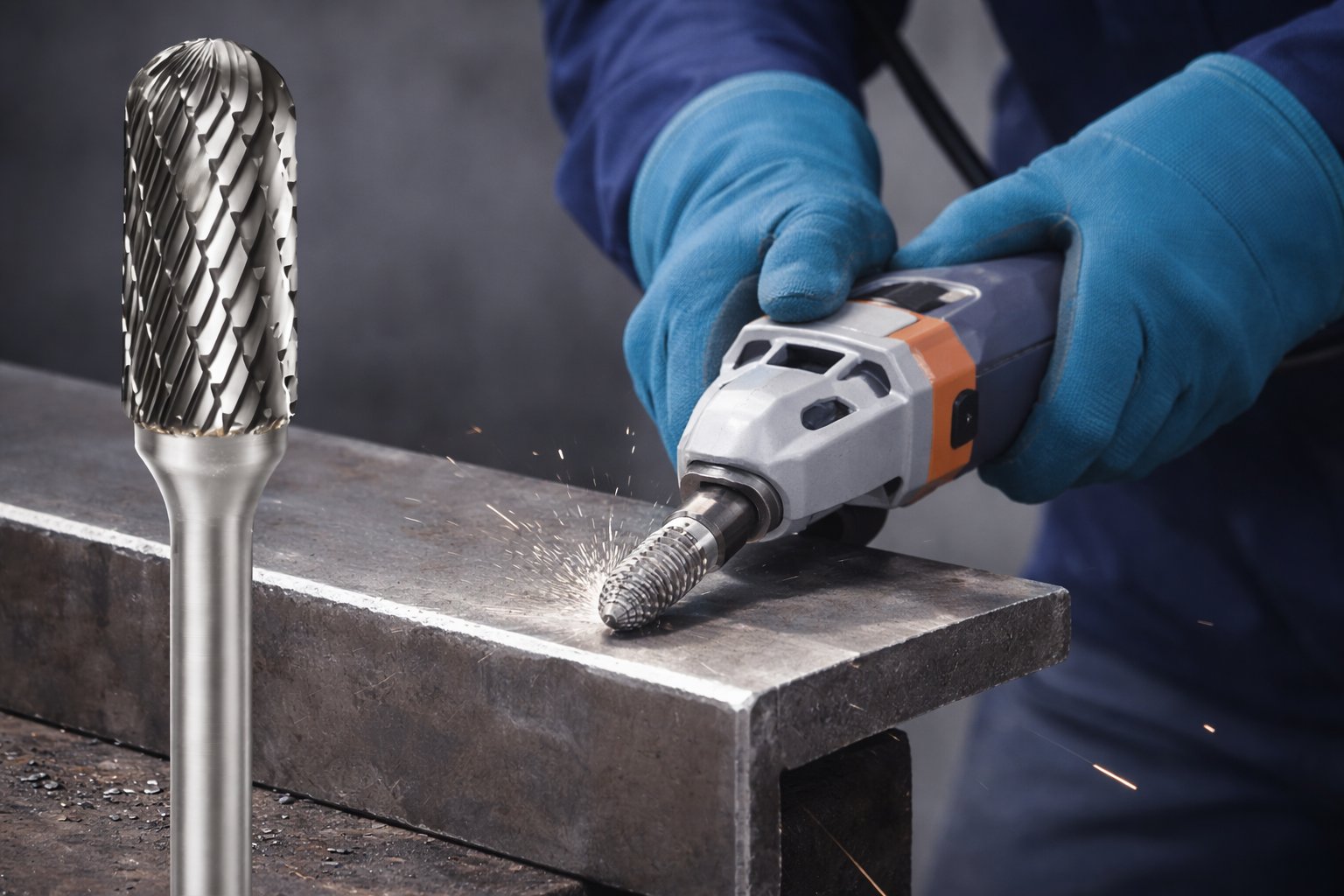
- Always verify that the rated maximum RPM of your accessory is equal to or higher than the maximum RPM of your grinder.
- Ensure the accessory shank is fully seated in the collet, but never force a shank into a collet that’s the wrong size.
- Wear impact-resistant safety glasses and a full-face shield to protect against flying debris and potential tool failure.
- Secure workpieces with heavy-duty clamps or vises to prevent movement that could cause the bit to “grab” or shatter.
- Inspect all grinding stones and carbide burrs for cracks or chips before every use to avoid explosive fragmentation.
Understanding Tool RPM Limits
The most common cause of die grinder accidents is a mismatch between the tool’s output speed and the accessory’s structural integrity. If you attach a 2-inch abrasive wheel rated for 15,000 RPM to a grinder spinning at 25,000 RPM, the centrifugal force will likely cause the disc to disintegrate. Always check the stamped markings on your burrs, wheels, and sanding discs. If the rating is missing or faded, discard the accessory immediately.
| Accessory Type | Typical RPM Range | Safety Consideration |
|---|---|---|
| Carbide Burrs | 15,000 – 30,000 | Ensure shank is fully seated |
| Mounted Points | 10,000 – 25,000 | Check for hairline cracks |
| Flap Wheels | 8,000 – 20,000 | Don’t exceed rated speed |
| Cut-off Discs | 12,000 – 25,000 | Use only with proper guard |
Proper Collet Maintenance
The collet is the heart of your tool, responsible for centering and gripping the accessory shank. A worn or dirty collet will cause vibration, which leads to premature bearing failure and potential loss of control. If you notice the bit slipping or excessive “chatter” during operation, stop immediately and inspect the collet bore for debris or signs of internal scoring.
Selecting the Right Size
- 1/4-inch Collets: The industry standard for most heavy-duty grinding and burring tasks.
- 1/8-inch Collets: Used for intricate detail work or delicate die grinding.
- Metric Collets: Required for specific imported tools; never force a 6mm shank into a 1/4-inch collet.
Essential Personal Protective Equipment
Operating a die grinder generates significant amounts of dust, metal shavings, and noise. You must approach PPE as a non-negotiable requirement rather than a suggestion.
- Safety Glasses: Must be ANSI Z87.1 certified and provide side protection.
- Face Shield: Provides a secondary layer of protection against larger debris.
- Hearing Protection: Use earplugs or muffs with a high Noise Reduction Rating (NRR).
- Respiratory Mask: An N95 or P100 respirator is necessary when grinding metals or composite materials.
- Gloves: Use tight-fitting leather or synthetic gloves; avoid loose cuffs that could snag in the rotating spindle.
Why Workholding Matters

Never hold a workpiece in one hand while operating a die grinder with the other. The torque generated by the grinder can easily snatch the piece out of your hand or cause the tool to kick back toward your body. Secure your workpiece to a stable bench using robust clamping systems. If the part is irregular, use a heavy-duty machinist’s vise or a magnetic base to ensure it remains stationary throughout the process.
How to Inspect Accessories
Before mounting any accessory, perform a “ring test” on grinding stones. Tap the stone lightly with a non-metallic object; a healthy stone will produce a clear, metallic ring. If it produces a dull thud, the stone is cracked and must be discarded. For carbide burrs, inspect the flutes for dullness or missing teeth, as a damaged burr will vibrate excessively and increase the risk of a “grab.”
Managing Tool Vibration
Excessive vibration is often a symptom of an unbalanced accessory or a bent shank. Persistent vibration not only ruins your finish but can also lead to long-term nerve damage in your hands. Always ensure the accessory shank is straight and that the collet nut is tightened to the manufacturer’s specified torque. If the tool vibrates after a bit change, swap the accessory for a known-good one to isolate the issue.
Troubleshooting Common Issues
| Problem | Likely Cause | Solution |
|---|---|---|
| Bit slips in collet | Worn collet or wrong size | Replace collet; check sizing |
| Excessive chatter | Loose workholding or dull bit | Re-clamp piece; replace bit |
| Tool runs hot | Lack of lubrication or heavy feed | Reduce pressure; check for binds |
| High-pitched squeal | Damaged bearings | Service the tool or replace unit |
Is Die Grinder Safety: RPM Limits, Collets, PPE, and Workholding Enough?
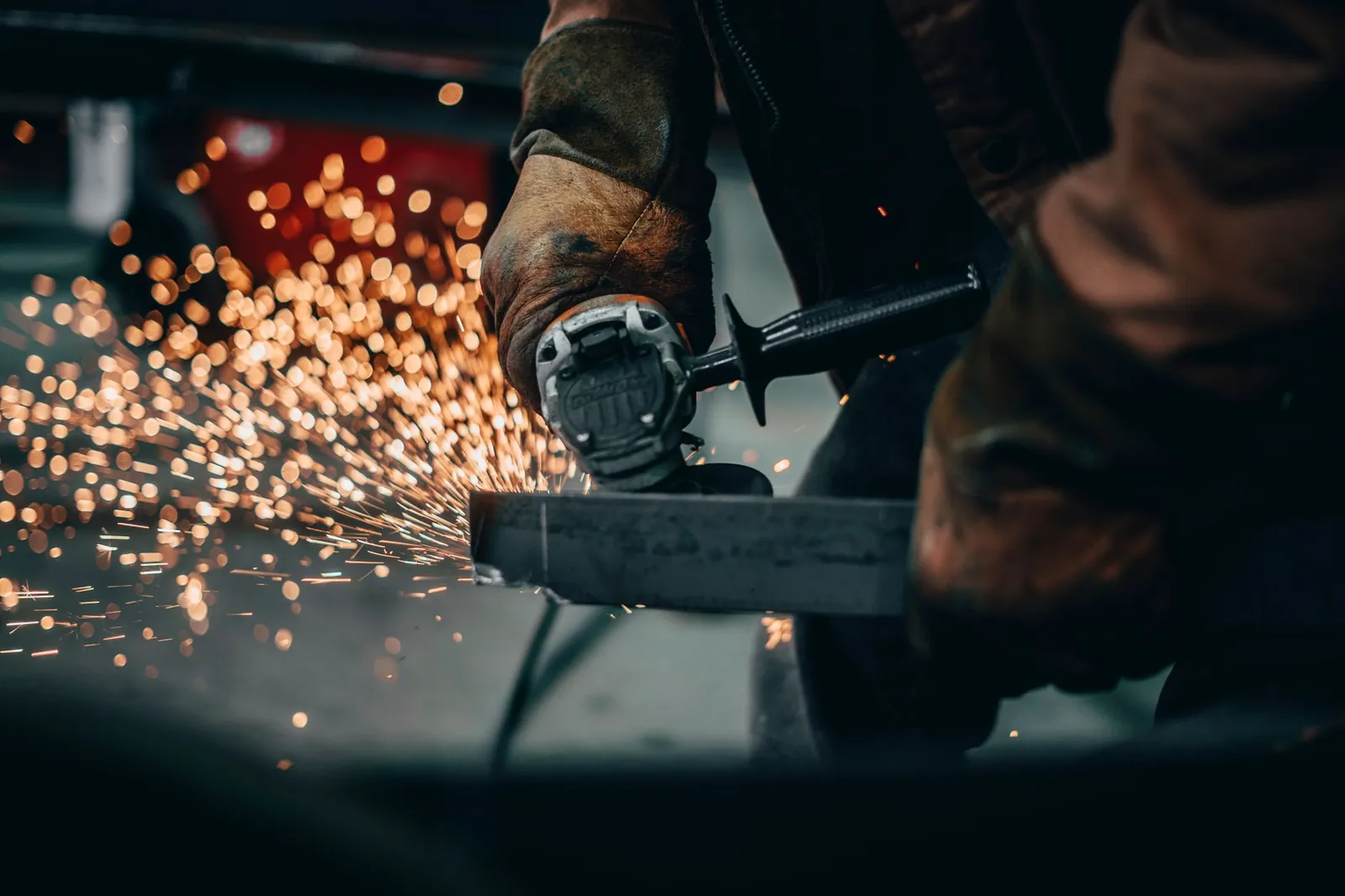
While understanding these technical aspects is critical, your situational awareness remains the final line of defense. Always be conscious of your body position relative to the grinder. If the tool were to slip, ensure your legs, torso, or hands aren’t in the path of the rotating bit. Maintain a firm, two-handed grip whenever the tool design allows for it, and keep your workspace free of flammable materials, as grinding creates hot sparks.
Related guides
- Corded Drill Safety: Kickback, Workholding and Electrical Checks
- Best Cordless Die Grinders: What to Compare Before You Buy
- 10 Best Die Grinders for Metalworking, Auto Repair, and Shop Use
Frequently Asked Questions
Can I use a 1/4-inch bit in a 6mm collet?
No. While they appear similar, the slight difference in diameter prevents the collet from gripping the bit securely. This leads to bit slippage and potentially dangerous vibrations. Always match your collet size exactly to the accessory shank diameter to ensure a safe, concentric spin.
How tight should I tighten the collet nut?
Tighten the nut until the bit is held firmly, then apply an additional quarter-turn. Don’t overtighten, as this can damage the collet threads or collapse the collet bore. Use two wrenches if your tool requires it: one to hold the spindle and one to tighten the nut, ensuring you never put side-load stress on the spindle bearings.
What is the purpose of a tool guard?
The guard is designed to deflect debris and contain the pieces if an abrasive wheel or stone shatters. Never remove the guard from a grinder intended to use wheels or discs. It acts as a physical barrier between your face and the high-velocity fragments produced during a catastrophic failure of the abrasive material.
How often should I replace my collet?
Inspect your collet every time you change bits. If you see signs of cracking, heavy scoring, or if the collet no longer grips the shank securely, replace it immediately. A damaged collet is an inexpensive part that, if ignored, can lead to the total destruction of your grinder or a serious workplace injury.
Are electric die grinders safer than pneumatic ones?
Neither is inherently safer, as both rely on the same fundamental physics. Pneumatic grinders are often lighter and offer more stall-resistance, while electric models provide constant torque. Safety is dictated by the operator’s adherence to RPM limits and proper workholding, regardless of the power source. Choose the tool that best fits your specific application and maintain it according to the manufacturer’s manual.
Conclusion
Developing a consistent safety routine is the best way to ensure your projects remain productive and injury-free. Start by auditing your current collection of accessories to confirm every item is rated for your tool’s maximum RPM, then organize your workspace to prioritize secure clamping. Taking these proactive steps today will significantly reduce your risk of accidents while working with high-speed grinding equipment.