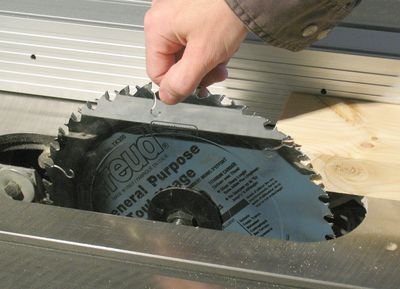
Circular Saw Blade Wobble: Causes, Checks, and When to Stop Using the Saw
Circular saw blade wobble typically happens because the blade isn’t seated correctly on the arbor, the mounting washers are damaged, or the blade itself is bent. When you notice this movement, you should stop cutting immediately because it creates dangerous kickback, ruins your wood, and puts unnecessary strain on your saw’s motor and internal bearings.
How to Check for Blade Wobble
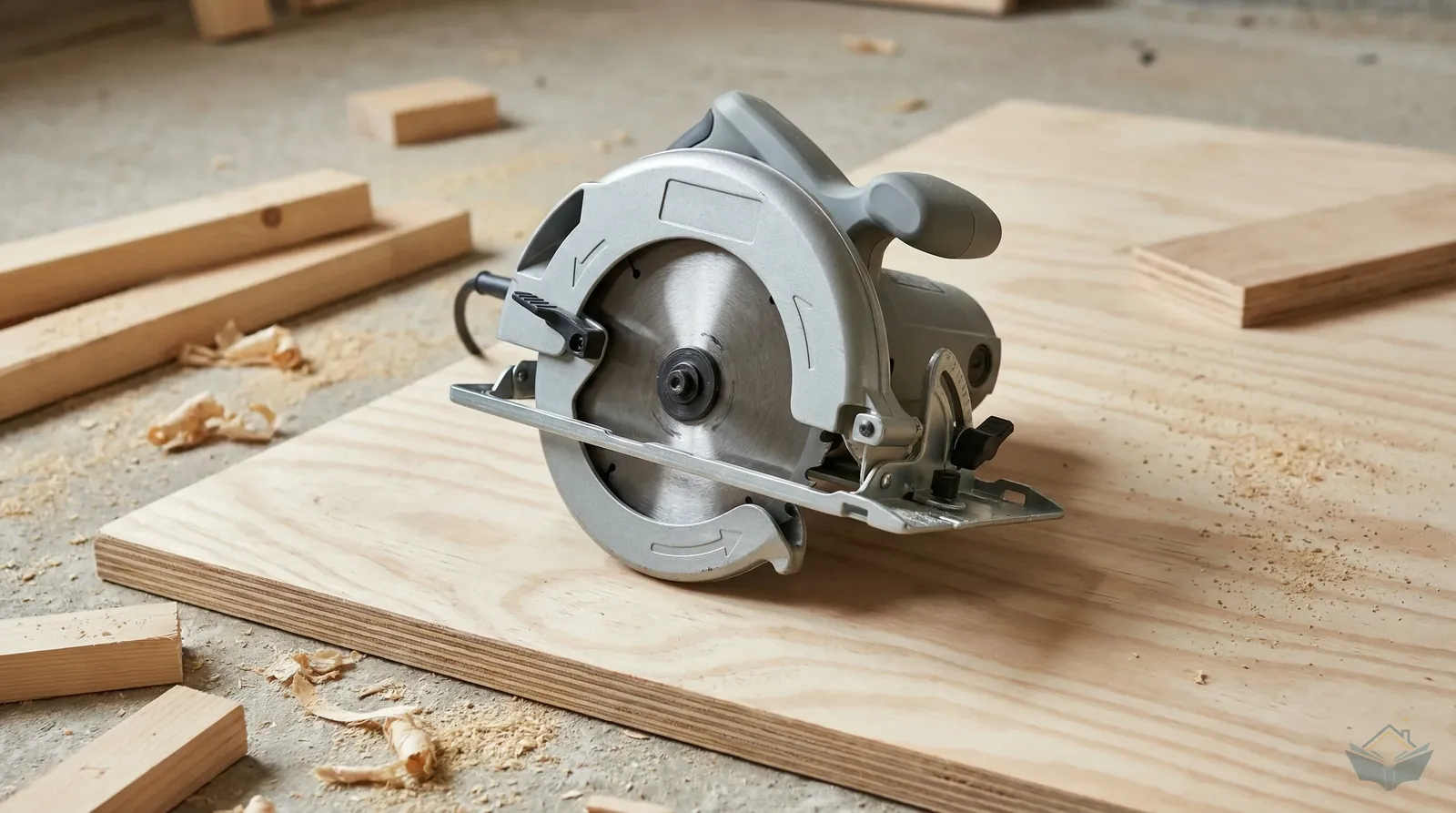
You don’t need fancy tools to find the source of movement. Start by unplugging your saw or removing the battery to ensure it can’t turn on while you work. Place the saw on a flat surface and use a metal ruler to check the alignment.
Always disconnect the power source before touching the blade or the arbor hardware. A common mistake is assuming the blade is warped when the real culprit is a buildup of resin behind the flange. If you see a buildup of dried sap or sawdust, scrape it off with a plastic putty knife. Metal burrs on the arbor flange can also force the blade to seat at a slight angle.
Remove the blade bolt and the outer flange washer. Wipe the arbor shaft and both sides of the flanges with a clean cloth. If the blade still wobbles after cleaning, spin the empty arbor shaft by hand. If the shaft itself moves side-to-side, you have a bent arbor, which requires a professional repair.
Lay the blade on a piece of glass or a granite countertop. If it rocks or shows gaps under the edges, the blade is warped and needs replacement. If the blade sits flat but wobbles on the saw, check the arbor washer for uneven wear. If the washer is cupped or deformed, replace it immediately.
If you see cracks or deep gouges in the metal body of the blade, don’t attempt to fix it. Replace the blade to prevent it from shattering during high-speed rotation. If you can’t feel the movement but the cut quality remains poor, use a dial indicator to measure the runout precisely.
Common Circular Saw Blade Wobble Causes and When to Stop
Most issues are easy to fix by cleaning or replacing simple parts. The table below helps you identify the likely cause based on what you see during your inspection.
| Symptom | Most Likely Cause | What to Do |
|---|---|---|
| Blade spins unevenly | Debris on flange | Clean washer and arbor |
| Blade vibrates during cut | Damaged washer | Replace the flange set |
| Visible wobble at idle | Bent blade plate | Replace the blade |
| Motor shakes or hums | Bent arbor shaft | Consult a repair center |
Before replacing parts, check for a buildup of resin or sawdust on the inner flange. A layer as thin as a sheet of paper can cause the blade to seat incorrectly. If you feel resistance while tightening the nut, stop immediately. Forcing it often strips the threads, turning a five-minute cleaning task into a costly arbor replacement.
If the blade wobbles only under load, the issue is likely a warped plate rather than a mechanical failure. Use a straightedge across the blade surface to confirm. Attempting to straighten it’s dangerous and will compromise the integrity of the steel.
When Is It Safe to Use the Saw?
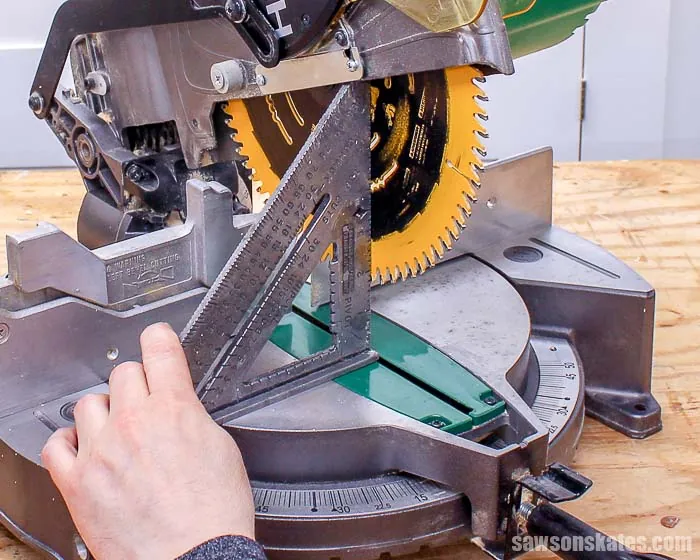
It’s never safe to operate a circular saw that exhibits noticeable blade wobble or vibration. Even a small amount of play can cause the blade to bind in the kerf, which is the primary cause of sudden, violent tool movement toward the operator.
Test for this by unplugging the saw and manually rotating the blade while watching the teeth against a fixed reference point on the baseplate.
If your check reveals that the arbor shaft itself is bent, you must stop using the tool. Trying to force a bent shaft into alignment is impossible for a home user and usually indicates internal damage to the gear housing.
Most people make the mistake of assuming a new blade will fix a vibration issue. If the vibration persists after installing a fresh blade, the problem is mechanical. In such cases, you should take the saw to an authorized service center or replace the unit, as internal repairs often exceed the value of the tool.
Related guides
- Corded Drill Chuck Slipping? Causes, Checks and Easy Fixes
- 8 Best Circular Saws for Cutting Plywood and Sheet Goods
- How to Stop Cordless Drill From Stripping Screws: 4 Easy Fixes
Frequently Asked Questions
Can I just tighten the blade bolt more to fix the wobble?
No, overtightening the bolt won’t fix a wobble caused by debris or a bent blade. It often strips the threads or damages the flange, which makes the situation worse and creates a significant safety risk during operation.
Does a cheap blade cause more wobble than a professional one?
Yes, thinner, budget-friendly blades are more prone to warping when they get hot during heavy cuts. High-quality blades are often thicker and heat-treated to resist deformation, which keeps them running true for much longer.
Is it normal for a blade to have a tiny amount of side play?
No, a properly mounted blade should have zero side-to-side movement once the flange bolt is tightened. If you can move the blade by hand while the bolt is secure, the mounting hardware is likely worn out and requires replacement.
Conclusion
Check your flange washers for signs of wear or uneven buildup every time you change your blade. If you still see movement after cleaning and installing a fresh, flat blade, retire the saw from service until a professional can inspect the arbor assembly.